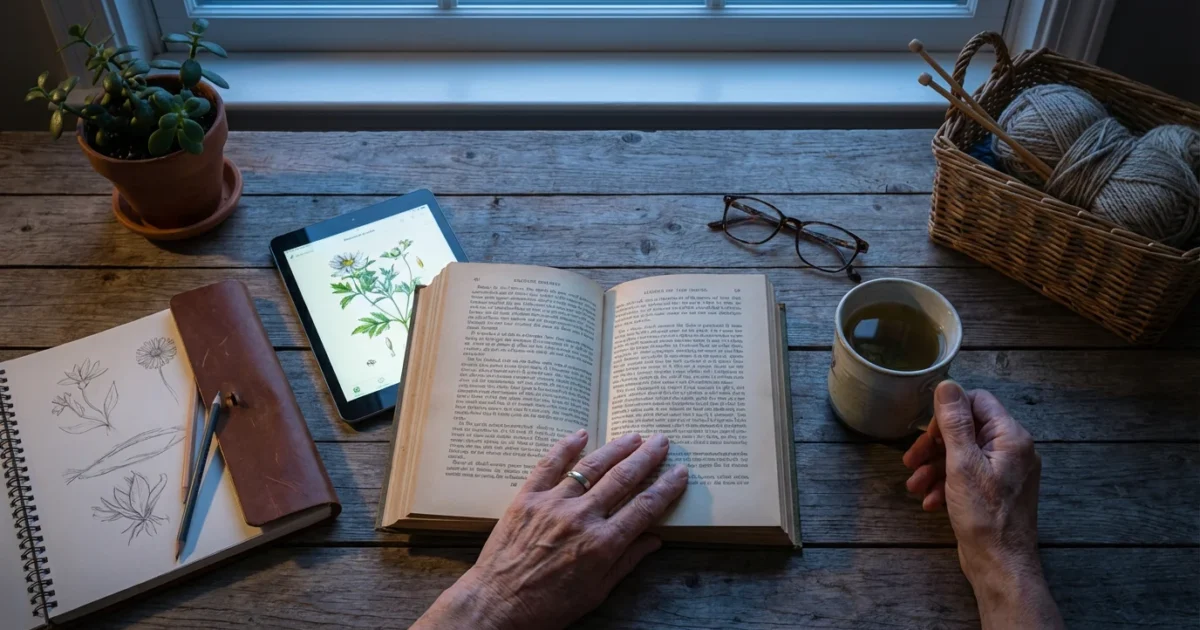
Retirement offers a profound opportunity for personal growth. Many people envision retirement as a time for relaxation, but it also presents a powerful chance to reignite your intellect and explore new horizons. Embracing lifelong learning transforms your retirement years into a vibrant period of discovery, purpose, and continued personal development.
Expanding your mind in retirement brings tangible benefits, from enhancing cognitive function to fostering new social connections and deepening your sense of fulfillment. You possess the wisdom of experience, and now you can couple that with the excitement of acquiring new knowledge and skills. This article explores why and how you can make continuing education a cornerstone of your retirement lifestyle.

Unlock Mental Vitality: The Cognitive Benefits of Continuing Education
Engaging in senior learning actively challenges your brain, promoting sharper cognitive function as you age. Research consistently shows that mental stimulation helps maintain memory, problem-solving abilities, and overall brain health. You build new neural pathways when you learn a new language, master a musical instrument, or delve into complex subjects.
Beyond academic subjects, engaging in strategic hobbies like playing board games can also provide excellent mental stimulation and sharpen your mind.
This ongoing mental engagement significantly reduces the risk of cognitive decline. Staying mentally active is as important for your brain as physical activity is for your body. The act of learning keeps your mind agile, adaptable, and robust, providing a strong defense against age-related memory issues.
Continuing education also enhances your critical thinking skills. You learn to analyze information from different perspectives, formulate arguments, and adapt to new concepts. This intellectual exercise strengthens your ability to make informed decisions and navigate an ever-changing world with greater confidence.

Discover New Passions: Lifestyle Enrichment Through Retirement Education
Retirement offers the perfect backdrop for exploring long-held interests or discovering entirely new ones. Many retirees find that continuing education provides a powerful sense of purpose and structure, replacing the routines of their working lives. You gain a renewed sense of direction and motivation.
Learning new skills can lead to unexpected opportunities for social connection. Classes, workshops, and study groups introduce you to like-minded individuals who share your interests. These new friendships enrich your social life, combat isolation, and create a supportive community around shared intellectual pursuits.
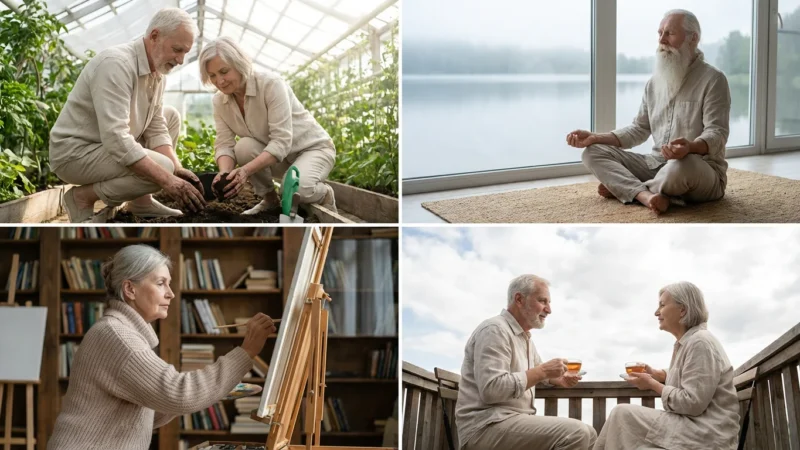
Consider the example of Sarah, a retired teacher who always wanted to paint watercolors. She enrolled in a local art class, not only honing her artistic skills but also forging close friendships with fellow students. They now meet weekly for painting sessions, creating a vibrant new social circle. This kind of retirement education provides both personal satisfaction and a richer social fabric.
Navigating the Learning Landscape: Where Can Seniors Find Free Classes?
Accessing educational opportunities does not require a hefty investment. Many excellent resources offer free or low-cost learning for seniors, making continuing education accessible to everyone. You simply need to know where to look.
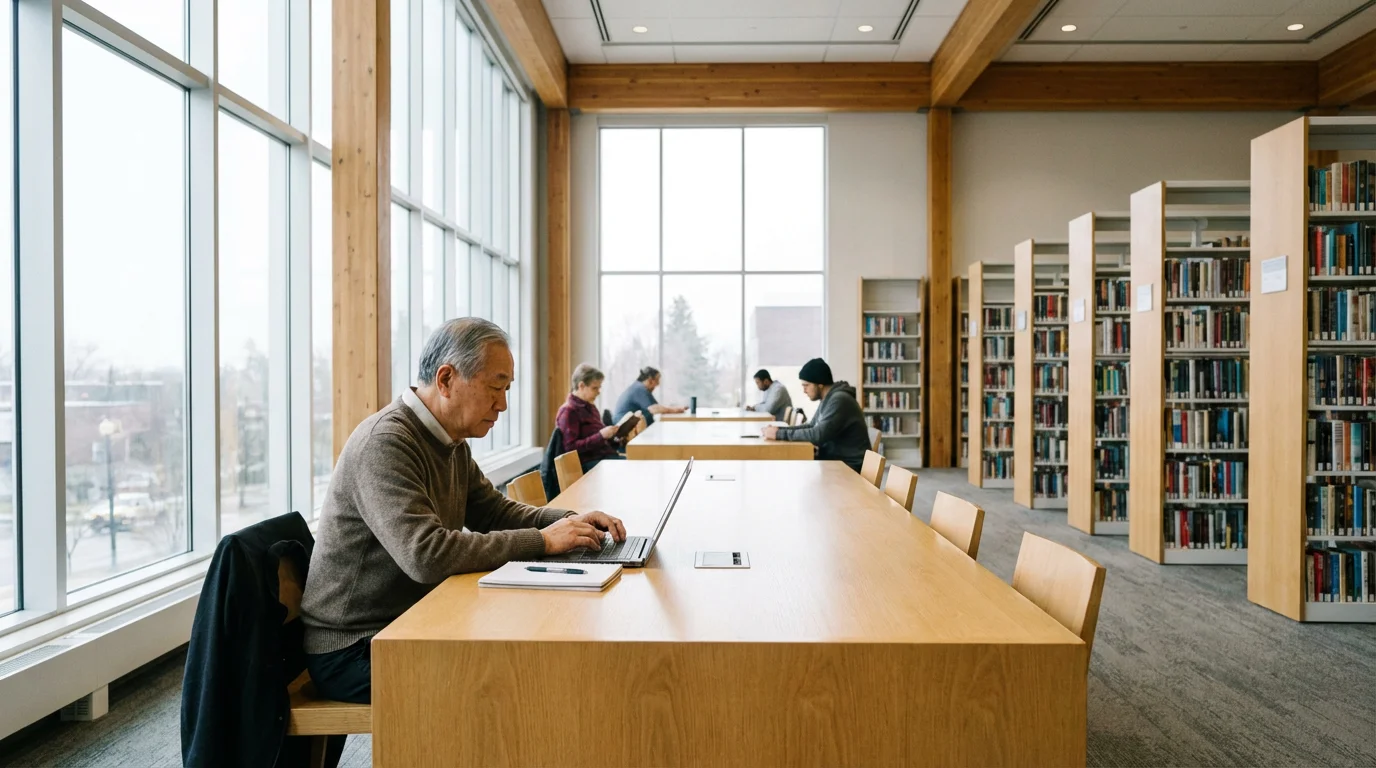
Public libraries are invaluable hubs for lifelong learning. They often host free workshops, lectures, book clubs, and technology classes. Many libraries also provide free access to online learning platforms like LinkedIn Learning or Universal Class, offering thousands of courses on diverse subjects. Check your local library’s schedule regularly.
Senior centers across the country also provide a wide array of educational and enrichment programs. These centers frequently offer classes in arts and crafts, fitness, computer skills, and foreign languages, often at no cost or for a minimal fee. They also provide a fantastic social environment.
Community colleges and universities often allow seniors to audit classes for free or at a significantly reduced rate. Auditing means you attend lectures and participate in discussions without receiving credit or taking exams. Contact the registrar’s office at local institutions to inquire about their senior citizen policies. For example, some state university systems, like those in California or Florida, have specific programs for senior learners.
Here are some places where you can explore free or affordable learning options:
- Local Public Libraries: Free workshops, online course access, book clubs, lectures.
- Senior Centers: Community-based classes in various subjects, social activities.
- Osher Lifelong Learning Institutes (OLLI): Non-credit courses specifically designed for older adults, often affiliated with universities (membership fees apply but are generally affordable).
- Online Learning Platforms: Many platforms offer free courses or free access periods, like Coursera, edX, or even YouTube for tutorials.
- Museums and Cultural Institutions: Often host free lectures, docent-led tours, and educational programs related to their collections.
- Adult Education Programs: Many communities offer free or low-cost evening classes on practical skills, languages, and hobbies.
Formal and Informal Paths: How to Continue Learning in Retirement
You have numerous avenues available to pursue your educational goals, ranging from structured academic environments to self-directed learning. Choose the path that best suits your interests, schedule, and learning style. Understanding these options empowers you to build a personalized learning journey.
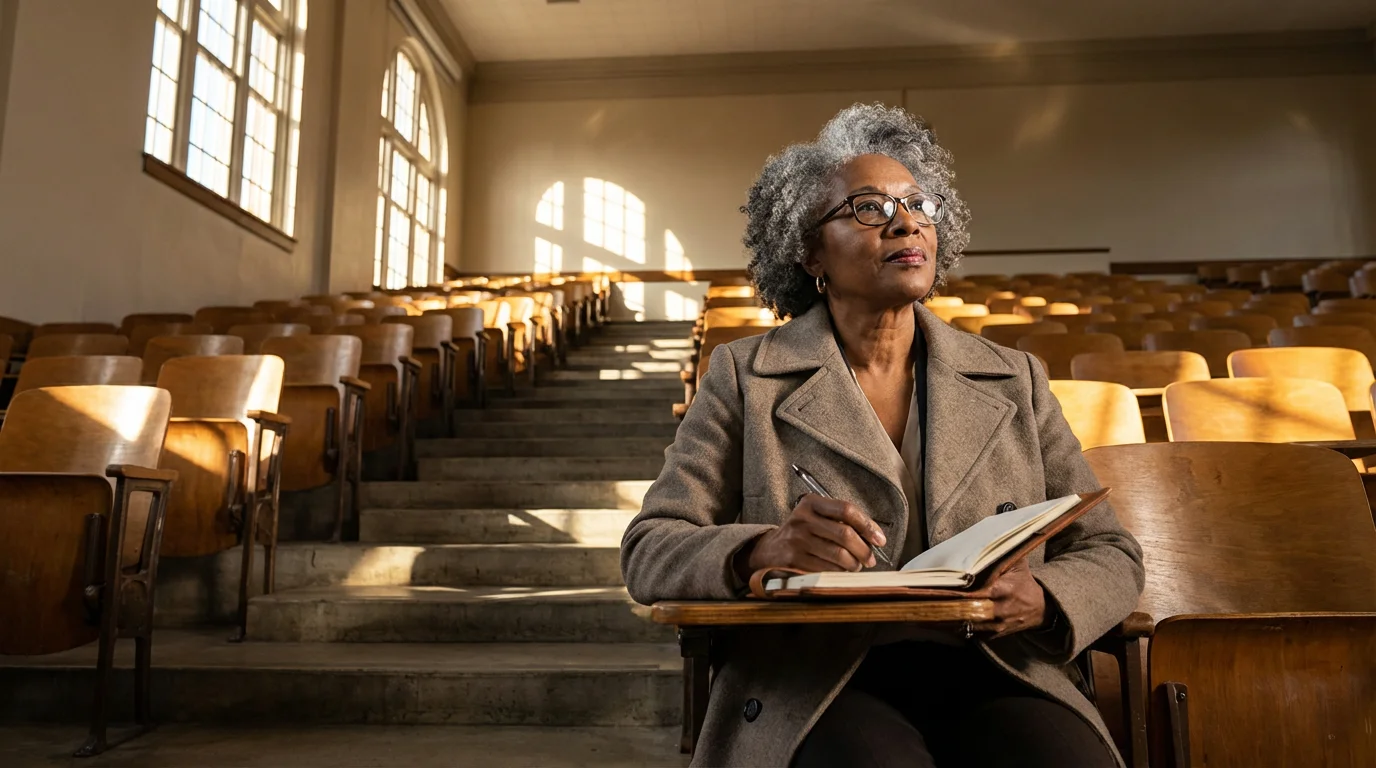
Formal education options include enrolling in non-credit courses at universities or community colleges. Programs like the Osher Lifelong Learning Institutes (OLLI), found at many universities nationwide, cater specifically to older adult learners. These institutes offer diverse, stimulating courses without the pressure of grades or exams. OLLI programs provide a vibrant community and a wealth of knowledge.
Massive Open Online Courses (MOOCs) offer a flexible and often free way to access university-level education from anywhere. Platforms such as Coursera, edX, and Khan Academy provide courses from top institutions on nearly any subject imaginable. You can learn at your own pace, on your own schedule, from the comfort of your home.
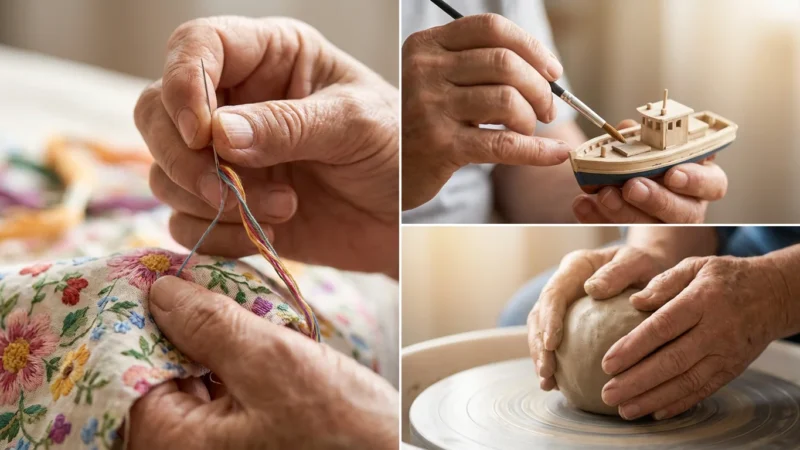
Informal learning encompasses a broad range of activities that foster growth outside traditional classroom settings. This includes reading extensively, attending public lectures, joining discussion groups, or even traveling with an educational focus. Many seniors also find great satisfaction in developing a new hobby, such as gardening, photography, or woodworking, which inherently involves continuous learning and skill development.
Consider these varied approaches to continuing your education:
- Enroll in Local University/Community College Courses: Audit for free or low cost, or take for credit if desired.
- Join an Osher Lifelong Learning Institute (OLLI): Engage in stimulating, non-credit courses designed for seniors.
- Utilize MOOCs and Online Platforms: Access world-class education from home, often for free or low cost.
- Attend Workshops and Seminars: Focus on specific skills or topics, often offered by community centers, libraries, or specialty stores.
- Engage in Self-Directed Study: Read books, watch documentaries, listen to podcasts, or pursue a deep dive into a topic of personal interest.
- Learn a New Language: Use apps, online courses, or local conversation groups to acquire new linguistic skills.

Funding Your Curiosity: Budget-Friendly and Free Learning Options
You do not need a large budget to expand your mind in retirement. Many excellent resources exist to help you pursue senior learning without financial strain. Focus on leveraging public resources and exploring cost-effective approaches.
Engaging in intergenerational learning is also a fantastic way to bond with your grandchildren while exploring new topics together.
Public libraries remain a cornerstone of free education. They offer far more than just books, providing access to vast digital resources, free internet, and often hosting educational events. Your library card unlocks a world of knowledge and skill-building opportunities at no direct cost.
Volunteer opportunities can also serve as powerful learning experiences. For instance, volunteering at a local museum or historical society can teach you extensively about art or history. Mentoring young people through programs like SCORE (Service Corps of Retired Executives) allows you to share your expertise while learning new perspectives and developing leadership skills.
Intergenerational programs provide unique learning environments. Some schools or community organizations pair seniors with younger students for tutoring or joint projects. You can teach a younger generation a skill, gaining the satisfaction of sharing knowledge, and also learn new technologies or viewpoints from them. This exchange creates a mutually beneficial learning relationship.
Many organizations, like AARP, offer free or discounted educational resources to their members, including webinars on various topics, from technology to health and finance. Always check what benefits are available through any memberships you hold. Exploring these avenues ensures you can keep learning regardless of your financial situation.
Beyond the Classroom: Practical Ways to Incorporate Learning Daily
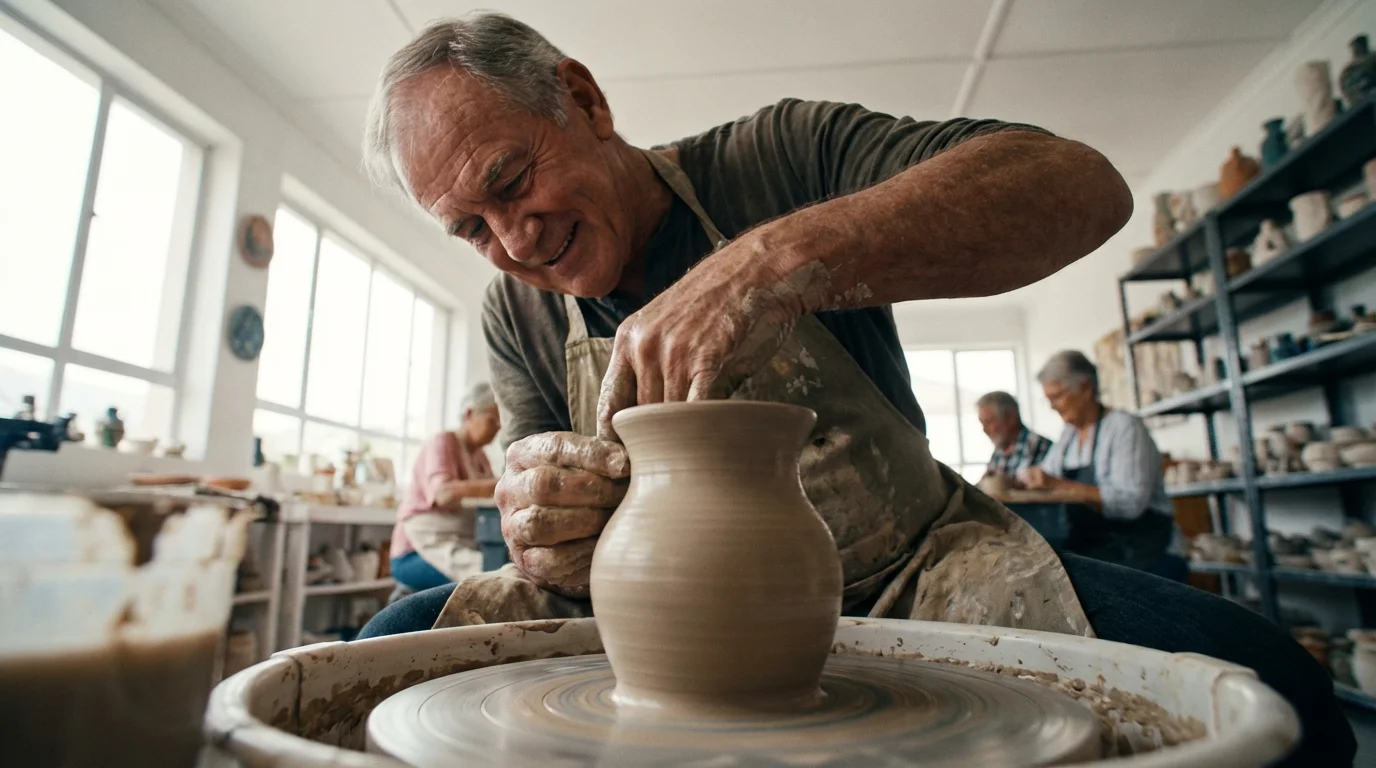
Lifelong learning extends far beyond formal classes and structured programs. You can integrate learning into your daily routine, transforming everyday activities into opportunities for intellectual growth. This approach makes expanding your mind a natural and enjoyable part of retirement.
Reading widely and consistently provides a fundamental learning experience. Explore different genres, delve into non-fiction about subjects that intrigue you, or keep up with current events through reputable news sources. Joining a book club not only encourages reading but also fosters engaging discussions and diverse perspectives.
Documentaries and educational podcasts offer accessible and convenient ways to learn about a vast range of topics. Platforms like Netflix, PBS, and YouTube host countless documentaries. Podcast apps provide free access to expert discussions on history, science, culture, and more. You can learn while exercising, cooking, or relaxing at home.
Travel offers immersive learning experiences. Whether exploring a new city, hiking through a national park, or visiting historical sites, travel exposes you to different cultures, environments, and histories. Planning your trips around specific learning themes, like culinary arts or ancient civilizations, enhances the educational value.
Mentorship, both as a mentor and a mentee, facilitates significant learning. If you possess valuable skills or experience, consider mentoring someone younger, solidifying your knowledge and developing communication skills. Conversely, seeking a mentor in a new field can accelerate your learning curve and provide invaluable guidance.
Embrace the Journey: Overcoming Barriers to Lifelong Learning
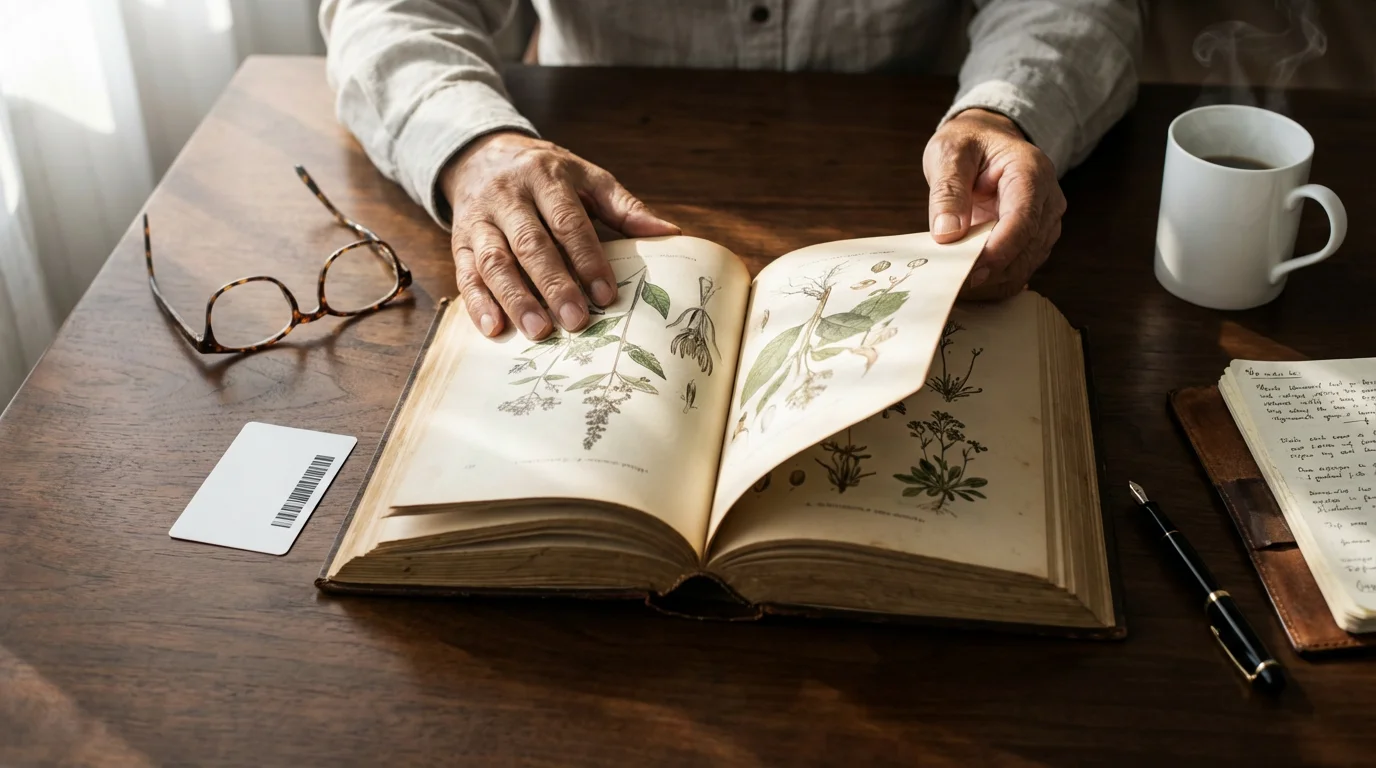
You might encounter certain challenges when embarking on a journey of continuing education in retirement. Concerns about technology, lack of confidence, or physical limitations are common. Recognizing these barriers is the first step toward overcoming them and fully embracing senior learning.
Technology can feel intimidating, especially if you did not grow up with computers or the internet. However, many resources exist to help you bridge this gap. Libraries, senior centers, and community colleges often offer free basic computer and internet literacy classes. Start with simple tasks, like email or online searching, and gradually build your skills. Remember, technology is a tool to empower your learning, not an obstacle.
A lack of confidence or the fear of “not being smart enough” can prevent many from pursuing new learning. Understand that learning in retirement is about personal enrichment, not academic competition. There are no grades or judgments. Focus on the joy of discovery and the satisfaction of mastering new skills. Everyone learns at their own pace, and every step forward is a victory.
Physical limitations or health concerns might influence your ability to attend in-person classes. Fortunately, the rise of online learning platforms and remote engagement opportunities has made education more accessible than ever. You can take courses, join virtual discussion groups, and attend online lectures from the comfort of your home. Many organizations also offer adaptive equipment and support for various needs.
Making time for learning amidst other retirement activities requires intentional planning. Treat your learning pursuits like any other important appointment. Schedule dedicated time for study, practice, or class attendance. You gain consistency and make progress when you prioritize your educational goals. Balancing depth with accessibility ensures you build a sustainable and enjoyable learning routine.
“Retirement is not the end of the road. It is the beginning of the open highway.”
Frequently Asked Questions
What are the main benefits of lifelong learning for seniors?
Lifelong learning provides numerous benefits, including enhanced cognitive function, improved memory, increased social engagement, a stronger sense of purpose, and greater overall life satisfaction. It helps keep your mind sharp and your spirit engaged.
Are there truly free educational opportunities available for retirees?
Yes, many free options exist. Public libraries offer free courses and online resources. Senior centers provide free or low-cost classes. Some universities allow seniors to audit courses for free or at a reduced rate. Online platforms like Coursera and edX also offer many courses for free.
How can I overcome technology challenges to access online learning?
Start with basic computer literacy courses offered at local libraries or senior centers. Many online platforms design user-friendly interfaces. Practice regularly, and do not hesitate to ask for help from family, friends, or technical support. Patience and persistence are key.
Is it ever too late to start learning something new in retirement?
It is never too late to begin learning something new. Your brain retains its capacity for learning throughout life. Many older adults discover new passions and achieve impressive accomplishments in their later years. The journey itself is often as rewarding as the destination.
How can I balance my learning goals with other retirement activities?
Prioritize your learning by scheduling dedicated time for it, just as you would for other important appointments. Start with manageable commitments, and gradually increase your engagement as you become more comfortable. Remember that even small, consistent efforts yield significant results over time.
The joy of lifelong learning is a gift you give yourself in retirement. It enriches your mind, expands your world, and keeps you connected and vibrant. Embrace the endless possibilities for growth and discovery that await you. Your retirement years can become your most intellectually stimulating and fulfilling chapter yet.
This article is for informational purposes only and does not constitute financial, legal, tax, or medical advice. Retirement planning involves complex decisions that depend on your individual circumstances. We strongly encourage readers to consult with qualified professionals—including financial advisors, attorneys, tax professionals, and healthcare providers—before making significant retirement decisions.




Leave a Reply