
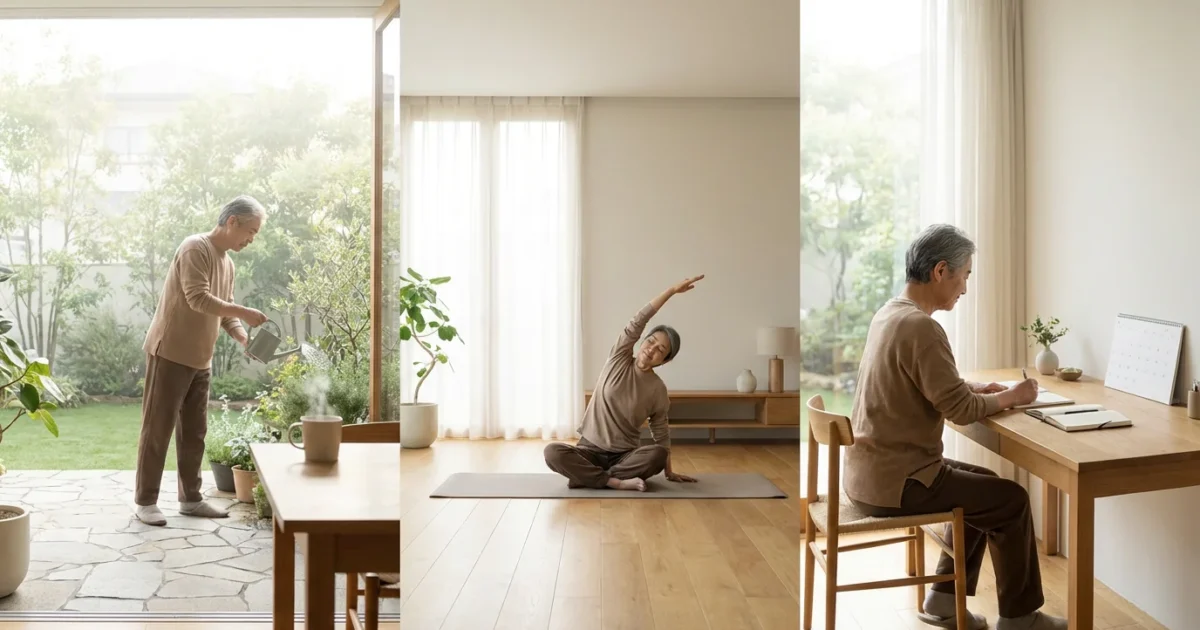
Retirement represents a significant life transition, often bringing newfound freedom and a departure from the structured demands of a career. While the absence of a daily grind can feel liberating, many retirees discover that an unstructured lifestyle can lead to feelings of aimlessness, decreased motivation, and even a decline in overall well-being. Establishing a well-thought-out **retirement routine** becomes crucial for thriving during this phase of life.
Incorporating meaningful animal companionship into your day can also offer a significant boost to your emotional health.
Crafting a personalized **senior schedule** provides a powerful framework for purpose, productivity, and personal growth. It helps you navigate the abundance of free time, ensuring you engage in activities that enrich your life, support your health, and maintain your cognitive function. You gain control over your days, replacing the external structure of work with an internal design that aligns with your personal goals and aspirations.

Why a Routine Matters in Retirement
Many individuals anticipate retirement as an endless vacation, a time when every day offers complete freedom. While this vision holds appeal, research consistently shows that a lack of structure can negatively impact mental and physical health. A consistent **daily structure** provides numerous benefits, helping you adapt successfully to your new life stage.
Think of your retirement routine as a foundation for a fulfilling lifestyle. It offers predictability and purpose, which are fundamental human needs. Without a planned approach to your days, hours can blend together, making it difficult to differentiate one day from the next. This can diminish your sense of accomplishment and contribute to boredom.
Consider these key benefits that a strong retirement routine offers:
- Enhanced Mental Well-being: Routines reduce stress and anxiety by providing a sense of control and predictability. You wake up with a plan, reducing feelings of aimlessness. This can combat common retirement challenges like depression or loneliness.
- Improved Physical Health: A consistent schedule encourages regular exercise, healthy meal times, and sufficient sleep. You are more likely to prioritize physical activity when it is a scheduled part of your day, leading to better cardiovascular health and mobility.
- Increased Productivity and Purpose: Defining specific times for hobbies, volunteering, or personal projects helps you achieve your goals. You move beyond merely passing the time to actively engaging in meaningful endeavors.
- Better Cognitive Function: Engaging in scheduled mental activities, such as reading, learning a new skill, or solving puzzles, keeps your brain active. A routine promotes consistent cognitive stimulation, which supports brain health as you age.
- Stronger Social Connections: Scheduling regular social engagements ensures you stay connected with friends, family, and community groups. This combats social isolation, a significant risk factor for seniors.
By proactively designing your days, you cultivate a sense of structure and intention. This allows you to harvest the true potential of your retirement years, transforming free time into purposeful living.

Dispelling the Myth of Perpetual Spontaneity
Many retirees initially resist the idea of a routine, associating it with the rigid schedules of their working lives. They envision retirement as a time for endless spontaneity, free from any fixed commitments. While flexibility is a wonderful aspect of retirement, pure spontaneity can quickly become overwhelming and ultimately counterproductive.
Imagine waking up each day with no plans whatsoever. While this sounds appealing for a few days, it often leads to indecision, missed opportunities, and a gradual decline in engagement. You might spend valuable hours wondering what to do, rather than actively doing something enriching. This unstructured freedom can inadvertently create a new kind of stress.
A balanced approach involves creating a core **daily structure** that allows for spontaneity within its framework. You might schedule your mornings for exercise and personal projects, but leave afternoons open for impromptu outings, visits from friends, or exploring a new interest. This hybrid approach gives you both the grounding of a routine and the joy of flexibility.
“Retirement is not the end of the road. It is the beginning of the open highway.”
— Unknown
This sentiment captures the expansive possibilities of retirement. A routine does not build walls; it provides guardrails for that open highway, ensuring you travel safely and purposefully towards your desired destinations. It empowers you to navigate your newfound freedom with direction, making the most of every mile.

Core Components of an Effective Senior Schedule
When you consider **how to structure your retirement day**, think about incorporating elements that address your physical, mental, social, and emotional needs. A robust senior schedule encompasses a variety of activities, ensuring balance and preventing burnout from any single pursuit.
Additionally, finding budget-friendly ways to stay active ensures your routine remains sustainable for the long term.
When organizing your new life, don’t forget that creating a retirement budget is essential for funding the activities in your daily schedule.
Start by identifying the pillars of your well-being. What activities make you feel vibrant, engaged, and content? Your routine should reflect these priorities, establishing regular times for each. This proactive planning helps guarantee that important aspects of your life do not get overlooked.
Essential components to weave into your daily or weekly routine include:
- Physical Activity: Dedicate specific times for exercise, whether it is a morning walk, a swim, yoga, or strength training. Aim for at least 150 minutes of moderate-intensity aerobic activity per week, as recommended by health organizations.
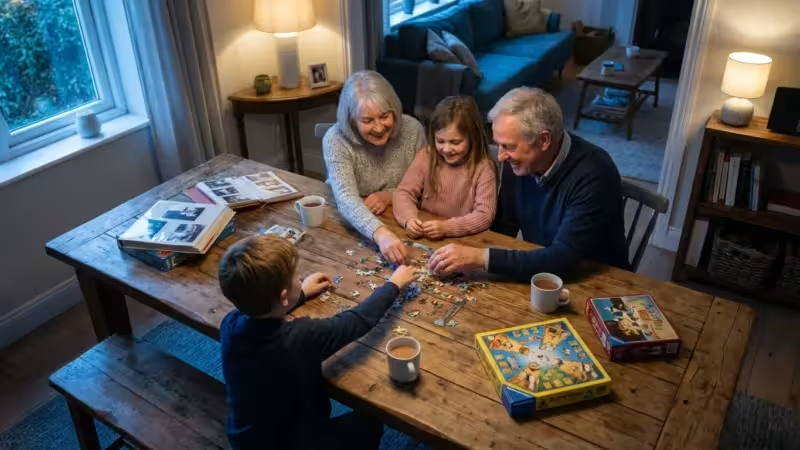
- Mental Engagement: Schedule time for activities that challenge your brain. This could include reading, learning a new language, doing puzzles, playing strategy games, or taking online courses.
- Social Connection: Plan regular interactions with others. This might involve coffee with friends, family visits, joining a club, or volunteering. Loneliness is a significant health risk, so prioritize social time.
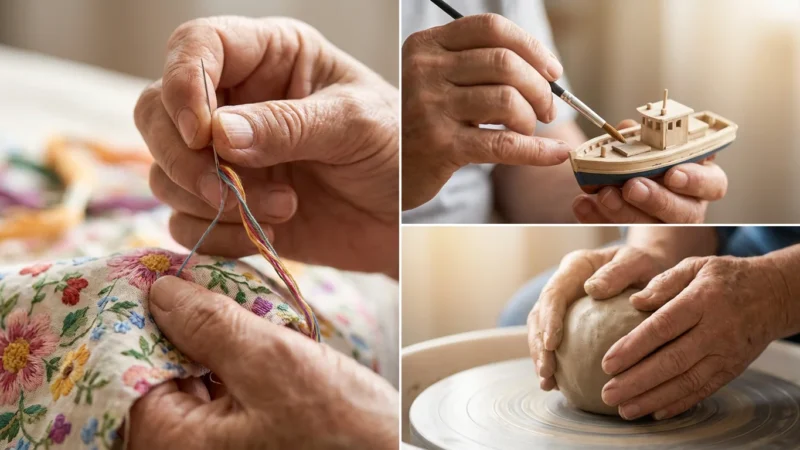
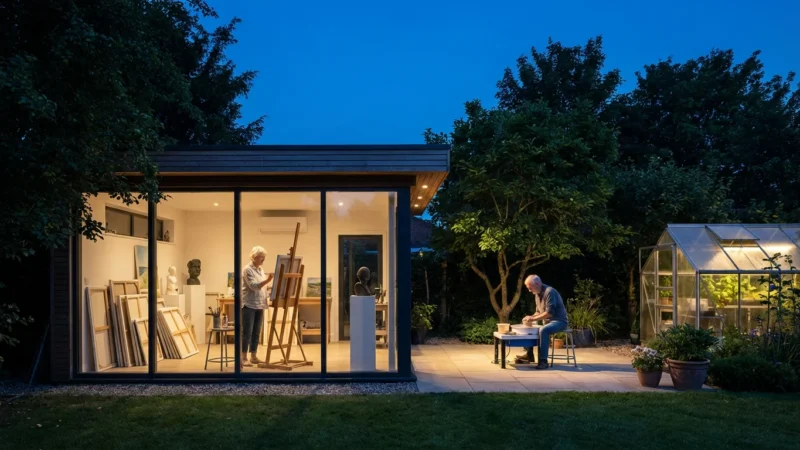
- Hobbies and Interests: Carve out dedicated blocks for your passions, whether gardening, painting, playing an instrument, or woodworking. These activities bring joy and a sense of accomplishment.
- Rest and Relaxation: Do not overlook downtime. Schedule periods for relaxation, napping if needed, meditation, or simply quiet reflection. Adequate rest supports overall health and stress reduction.
- Personal Care and Errands: Allocate time for self-care routines, appointments, grocery shopping, and household chores. Integrating these practical tasks prevents them from accumulating and causing stress.
- Nutrition and Hydration: Establish consistent meal times and plan for healthy eating. Hydration is also key; make drinking water a regular habit throughout your day.
By thoughtfully integrating these components, you create a holistic structure. This allows your retirement routine to support a life that is both active and satisfying, touching upon all crucial aspects of your well-being.

Crafting Your Personalized Retirement Routine
Building a **retirement routine** involves more than simply filling time; it requires intentional design. Your personal preferences, energy levels, and long-term goals should guide your decisions. There is no one-size-fits-all schedule, so tailor yours to fit your unique lifestyle.
Adding time for inner reflection and spirituality can help you ground your daily routine in your personal values.
Begin by reflecting on your pre-retirement habits. Did you prefer mornings for focused work? Are you a night owl? Leverage these insights to create a schedule that feels natural and sustainable for you. Attempting to force a routine that goes against your inherent rhythm will likely lead to frustration and abandonment.
Follow these steps to develop your effective senior schedule:
- Identify Your Priorities: List the top 3-5 activities or areas of your life that bring you the most joy or benefit. These become the anchors of your routine. For example, daily exercise, volunteering, and spending time with grandchildren might be your top priorities.
- Map Out Your Energy Levels: Determine when you have the most energy and focus. Schedule your most demanding or important activities during these peak times. Reserve lower-energy periods for relaxation or less intensive tasks.
- Allocate Time Blocks: Instead of strict hourly planning, think in broader time blocks: morning, midday, afternoon, and evening. For instance, “Mornings: Exercise and breakfast” provides structure without rigidity.
- Start Small and Iterate: Do not try to overhaul your entire day at once. Begin with a few consistent habits, like a morning walk or a dedicated reading hour. Gradually add more elements as you adjust and find what works.
- Schedule Downtime and Flexibility: Remember the myth of perpetual spontaneity. Intentionally schedule blocks for unstructured time. This allows for adaptability and prevents your routine from feeling too restrictive.
- Review and Adjust Regularly: Your ideal routine may evolve. Periodically assess if your schedule still meets your needs and goals. Adjust as your interests change, or as you discover new preferred activities.
A well-crafted routine gives you control. It transforms the overwhelming prospect of unlimited free time into a manageable, fulfilling daily experience. Remember that this is your retirement, so design a schedule that genuinely serves your happiness and health.

Integrating Health and Wellness into Your Daily Structure
A successful **senior schedule** places a high priority on health and wellness. Your physical and mental well-being directly impact your ability to enjoy retirement. Proactively scheduling health-promoting activities ensures they become non-negotiable parts of your day.
Physical activity is paramount. Regular exercise not only keeps your body strong, but also significantly boosts mood and cognitive function. According to the National Institute on Aging, physical activity helps manage chronic diseases, improves balance, and can even reduce the risk of dementia. Make it a fixed appointment in your daily calendar.
Consider these ways to integrate health and wellness:
- Morning Movement: Start your day with light stretching, a brisk walk, or a short exercise video. This jumpstarts your metabolism and energy levels.
- Mindful Eating: Plan regular mealtimes and focus on nutritious, balanced meals. Avoid skipping meals, which can lead to energy dips and overeating later.
- Hydration Reminders: Keep a water bottle handy and make a habit of refilling it throughout the day. Set an alarm if necessary to remind yourself to drink water.
- Scheduled Relaxation: Incorporate practices like meditation, deep breathing exercises, or gentle yoga into your daily routine. Even 10-15 minutes can significantly reduce stress.
- Quality Sleep Hygiene: Establish a consistent bedtime and wake-up time. Create a relaxing pre-sleep routine, such as reading or taking a warm bath, to signal your body it is time to wind down.
- Regular Health Check-ups: Schedule annual physicals, dental cleanings, and necessary specialist appointments in advance. Integrate these into your yearly calendar to ensure continuity of care.
By prioritizing these health components, your **daily structure** becomes a powerful tool for longevity and vitality. You invest in your greatest asset: your health, ensuring you have the energy to pursue all your retirement dreams.

Social Engagement and Lifelong Learning
Retirement offers an unparalleled opportunity to deepen social connections and embark on new intellectual adventures. Incorporating social activities and learning opportunities into your **senior schedule** is vital for emotional well-being and cognitive health. Human connection and mental stimulation are critical components of a fulfilling life at any age.
Many retirees find that the loss of daily workplace interactions can lead to feelings of isolation. Actively scheduling time for friends, family, and community groups counteracts this. Consider joining clubs, volunteering, or simply setting regular dates for social calls or visits. The AARP emphasizes the importance of social connections for a healthier, happier life.
Here are proactive ways to foster engagement and learning:
- Join a Club or Group: Find organizations centered around your interests, such as a book club, gardening group, hiking club, or bridge club. Regular meetings provide built-in social interaction.
- Volunteer Your Time: Dedicate a few hours each week to a cause you care about. Volunteering offers purpose, social interaction, and a sense of contribution.
- Take a Class: Enroll in a community college course, an online learning platform, or a local workshop. Learn a new language, an instrument, painting, or coding. This keeps your mind sharp and introduces you to new people.
- Schedule Family Time: Arrange regular visits or calls with children, grandchildren, and other family members. These connections provide emotional support and joy.
- Attend Local Events: Check your local community calendar for lectures, concerts, plays, or cultural festivals. These offer opportunities for engagement and entertainment.
- Become a Mentor: Share your professional or life experience by mentoring a younger person. This can be incredibly rewarding and provides valuable social interaction.
A deliberate inclusion of social engagement and lifelong learning ensures your retirement years remain vibrant and stimulating. You continue to grow, connect, and contribute, enriching your life and the lives of those around you.

Financial Planning and Routine Management
While much of your **retirement routine** focuses on lifestyle, it is equally important to integrate regular financial check-ins. Consistent attention to your finances helps ensure your long-term security and provides peace of mind. Ignoring financial planning can lead to unexpected stresses and missed opportunities.
Financial planning in retirement is not a one-time event; it is an ongoing process. Your circumstances, market conditions, and even tax laws can change, necessitating periodic adjustments to your strategy. Building financial reviews into your **daily structure** or at least your monthly schedule creates a habit of oversight.
Implement these financial routine elements:
- Weekly or Bi-Weekly Budget Review: Dedicate a short block of time to review your spending, track income, and ensure you remain within your budget. This helps catch potential overspending early.
- Monthly Bill Payment Schedule: Automate as many bills as possible, but still set aside time to review statements and confirm payments. This prevents late fees and ensures accuracy.
- Quarterly Portfolio Check-in: Schedule a time to review your investment portfolio performance, asset allocation, and rebalancing needs. This is also a good time to consider any required minimum distributions (RMDs) if applicable. The Consumer Financial Protection Bureau provides resources for managing finances in retirement.
- Annual Financial Advisor Meeting: Plan a yearly meeting with your financial advisor to discuss your overall financial plan, review goals, and make any necessary adjustments. This ensures your strategy remains aligned with your changing needs.
- Annual Tax Planning: Work with a tax professional to review your income, deductions, and potential tax liabilities. Proactive tax planning can save you significant money.
- Estate Plan Review: Periodically review your will, trusts, power of attorney, and healthcare directives. Ensure they reflect your current wishes and life circumstances.
A consistent financial routine empowers you. It helps you manage your wealth responsibly, reduce financial anxiety, and maintain control over your economic future throughout your retirement journey. Always consult with a qualified financial advisor, tax professional, and estate attorney for personalized guidance on these complex matters.

Overcoming Challenges to Maintain Your Routine
Even the most well-designed **retirement routine** can face obstacles. Life throws curveballs, unexpected events occur, and motivation can wane. Recognizing common challenges and developing strategies to overcome them helps you maintain consistency and commitment to your senior schedule.
One common challenge is the allure of immediate gratification over long-term benefits. It can feel easier to stay on the couch than to go for that scheduled walk. Another challenge comes from external disruptions, such as travel, family emergencies, or health issues, which can temporarily derail your habits.
Consider these strategies for maintaining your daily structure:
- Be Flexible and Forgiving: Understand that perfection is unattainable. If you miss a day or a scheduled activity, do not abandon the entire routine. Simply get back on track the next day.
- Build in Buffer Time: Avoid overscheduling. Give yourself extra time between activities to account for delays or unexpected needs. This reduces stress and helps prevent your schedule from feeling rushed.
- Tell Someone Your Plan: Share your routine with a trusted friend or family member. This creates a sense of accountability and can provide encouragement.
- Use Reminders and Tools: Utilize calendars, alarms, or smartphone apps to keep track of your schedule. Visual cues can be incredibly helpful in reinforcing your routine.
- Reward Yourself: Acknowledge your consistency. After sticking to your routine for a week or a month, treat yourself to something enjoyable that aligns with your values.
- Adapt When Necessary: Life circumstances change. If a part of your routine no longer serves you, or if new priorities emerge, adjust your schedule. Your routine should adapt to you, not the other way around.
- Seek Support: If you struggle with motivation or feel overwhelmed, talk to a friend, family member, or even a professional counselor. They can offer valuable perspective and support.
Maintaining a successful **daily structure** requires resilience and adaptability. By anticipating challenges and implementing these proactive strategies, you strengthen your commitment to a retirement lifestyle that remains fulfilling and purposeful, despite life’s inevitable ups and downs.
Frequently Asked Questions
What are the benefits of routine in retirement?
A retirement routine offers numerous benefits, including enhanced mental well-being by reducing stress and anxiety, improved physical health through consistent exercise and healthy habits, increased productivity and purpose from planned activities, better cognitive function through mental engagement, and stronger social connections by scheduling regular interactions. It provides a sense of control and predictability, replacing the structure previously provided by work.
How do I start creating a retirement routine?
Begin by identifying your top priorities and mapping out your energy levels throughout the day. Allocate time blocks for essential activities like physical exercise, mental engagement, social connections, and hobbies. Start with a few consistent habits and gradually build upon them, incorporating downtime and flexibility. Regularly review and adjust your schedule as your needs and interests evolve.
Should my retirement routine be rigid or flexible?
Your retirement routine should strike a balance between structure and flexibility. Establish a core daily structure that includes your most important activities, but also schedule specific blocks for unstructured time and spontaneity. This hybrid approach provides predictability and purpose without making you feel overly constrained, allowing you to adapt to unexpected events or new opportunities.
What types of activities should I include in my senior schedule?
An effective senior schedule should incorporate a variety of activities to address physical, mental, and social well-being. Include regular physical activity, mentally stimulating hobbies like reading or learning, dedicated social interaction with friends and family, time for personal interests and passions, scheduled rest and relaxation, and consistent attention to personal care and practical tasks like managing finances. Balance these components for a holistic routine.
How can I stick to my retirement routine?
To maintain your routine, be flexible and forgiving if you miss a scheduled activity; simply get back on track the next day. Build in buffer time between activities, share your plan with someone for accountability, and use reminders or calendar tools. Reward yourself for consistency and be prepared to adapt your routine as your life circumstances or interests change. Seeking support from others can also be beneficial.
Disclaimer: This article is for informational purposes only and does not constitute financial, legal, tax, or medical advice. Retirement planning involves complex decisions that depend on your individual circumstances. We strongly encourage readers to consult with qualified professionals—including financial advisors, attorneys, tax professionals, and healthcare providers—before making significant retirement decisions.






Leave a Reply