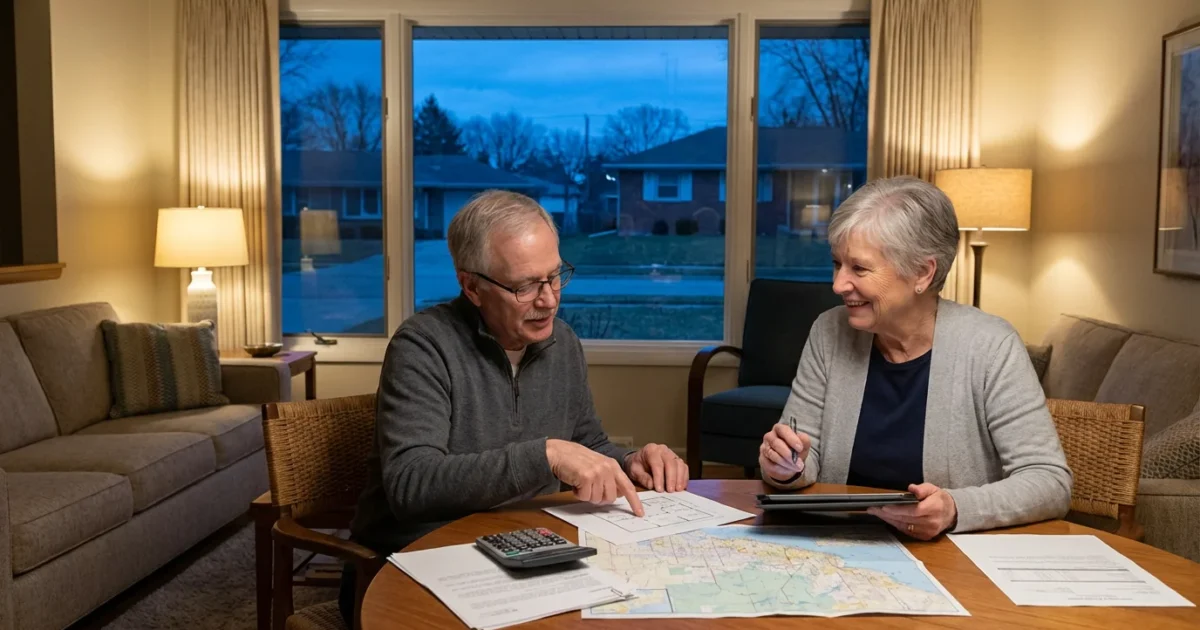
As you navigate your retirement years, you likely face critical decisions about how to manage your finances and sustain your lifestyle. For many Americans aged 55 and older, your home represents a significant asset, often holding substantial value in home equity. A reverse mortgage allows you to convert a portion of this equity into cash without selling your home or making monthly mortgage payments. This financial tool can provide a vital source of retirement income, offer financial flexibility, and address specific housing needs during your golden years.
Understanding a reverse mortgage fully requires careful consideration of its mechanics, benefits, and potential drawbacks. This comprehensive guide provides clear, actionable insights into how a reverse mortgage works for seniors, helping you determine if it aligns with your financial goals and long-term retirement planning. We cover everything from eligibility and types to associated costs and consumer protections, ensuring you make an informed decision.

What Exactly Is a Reverse Mortgage?
A reverse mortgage is a specialized loan product designed exclusively for homeowners aged 62 and older. It allows you to convert a portion of your home equity into accessible funds. Unlike a traditional forward mortgage where you make monthly payments to a lender, a reverse mortgage sends payments to you, or provides a line of credit you can draw upon.
This strategy is often a primary component for those committed to aging in place but who need additional liquid assets to maintain their lifestyle.
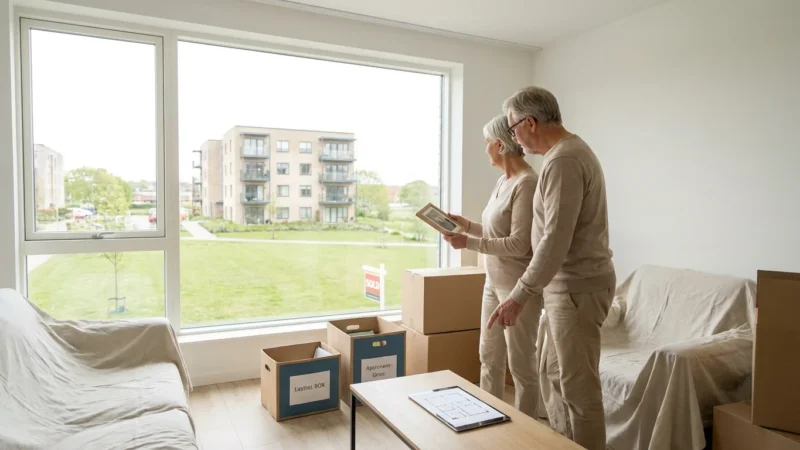
If staying in your current property isn’t the goal, you might consider downsizing for retirement as a way to simplify your lifestyle and free up cash.
You retain ownership of your home throughout the loan term. The loan only becomes due when you sell the home, move out permanently, or pass away. At that point, your estate or you, if still living, repay the loan. You never owe more than your home’s value at the time of repayment, even if the loan balance exceeds the home’s market price.

How Does a Reverse Mortgage Work for Seniors?
Understanding how a reverse mortgage works for seniors involves several key components. This loan allows you to borrow against the equity you have built in your home. The amount you can borrow depends on your age, current interest rates, and the appraised value of your home.
Before moving forward, it is essential to weigh the potential benefits and risks associated with this complex financial instrument.
The loan balance grows over time as interest accrues on the borrowed amount and any associated fees. However, you make no monthly mortgage payments on the loan principal or interest. You remain responsible for property taxes, homeowners insurance, and home maintenance. Failure to meet these obligations can lead to foreclosure, even with a reverse mortgage.
For example, imagine you are a 70-year-old homeowner with a home valued at $400,000, and you own it outright. You might qualify for a reverse mortgage that allows you to access a substantial portion of that equity. You could receive these funds as a lump sum, regular monthly payments, or a flexible line of credit, tailoring the disbursement to your financial needs. This access to funds provides financial flexibility without the burden of a traditional mortgage payment.
Types of Reverse Mortgages: HECM and Beyond
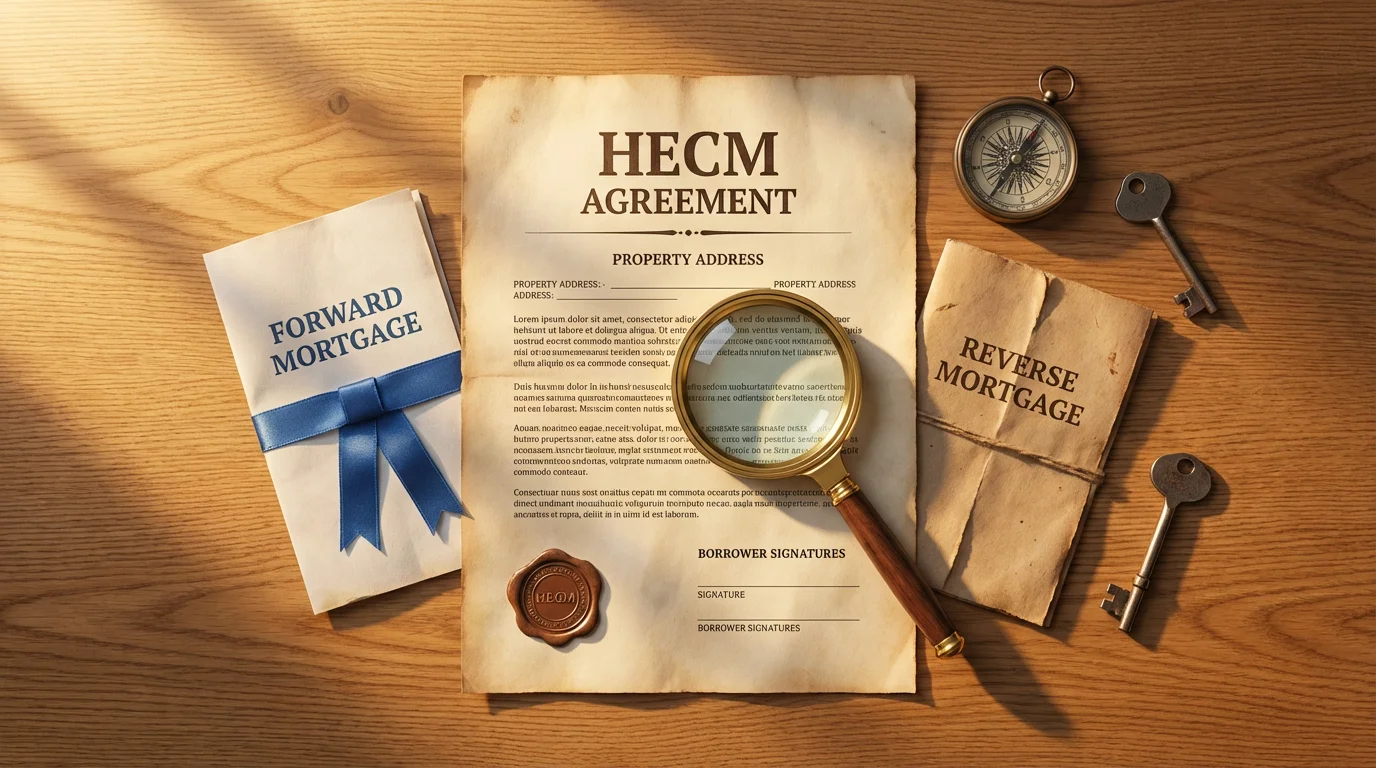
The most common type of reverse mortgage is the Home Equity Conversion Mortgage (HECM), insured by the Federal Housing Administration (FHA). HECMs comprise over 90% of all reverse mortgages in the United States, providing significant consumer protections and standardized terms. The Department of Housing and Urban Development (HUD) oversees the HECM program.
Beyond HECMs, you might encounter other types:
- Proprietary Reverse Mortgages: These are private loans offered by financial institutions and are not FHA-insured. They typically target homeowners with higher-value homes that exceed the HECM loan limits. Proprietary mortgages may offer different loan terms or higher loan amounts, but they do not carry the same federal protections as HECMs.
- Single-Purpose Reverse Mortgages: These are offered by some state and local government agencies or non-profit organizations. They are generally restricted to specific purposes, such as paying for property taxes, home repairs, or specific medical expenses. Eligibility requirements often vary by program and tend to be less flexible than HECMs.
For most homeowners exploring a reverse mortgage, the HECM stands as the primary option due to its federal backing and robust consumer safeguards. We focus largely on HECMs throughout this guide due to their prevalence and protections.

Accessing Your Home Equity: Payment Options
One of the appealing aspects of a reverse mortgage, particularly a HECM, is the flexibility it offers in receiving your funds. You can choose from several disbursement methods to best suit your financial strategy. Your choice affects how quickly you access funds and how long those funds might last.
Properly integrating these funds into a retirement budget ensures you manage the liquidity effectively over the long term.
Common payment options include:
- Lump Sum: You receive a single, large payment at closing. This option is often chosen by those needing a significant amount of cash immediately, such as to pay off an existing mortgage, perform major home renovations, or cover medical expenses. With a HECM, fixed-rate reverse mortgages only offer the lump sum payment option.
- Tenure Payments: You receive equal monthly payments for as long as you live in your home as your primary residence. This option provides a consistent stream of retirement income, offering predictability similar to an annuity.
- Term Payments: You receive equal monthly payments for a fixed period of your choosing, such as 10 or 15 years. This option works well if you need regular income for a set number of years, perhaps to bridge a gap until another income source begins.
- Line of Credit: You establish a line of credit and draw funds as needed, up to your approved limit. This option offers maximum flexibility, allowing you to access cash for emergencies, unexpected expenses, or to supplement income during specific periods. The unused portion of your credit line typically grows over time, increasing your available funds.
- Combination: You can combine a line of credit with either tenure or term payments. For instance, you might opt for a smaller monthly payment to cover basic expenses and keep a line of credit available for unexpected costs.
Carefully consider your financial needs and lifestyle when selecting a payment option. A financial advisor can help you model different scenarios and choose the best fit.

Is a Reverse Mortgage Safe? Consumer Protections and Safeguards
Many homeowners ask, “Is a reverse mortgage safe?” The answer for HECMs, in particular, is yes, largely due to federal oversight and built-in consumer protections. The FHA insures HECM loans, providing crucial safeguards for both borrowers and lenders.
Key protections include:
- Non-Recourse Feature: This is a critical protection. You or your heirs will never owe more than your home’s value when the loan becomes due. If the loan balance exceeds the home’s sale price, the FHA insurance covers the difference, protecting your estate from additional debt.
- Mandatory Counseling: Before applying for a HECM, you must complete a counseling session with an independent, HUD-approved counselor. This counselor educates you on the benefits, costs, and risks of a reverse mortgage, explores alternatives, and helps you understand the impact on your financial situation. This step ensures you make an informed decision. The Consumer Financial Protection Bureau provides extensive resources on this counseling requirement. You can learn more at the Consumer Financial Protection Bureau website.
- Lender Requirements: Lenders must follow strict guidelines regarding disclosure, advertising, and loan terms set by federal regulations. This transparency aims to prevent predatory lending practices.
- Protection Against Foreclosure: As long as you fulfill your loan obligations—paying property taxes, homeowners insurance, and maintaining the home—you cannot lose your home due to the reverse mortgage itself. Foreclosure only occurs if you default on these obligations or other loan terms.
These safeguards make HECMs a relatively secure option for accessing home equity in retirement. However, you must remain diligent in meeting your responsibilities as a homeowner.

Benefits of Utilizing a Reverse Mortgage in Retirement
A reverse mortgage offers several compelling benefits that can significantly enhance your financial security and lifestyle during retirement. Many seniors find this option valuable for specific financial goals.
If the responsibilities of ownership become too burdensome, some seniors find that renting in retirement offers a simpler alternative to leveraging equity.
Consider these advantages:
- Supplementing Retirement Income: A reverse mortgage can provide a steady stream of tax-free funds, supplementing Social Security, pensions, or investment withdrawals. This income can improve your cash flow and reduce reliance on depleting other retirement assets. According to the Social Security Administration, Social Security benefits provide crucial income, but a reverse mortgage can help bridge any gaps. You can explore your benefit options at ssa.gov.
- Eliminating Monthly Mortgage Payments: If you currently have a mortgage, you can use the reverse mortgage funds to pay it off, freeing up significant cash flow each month. You still pay property taxes and insurance, but the burden of a principal and interest payment disappears.
- Maintaining Homeownership: You retain ownership of your home and continue to live in it for as long as you wish, provided you meet the loan terms. This allows you to stay in a familiar environment and community, avoiding the disruption and cost of moving.
- Creating a Financial Safety Net: A reverse mortgage line of credit offers a flexible emergency fund for unexpected expenses, such as medical costs or home repairs. The unused portion of the line of credit typically grows, increasing your available funds over time.
- Delaying Social Security or Pension Claims: By using reverse mortgage funds, you might delay claiming Social Security benefits until age 70, thereby maximizing your monthly payout. Similarly, you could delay tapping into other retirement accounts, allowing them more time to grow.
- Funding Home Improvements: You can use the funds to make necessary modifications or repairs to your home, ensuring it remains safe and comfortable for your changing needs as you age.
These benefits highlight how a reverse mortgage can serve as a strategic tool in a comprehensive retirement plan, providing financial stability and peace of mind.

Understanding the Potential Risks and Costs
While a reverse mortgage offers significant advantages, you must also understand its potential risks and associated costs. A thorough evaluation of both sides helps you make a truly informed decision.
Key risks and costs include:
- Loan Balance Growth: The loan balance accrues interest over time, and this interest is added to the principal. This means the total amount owed increases, reducing the equity remaining in your home for your heirs. While you never owe more than the home’s value, less equity transfers to your estate.
- Fees and Closing Costs: Reverse mortgages come with various upfront costs, similar to a traditional mortgage. These can include origination fees, mortgage insurance premiums (for HECMs), appraisal fees, title insurance, and closing costs. These fees can reduce the net amount of cash you receive.
- Impact on Heirs’ Inheritance: Because the loan balance grows, less equity may remain in your home when the loan becomes due. Your heirs will need to repay the loan, often by selling the home or using other assets, if they wish to keep the property.
- Maintaining Homeowner Obligations: You remain responsible for property taxes, homeowners insurance, and home maintenance. Failing to keep up with these payments or allowing the home to fall into disrepair can lead to default and potential foreclosure, even with a reverse mortgage.
- Reduced Eligibility for Needs-Based Programs: The cash proceeds from a reverse mortgage might affect your eligibility for certain needs-based government benefits, such as Medicaid. It is crucial to consult with a financial advisor and elder law attorney to understand any potential impact on your specific situation.
- Interest Rate Risk (for adjustable-rate HECMs): If you choose an adjustable-rate HECM, the interest rate can fluctuate, potentially increasing the total loan balance more quickly.
- Becoming Undocumented: If your spouse is not on the loan and they are under 62, they could face challenges. Modern HECMs offer specific protections for non-borrowing spouses to remain in the home after the borrower’s death, but this requires careful planning and eligibility.
Carefully weigh these risks against the benefits, and seek professional advice to understand how they apply to your unique circumstances.

Eligibility and Application: What You Need to Know
Meeting the eligibility criteria and understanding the application process are your first practical steps toward securing a reverse mortgage. HECMs have specific federal requirements designed to protect both borrowers and the FHA insurance fund.
General eligibility requirements for a HECM include:
- Age Requirement: The youngest borrower on the loan must be at least 62 years old.
- Home Equity: You must own a significant amount of equity in your home. Often, this means your existing mortgage balance is low or you own the home outright.
- Primary Residence: The home must serve as your primary residence. You must occupy it for more than six months of the year.
- Property Type: Eligible properties include single-family homes, 2-4 unit properties (if you occupy one unit), FHA-approved condominiums, and manufactured homes that meet FHA requirements.
- Financial Assessment: Lenders conduct a financial assessment to ensure you have the financial capacity to continue paying property taxes, homeowners insurance, and maintaining the home.
- Mandatory Counseling: You must complete a counseling session with a HUD-approved reverse mortgage counselor. This vital step helps you understand the product thoroughly and explore alternatives before committing.
The application process typically involves these steps:
- Information Gathering: Research reverse mortgage options and lenders. Gather financial documents, including proof of age, property information, and existing mortgage statements.
- Counseling Session: Complete your mandatory HUD-approved counseling. This session typically costs a small fee.
- Application Submission: Choose a lender and submit your formal application with all required documentation.
- Appraisal and Underwriting: The lender orders an appraisal to determine your home’s value. Underwriters then review your financial assessment and all documentation.
- Closing: If approved, you attend the closing to sign all loan documents. Funds become available after a three-day rescission period.
The entire process can take several weeks or even a few months. Staying organized and proactive helps streamline your application.

Dispelling Common Myths About Reverse Mortgages
Misconceptions often surround reverse mortgages, deterring some homeowners from exploring a potentially valuable financial tool. Addressing these myths with facts helps you approach the decision with clarity.
Let’s debunk some common misunderstandings:
- Myth: The bank takes ownership of your home.
Fact: You retain full ownership and title to your home. The reverse mortgage is a loan secured by your home, not a sale. You stay on the deed, just as with a traditional mortgage. - Myth: You can be forced out of your home.
Fact: As long as you fulfill the loan terms—paying property taxes, homeowners insurance, and maintaining the property as your primary residence—you cannot be forced to leave. - Myth: Reverse mortgages are only for desperate people.
Fact: Many financially savvy seniors use reverse mortgages as a strategic retirement planning tool. It can diversify income sources, reduce portfolio risk, or create a line of credit for emergencies, providing enhanced financial flexibility. - Myth: Your heirs will inherit debt.
Fact: HECMs are non-recourse loans. Your heirs will never owe more than the home’s value. If the loan balance exceeds the home’s value, the FHA insurance covers the difference. Your heirs can choose to repay the loan and keep the home, or sell the home to satisfy the debt. - Myth: You can’t get a reverse mortgage if you still have a mortgage.
Fact: You can use a reverse mortgage to pay off your existing mortgage, which is a common use of the funds. The new reverse mortgage becomes the primary lien on your property.
Understanding these facts helps you see reverse mortgages for what they are: a financial product with specific rules, benefits, and considerations, not a mysterious or inherently dangerous option.
Frequently Asked Questions
What is the minimum age for a reverse mortgage?
The youngest borrower on the loan must be at least 62 years old to qualify for a Home Equity Conversion Mortgage (HECM), the most common type of reverse mortgage.
Do I have to make monthly payments with a reverse mortgage?
No, you do not make monthly principal and interest payments with a reverse mortgage. However, you remain responsible for paying your property taxes, homeowners insurance, and for maintaining the home.
Can my children inherit my home if I have a reverse mortgage?
Yes, your children can inherit your home. They will have a set period, typically up to 12 months, to either repay the reverse mortgage loan balance (or 95% of the appraised value, whichever is less) and keep the home, or sell the home to satisfy the loan. Because HECMs are non-recourse, your heirs never owe more than the home’s value.
What happens if my loan balance exceeds my home’s value?
If your HECM loan balance grows to exceed your home’s appraised value, you or your heirs will never owe more than the home is worth when the loan becomes due. The FHA’s mortgage insurance covers any shortfall, protecting your estate from additional debt.
Is reverse mortgage counseling mandatory?
Yes, for Home Equity Conversion Mortgages (HECMs), federal regulations mandate that you complete a counseling session with an independent, HUD-approved counselor before applying. This ensures you understand the product fully and explore alternatives.
Disclaimer: This article is for informational purposes only and does not constitute financial, legal, tax, or medical advice. Retirement planning involves complex decisions that depend on your individual circumstances. We strongly encourage readers to consult with qualified professionals—including financial advisors, attorneys, tax professionals, and healthcare providers—before making significant retirement decisions.








Leave a Reply