
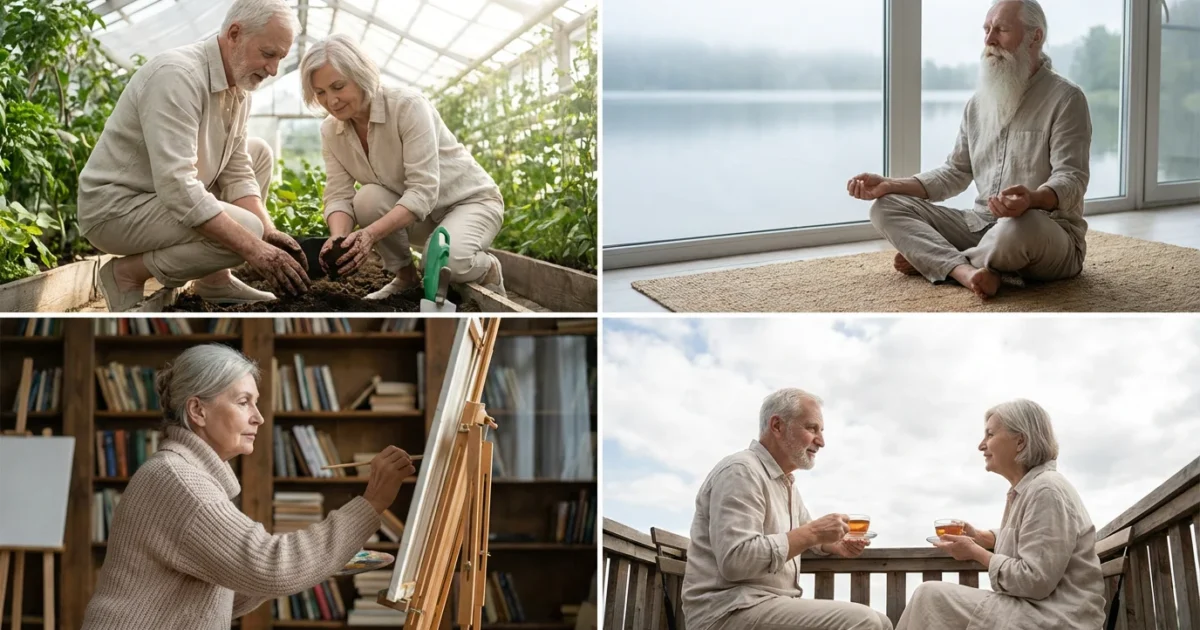
Retirement marks a profound transition, opening doors to new possibilities and unexpected challenges. Many envision this time as a golden era of relaxation and freedom, yet you might find yourself navigating stress, uncertainty, or a sense of lost purpose. This is where the practice of mindfulness offers a powerful antidote, providing you with tools to cultivate inner peace and a deeper appreciation for your present experiences.
A calm, present-focused mind also provides the clarity needed for managing your investments and securing your long-term financial future.
For those navigating empty nest syndrome alongside these changes, mindfulness can be a particularly helpful tool during the transition.
Mindfulness is not about escaping your thoughts or feelings. Instead, it involves intentionally paying attention to the present moment without judgment. This practice can transform your retirement years, helping you to embrace each day with clarity and calm. You gain the ability to manage stress more effectively, enhance your emotional well-being, and discover joy in the simple moments of life.
Understanding Mindfulness: More Than Just Buzzwords
Mindfulness is a state of active, open attention on the present. When you practice mindfulness, you observe your thoughts and feelings without judgment and acknowledge them without getting caught up in them. It means living in the moment and experiencing life as it unfolds, rather than dwelling on the past or worrying about the future.
Exploring your spiritual connection in retirement can further deepen the sense of peace found through consistent mindfulness.
For seniors, this practice holds particular relevance. Retirement often brings significant life changes, from adjustments in routine and social circles to shifts in identity and purpose. Senior mindfulness specifically addresses these transitions, providing a framework for you to navigate them with grace and resilience. It helps you embrace your current stage of life rather than resisting it.
Retirement meditation is a formal aspect of mindfulness training. Through regular meditation, you train your mind to focus and to return to the present moment when it wanders. This mental exercise builds your capacity for sustained attention and emotional regulation, qualities that greatly enhance your retirement experience.
“Retirement is not the end of the road. It is the beginning of the open highway.”
— Unknown
The Profound Benefits of Practicing Mindfulness in Retirement
Engaging in mindfulness and meditation offers a spectrum of tangible benefits that directly improve your quality of life in retirement. These advantages span mental, emotional, and even physical health, contributing to a more peaceful and fulfilling existence.
What are the benefits of meditation? Research consistently demonstrates that a regular mindfulness practice significantly reduces stress reduction. A study published by the National Institute on Aging, for example, highlights how mindfulness-based interventions can decrease psychological distress and improve mood among older adults. By focusing on the present, you interrupt the cycle of worry and rumination that often accompanies retirement transitions.
Beyond stress reduction, consider these specific benefits:
- Improved Emotional Regulation: You learn to observe your emotions without being overwhelmed by them. This allows for a more measured and constructive response to challenging situations, whether they involve family dynamics or health concerns.
- Enhanced Cognitive Function: Regular meditation can improve attention span, memory, and executive function. It provides a mental workout, helping to keep your brain sharp and agile as you age.
- Better Sleep Quality: Many retirees struggle with sleep disturbances. Mindfulness practices can quiet a busy mind before bed, promoting deeper and more restorative sleep.
- Greater Physical Well-being: While not a cure for physical ailments, mindfulness can alter your perception of pain and help you cope with chronic conditions. It fosters a stronger mind-body connection, encouraging healthier lifestyle choices.
- Increased Life Satisfaction: By cultivating a deeper appreciation for daily experiences, you find more joy in simple pleasures. This leads to a greater sense of contentment and purpose in your retirement years.
These benefits contribute to a richer retirement. You gain tools to handle life’s inevitable ups and downs with a steady mind and a calm heart.
Getting Started: Your First Steps into Mindfulness Meditation
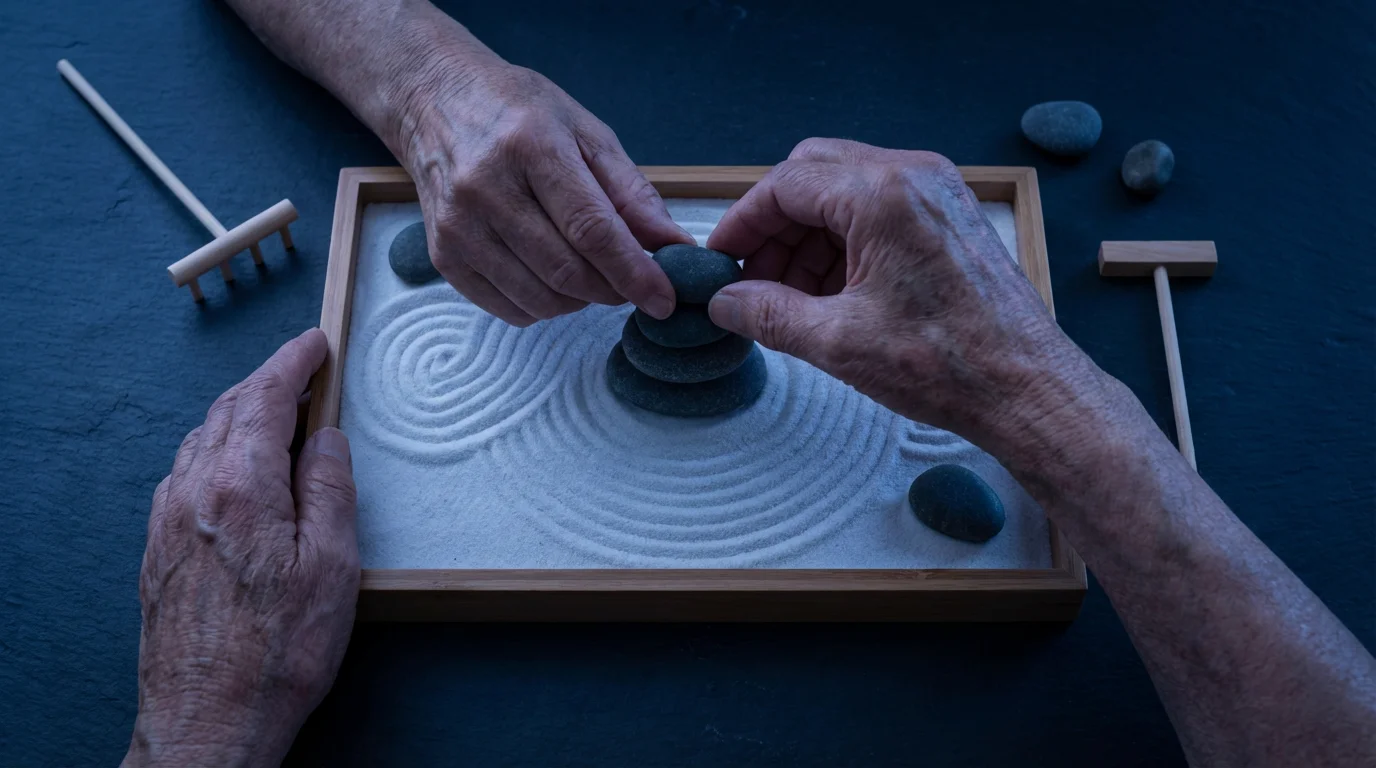
If you are wondering how to practice mindfulness in retirement, the good news is you do not need special equipment or extensive training. You can begin with simple, accessible techniques from the comfort of your home. Consistency matters more than duration when you start.
Here is a step-by-step guide to beginning a formal mindfulness meditation practice:
- Find a Quiet Space: Choose a time and place where you can sit undisturbed for 5-10 minutes. This might be a quiet corner in your living room, a peaceful spot on your patio, or a spare bedroom. Ensure you are comfortable, whether sitting on a cushion, a chair, or even lying down if needed.
- Adopt a Comfortable Posture: Sit with your back straight but relaxed. Rest your hands gently in your lap or on your knees. If you are in a chair, keep your feet flat on the floor. Close your eyes gently or keep a soft gaze downward.
- Focus on Your Breath: Bring your attention to the sensation of your breath. Feel the air entering and leaving your body. Notice the rise and fall of your abdomen or chest. You do not need to control your breath; simply observe its natural rhythm.
- Acknowledge Wandering Thoughts: Your mind will inevitably wander. This is normal. When you notice your thoughts drifting—to a grocery list, a past conversation, or a future appointment—gently acknowledge them without judgment. Then, redirect your attention back to your breath.
- Expand Your Awareness (Optional): After several minutes of focusing on your breath, you can slowly expand your awareness to include bodily sensations, sounds around you, or even feelings. Again, simply observe without labeling or judging.
- Gently Conclude: When you are ready, slowly open your eyes. Take a moment to notice how you feel before resuming your daily activities.
Start with 5-10 minutes each day. As you grow more comfortable, you can gradually increase the duration of your sessions. Remember, the goal is not to stop thinking, but to change your relationship with your thoughts.
Everyday Mindfulness: Integrating Peace into Your Routine
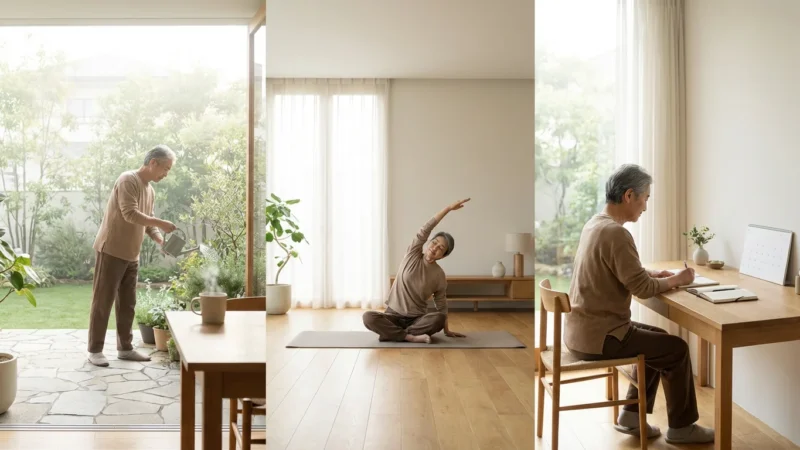
Mindfulness extends far beyond formal meditation sessions. You can infuse mindful awareness into many of your daily activities, transforming routine tasks into opportunities for peace and presence. This approach helps you maintain a sense of calm and focus throughout your day, even when you are not actively meditating.
Sharing your peace with others by giving back to your community creates a sense of purpose that complements internal reflection.
In addition to mindful walking, staying physically active through structured exercise can significantly boost your overall vitality.
Beyond routine chores, exploring artistic creative outlets can be a powerful extension of your daily mindfulness practice.
Consider these simple ways to practice mindfulness in retirement throughout your day:
- Mindful Eating: Before you eat, take a moment to observe your food. Notice its colors, textures, and aromas. Chew slowly, savoring each bite. Pay attention to the sensation of taste and the feeling of satiety. This practice enhances enjoyment and can also aid digestion.
- Mindful Walking: Whether you are strolling in a park or walking to your mailbox, pay attention to the act of walking. Feel your feet on the ground, notice the movement of your legs, and observe the sights and sounds around you. Let go of any destination-focused urgency.
- Mindful Listening: When you engage in conversations, truly listen to the other person without planning your response. Give them your full attention, absorbing their words and tone. This improves communication and deepens your connections.
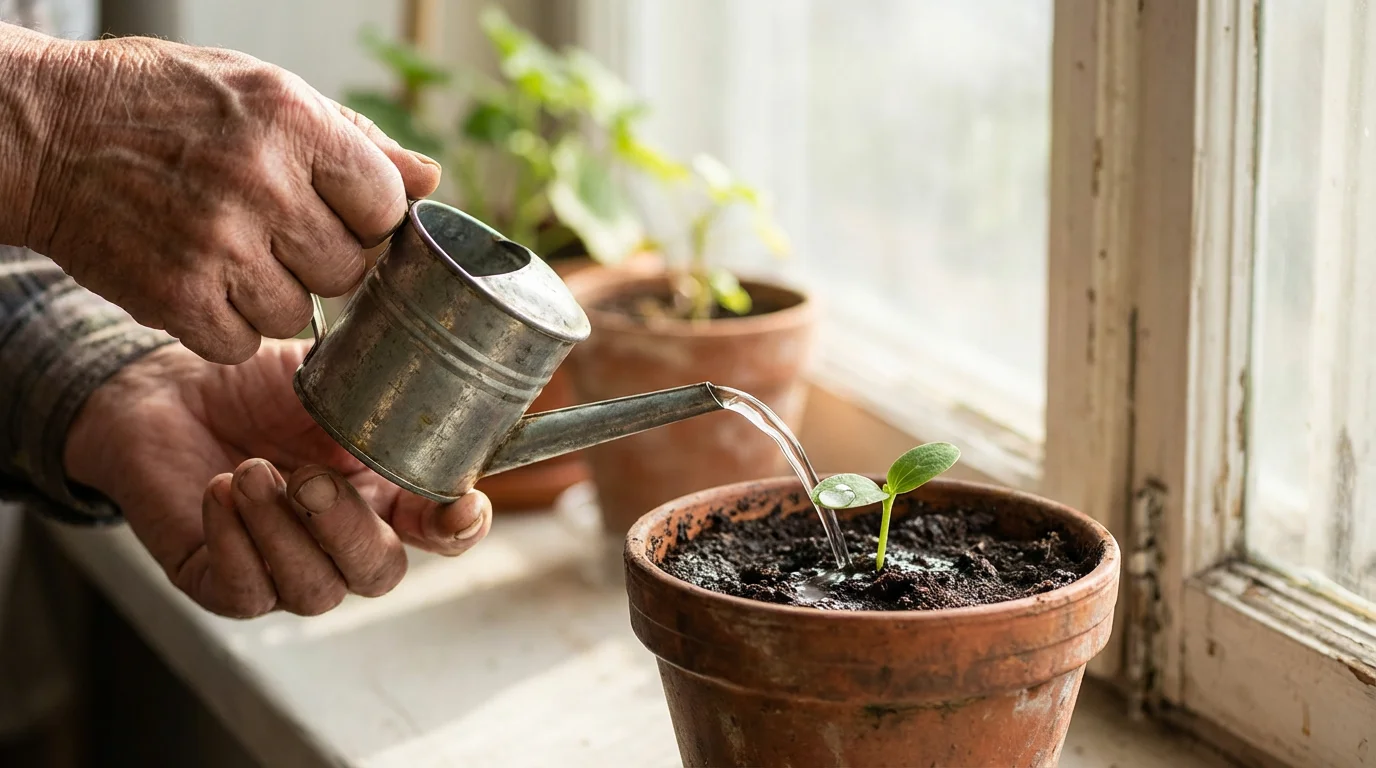
- Mindful Chores: Turn mundane tasks, such as washing dishes, gardening, or folding laundry, into mindful exercises. Focus on the sensations: the warmth of the water, the texture of the soil, the scent of fresh linen. Approach these tasks with gentle attention rather than rushing through them.
- Mindful Sensory Awareness: Take intentional moments to notice what you see, hear, smell, taste, and touch. Enjoy a cup of tea, appreciate the view from your window, or feel the sun on your skin. These small moments of awareness add richness to your day.
Integrating these practices helps you maintain a mindful state consistently. You develop a greater appreciation for the richness of your daily experiences, transforming ordinary moments into extraordinary ones.

Overcoming Common Challenges and Staying Consistent
As you embark on your mindfulness journey, you might encounter common obstacles that can test your commitment. It is important to recognize these challenges and equip yourself with strategies to navigate them successfully, ensuring a consistent and beneficial practice.
For more wisdom on navigating this stage of life, consider reading inspirational retirement literature that offers guidance on meaningful transitions.
Sometimes, external changes like finding a new home that better suits your lifestyle can reduce daily stressors and support a more peaceful life.
Many individuals, especially seniors new to the practice, report these difficulties:
- Distraction: Your mind will wander. This is not a failure of your practice; it is simply how the mind works. When you notice your thoughts straying, gently bring your attention back to your anchor, usually your breath. Do this without judgment, as many times as necessary. Each time you redirect your attention, you strengthen your “mindfulness muscle.”
- Impatience: You might expect immediate results or feel frustrated if you do not instantly achieve a state of deep calm. Mindfulness is a practice, not a destination. Celebrate small improvements, such as noticing your breath for a few seconds longer, rather than focusing on grand expectations.
- Physical Discomfort: Sitting still can be challenging, particularly if you have chronic pain or stiffness. Adjust your posture, use supportive cushions, or try gentle movement meditations. You can also meditate lying down if that is more comfortable. Prioritize comfort to sustain your practice.
- Self-Judgment: You might criticize yourself for having “too many” thoughts or for not doing it “right.” Mindfulness teaches self-compassion. Recognize that thoughts and feelings are temporary and do not define you. Treat yourself with the same kindness you would offer a friend.
- Lack of Time: Retirement often brings a new freedom, yet you might still feel busy. Even 5-10 minutes of daily practice yields significant benefits. Consider linking your meditation to an existing habit, such as after your morning coffee or before bed, to make it easier to remember.
Maintaining consistency is key to reaping the full benefits of mindfulness. Treat your practice like a non-negotiable appointment with yourself. Over time, you will find that the peace and clarity you cultivate during your practice naturally extend into the rest of your day, making these efforts deeply worthwhile.
Exploring Different Mindfulness Practices for Seniors
Mindfulness is not a one-size-fits-all approach. As a senior, you have unique needs and preferences, and you can explore a variety of practices to find what resonates most with you and accommodates your physical capabilities. This flexibility ensures that mindfulness remains an accessible and enjoyable part of your retirement lifestyle.
Consider these diverse avenues for cultivating senior mindfulness:
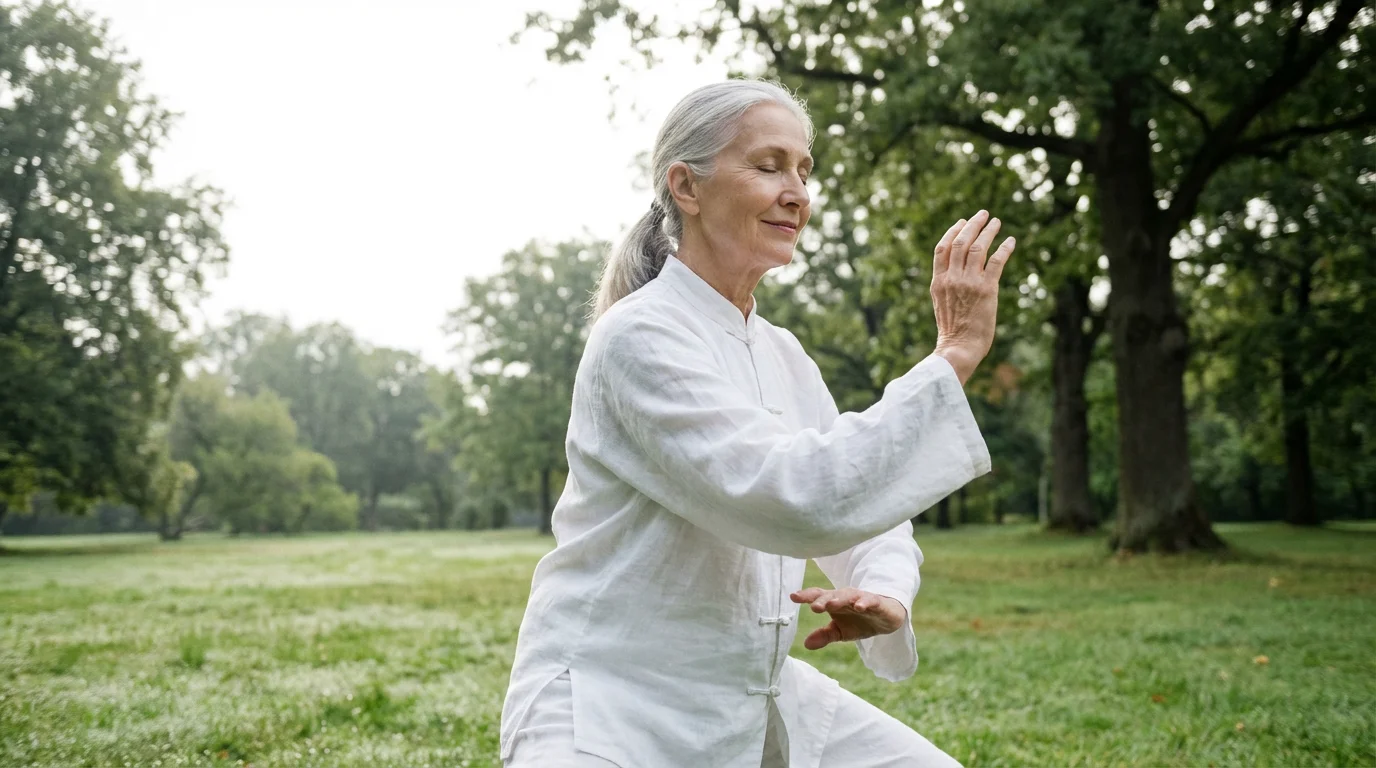
- Gentle Yoga and Tai Chi: These practices combine mindful movement with breath awareness. Gentle yoga, with modified poses, improves flexibility, balance, and strength while calming the mind. Tai chi, often described as “meditation in motion,” consists of slow, flowing movements that enhance coordination and reduce stress. Organizations like AARP often provide resources and classes for seniors interested in these practices, recognizing their holistic benefits for both body and mind.
- Nature Immersion: Spending time outdoors, whether in a park, garden, or by a body of water, offers a natural environment for mindfulness. Engage your senses: observe the colors of leaves, listen to birdsong, feel the breeze on your skin. This practice, sometimes called “forest bathing,” reduces stress and fosters a sense of connection to the natural world.
- Gratitude Journaling: Dedicate a few minutes each day to writing down things you are grateful for. This simple practice shifts your focus from what might be lacking to the abundance in your life. It cultivates a positive outlook and deepens your appreciation for everyday blessings.
- Mindful Art and Crafts: Engaging in creative activities, such as painting, drawing, knitting, or pottery, can be deeply mindful. The focus required for these tasks naturally anchors your attention to the present moment, much like meditation. It provides a sense of accomplishment and creative expression.
- Sound Baths and Guided Meditations: For those who prefer external guidance, sound baths (using instruments like singing bowls) or guided meditation apps and recordings can be immensely helpful. A qualified instructor or a well-produced recording can lead you through a mindfulness practice, making it easier to stay focused.
Experiment with different practices to discover what brings you the most peace and joy. The key is to find activities that genuinely engage your attention and allow you to be fully present.

Resources and Next Steps for Your Mindful Journey
Your journey into mindful retirement does not have to be a solitary one. Numerous resources exist to support your practice, deepen your understanding, and connect you with like-minded individuals. Leveraging these tools can significantly enhance your experience and help you sustain your commitment.
Consider these valuable resources and next steps:
- Mindfulness Apps: Many smartphone applications, such as Calm, Headspace, and Insight Timer, offer guided meditations, mindfulness exercises, and soothing sounds. They often provide introductory courses tailored for beginners and programs focused on specific goals, such as better sleep or stress management.
- Local Classes and Workshops: Check with community centers, senior centers, or local yoga studios for mindfulness or meditation classes specifically designed for seniors. Learning in a group setting provides motivation, support, and the opportunity to ask questions.
- Online Courses and Websites: Numerous reputable websites offer free and paid courses on mindfulness. Look for programs from well-established institutions or certified instructors. The National Institute on Aging, for example, often shares information on health and wellness practices, including those that foster mental well-being.
- Books and Audiobooks: Explore a wide array of books on mindfulness, covering topics from beginner guides to advanced philosophy. Audiobooks allow you to listen to teachings and guided practices while on the go or relaxing at home.
- Community and Peer Support Groups: Connecting with others who share an interest in mindfulness can be incredibly beneficial. These groups offer a space to share experiences, discuss challenges, and celebrate successes.
While mindfulness can bring profound personal growth and peace, it does not replace the need for comprehensive retirement planning in other areas. We strongly encourage you to consult with qualified professionals for major decisions. Financial advisors can help you manage your investments and income streams, ensuring your financial peace of mind. Legal experts can assist with estate planning and wills, providing security for your future. Healthcare providers can offer personalized advice on maintaining your physical health and managing any conditions. These consultations ensure a well-rounded and secure retirement, complementing your mindful practices.
Frequently Asked Questions
What is mindfulness and how does it relate to retirement?
Mindfulness is the practice of paying attention to the present moment without judgment. In retirement, it helps you navigate transitions, reduce stress, and find greater peace and purpose. It allows you to fully experience this new phase of life, rather than dwelling on the past or worrying about the future.
What are the primary benefits of meditation for seniors?
Retirement meditation offers numerous benefits, including stress reduction, improved emotional regulation, enhanced cognitive function, better sleep quality, and increased overall life satisfaction. It empowers you to respond calmly to challenges and appreciate daily joys.
How can I start practicing mindfulness if I am new to it?
Start with short, formal meditation sessions, focusing on your breath for 5-10 minutes daily in a quiet space. You can also integrate mindfulness into everyday activities like eating, walking, and listening. Gentle consistency is more important than long durations.
Can mindfulness help with common retirement challenges like loneliness or a loss of purpose?
Yes, mindfulness can significantly help. It teaches you to observe feelings of loneliness or lack of purpose without judgment, reducing their power over you. By focusing on the present, you can identify new interests, connect more deeply with others, and cultivate gratitude, which can naturally lead to a renewed sense of purpose.
Are there specific mindfulness practices suitable for seniors with physical limitations?
Absolutely. Many practices adapt to physical limitations. You can practice meditation while sitting in a chair or lying down. Gentle yoga or Tai Chi offer modified poses. Mindful nature walks can be done at any pace, and activities like gratitude journaling or mindful art are entirely sedentary. The focus is on mental presence, not physical exertion.
Disclaimer: This article is for informational purposes only and does not constitute financial, legal, tax, or medical advice. Retirement planning involves complex decisions that depend on your individual circumstances. We strongly encourage readers to consult with qualified professionals—including financial advisors, attorneys, tax professionals, and healthcare providers—before making significant retirement decisions.







Leave a Reply