

For many retirees, the dream of a vacation home represents the ultimate reward for years of hard work. Imagine waking up to ocean views, mountain air, or the serene quiet of a lakeside retreat. This vision promises relaxation, family gatherings, and a cherished escape from daily life. A retirement property can indeed offer immense joy and create lasting memories.
Before committing to a secondary property, many seniors consider relocating in retirement to find a permanent destination that checks all their boxes.
However, the romantic ideal often masks significant financial realities. Owning a second home involves much more than just the purchase price. Before you take the plunge, you need to understand the full spectrum of costs, responsibilities, and potential pitfalls. This article will help you navigate these complexities, offering a balanced perspective on whether a vacation home will truly enhance your retirement or become an unexpected financial burden.

The Allure of a Second Home in Retirement
A vacation home offers compelling emotional and lifestyle benefits. It provides a dedicated place for relaxation, where you can unwind without the stresses of travel planning or hotel bookings. Many retirees envision spending extended periods in their preferred destination, immersing themselves in local culture or pursuing hobbies like fishing, golfing, or gardening.
Alternatively, if you prefer a maintenance-free lifestyle surrounded by peers, evaluating retirement communities might be a better fit.
For retirees who crave constant change rather than a fixed getaway destination, exploring the concept of RV living in retirement might offer a more appealing path.
The prospect of creating a family legacy also drives many to consider a second home. A retirement property can become a cherished gathering spot for children and grandchildren, fostering intergenerational bonds and traditions. You can imagine years of holiday celebrations and summer vacations spent together, building invaluable memories in a special place.
Beyond personal enjoyment, some see a vacation home as an investment or a potential source of income. You might rent it out part-time to offset expenses or even generate profit. This dual potential, blending personal luxury with financial opportunity, makes the idea of a second home highly attractive for retirees.
“Retirement is not the end of the road. It is the beginning of the open highway.”
— Unknown

Unpacking the True Cost: Beyond the Purchase Price
While the dream of a vacation home sparkles, the reality demands a thorough financial examination. The sticker price of a retirement property is merely the entry point. You must budget for a comprehensive array of ongoing expenses that can quickly transform a luxury into a financial burden if left unplanned.
Gaining a clear outlook on the cost of retirement housing can prevent you from overextending your budget.
If your primary residence is currently tying up too much of your liquid capital, downsizing for retirement could be a smart strategic move to free up funds for a secondary property.
Here are the significant costs you must factor into your budget:
- Purchase Price and Closing Costs: This includes the sale price, agent fees, title insurance, legal fees, and loan origination fees if you finance. These upfront expenses can represent 2% to 5% of the home’s value, or even more.
- Property Taxes: These vary significantly by location and can change over time. Researching the specific tax rates for your desired area is crucial. Property taxes represent a substantial annual commitment, regardless of how much you use the home.
- Homeowners Insurance: Insuring a second home typically costs more than a primary residence. You might need specialized coverage for rentals, flood insurance if in a high-risk area, or hurricane/earthquake insurance depending on the region. These premiums can easily reach thousands of dollars annually.
- Maintenance and Repairs: Every home requires upkeep. This includes routine tasks like landscaping, pest control, and cleaning, plus unexpected repairs like a new roof, HVAC system, or plumbing issues. Budget at least 1% to 3% of the home’s value annually for maintenance. For a $500,000 home, this means $5,000 to $15,000 per year.
- Utilities: Even when vacant, a second home incurs utility costs for electricity, water, gas, internet, and waste removal. Keeping the thermostat at a minimal level to prevent pipes from freezing or to control humidity still consumes energy.
- Homeowners Association (HOA) Fees: If your vacation home is part of a community with shared amenities, expect monthly HOA fees. These cover communal maintenance, amenities like pools or clubhouses, and can increase over time.
- Furnishing and Equipping: Unless you plan to move your existing furniture, you will incur significant costs furnishing the second home. This includes furniture, appliances, kitchenware, linens, and decor.
- Travel Costs: Consider the expense and time involved in traveling to and from your vacation property. Flights, gas, and vehicle wear and tear add up, especially if you visit frequently.
- Opportunity Cost: The money tied up in your vacation home could otherwise be invested, potentially generating income or growth for your retirement portfolio. Analyze what returns you forgo by holding this asset instead.

Financing Your Retirement Property: Cash vs. Mortgage
Deciding how to pay for your second home is a critical financial decision in retirement. You generally have two main options: paying cash or securing a mortgage. Each comes with its own set of advantages and disadvantages for your retirement finances.
For those planning to fund their purchase by liquidating existing assets, selling your home in retirement successfully is a critical first step to maximize your available cash.
Remember that if buying a property feels too financially restrictive, renting in retirement in your favorite vacation destinations can offer incredible lifestyle flexibility without the burden of a mortgage.
Paying cash avoids interest payments entirely, preserving more of your capital over the long term. It also eliminates monthly mortgage payments, freeing up cash flow in your retirement budget. However, tying up a large sum of cash in real estate reduces your liquid assets and might prevent you from investing that money elsewhere for potentially higher returns. This also means fewer funds available for unexpected emergencies or other retirement goals.
Opting for a mortgage allows you to preserve your liquid assets, maintaining financial flexibility. You can invest the remaining capital in other areas that may offer growth. However, interest rates on second home mortgages are often higher than for primary residences, and lenders scrutinize your financial health more closely. You must ensure the monthly payments fit comfortably within your retirement income, considering property taxes and insurance.
Using funds from your retirement accounts, such as an IRA or 401(k), to purchase a vacation home should be approached with extreme caution. Taking early withdrawals can trigger significant income taxes and penalties, substantially diminishing your nest egg. Loans against a 401(k) come with repayment requirements and risks. Always consult a financial advisor to understand the full implications of using retirement funds for real estate purchases. The Consumer Financial Protection Bureau offers resources on understanding mortgages and homeownership decisions, which can be a valuable guide as you consider your options.

The Tax Implications of a Second Home
Understanding the tax landscape of a second home is crucial for retirees. Tax rules can significantly impact the overall cost and financial viability of your retirement property. The Internal Revenue Service (IRS) provides extensive guidance on these matters, and staying informed helps you maximize benefits and avoid penalties.
Furthermore, keeping an eye on how inflation impacts retirement savings is essential as property upkeep and taxes will likely rise over time.
Failing to account for these subtle tax rules is one of the common retirement planning mistakes that can quickly drain your long-term savings.
You may deduct mortgage interest for a second home, similar to a primary residence, up to certain limits. However, the deduction for state and local taxes (SALT) including property taxes, is capped at $10,000 per household annually, a limit that impacts many homeowners. These deductions can help offset some costs, but they often do not cover the full extent of your expenses.
If you rent out your vacation home, additional tax rules apply. The “14-day rule” allows you to rent your property for up to 14 days per year without reporting the rental income, provided you also use it personally for at least 14 days or 10% of the rental days, whichever is greater. Renting for longer periods means you must report the income and can deduct related expenses, including depreciation. However, this also introduces complexities regarding passive activity loss rules and self-employment taxes, depending on the level of your involvement. Consult IRS Publication 527, Residential Rental Property, for detailed information.
When you eventually sell your vacation home, you may face capital gains taxes on any appreciation. Unlike a primary residence, the significant capital gains exclusion available to primary homeowners generally does not apply to a second home. This means you could owe a substantial tax bill on your profit. Planning for this future liability helps you avoid unwelcome surprises down the road.
Managing Your Vacation Home: Practicalities and Challenges
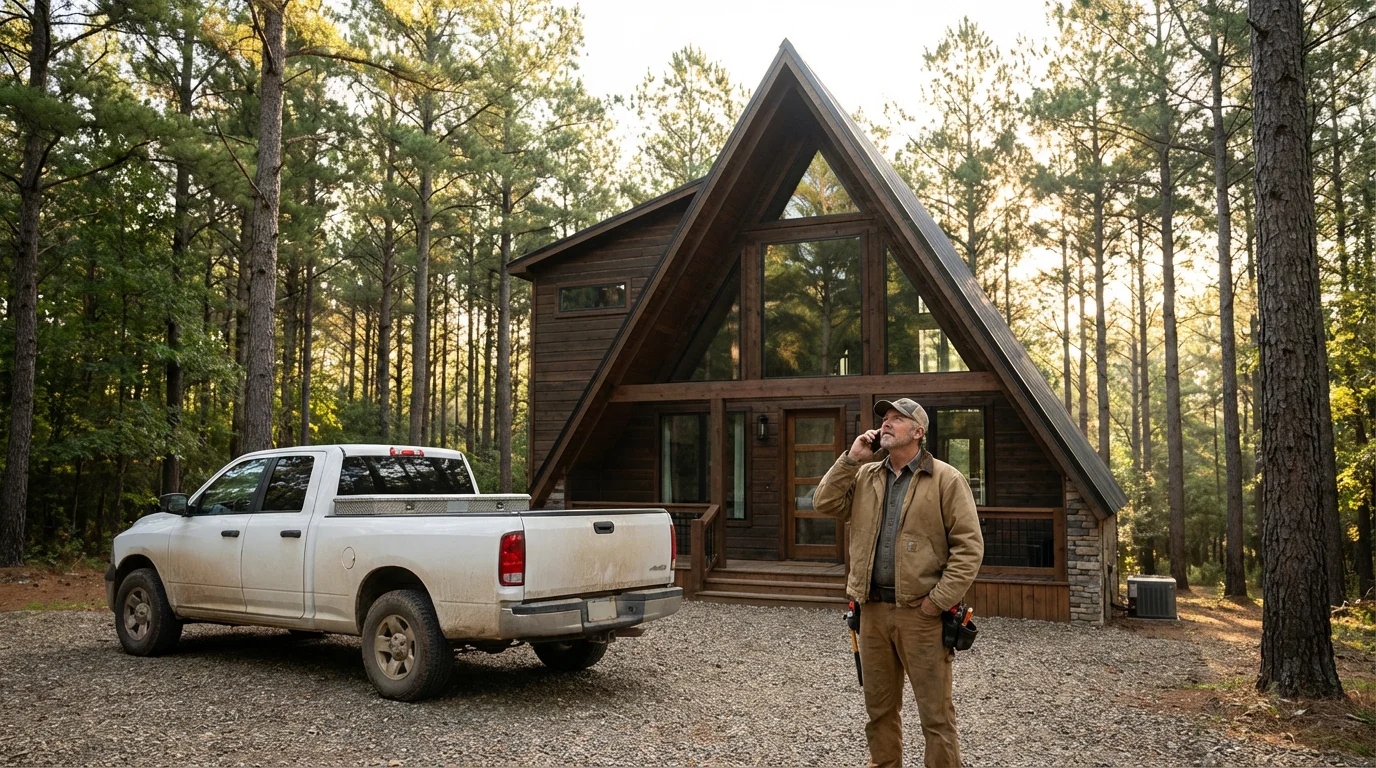
Beyond the financial considerations, the practical aspects of managing a second home demand your attention. A vacation home often requires more time and effort than you initially anticipate. Understanding these challenges helps you make an informed decision and plan accordingly.
If you decide to customize your new property, planning ahead for retirement home improvements can significantly boost both your comfort and the property’s value.
Managing a property from a distance presents its own set of difficulties. You need reliable contacts for repairs, maintenance, and emergencies. Finding trustworthy contractors for plumbing, electrical work, or general upkeep can be challenging, especially if you are not regularly present. Unexpected issues, such as a burst pipe or a power outage, require immediate attention, which can be difficult to coordinate remotely.
Many retirees choose to hire a local property manager to handle these responsibilities. A good property manager can oversee maintenance, coordinate repairs, manage rentals if applicable, and conduct regular checks on the property. This service comes at a cost, typically 10% to 20% of rental income or a flat monthly fee, adding another line item to your budget for how do I manage vacation home expenses.
Consider these practical challenges:
- Remote Oversight: How will you monitor the property when you are not there? Security systems, smart home technology, and reliable neighbors become invaluable.
- Routine Upkeep: Landscaping, pool maintenance, and general cleaning need continuous attention. Do you have local service providers you trust?
- Emergency Response: Who will respond if a tree falls, a pipe leaks, or a break-in occurs? A local contact or property manager is essential.
- Wear and Tear: Whether from your own use, guests, or renters, homes experience wear. Budget for regular refreshing of interiors and exteriors.
- Time Commitment: Even with a manager, you will dedicate time to planning, budgeting, and communicating about the property.

Generating Income: Renting Out Your Second Home
Many retirees consider renting out their second home to offset expenses or even generate a profit. This strategy can be effective, but it comes with its own set of considerations and demands. Careful planning helps you maximize potential income while minimizing headaches.
You must decide between short-term rentals, like those offered through vacation rental platforms, or longer-term leases. Short-term rentals typically yield higher nightly rates but involve more frequent cleaning, guest turnover, and marketing efforts. Long-term rentals offer more stability and less administrative burden but usually command lower monthly income.
Local regulations significantly impact your ability to rent out a retirement property. Many cities and counties have strict zoning laws, permitting requirements, and tax obligations for short-term rentals. You might face limitations on the number of days you can rent, mandatory licenses, or special occupancy taxes. Failure to comply can result in hefty fines.
Consider these points if you plan to rent out your vacation home:
- Time Commitment: Managing bookings, guest inquiries, cleaning services, and maintenance for rentals can be time-consuming.
- Property Management: Will you handle it yourself or hire a professional? A good property manager streamlines operations but reduces your net income.
- Insurance Implications: Your standard homeowners policy might not cover damages or liabilities related to rental activity. You might need landlord insurance or specialized short-term rental coverage.
- Impact on Personal Use: High demand for rentals can reduce the availability of your home for your own enjoyment or family use.
- Tenant Screening: For long-term rentals, thorough tenant screening is vital to protect your investment.

Assessing the Risks: What Could Go Wrong?
While the benefits of a vacation home are appealing, ignoring the potential downsides would be unwise. A thorough understanding of what are the risks owning second home empowers you to make a more resilient financial plan. These risks can turn a dream into a significant financial and emotional burden.
One major risk is a downturn in the real estate market. Property values can decline, potentially leaving you with an asset worth less than you paid. If you need to sell quickly due to unforeseen circumstances, you might face a loss. A second home is also an illiquid asset, meaning converting it to cash can take time, especially in a slow market.
Unexpected and significant repairs pose another substantial risk. A natural disaster, like a hurricane or flood, could cause extensive damage not fully covered by insurance. Major system failures, such as a collapsed septic system or a failing foundation, can cost tens of thousands of dollars to repair. These unforeseen expenses can quickly deplete retirement savings and cause significant stress.
For those relying on rental income, economic downturns or increased competition can lead to lower occupancy rates or reduced rental prices. This directly impacts your ability to cover the property’s expenses. Dealing with difficult tenants, property damage, or legal disputes related to rentals also adds stress and costs.
Ultimately, a second home can add complexity rather than relaxation to your retirement. Managing a distant property, dealing with repairs, and navigating rental challenges can consume time and energy you intended to dedicate to leisure. This can detract from the very quality of life you hoped the vacation home would provide.

Is a Vacation Home Right for You? Key Considerations
Deciding whether a vacation home aligns with your retirement goals requires an honest assessment of your financial situation, lifestyle preferences, and risk tolerance. It is a decision that impacts not just your wallet, but your entire retirement experience. Consider these questions carefully before moving forward.
First, evaluate your overall financial health. Do you have ample retirement savings to cover all your essential living expenses, plus the additional costs of a second home, without impacting your financial security? Do you have an emergency fund specifically for the vacation property? Many financial advisors recommend having at least one to two years’ worth of a second home’s expenses in liquid savings.
Next, consider your lifestyle goals. How much time do you realistically plan to spend at the vacation home each year? If your visits are infrequent, renting a vacation property for a few weeks might be a more cost-effective and flexible option than ownership. Think about how your travel habits might change over time, especially as you age or if health concerns arise.
Finally, weigh the time and emotional commitment involved. Are you prepared for the responsibilities of property management, even with assistance? Does the idea of unexpected repairs and ongoing maintenance fill you with excitement or dread? A vacation home should enhance your retirement, not become a source of anxiety.
Ask yourself these critical questions:
- Can my budget comfortably absorb all second home expenses, including unexpected repairs, without jeopardizing my primary retirement goals?
- How often will I realistically use the property each year? Does this frequency justify the significant investment?
- Am I prepared for the time and effort involved in maintenance and management, even with professional help?
- Does this purchase align with my long-term legacy plans and potential future needs?
- Have I explored alternatives, such as extended rentals or fractional ownership, that might offer similar benefits with fewer burdens?

Making an Informed Decision: Consult the Experts
Purchasing a vacation home in retirement represents a major financial and lifestyle commitment. Making the right choice requires thorough due diligence and expert guidance. Do not rely solely on your own research; professionals offer invaluable insights tailored to your specific situation.
A qualified financial advisor can help you assess the impact of a second home on your overall retirement plan. They will analyze your cash flow, investment portfolio, and long-term financial security, ensuring the purchase fits within your means. They can also help you understand the opportunity cost of investing in real estate versus other assets.
Engage a real estate agent specializing in second home markets. They understand local property values, rental potential, and unique market conditions. An experienced agent can guide you through negotiations and help you avoid common pitfalls. A real estate attorney will review all contracts and ensure your interests are protected throughout the buying process.
Finally, consult a tax professional. They can explain the specific tax implications of owning a second home, including deductions, rental income rules, and capital gains taxes. Their advice helps you optimize your financial planning and comply with all tax regulations. Remember, these decisions have long-lasting consequences, and professional advice is an investment in your peace of mind.
Frequently Asked Questions
Can I use a reverse mortgage to buy a second home in retirement?
No, you cannot use a reverse mortgage to purchase a second home. Reverse mortgages are designed for your primary residence, allowing homeowners aged 62 and older to convert part of their home equity into cash while retaining ownership. The property must be your principal residence.
What if I want to turn my vacation home into my primary residence later?
You can certainly change your second home into your primary residence. This reclassification can have significant tax implications, especially regarding the capital gains exclusion when you eventually sell the property. Consult a tax professional to understand how this change affects your tax situation and to plan accordingly.
Is it better to buy a vacation home outright or get a mortgage?
The best option depends on your financial situation and risk tolerance. Paying cash eliminates interest payments and mortgage debt, but ties up significant capital. A mortgage preserves liquidity but incurs interest costs and monthly payments. Analyze your cash flow, investment alternatives, and desire for financial flexibility with a financial advisor to determine the optimal approach for you.
How do I manage the ongoing expenses of a vacation home while on a fixed income?
Managing expenses on a fixed income requires meticulous budgeting and careful planning. You might consider renting the property for a portion of the year to generate income. Additionally, build a dedicated savings fund for maintenance and unexpected repairs. Prioritize expenses, and regularly review your budget to ensure the vacation home remains financially sustainable. Professional financial guidance can help you create a robust expense management plan.
What are the implications of passing a vacation home on to my heirs?
Passing a vacation home to heirs involves several considerations, including estate taxes, property taxes, and potential capital gains for the inheritors. Estate planning documents, such as a will or trust, specify how the property should be distributed. Consult an estate planning attorney to understand the most tax-efficient way to transfer ownership and minimize potential burdens on your heirs.
Disclaimer: This article is for informational purposes only and does not constitute financial, legal, tax, or medical advice. Retirement planning involves complex decisions that depend on your individual circumstances. We strongly encourage readers to consult with qualified professionals—including financial advisors, attorneys, tax professionals, and healthcare providers—before making significant retirement decisions.









Leave a Reply