
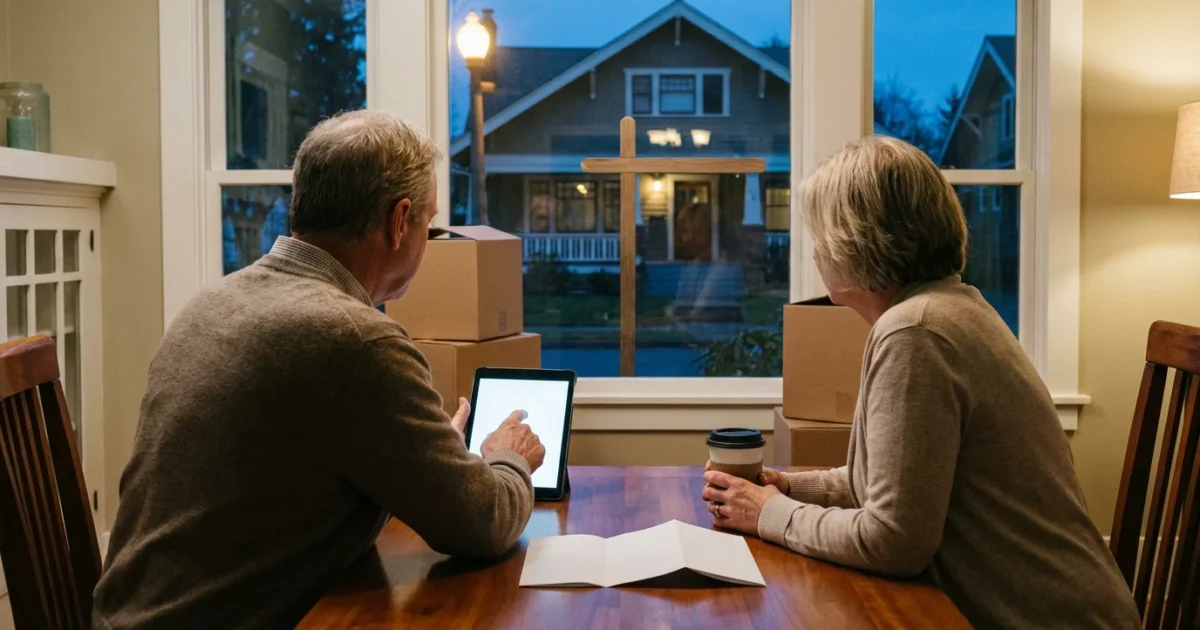
Selling your home in retirement represents a significant life decision, impacting your finances, lifestyle, and future plans. For many retirees, their home is their largest asset, and strategically selling it can unlock substantial capital. You want to maximize your return on this important asset, whether you are downsizing, relocating, or simply re-evaluating your living situation.
While selling is a popular way to unlock value, some homeowners choose to remain in their residence by exploring reverse mortgages instead.
This guide provides practical, actionable insights to help you navigate the process of a retirement sale. We cover everything from initial planning and market timing to preparing your home for sale and understanding the financial implications. Our goal is to empower you with the knowledge needed to make informed choices.

Assessing Your Reasons for a Retirement Sale
Your decision to sell your home in retirement often stems from various personal and financial motivations. Clearly defining these reasons helps shape your selling strategy and subsequent housing choices. Understanding your goals is the first step toward a successful retirement sale.
Before deciding to move, it is worth comparing the costs of selling against the investment required for aging in place through strategic home modifications.
Consider the primary drivers behind your desire to move. Are you seeking to reduce living expenses, simplify your lifestyle, or move closer to family? Each motivation carries different implications for your timeline and desired outcome.
Common reasons for selling a home in retirement include:
- Downsizing: Many retirees find their current home too large to maintain, leading to higher utility costs and property taxes. A smaller home can significantly reduce ongoing expenses.
- Relocation: Moving to a warmer climate, a lower cost-of-living area, or closer to grandchildren often prompts a home sale. This allows you to align your living situation with your retirement lifestyle goals.
- Accessing Equity: Your home likely holds substantial equity, which you can convert into liquid assets by selling. This capital can supplement retirement income, fund travel, or cover healthcare costs.
- Reducing Maintenance Burdens: Older homes often require more upkeep, which can become physically demanding and costly in retirement. Selling can free you from these responsibilities.
- Lifestyle Change: Moving into a 55+ community, an assisted living facility, or a multi-generational household can necessitate selling your current residence. These changes are often driven by evolving needs or preferences.
Identify which of these reasons resonate most with your situation. This clarity will guide your subsequent decisions, from the type of new home you seek to the urgency of your sale.

Timing Your Retirement Sale: Market Conditions and Personal Readiness
Deciding when to sell your home is a critical factor in maximizing your return. You must balance current real estate market conditions with your personal readiness and financial timeline. A well-timed sale can significantly impact the proceeds you receive.
Evaluating Real Estate Market Conditions
The real estate market is dynamic, influenced by interest rates, inventory levels, and economic forecasts. To determine what is the best time sell home, analyze local market trends. A seller’s market, characterized by low inventory and high demand, typically yields higher sale prices and quicker transactions. Conversely, a buyer’s market may require more patience and strategic pricing.
Consider these market indicators:
- Interest Rates: Lower interest rates generally increase buyer affordability, boosting demand and potentially home prices. Higher rates can slow the market.
- Inventory Levels: Fewer homes on the market mean more competition among buyers, often driving prices up. A surplus of homes can lead to longer selling times and price reductions.
- Economic Forecasts: A strong local economy, with job growth and increasing wages, typically supports a robust housing market. Pay attention to regional economic news.
- Seasonal Trends: Many markets experience peak selling seasons, often in spring and early summer, when buyers are more active. While you can sell at any time, understanding seasonal patterns can inform your strategy.
Consult with a local real estate agent who possesses deep market knowledge. They can provide data-driven insights on current conditions in your specific area.
Assessing Your Personal Readiness
Beyond market conditions, your personal circumstances play a crucial role in timing your retirement sale. Your financial needs, alternative housing plans, and emotional readiness all contribute to the optimal timeline. Do not rush into a sale without a clear plan for your next steps.
Consider these aspects of personal readiness:
- Financial Needs: Do you need the proceeds from your home sale to fund your retirement, or do you have alternative financial resources? Your urgency directly affects your pricing strategy.
- New Living Arrangements: Have you secured or planned for your next residence? Moving to a new home before selling your current one offers flexibility, but selling first can simplify financial planning.
- Emotional Preparedness: Selling a long-term family home involves emotional considerations. Ensure you feel ready to part with memories and transition to a new chapter.
- Logistical Preparedness: Can you manage the tasks involved in preparing your home for sale, such as decluttering, repairs, and staging? If not, factor in time and resources for assistance.
“The question isn’t at what age I want to retire, it’s at what income.” — George Foreman
This sentiment applies to your home sale: it’s not just about when you sell, but how the proceeds support your desired retirement income and lifestyle. Plan strategically.

Preparing Your Home for Sale: Maximizing Appeal and Value
Preparing your home for sale is essential for maximizing its appeal and market value. Small investments in time and resources can lead to a significantly higher return on your retirement sale. Focus on enhancing curb appeal, decluttering, making necessary repairs, and staging your property effectively. This process is crucial for anyone wondering how do I prepare my home for sale.
Enhancing Curb Appeal
First impressions are vital. Buyers often form an initial opinion before even stepping inside. Invest time in making the exterior of your home inviting.
Key steps for curb appeal:
- Landscaping: Trim bushes, mow the lawn, weed gardens, and plant fresh flowers. A tidy garden signals a well-maintained home.
- Exterior Cleaning: Power wash your siding, walkways, and driveway. Clean windows and gutters.
- Front Door Update: Consider a fresh coat of paint on your front door or replacing old hardware. This creates a welcoming entrance.
- Minor Repairs: Fix any loose railings, broken fence pickets, or damaged exterior lights. Address these small details before showings begin.
Decluttering and Depersonalizing
Buyers need to envision themselves living in your home. Excessive personal items and clutter distract from the property’s features. This step is often the most challenging but also the most impactful.
Follow these decluttering guidelines:
- Remove Personal Items: Pack away family photos, unique decor, and memorabilia. Store them off-site if possible.
- Clear Surfaces: Keep countertops, tables, and shelves clear of unnecessary items. Aim for minimalist styling.
- Organize Closets and Cabinets: Buyers will look inside. Neatly organized spaces suggest ample storage.
- Minimize Furniture: Remove excess furniture to make rooms appear larger and more open. Consider renting a storage unit for items you do not immediately need.
Making Necessary Repairs and Updates
Address any deferred maintenance issues before listing your home. While you do not need to undertake major renovations, fixing obvious flaws can prevent buyers from lowballing offers or walking away. Buyers often overestimate the cost of repairs, so taking care of them upfront can save you money.
Focus on these areas:
- Minor Plumbing Issues: Fix leaky faucets, running toilets, and ensure good water pressure.
- Electrical Updates: Replace non-working light fixtures, cracked outlet covers, and ensure all switches function.
- Paint: A fresh coat of neutral paint can brighten rooms and make them feel clean and updated. White, gray, or beige tones are generally safest.
- Flooring: Clean carpets thoroughly, or consider replacing worn-out sections. Ensure hardwood floors are polished and free of damage.
- Appliances: Ensure all existing appliances are in good working order. Address any minor repairs if necessary.
Staging Your Home
Staging is the art of preparing your home to highlight its best features and create an inviting atmosphere. Professional staging can significantly increase perceived value and reduce time on the market. If professional staging is not feasible, implement some DIY strategies.
Staging tips:
- Cleanliness: A sparkling clean home is non-negotiable. Hire professional cleaners if needed.
- Lighting: Open blinds and curtains to let in natural light. Ensure all light bulbs are working and use higher wattage bulbs where appropriate.
- Aromas: Avoid strong odors from pets or cooking. Use subtle, fresh scents.
- Flow: Arrange furniture to create an easy flow through each room. Ensure pathways are clear.
- Kitchen and Bathrooms: These rooms often sell homes. Ensure they are pristine, with fresh towels and minimal personal items.
Remember, your goal is to present a move-in ready home that appeals to a wide range of buyers. This proactive approach leads to a more profitable retirement sale.

Choosing Your Real Estate Professional
Selecting the right real estate agent is paramount for a successful retirement sale. An experienced and trustworthy agent serves as your advocate, guiding you through every step of the process. Their expertise can help you maximize your return and navigate complexities.
Selecting an agent who doesn’t specialize in senior relocations is one of the 7 common retirement planning mistakes that can lead to unnecessary stress during the transition.
Qualities of an Effective Agent
Look for an agent with specific characteristics and skills. Your agent should possess strong market knowledge, excellent communication skills, and a proven track record. They become your primary resource for everything related to real estate.
Consider these key qualities:
- Local Market Expertise: They should have in-depth knowledge of your neighborhood’s specific market trends, pricing, and buyer demographics.
- Experience with Senior Clients: An agent familiar with the unique needs and concerns of retirees can offer more tailored advice.
- Strong Communication: They should be accessible, responsive, and clear in their explanations. You need someone who keeps you informed.
- Negotiation Skills: A skilled negotiator can secure the best possible price and terms for your home.
- Marketing Prowess: They should have a comprehensive marketing plan, including professional photography, online listings, and potentially open houses.
- Reputation and References: Check online reviews and ask for references from past clients. A good reputation speaks volumes.
Interviewing Potential Agents
Do not settle for the first agent you meet. Interview at least three different professionals to compare their approaches, fees, and personalities. Prepare a list of questions to ask each candidate.
Questions to ask a potential agent:
- How long have you been a real estate agent in this area?
- What is your specific strategy for selling homes like mine in the current market?
- What is your suggested listing price, and how did you arrive at that figure? Provide comparable sales data.
- What marketing strategies do you employ, including online and offline efforts?
- What are your commission rates and any other fees?
- How often will you communicate with me, and through what channels?
- Can you provide references from recent clients, particularly those who have sold in retirement?
Choose an agent you feel comfortable with and trust to represent your best interests. This partnership is vital for a smooth and profitable transaction.

Navigating the Selling Process: Offers, Negotiations, and Closing
Once your home is listed, you will enter the active selling phase, which includes receiving offers, negotiating terms, and ultimately closing the sale. This part of the retirement sale requires clear decision-making and your agent’s expertise. Staying informed and prepared helps minimize stress.
Receiving and Evaluating Offers
When a buyer submits an offer, it includes the proposed purchase price, contingencies, and a closing timeline. Do not evaluate offers solely on the purchase price. Consider the entire package.
Key aspects of an offer:
- Purchase Price: The amount the buyer is willing to pay.
- Contingencies: Conditions that must be met for the sale to proceed. Common contingencies include home inspection, appraisal, and financing. Fewer contingencies often make an offer stronger.
- Earnest Money Deposit: A deposit showing the buyer’s commitment.
- Closing Date: The proposed date for the transfer of ownership. Ensure this aligns with your moving plans.
- Inclusions/Exclusions: What items are included or excluded from the sale (e.g., appliances, window treatments).
Your agent will help you understand the nuances of each offer and its potential impact.
Negotiating the Sale
Negotiation is a crucial step where you and the buyer reach mutually acceptable terms. You might receive a full-price offer, but more often, there is some back-and-forth. This is where your agent’s skills truly shine.
Negotiation strategies:
- Counteroffers: If an offer is not satisfactory, you can issue a counteroffer, proposing changes to price, closing date, or contingencies.
- Addressing Contingencies: Be prepared to negotiate repairs requested after a home inspection. Your agent can advise on what repairs are reasonable versus excessive.
- Flexibility: Being flexible on minor points, such as the closing date, can sometimes secure a better overall deal.
The goal is to agree on terms that benefit you while ensuring the buyer remains engaged.
The Closing Process
Once an offer is accepted, the sale moves into the closing phase. This period involves various administrative and legal steps to finalize the transaction. While your agent manages many aspects, you will have specific responsibilities.
Typical steps in the closing process:
- Attorney Review: In some states, attorneys review the contract to ensure all legal requirements are met.
- Home Inspection: The buyer typically hires an inspector. Be prepared for potential repair requests.
- Appraisal: The buyer’s lender orders an appraisal to ensure the home’s value supports the loan amount.
- Title Search: A title company confirms legal ownership and ensures there are no liens or claims against the property.
- Loan Underwriting: The buyer’s lender finalizes their mortgage approval.
- Final Walk-Through: The buyer inspects the home one last time before closing.
- Signing Documents: On closing day, you sign numerous legal documents transferring ownership and receiving your proceeds.
This detailed process can feel overwhelming, but your real estate agent and legal professionals will guide you.

Understanding the Financial Implications of Selling
Selling your home in retirement has significant financial implications beyond simply receiving cash from the sale. You must account for selling costs, potential capital gains taxes, and how the proceeds integrate into your overall retirement plan. A clear understanding of these factors helps you make informed decisions and maximize your net return.
Estimating Selling Costs
Various expenses reduce your net proceeds. Factor these into your financial projections.
Common selling costs include:
- Real Estate Agent Commissions: Typically 5-6% of the sale price, often split between the buyer’s and seller’s agents.
- Closing Costs: These can include title insurance, escrow fees, transfer taxes, attorney fees, and recording fees. They usually range from 1-3% of the sale price.
- Repair and Staging Costs: Expenses incurred to prepare your home for sale, as discussed earlier.
- Prorated Property Taxes and HOA Fees: You might owe a portion of these up to the closing date.
- Mortgage Payoff: The remaining balance on your existing mortgage, if any, will be paid from the sale proceeds.
Request an estimated seller net sheet from your agent to get a clearer picture of your potential proceeds after all expenses.
Capital Gains Taxes
For many retirees, capital gains taxes on a home sale are a major concern. Fortunately, the IRS offers a significant exclusion for gains from the sale of a primary residence. You generally do not owe tax on the first $250,000 of gain ($500,000 for married couples filing jointly) if you meet certain criteria.
To qualify for the exclusion:
- Ownership Test: You must have owned the home for at least two of the five years preceding the sale.
- Use Test: You must have lived in the home as your main residence for at least two of the five years preceding the sale.
- Look-Back Period: You cannot have used the exclusion for another home sale within the two years prior to the current sale.
Keep meticulous records of your home’s original purchase price and any capital improvements. These records increase your “cost basis,” which reduces your taxable gain. Consult with a tax professional or financial advisor to understand your specific tax situation and plan accordingly. The IRS Retirement site offers resources, but individualized advice is always best.
Integrating Proceeds into Your Retirement Plan
The funds from your home sale can significantly impact your retirement finances. Decide how you will use these proceeds to support your long-term goals.
Consider these uses for your home sale proceeds:
- Investing: Place funds into a diversified investment portfolio to generate income and growth.
- Debt Reduction: Pay off high-interest debts, such as credit card balances or outstanding loans, to improve your cash flow.
- New Home Purchase: Use the funds for a down payment or to purchase a new home outright, potentially reducing or eliminating future mortgage payments.
- Healthcare Costs: Set aside funds for potential future healthcare expenses, which can be substantial in retirement.
- Lifestyle Enhancements: Fund travel, hobbies, or other desired retirement activities.
Work with a qualified financial advisor to integrate your home sale proceeds into your comprehensive retirement financial plan. They can help you make strategic decisions that align with your risk tolerance and financial objectives.

Estate Planning and Legal Considerations
Selling your home in retirement often intersects with broader estate planning and legal considerations. Ensuring proper documentation and understanding the legal implications protects your assets and aligns with your wishes. This is particularly true if you are selling a shared property or have specific beneficiaries.
Updating Your Estate Plan
After selling your home, your assets change from real estate to liquid funds or a new property. This shift necessitates reviewing and potentially updating your estate plan.
Key estate planning documents to review:
- Will or Trust: Ensure your will or trust accurately reflects your new asset allocation and beneficiary designations. If you’ve sold your home, the specific property may no longer be an asset to distribute.
- Power of Attorney: Confirm your designated power of attorney agents are still appropriate and understand your wishes regarding financial and healthcare decisions.
- Advanced Directives: Review your living will and healthcare proxy to ensure they align with your current preferences.
If you have a trust that owns your home, consult your attorney on the correct procedure for selling the property and handling the proceeds within the trust structure.
Title and Ownership Issues
Clear title is crucial for any real estate transaction. Ensure there are no outstanding liens, judgments, or disputes that could hinder your sale. Your closing attorney or title company will perform a title search, but you can proactive by addressing known issues.
Considerations for title and ownership:
- Joint Ownership: If you own the home jointly with a spouse or other individual, all parties must agree to the sale and sign the necessary documents.
- Estate Sales: If you are selling a home as an executor of an estate, ensure you have the legal authority to do so. This often requires probate court approval.
- Outstanding Liens: Address any unpaid property taxes, home equity lines of credit, or contractor liens before closing. These must be satisfied for the sale to proceed.
Consult with an attorney specializing in real estate and estate planning. They provide personalized advice and ensure all legal aspects of your retirement sale are handled correctly. This professional guidance safeguards your interests and ensures compliance with all applicable laws.
Frequently Asked Questions
What are the tax implications of selling my home in retirement?
You can exclude up to $250,000 of capital gain ($500,000 for married couples filing jointly) from your income if you meet certain ownership and use tests. Specifically, you must have owned and lived in the home as your main residence for at least two of the five years preceding the sale. Consult a tax professional for personalized advice, as your specific situation and any capital improvements can affect this calculation.
Should I downsize or move to a retirement community?
The decision depends on your lifestyle preferences, financial situation, and long-term care needs. Downsizing to a smaller home can reduce expenses and maintenance, while a retirement community often offers amenities, social activities, and sometimes care services. Evaluate the costs, benefits, and implications for your future lifestyle before making a choice.
How long does it typically take to sell a home?
The time it takes to sell a home varies significantly based on local market conditions, your home’s appeal, and your pricing strategy. In a strong seller’s market, a home might sell in weeks. In a slower market, it could take several months. Your real estate agent can provide an estimate based on current trends in your specific area.
Can I sell my home if I still have a mortgage?
Yes, you can sell your home even if you still have an outstanding mortgage. The remaining balance of your mortgage will be paid off from the proceeds of the sale at closing. Your closing attorney or title company will coordinate with your lender to ensure the mortgage is properly discharged.
What’s the difference between a real estate agent and a broker?
A real estate agent is licensed to represent buyers or sellers in real estate transactions, working under the supervision of a licensed real estate broker. A real estate broker has completed additional education and licensing requirements, allowing them to own and operate their own real estate brokerage firm and manage other agents. For you as a seller, either can represent you, but most agents work for a broker.
Disclaimer: This article is for informational purposes only and does not constitute financial, legal, tax, or medical advice. Retirement planning involves complex decisions that depend on your individual circumstances. We strongly encourage readers to consult with qualified professionals—including financial advisors, attorneys, tax professionals, and healthcare providers—before making significant retirement decisions.








Leave a Reply