
Retirement brings new opportunities for connection and convenience. Modern technology offers powerful tools to enhance the lives of seniors residing in various retirement housing options, from independent living communities to assisted living facilities. You can leverage these innovations to maintain independence, stay connected with loved ones, and ensure personal safety. Embracing digital solutions provides practical benefits, making daily life easier and more engaging.
For those downsizing for retirement, selecting the right technology can help maximize the comfort and functionality of a smaller home.
Whether you are considering private residences or exploring co-housing for seniors, technology plays a pivotal role in modern retirement.
Exploring available technologies helps you make informed choices that align with your lifestyle and needs. Many devices today feature intuitive interfaces, making them accessible even if you are new to smart home systems or digital communication. This article provides practical, actionable insights on how technology can help aging seniors live more comfortably and securely in retirement housing.
The Practical Benefits of Senior Technology in Retirement Housing
Integrating technology into retirement living offers a multitude of advantages. These benefits extend beyond simple convenience, touching upon crucial aspects of well-being, safety, and social engagement. Understanding these positive impacts helps you evaluate which solutions best fit your lifestyle.
Understanding these benefits is key when budgeting for retirement housing costs and potential lifestyle upgrades.
Senior technology empowers you to live more independently. Devices like smart speakers and automated lighting systems simplify daily tasks. They reduce the need for physical exertion, allowing you to conserve energy for activities you truly enjoy.
Technology also plays a vital role in maintaining social connections. Video calling platforms and social media applications bridge geographical distances. You can easily communicate with family and friends, fostering a sense of belonging and reducing feelings of isolation. According to the National Institute on Aging, maintaining strong social ties contributes to better health and longevity. Visit the National Institute on Aging website for more information on healthy aging.
Finally, technology significantly enhances safety within retirement housing. Emergency alert systems, smart locks, and fall detection devices provide peace of mind for both you and your family. These tools offer quick access to assistance when needed, helping prevent more serious incidents.

Enhancing Communication and Social Connection
Staying connected with family and friends ranks as a top priority for many seniors. Fortunately, a wide array of senior technology simplifies this process, making it easier than ever to maintain robust social ties. These tools bridge distances and keep you an active part of your social circles.
Technology is especially important for those living with family in retirement to help maintain personal space and independent connections.
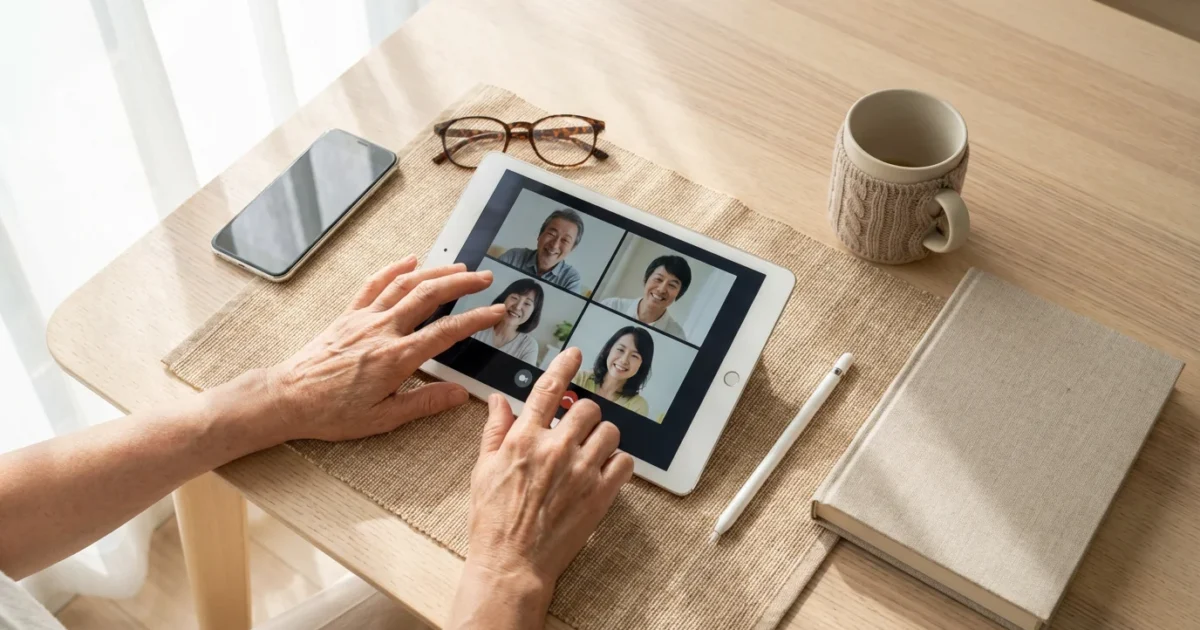
Video calling applications allow face-to-face conversations regardless of location. Platforms like Zoom, FaceTime, and Skype are widely used and often come pre-installed on tablets and smartphones. They offer a visual connection that traditional phone calls cannot match, enhancing the feeling of presence. Your grandchildren can show you their latest drawings, or you can join a virtual family gathering.
Social media platforms also provide opportunities for connection. You can share updates, view photos, and interact with friends and family members. Facebook and Instagram are popular choices, allowing you to follow communities of interest or reconnect with old acquaintances. Many retirement communities also use private social networks to keep residents informed about events and activities.
Consider email and messaging apps for quick, text-based communication. These tools offer an efficient way to send notes, share links, and coordinate plans. Learning to use a tablet or smartphone for these purposes opens up a world of instant communication. Many easy-to-use smartphones and tablets are available with simplified interfaces specifically designed for seniors, reducing complexity.
Here are practical communication technologies:
- Video Call Apps: Zoom, FaceTime, Skype for visual interactions.
- Messaging Apps: WhatsApp, Messages for quick texts and photos.
- Email Clients: Gmail, Outlook for longer messages and attachments.
- Social Media: Facebook, Instagram for sharing updates and photos with a wider network.
- Digital Photo Frames: Connect to family clouds to receive new photos automatically.
Smart Home Devices for Enhanced Safety and Convenience
Smart home technology provides significant benefits for seniors in retirement housing, offering both enhanced safety and remarkable convenience. These devices can automate routine tasks and provide crucial support in emergencies. Understanding what are the easy to use smart home devices helps you select solutions that truly improve your quality of life.
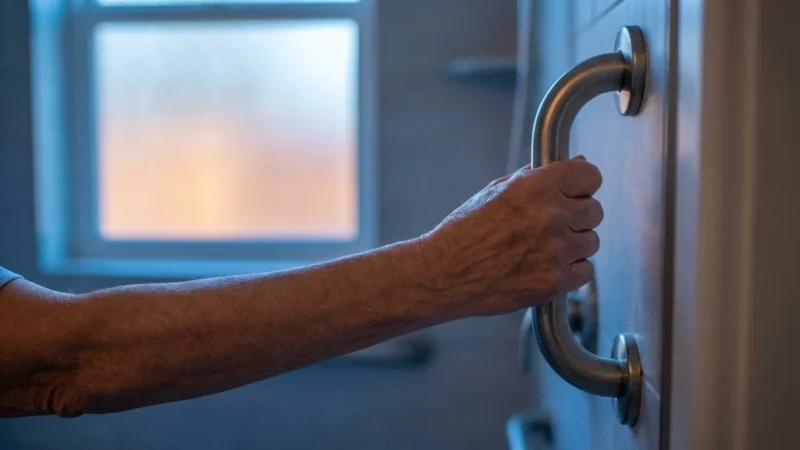
These digital tools are often most effective when combined with physical aging in place home modifications that prioritize resident safety.
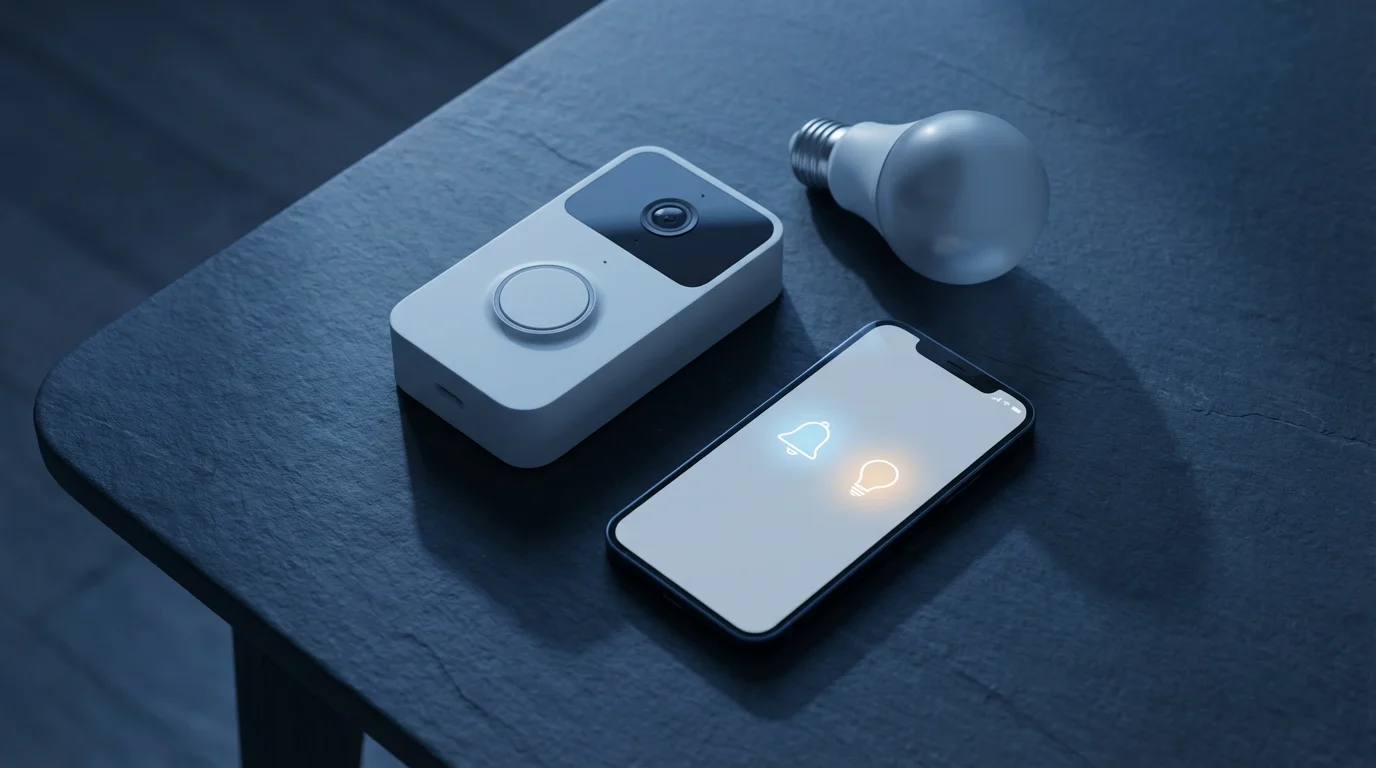
One of the most impactful applications of a smart home system involves lighting. Smart lights can turn on automatically when you enter a room or at specific times of day. This feature reduces the risk of falls in dimly lit areas, particularly during nighttime trips to the bathroom. You can control these lights with voice commands or a simple app, eliminating the need to fumble for switches.
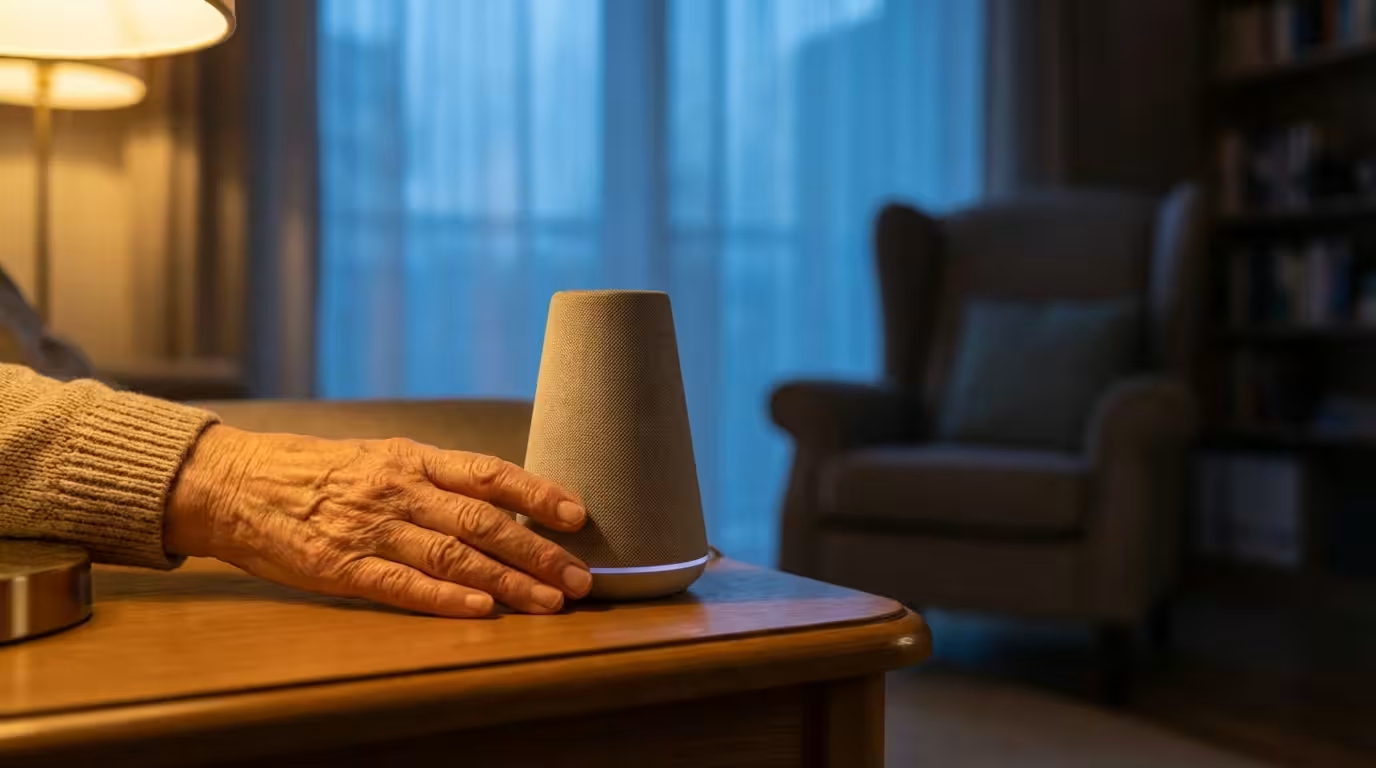
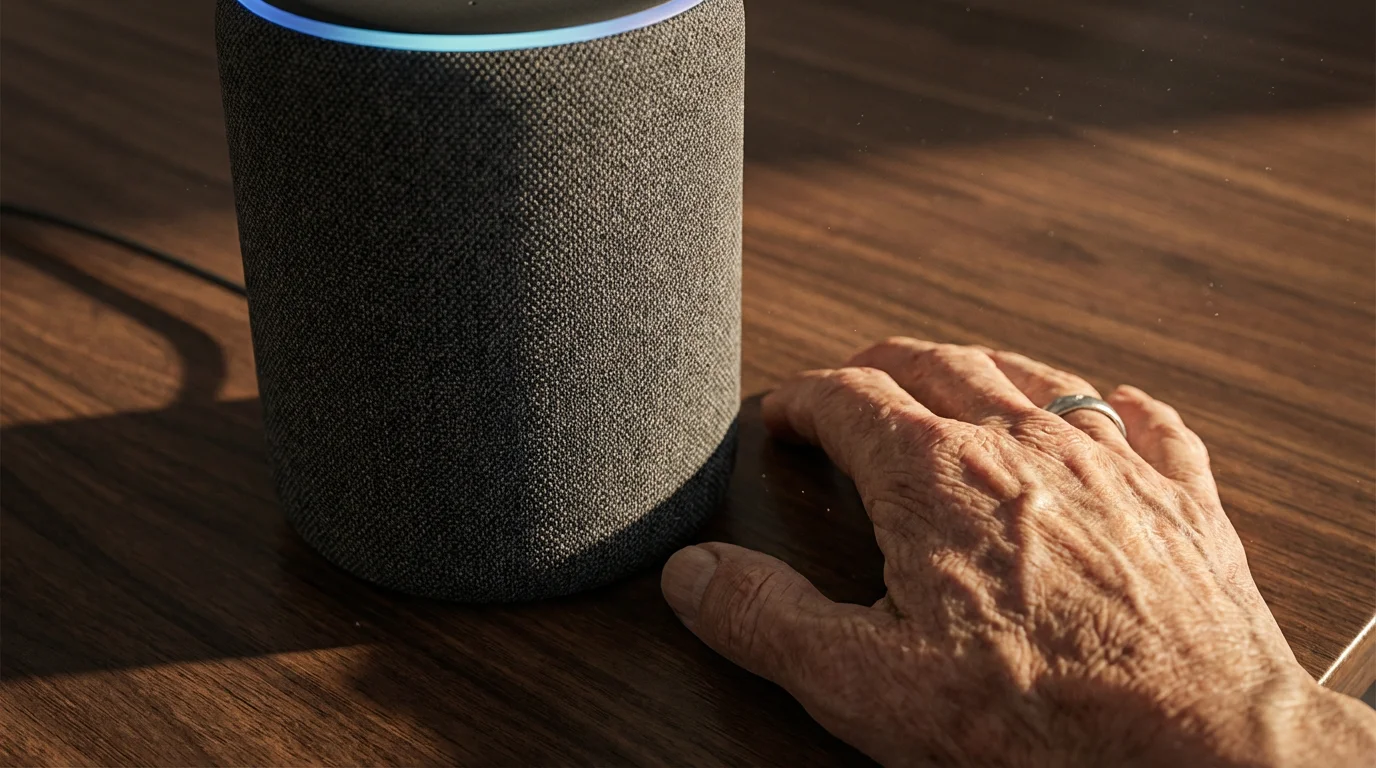
Voice-activated assistants, such as Amazon Echo or Google Nest, serve as central hubs for many smart home functions. You can use them to play music, check the weather, make calls, or even control other connected devices with simple verbal commands. This hands-free operation proves incredibly convenient, especially if mobility becomes a concern. You can simply ask, “Hey Google, what’s the weather today?” or “Alexa, call Sarah.”
Security and emergency response systems are another cornerstone of smart home technology for seniors.
Consider these security-focused smart home devices:
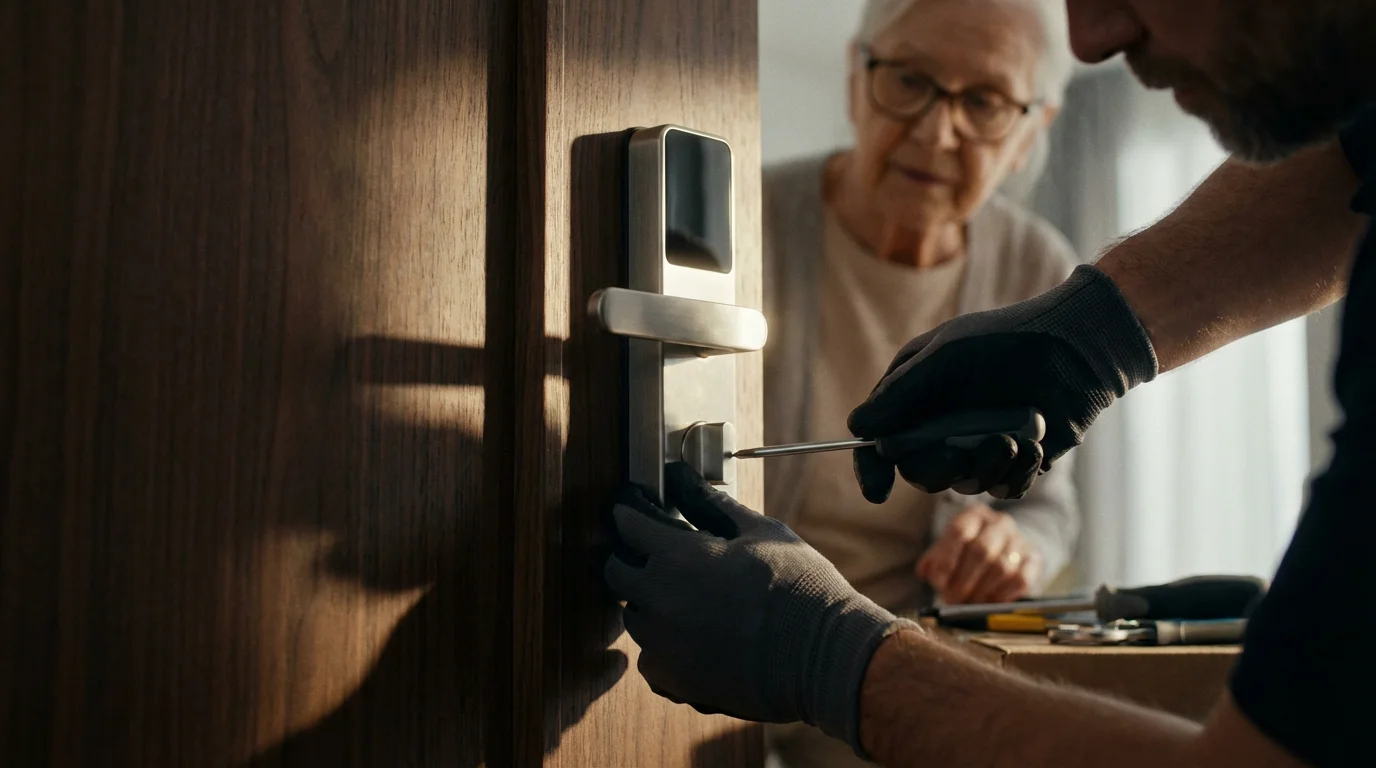
- Smart Locks: Allow family members or caregivers remote access without physical keys, increasing security.
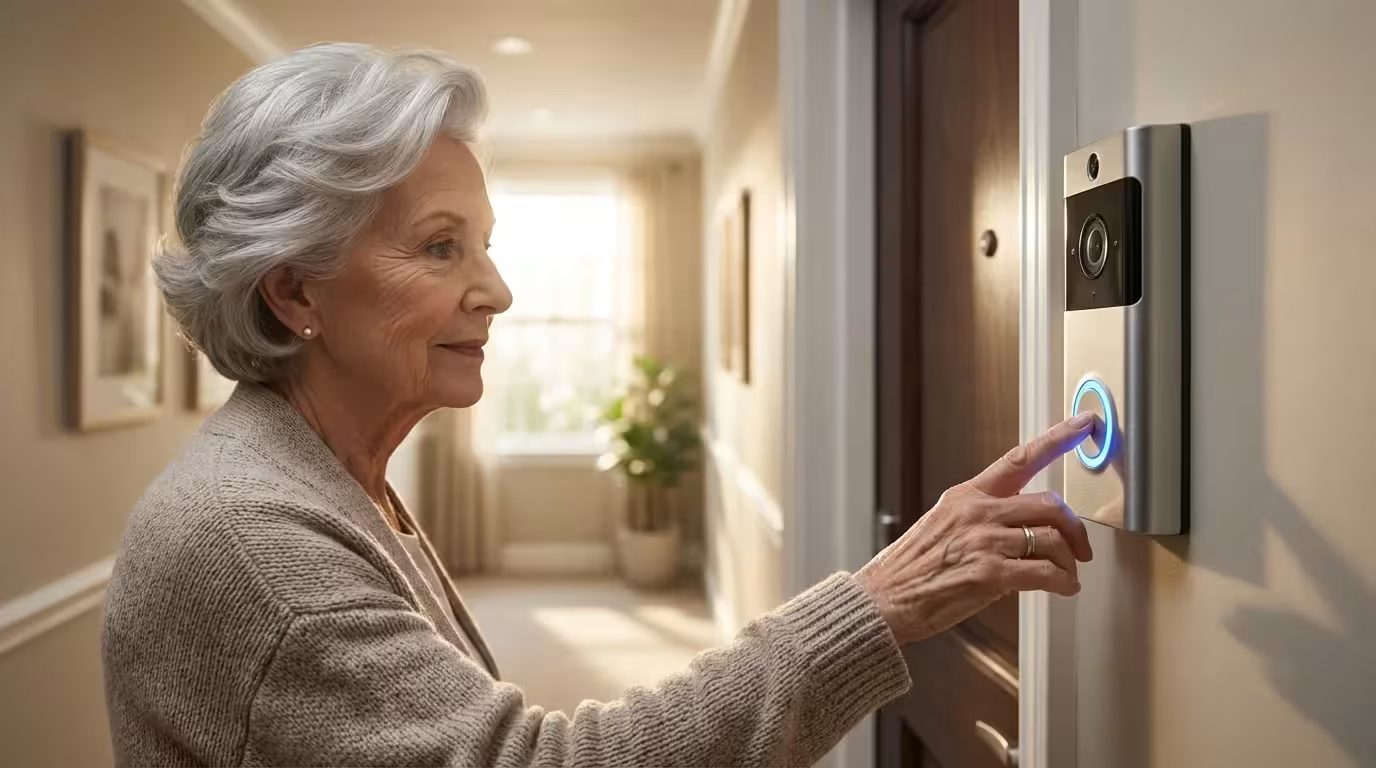
- Video Doorbells: Let you see and speak to visitors without opening the door, adding a layer of safety.
- Medical Alert Systems: Wearable devices, often integrated with smart home hubs, provide immediate contact with emergency services or family members at the press of a button.
- Fall Detection Sensors: Utilize radar or motion sensing to detect falls without requiring a wearable device, offering discreet protection.
- Motion Sensors: Can alert caregivers or family to unusual activity or inactivity patterns.
Home automation also streamlines daily routines. Smart thermostats learn your preferences, adjusting temperatures for optimal comfort and energy efficiency. Smart plugs transform ordinary appliances, like lamps or coffee makers, into smart devices, allowing remote control or scheduling. This level of control empowers you, ensuring your living space is always comfortable and responsive to your needs. This type of senior technology minimizes daily effort.
Entertainment and Cognitive Engagement Through Technology
Technology offers a rich tapestry of entertainment and cognitive stimulation for seniors in retirement housing. Staying engaged and mentally active contributes significantly to overall well-being. Modern devices provide accessible avenues for hobbies, learning, and leisure, ensuring you always have something new to explore.
Beyond entertainment, digital tools provide access to various affordable retirement activities that keep life exciting without a high price tag.
Streaming services deliver a vast library of movies, television shows, and documentaries directly to your smart TV or tablet. You can access content on demand, choosing what to watch and when. This offers flexibility and a wide range of options, from classic films to new releases. Services like Netflix, Hulu, and Disney+ are popular choices.
Audiobooks and podcasts provide an excellent way to enjoy stories, learn new topics, or stay informed. If reading small print becomes challenging, audiobooks allow you to absorb literature effortlessly. Podcasts cover virtually every interest, from history and science to true crime and comedy. You can listen on smart speakers, tablets, or smartphones, making them highly portable.
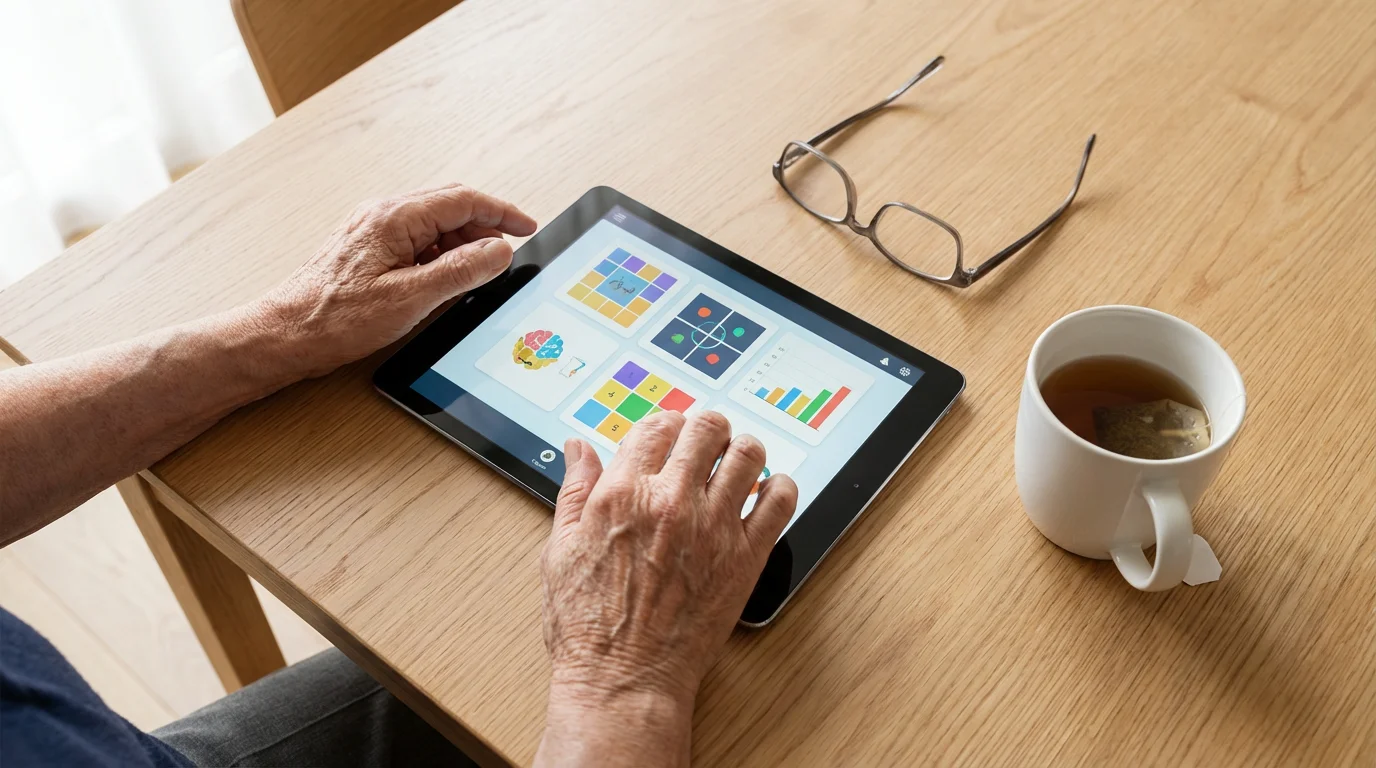
Gaming, often overlooked, offers significant cognitive benefits. Brain-training apps and puzzle games challenge your memory, problem-solving skills, and reaction time. Many simple, engaging games are available on tablets or computers, designed to be fun and stimulating. Even video games with family can be a great way to bond across generations.
Here are some technology options for entertainment and engagement:
- Smart TVs and Streaming Devices: Access movies, shows, and educational content on demand.
- Tablets and E-readers: Read books, magazines, and newspapers with adjustable font sizes.
- Smart Speakers: Listen to music, audiobooks, podcasts, and radio stations.
- Brain Training Apps: Engage in puzzles and memory games on tablets or smartphones.
- Virtual Reality (VR) Experiences: Some communities offer VR headsets for virtual travel or immersive experiences, stimulating senses and memory.
These tools provide not only amusement but also vital opportunities for lifelong learning and mental agility.

Health and Wellness Monitoring Tools
Maintaining health and wellness remains a paramount concern in retirement. Technology provides innovative solutions for monitoring vital signs, managing medications, and connecting with healthcare providers. These senior technology tools empower you to take a more active role in your health management and offer reassurance to your support network.
Wearable health devices, such as smartwatches and fitness trackers, monitor various health metrics. They can track your heart rate, step count, sleep patterns, and even detect irregular heart rhythms. This data provides valuable insights into your overall activity levels and physiological trends. Many devices offer simple interfaces and long battery life, making them practical for daily use.
Telehealth services have become increasingly prevalent, allowing you to consult with doctors and specialists from the comfort of your home. Video appointments reduce travel time and make healthcare more accessible, especially if mobility is an issue. You can discuss symptoms, receive diagnoses, and get prescriptions renewed through secure online platforms. Medicare.gov provides extensive information on telehealth coverage for beneficiaries. Visit Medicare.gov to learn more about your options.
Medication management systems offer crucial support for adherence to prescribed regimens. Automated pill dispensers can sort and dispense medications at the correct times, issuing reminders with visual or auditory alerts. Some even connect to an app that notifies family members or caregivers if a dose is missed. This significantly reduces the risk of medication errors.
Remote monitoring devices, often part of a broader smart home setup, can track activity patterns without requiring direct interaction. Sensors can detect if you have left your bed at night, how often you move around, or if a door has been left open. This passive monitoring provides peace of mind for family members, signaling potential issues without intruding on your privacy.
Overcoming Technology Barriers: Accessibility and Support
The prospect of adopting new technology can feel daunting for some seniors. However, many resources and design considerations exist to make senior technology accessible and easy to use. Overcoming these barriers ensures you can fully benefit from modern innovations.
One common barrier involves device complexity. Many manufacturers now offer products specifically designed with seniors in mind, featuring larger buttons, simplified interfaces, and louder audio. These “easy to use smart home devices” and communication tools minimize frustration and maximize usability. Look for products advertised as senior-friendly or those with accessibility settings.
Fear of learning new systems also presents a challenge. Beginning with one or two simple devices and gradually expanding your smart home setup builds confidence. Start with a voice assistant for music or a smart plug for a lamp. Gradual adoption makes the learning process less overwhelming.
Support systems play a crucial role in successful technology integration. Many retirement communities offer technology training sessions or have dedicated staff to assist residents. Your family members can also provide valuable support, helping you set up devices and learn their basic functions. Do not hesitate to ask for help; mastering new skills takes time.
Consider these strategies for overcoming technology barriers:
- Start Simple: Begin with one or two easy-to-use devices, like a smart speaker or a video doorbell.
- Seek Training: Attend workshops or ask family members for personalized tutorials.
- Utilize Accessibility Features: Adjust font sizes, contrast settings, and voice control options on devices.
- Leverage Technical Support: Do not hesitate to call customer service lines for assistance with setup or troubleshooting.
- Patience is Key: Learning new technology takes time. Celebrate small successes and do not get discouraged by initial difficulties.
Embracing technology becomes much smoother when you approach it systematically and leverage available support.
Choosing the Right Technology for Your Needs
Selecting the most suitable senior technology involves careful consideration of your individual needs, lifestyle, and comfort level. A personalized approach ensures that the technology genuinely enhances your daily life rather than becoming a source of frustration. You want solutions that offer practical value and ease of use.
First, assess your primary goals. Are you looking to improve safety, enhance communication, simplify daily tasks, or stay entertained? Your answer will guide your choices. For instance, if safety is paramount, focus on medical alert systems and smart locks. If connection is key, prioritize video calling platforms and social media.
Consider your current technical proficiency. If you are new to technology, start with intuitive, easy-to-use devices. Many smart home systems offer straightforward setup processes and user-friendly apps. Products designed specifically for seniors often feature simplified interfaces and clear instructions, making the learning curve less steep.
Budget also plays a role in your decision-making process. Technology exists across a wide price range. You can often start with affordable options and expand your setup over time. Consider subscription costs for services like streaming or monitoring, which add to the overall expense. Researching different brands and models helps you find options that fit your financial plan.
Finally, think about compatibility. Ensure any new devices work together seamlessly. Many smart home ecosystems, such as Apple HomeKit, Google Home, and Amazon Alexa, allow different brands of devices to integrate. This creates a cohesive system where devices communicate with each other, enhancing overall convenience and functionality.
Seeking Professional Consultation for Major Decisions
While technology offers incredible benefits, remember that major retirement decisions, especially those involving finances, healthcare, or legal matters, always warrant professional advice. This article provides general information, but your unique circumstances require tailored guidance. Consulting experts ensures you make informed choices that best serve your interests.
A qualified financial advisor helps you understand the costs associated with technology investments and how they fit into your overall retirement budget. They can also provide insights on long-term care planning, which might include discussions about technology-assisted living. An attorney specializes in estate planning, ensuring your wishes are documented and legally sound. They also advise on powers of attorney, which could be relevant if technology helps manage your affairs remotely.
Healthcare providers offer essential guidance on health-monitoring technologies. They can advise on the accuracy of wearable devices, the appropriate use of telehealth services, and how technology can support specific medical conditions. Never substitute technology for professional medical advice or regular check-ups.
For legal matters concerning retirement housing agreements or technology service contracts, a legal professional provides crucial insights. They review terms and conditions, protecting your rights and ensuring clarity. Seeking their expertise before signing any significant document is always a wise decision.
We strongly encourage you to consult with qualified professionals. These include financial advisors, attorneys, tax professionals, and healthcare providers. Their expertise empowers you to navigate complex decisions with confidence, ensuring your retirement plan remains robust and adaptable.
Frequently Asked Questions
What are the easy to use smart home devices for seniors?
Many smart home devices now feature intuitive designs and simplified controls, making them accessible for seniors. Examples include voice-activated smart speakers like Amazon Echo or Google Nest, which respond to simple commands for music, news, or controlling other devices. Smart lights that turn on automatically or with a voice command, and video doorbells with large buttons and clear audio, also qualify as easy to use. Look for products with larger displays and clear instructions.
How can technology help aging seniors stay connected with family?
Technology offers several powerful ways for aging seniors to stay connected. Video calling applications, such as FaceTime, Zoom, or Skype, allow for face-to-face interactions regardless of distance. Messaging apps like WhatsApp provide instant text and photo sharing. Digital photo frames automatically display new family photos, while social media platforms offer opportunities to see updates and interact with loved ones. These tools bridge geographical gaps and foster a strong sense of community.
Is smart home automation expensive for retirement housing?
The cost of smart home automation varies widely, ranging from affordable individual devices to comprehensive integrated systems. You can start with basic, low-cost options like smart plugs or a single smart speaker for less than $50-$100 each. As your comfort and needs grow, you can gradually add more devices. Many systems offer scalable solutions, allowing you to build a smart home environment within your budget, focusing on the features most important to you.
What kind of senior technology helps with safety in retirement communities?
Senior technology significantly enhances safety in retirement communities. Medical alert systems, often worn as pendants or wristbands, provide immediate access to emergency services or family with a single button press. Smart locks allow remote access for caregivers and ensure doors are secured. Fall detection sensors and smart lighting reduce risks of accidents. Video doorbells offer security by letting you see and speak to visitors without opening the door, adding peace of mind for both residents and their families.
Do retirement communities provide technology support?
Many modern retirement communities recognize the importance of technology and offer various levels of support. This often includes Wi-Fi access throughout the facility, dedicated staff to assist with basic tech issues, and even organized workshops or training sessions on how to use popular devices and applications. Some communities partner with technology providers to offer specialized services. It is always wise to inquire about specific technology support services when evaluating retirement housing options.
Disclaimer: This article is for informational purposes only and does not constitute financial, legal, tax, or medical advice. Retirement planning involves complex decisions that depend on your individual circumstances. We strongly encourage readers to consult with qualified professionals—including financial advisors, attorneys, tax professionals, and healthcare providers—before making significant retirement decisions.






Leave a Reply