

Approaching or living in retirement brings new opportunities and, often, a shift in priorities. Your health stands as a cornerstone of a fulfilling retirement. Engaging in regular physical activity plays a critical role in maintaining independence, boosting your mood, and enhancing your overall quality of life well into your senior years. This guide offers practical insights and actionable strategies to help you embrace a healthier, more active lifestyle after 65.
Staying active is not about achieving peak athletic performance. It focuses on preserving functionality, managing chronic conditions, and enjoying everyday activities with vitality. You can build and sustain a powerful fitness routine, regardless of your current physical condition, by making informed choices and committing to a consistent approach. Your journey to retirement fitness starts now.

Why Staying Active Matters in Retirement
Physical activity offers profound benefits for adults over 65. It directly impacts your physical health, cognitive function, and emotional well-being. Regular movement helps you maintain strength and stamina, which translates directly into independence for daily tasks.
Studies consistently show that seniors who remain active experience fewer falls, stronger bones, and better cardiovascular health. You reduce your risk of developing chronic diseases such as type 2 diabetes, heart disease, and certain cancers. Furthermore, consistent exercise can improve sleep quality and boost your immune system, keeping you healthier overall.
“To enjoy the glow of good health, you must exercise.” — Gene Tunney
Beyond the physical, active seniors often report higher levels of happiness and a reduced incidence of depression. Exercise releases endorphins, natural mood elevators, helping you manage stress and anxiety more effectively. This holistic approach to well-being ensures your retirement years are vibrant and fulfilling.
Understanding the Core Components of Senior Fitness
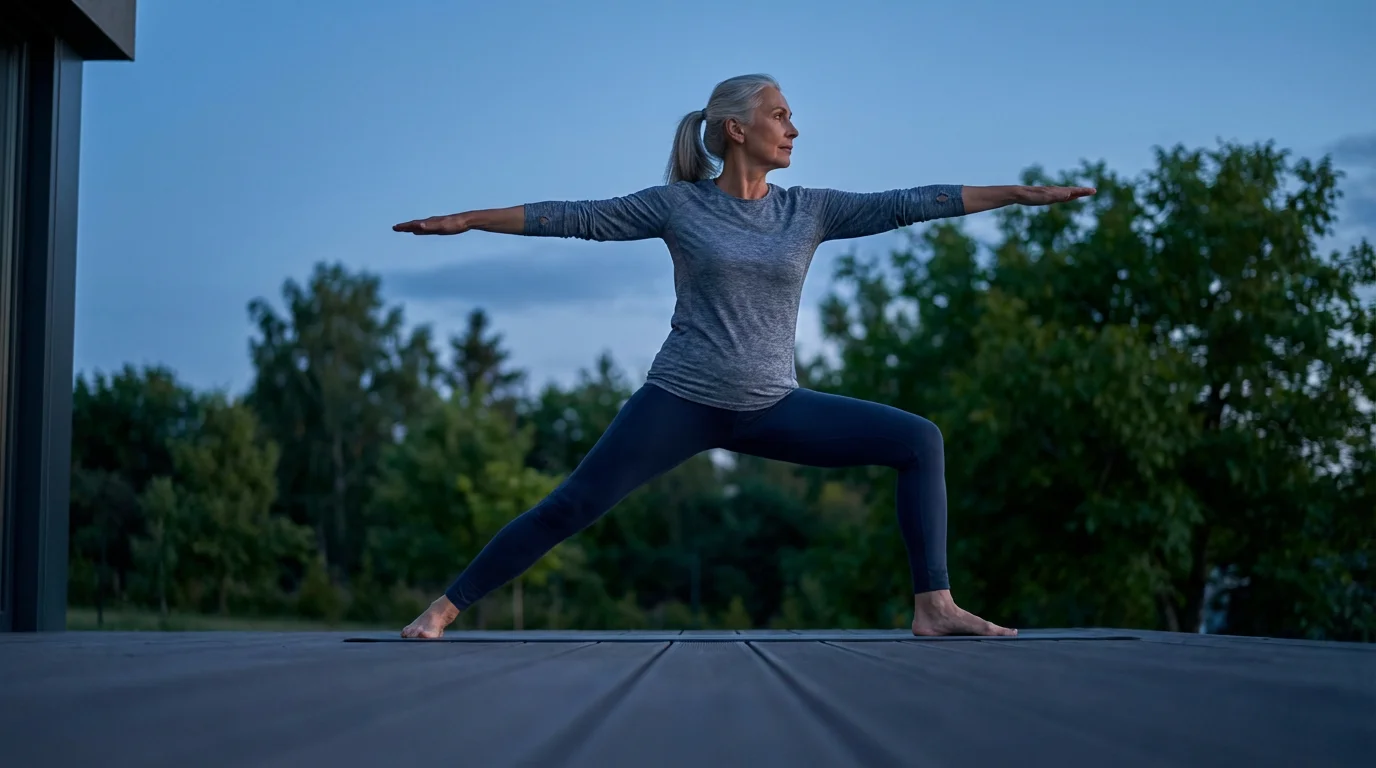
Effective senior fitness programs incorporate several key areas to provide comprehensive benefits. Focusing on these components ensures you develop a well-rounded and sustainable routine. Each element plays a distinct role in enhancing your physical capabilities and overall health.
You should aim to include all four types of exercise in your weekly routine. Balancing these components protects your body, improves functionality, and supports your independence. Let’s explore each vital component:
- Cardiovascular (Aerobic) Endurance: This refers to your heart and lung health. Activities like brisk walking, swimming, or cycling strengthen your heart, improve circulation, and increase your stamina. You gain the ability to perform daily tasks without undue fatigue.
- Strength Training: Building and maintaining muscle mass is crucial as you age. Strength exercises, using weights, resistance bands, or your own body weight, prevent muscle loss, strengthen bones, and improve balance. Stronger muscles support your joints and make lifting, carrying, and rising from a chair easier.
- Flexibility: Flexibility helps you maintain a full range of motion in your joints. Stretching exercises keep your muscles and connective tissues limber, preventing stiffness and reducing the risk of injury. Good flexibility allows you to bend, reach, and twist comfortably.
- Balance: Balance training is vital for preventing falls, a significant concern for seniors. Exercises that challenge your balance improve stability and coordination, reducing your risk of injury. Activities like Tai Chi or standing on one leg enhance your equilibrium.
What Are the Best Exercises for Seniors? Tailoring Your Routine
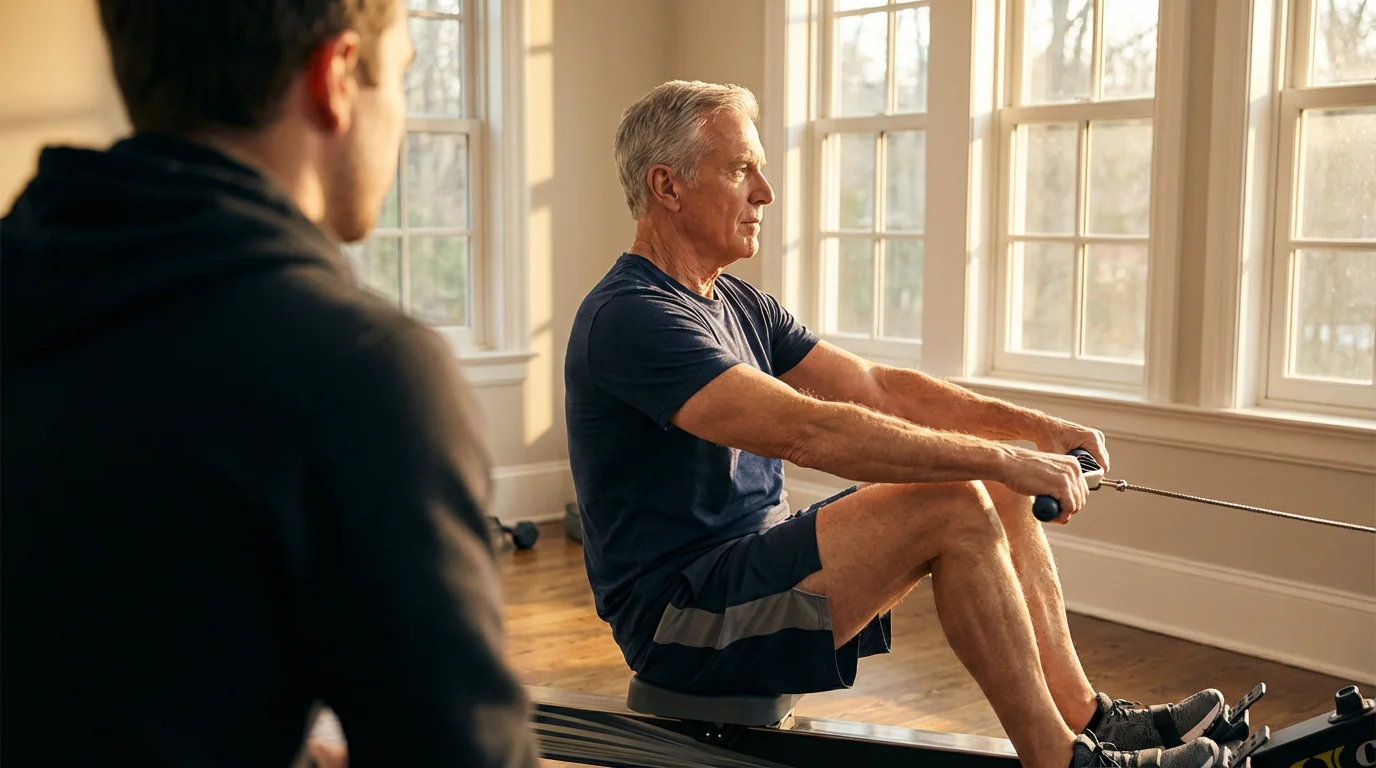
The “best” exercises for seniors are those you enjoy, can perform safely, and that effectively target the core fitness components. You should prioritize low-impact activities that minimize stress on your joints while still providing significant benefits. Consider your current fitness level and any existing health conditions when choosing activities.
Here are excellent options for each fitness component:
Cardiovascular Exercises:
These activities elevate your heart rate, improving your endurance. Aim for at least 150 minutes of moderate-intensity aerobic activity each week, spread across several days.
- Brisk Walking: Accessible and effective, walking can happen almost anywhere. Start with short durations and gradually increase your pace and distance.
- Swimming or Water Aerobics: Water provides buoyancy, reducing impact on joints, while offering excellent resistance. This makes it ideal for those with joint pain or mobility issues.
- Cycling (Stationary or Outdoors): Biking is another low-impact option that strengthens your legs and boosts cardiovascular health. Stationary bikes offer a safe, controlled environment.
- Dancing: A fun way to get your heart rate up, dancing also improves coordination and balance. Many communities offer senior-focused dance classes.
Strength Training Exercises:
Incorporate strength training at least two days a week, ensuring you work all major muscle groups. You can use body weight, resistance bands, light dumbbells, or even household items.
- Chair Squats: Stand in front of a chair and slowly lower yourself as if to sit, then stand back up. This builds leg and glute strength.
- Wall Push-Ups: Stand facing a wall, place your hands slightly wider than shoulder-width apart on the wall, and lean in for a modified push-up. This works chest and arm muscles.
- Bicep Curls with Light Weights: Use light dumbbells or resistance bands to strengthen your arm muscles.
- Resistance Band Rows: Loop a resistance band around a stable object or under your feet, then pull it towards your torso to strengthen your back.
Flexibility and Balance Exercises:
Dedicate time to flexibility and balance exercises most days of the week, ideally after your muscles are warm from other activities.
- Stretching: Focus on major muscle groups. Hold each stretch for 15-30 seconds without bouncing. Examples include hamstring stretches, triceps stretches, and calf stretches.
- Tai Chi or Yoga: These practices combine gentle movements, deep breathing, and meditation, significantly improving balance, flexibility, and mental well-being. The National Institute on Aging highlights Tai Chi as particularly beneficial for fall prevention.
- Single-Leg Stand: Hold onto a sturdy chair for support, then lift one foot off the ground for 10-15 seconds. Switch legs. As you gain confidence, try without support.
- Heel-to-Toe Walk: Walk in a straight line, placing the heel of one foot directly in front of the toes of the other. This challenges your stability and coordination.

Building Your Personalized Retirement Exercise Plan
Creating an effective retirement exercise plan involves thoughtful consideration of your individual circumstances. Your plan should be realistic, progressive, and enjoyable to ensure long-term adherence. Remember, consistency outweighs intensity, especially when starting a new routine.
Starting Safely and Gradually:
Begin slowly, especially if you have been inactive. A gentle start minimizes the risk of injury and helps you build confidence. Listen to your body and recognize signs of overexertion. Always prioritize proper form over the number of repetitions or speed.
- Consult Your Doctor: Before starting any new exercise regimen, always speak with your healthcare provider. They can assess your health, recommend suitable activities, and advise on any necessary precautions, especially if you manage chronic conditions.
- Set Realistic Goals: Start with achievable targets, such as walking for 15 minutes three times a week. Gradually increase duration, intensity, or frequency as your fitness improves.
- Warm-Up and Cool-Down: Always begin with 5-10 minutes of light activity, like marching in place, to prepare your muscles. End with 5-10 minutes of gentle stretching to aid recovery and improve flexibility.
Consistency and Progression:
Consistency is the bedrock of successful fitness. Make exercise a regular part of your week, scheduling it like any other important appointment. As you get stronger, you can gradually increase the challenge of your workouts.
Progression means slowly making your workouts harder. You might increase the weight you lift, add more repetitions, walk a longer distance, or try more challenging balance poses. This keeps your body adapting and your fitness improving. Avoid sudden, drastic increases, which can lead to injury.

Nutrition: Fueling Your Active Retirement
Exercise and nutrition work hand-in-hand to support your active lifestyle. Proper eating habits provide the energy you need for workouts and aid in muscle repair and overall health. As you age, your nutritional needs may change, emphasizing nutrient-dense foods.
Dietary Guidelines for Seniors:
Focus on a balanced diet rich in whole foods. This includes lean proteins, whole grains, fruits, vegetables, and healthy fats. You need sufficient protein to maintain muscle mass, especially when exercising regularly. Aim for protein sources like fish, poultry, beans, lentils, and dairy products.
- Hydration is Key: Drink plenty of water throughout the day, even if you do not feel thirsty. Dehydration affects energy levels, cognitive function, and physical performance.
- Prioritize Fruits and Vegetables: These provide essential vitamins, minerals, and antioxidants, supporting your immune system and reducing inflammation.
- Choose Whole Grains: Opt for whole-grain breads, pastas, and brown rice for sustained energy and fiber.
- Limit Processed Foods: Reduce your intake of sugary drinks, unhealthy fats, and highly processed snacks. These offer little nutritional value and can contribute to weight gain and health issues.
Overcoming Obstacles and Maintaining Motivation
You will inevitably encounter challenges on your fitness journey. Recognizing common obstacles and developing strategies to overcome them helps you stay on track. Maintaining motivation requires a proactive and adaptable mindset.
Common Challenges and Solutions:
- Pain or Discomfort: If you experience pain, stop the activity immediately. Consult your doctor or a physical therapist. They can diagnose the issue and recommend modifications or alternative exercises.
- Lack of Time: Break up your activity into shorter, manageable chunks throughout the day. Even 10-minute walks add up. Schedule your workouts and treat them as non-negotiable appointments.
- Lack of Motivation: Find an exercise buddy, join a group class, or try a new activity to reignite your interest. Set small, achievable goals and celebrate your successes.
- Weather Limitations: Explore indoor options like home exercise videos, gym memberships, or walking laps at a local mall.
Finding Joy in Movement:
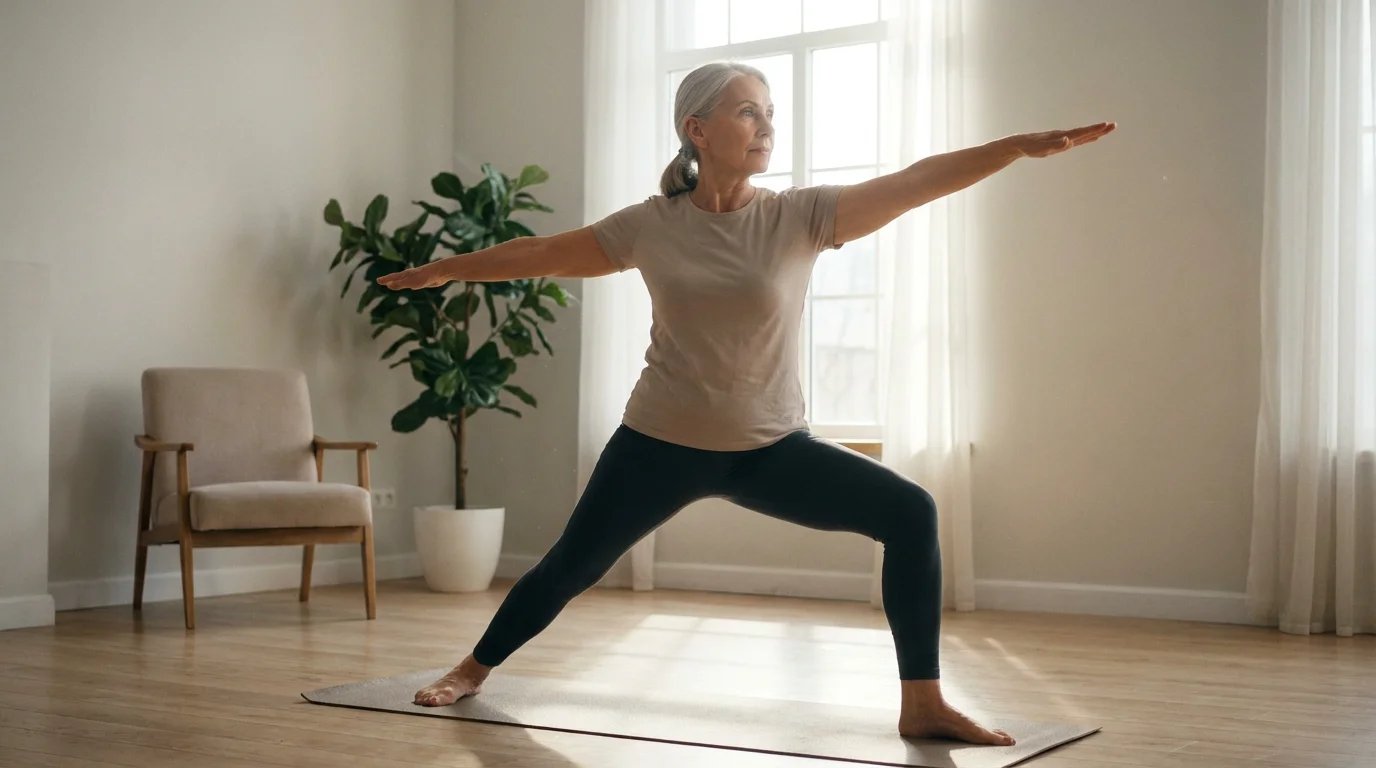
Your physical activity should feel rewarding, not like a chore. Explore various activities until you discover what truly resonates with you. Perhaps you enjoy gardening, dancing, or hiking. Incorporate activities you genuinely love to ensure long-term commitment. Think of exercise as an opportunity for enjoyment and exploration, not just a task.

How to Stay Active in Retirement Through Daily Life
You do not need a gym membership or specialized equipment to stay active. Integrate physical activity into your daily routine and hobbies. Small adjustments to your lifestyle make a big difference in your overall senior fitness.
Incorporating Movement into Hobbies and Social Activities:
Look for opportunities to move more during your favorite pastimes. This approach makes activity feel less like a workout and more like an extension of your enjoyable daily life.
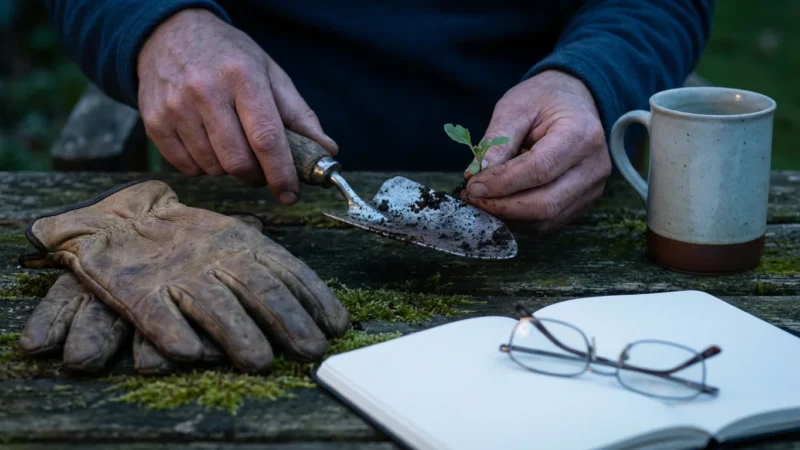
- Gardening: Digging, planting, and weeding provide excellent physical activity. It incorporates stretching, lifting, and cardiovascular movement.
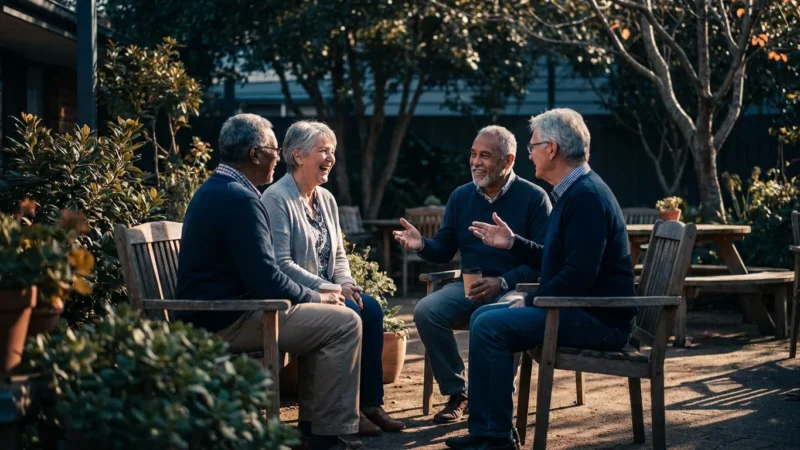
- Walking with Friends: Turn social visits into active outings. Explore local parks, nature trails, or even window shop at the mall.
- Community Classes: Many senior centers and community organizations offer exercise classes like yoga, Zumba Gold, or line dancing. These provide physical benefits and social engagement.
- Active Errands: Park further away from store entrances, take the stairs instead of the elevator, or walk to nearby shops. Every step counts toward your daily activity goals.

When to Consult a Professional
While this guide provides general advice, your individual health situation always requires personalized attention. Consulting with professionals ensures your fitness journey is safe, effective, and tailored to your specific needs.
You should always discuss your exercise plans with your doctor. They can provide clearance, advise on limitations, and help you manage existing health conditions. Your doctor might also recommend specialists.
Consider consulting these professionals:
- Physical Therapist: If you experience chronic pain, balance issues, or are recovering from an injury, a physical therapist can create a targeted exercise program. They teach you proper form and help improve mobility.
- Certified Personal Trainer (with senior specialization): A trainer experienced in working with older adults can design a safe and effective fitness plan. They provide motivation, guidance, and ensure you use correct techniques.
- Registered Dietitian: For personalized nutrition advice, a dietitian can help you develop an eating plan that supports your activity levels and addresses specific dietary needs or health concerns.
You can find resources and support through organizations like AARP, which offers valuable information on healthy aging and local programs. Additionally, sites like Medicare.gov provide extensive guidance on preventive services and health programs, including those that support active lifestyles.
Frequently Asked Questions
Are there specific exercises I should avoid after 65?
You should generally avoid high-impact activities like jumping or running on hard surfaces, which can stress joints. Also, avoid exercises with rapid changes of direction or heavy lifting without proper guidance. Listen to your body. If an exercise causes pain, stop immediately and consult a healthcare professional.
How often should a senior exercise?
Aim for at least 150 minutes of moderate-intensity aerobic activity per week, along with two or more days of strength training for all major muscle groups. You should also incorporate balance and flexibility exercises most days of the week. This recommendation comes from organizations like the National Institute on Aging.
Can I start exercising if I have never been active before?
Absolutely. It is never too late to start. Begin with very low-intensity activities, such as short walks or gentle chair exercises. Gradually increase your activity level. Always consult your doctor before starting, particularly if you have underlying health conditions.
What if I have joint pain? Can I still exercise?
Yes, often you can. Focus on low-impact exercises like swimming, water aerobics, cycling, or chair yoga. These activities minimize stress on your joints while still providing significant cardiovascular and strength benefits. A physical therapist can also offer specialized exercises and modifications to manage joint pain effectively.
How can I stay motivated to exercise regularly?
Find activities you genuinely enjoy. Exercise with a friend or join a group class for social support. Set small, achievable goals and track your progress to see how far you have come. Reward yourself for reaching milestones. Remember your “why” for staying active, whether it is to play with grandchildren or maintain independence.
Your retirement years offer a unique opportunity to prioritize your health and well-being. By embracing a lifestyle that values senior fitness, you invest in a future filled with energy, independence, and joy. You have the power to shape an active, vibrant retirement through consistent effort and informed choices.
Remember, this is your journey. Start where you are, use the resources available, and celebrate every step forward. Your active retirement awaits.
Disclaimer: This article is for informational purposes only and does not constitute financial, legal, tax, or medical advice. Retirement planning involves complex decisions that depend on your individual circumstances. We strongly encourage readers to consult with qualified professionals—including financial advisors, attorneys, tax professionals, and healthcare providers—before making significant retirement decisions.





Leave a Reply