

Retirement presents a significant life transition, often bringing shifts in routine, identity, and purpose. Many retirees discover this period an opportune time for deeper self-reflection and a renewed search for meaning. Exploring spirituality becomes a vital path to finding inner peace and fostering connection as you navigate these later years.
Spirituality in retirement extends beyond religious affiliation, embracing a broad sense of purpose, interconnectedness, and personal growth. It provides a framework for understanding your place in the world and confronting life’s profound questions. Cultivating your spiritual side can lead to greater contentment and resilience during this transformative phase of life.
Table of Contents
- The Evolving Landscape of Retirement and Meaning
- Defining Senior Spirituality Beyond Organized Religion
- Practical Paths to Finding Inner Peace in Retirement
- Cultivating Retirement Faith and Community Connection
- Embracing Personal Growth in Your Later Years
- Overcoming Challenges to Spiritual Well-being
- What Are Spiritual Practices for Seniors? Tailored Approaches
- Professional Guidance for Holistic Well-being
- Frequently Asked Questions

The Evolving Landscape of Retirement and Meaning
Retirement marks a profound shift from a career-driven identity to a new phase of life. For many, work provided not only income but also structure, social interaction, and a sense of purpose. When this structure disappears, a void can emerge, prompting a natural inquiry into deeper meaning.
This quest often leads individuals to explore their spirituality. Research indicates that older adults often report higher levels of spiritual well-being, demonstrating a natural inclination to seek meaning as they age. This intrinsic drive contributes significantly to overall life satisfaction.
You possess a unique opportunity in retirement to redefine success and fulfillment on your own terms. Your priorities may shift from external achievements to internal contentment and personal connections. Embracing this evolution can unlock new dimensions of peace and purpose.

Defining Senior Spirituality Beyond Organized Religion
Senior spirituality encompasses a broad spectrum of beliefs and practices, often distinct from conventional religious doctrines. While religion offers a structured path for many, spirituality focuses more on an individual’s personal quest for meaning, connection, and transcendence. It involves a deep sense of purpose and values.
You might define your spirituality through your connection to nature, your relationships with loved ones, or your commitment to community service. It represents an inner journey towards wholeness and understanding, irrespective of formal religious affiliation. This perspective helps you find what resonates most authentically with your individual spirit. This personal exploration helps you answer “how to find inner peace in retirement?” in a way that truly fits your life.
This emphasis on personal exploration makes senior spirituality highly adaptable and inclusive. You can discover spiritual fulfillment through diverse avenues that align with your unique life experiences and beliefs. The goal remains a deeper sense of self, connection, and peace.
Practical Paths to Finding Inner Peace in Retirement
Finding inner peace in retirement requires intentional effort and exploration. You can cultivate a sense of calm and contentment through various practical approaches. These methods do not demand grand gestures; consistent small steps often yield significant results.
Consider incorporating these practices into your daily life:
- Mindfulness and Meditation: Dedicate time each day to quiet reflection or guided meditation. Even five to ten minutes can reduce stress and increase self-awareness. Many free apps and online resources offer guided sessions suitable for beginners.
- Engaging with Nature: Spend time outdoors, whether gardening, walking in a park, or simply observing the natural world. This connection often fosters a sense of awe and perspective, reminding you of life’s larger rhythms.
- Volunteering and Service: Contribute your time and skills to a cause you care about. Helping others provides a profound sense of purpose and connection, shifting your focus outward. According to the National Council on Aging (NCOA), older adults who volunteer report lower rates of depression and increased well-being.
- Creative Expression: Pursue hobbies like painting, writing, music, or crafts. Creative activities allow you to express your inner world and find joy in the process of creation. This outlet can be deeply meditative and personally fulfilling.
- Journaling: Regularly write down your thoughts, feelings, and experiences. Journaling helps you process emotions, identify patterns, and gain clarity on your spiritual journey. It serves as a personal dialogue with yourself.
These actions empower you to actively shape your spiritual well-being. They provide concrete ways to experience tranquility and meaning in your daily existence. Consistent practice strengthens your capacity for inner peace.

Cultivating Retirement Faith and Community Connection
For many, retirement provides an ideal time to deepen existing faith practices or explore new spiritual communities. Religious institutions offer structured support, shared values, and opportunities for social engagement. Your involvement can provide comfort and a sense of belonging.
If organized religion is not your path, numerous secular communities also foster connection and purpose. These groups might center on shared interests, volunteerism, or advocacy. The key lies in finding environments where you feel understood and valued.
Consider these steps to foster connection:
- Re-engage with Your Faith Community: If you previously participated in a religious community, retirement allows more time for attendance and involvement. Join committees, volunteer for events, or participate in study groups.
- Explore New Spiritual Groups: Investigate different spiritual traditions or interfaith organizations. You might discover a new community that aligns with your evolving beliefs and values.
- Join Interest-Based Clubs: Seek out clubs or associations focused on your hobbies, such as book clubs, hiking groups, or art classes. Shared interests often form the foundation for strong, supportive friendships.
- Participate in Local Community Centers: Many senior centers and community organizations offer a variety of programs, classes, and social events. These provide excellent opportunities to meet new people and stay engaged.
- Connect Digitally: Utilize online platforms and social media groups to connect with individuals who share your spiritual or personal growth interests. This offers connection, especially if mobility becomes a concern.
Fostering strong connections, whether through faith or community, combats isolation and enhances your sense of belonging. These bonds contribute significantly to your overall well-being and provide essential support during life’s transitions. According to AARP, social connection remains crucial for healthy aging. You can find resources and local opportunities by exploring platforms like AARP.org.

Embracing Personal Growth in Your Later Years
Retirement offers an unparalleled opportunity for personal growth and self-discovery. You possess the time and freedom to pursue interests, learn new skills, and reflect on your life experiences. This phase allows you to become more fully yourself.
Many retirees report a heightened desire for continued learning and development. They see retirement not as an ending, but as a new beginning for intellectual and emotional expansion. Embracing this mindset helps answer “how to find inner peace in retirement?” by focusing on evolution.
Focus on these aspects for continued personal growth:
- Lifelong Learning: Enroll in college courses, attend workshops, or explore online educational platforms. Learning new subjects keeps your mind active and expands your perspectives.
- Develop New Hobbies: Pick up that musical instrument, learn a new language, or delve into photography. New hobbies challenge you and provide fresh avenues for enjoyment and mastery.
- Travel and Exploration: Experience new cultures and environments. Travel broadens your horizons, fosters adaptability, and creates lasting memories. It offers a chance to see the world, and yourself, differently.
- Mentoring: Share your wisdom and experience with younger generations. Mentoring provides a sense of purpose and allows you to give back, reinforcing your value and expertise.
- Self-Reflection and Legacy Planning: Take time to reflect on your life’s journey, your values, and the legacy you wish to leave. This introspection deepens your understanding of yourself and your contributions.
Embracing personal growth enriches your retirement experience, making it a vibrant period of ongoing development. It reinforces the idea that true fulfillment often comes from continuous evolution. You build a richer, more meaningful life when you commit to expanding your horizons.

Overcoming Challenges to Spiritual Well-being
While retirement offers many opportunities for spiritual growth, it also brings unique challenges. You might encounter feelings of loneliness, grapple with health issues, or face the loss of loved ones. These experiences can test your spiritual resilience.
However, confronting these difficulties provides powerful opportunities for deeper spiritual understanding and strength. Your ability to navigate adversity often reveals profound inner resources. Resilience becomes a cornerstone of your spiritual journey.
Consider these strategies for overcoming common challenges:
- Acknowledge and Process Grief: Allow yourself to feel and express grief over losses, whether of a loved one, a career, or former abilities. Seek support from friends, family, or grief counseling if needed. Suppressing emotions hinders spiritual progress.
- Adapt to Health Changes: Accept your body’s changing capacities and focus on what you can do, rather than what you cannot. Explore adaptive spiritual practices, such as seated meditation or gentle yoga. Focus on holistic wellness, which includes mental health. The National Institute on Aging offers valuable resources on healthy aging, which includes mental and emotional well-being.
- Combat Isolation Proactively: Actively seek social engagement and maintain connections. Reach out to friends, join groups, and use technology to stay in touch with family. Loneliness severely impacts spiritual well-being.
- Practice Forgiveness: Forgive yourself and others for past mistakes or regrets. Holding onto resentment obstructs inner peace. Forgiveness liberates your spirit.
- Seek Professional Support: If you struggle with persistent sadness, anxiety, or difficulty coping, consult a mental health professional. Therapy can provide valuable tools and perspectives to navigate emotional challenges, which directly impacts your spiritual health.
Overcoming these challenges strengthens your spirit and deepens your capacity for empathy and wisdom. You emerge from difficult periods with a more profound understanding of yourself and your spiritual path. Your journey includes both joys and trials.
“Retirement is not the end of the road. It is the beginning of the open highway.”

What Are Spiritual Practices for Seniors? Tailored Approaches
Spiritual practices for seniors often emphasize adaptability, accessibility, and a focus on inner reflection rather than strenuous physical activity. These approaches recognize the unique needs and life stages of older adults. You can integrate many practices into your daily routine, enhancing your overall well-being.
The goal remains consistent: to cultivate connection, purpose, and inner peace. However, the specific methods may differ from those you might have pursued in younger years. This adaptability makes spiritual growth accessible to everyone.
Here are some spiritual practices tailored for seniors:
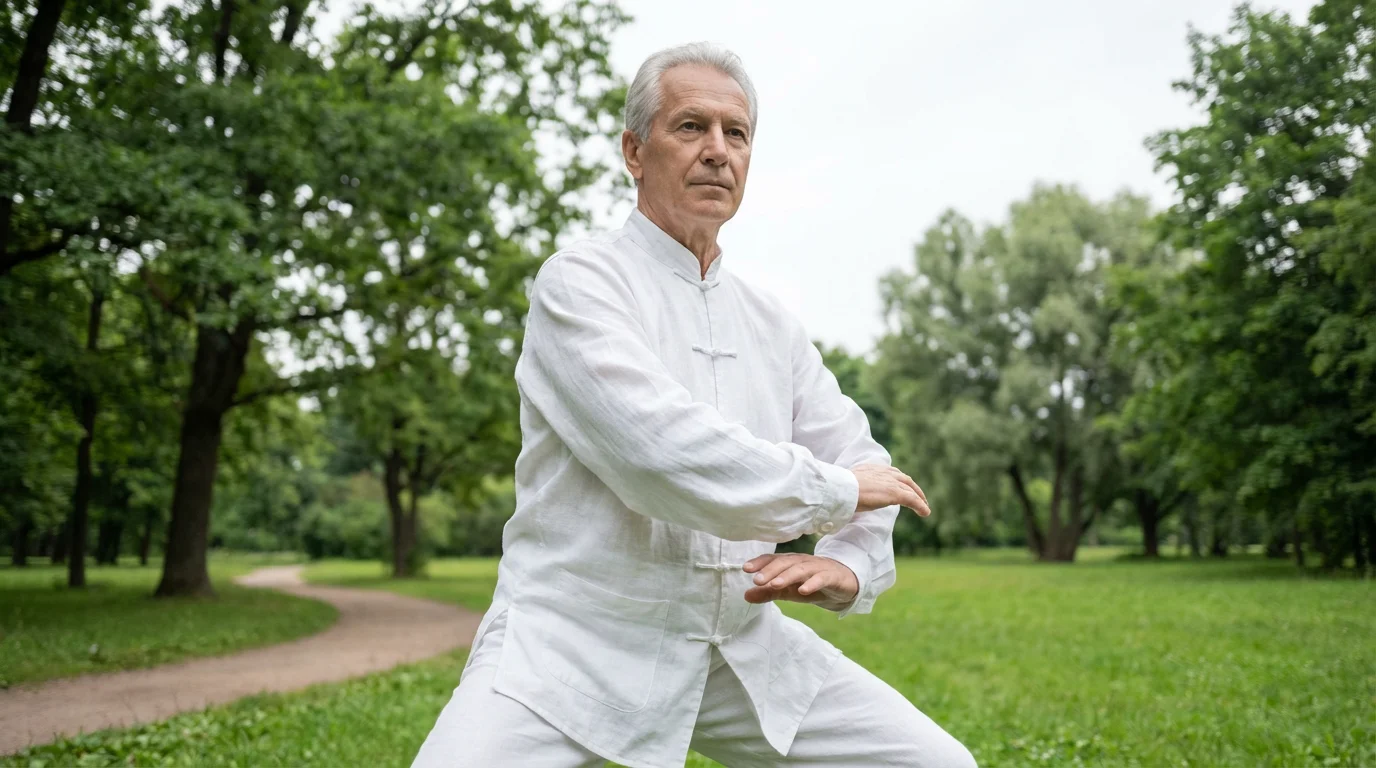
- Mindful Walking or Gentle Movement: If strenuous exercise is not possible, practice mindful walking, chair yoga, or Tai Chi. Focus on your breath and sensations, turning movement into a meditative experience.
- Reminiscence and Life Review: Reflect on your life’s journey, accomplishments, and lessons learned. This process validates your experiences and helps you find meaning in your past, contributing to “personal growth.”
- Gratitude Practice: Regularly identify and acknowledge things you feel grateful for. Keeping a gratitude journal or sharing thanks with others shifts your perspective towards positivity and appreciation.
- Engaging with Sacred Texts or Inspiring Literature: Read religious texts, philosophical works, or poetry that resonates with your spiritual quest. These resources provide guidance, comfort, and intellectual stimulation.
- Creative Prayer or Contemplation: Engage in personal prayer, contemplation, or silent reflection. This can involve connecting with a higher power or simply tuning into your inner wisdom.
- Spending Time with Grandchildren or Younger Generations: Intergenerational connection offers a unique form of spiritual enrichment. Sharing stories, wisdom, and love with younger family members provides joy and a sense of legacy.
These tailored spiritual practices acknowledge your current circumstances while still fostering deep connection and meaning. You can find profound spiritual fulfillment by choosing practices that align with your physical and emotional capacities. Your journey is uniquely your own.

Professional Guidance for Holistic Well-being
While this article explores the profound benefits of spiritual exploration in retirement, remember that holistic well-being encompasses many dimensions. Your financial security, physical health, legal planning, and mental health all contribute to your overall capacity for inner peace. Addressing these practical aspects creates a stable foundation for your spiritual journey.
Making major retirement decisions without expert advice can lead to unforeseen challenges. Financial advisors help you manage assets and income, ensuring your retirement is sustainable. Estate attorneys assist with wills, trusts, and power of attorney documents, providing peace of mind. Healthcare professionals guide you through health management and preventive care. Mental health counselors offer support for emotional challenges, which directly impacts your spiritual state.
We strongly encourage you to consult with qualified professionals for specific advice tailored to your individual situation. These experts offer invaluable guidance across all areas of retirement planning. Their support empowers you to build a secure and fulfilling future, allowing you to focus on your personal and spiritual growth.
Frequently Asked Questions
What does spirituality mean in the context of retirement?
Spirituality in retirement refers to an individual’s personal quest for meaning, purpose, and connection during their later years, often independent of formal religious affiliation. It encompasses a broad range of experiences, from connecting with nature and community to engaging in personal reflection and creative pursuits. This period offers an opportunity to deepen self-understanding and find inner peace.
How can I find inner peace in retirement if I’m not religious?
You can find inner peace through various secular spiritual practices. These include mindfulness meditation, spending time in nature, practicing gratitude, engaging in creative hobbies, volunteering, and fostering strong social connections. The focus remains on personal growth, meaningful relationships, and a sense of purpose that resonates with your individual values.
What are spiritual practices for seniors dealing with health issues?
Spiritual practices for seniors with health issues prioritize adaptability and gentle engagement. Examples include guided meditation, mindful breathing exercises, gentle movement like chair yoga, listening to inspiring music or audiobooks, creative journaling, and focused prayer or contemplation. Connecting with supportive communities, either in person or online, also provides significant spiritual comfort and reduces feelings of isolation.
Does retirement faith mean I have to go to church every week?
No, “retirement faith” does not strictly mean attending church every week, unless that is your personal preference and practice. It refers to cultivating a personal belief system or connection to something greater than yourself. This can involve organized religion, but it also encompasses personal spiritual disciplines, community involvement, ethical living, and a deep appreciation for life’s mysteries, all tailored to your individual path.
How does personal growth relate to spirituality in retirement?
Personal growth is intrinsically linked to spirituality in retirement, as both involve continuous self-improvement and discovery. As you engage in lifelong learning, develop new skills, or reflect on your life’s journey, you deepen your understanding of yourself and your place in the world. This ongoing evolution contributes to a richer inner life, fostering a greater sense of purpose, contentment, and spiritual fulfillment.
Disclaimer: This article is for informational purposes only and does not constitute financial, legal, tax, or medical advice. Retirement planning involves complex decisions that depend on your individual circumstances. We strongly encourage readers to consult with qualified professionals—including financial advisors, attorneys, tax professionals, and healthcare providers—before making significant retirement decisions.









Leave a Reply