

Retirement often brings significant life changes. You gain newfound freedom, but you also adjust to new routines and redefine your sense of purpose. For many, finding meaningful companionship becomes a priority. Pets offer a unique blend of unconditional love, joy, and structure, transforming retirement into a more enriching experience.
Bringing a pet into your life can provide immense emotional support, encourage physical activity, and foster a strong sense of responsibility. This article explores the numerous benefits pets offer retirees, guides you through choosing the right companion, and outlines essential considerations for pet care in your golden years.
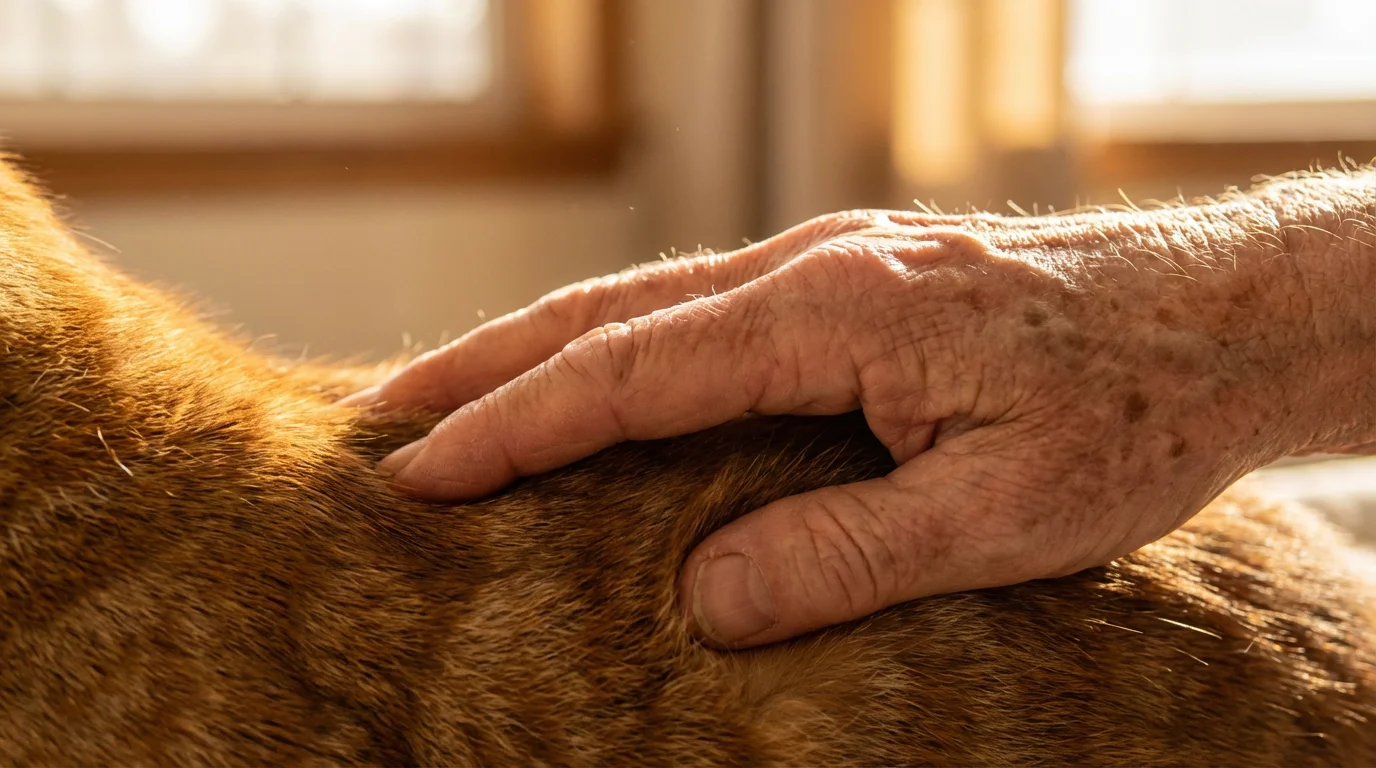
The Profound Benefits of Pet Companionship in Retirement
Pets offer more than just a warm body to cuddle. They provide substantial benefits that enhance your overall well-being in retirement. Research consistently shows a strong correlation between pet ownership and improved physical and mental health outcomes for seniors.
Enhanced Physical Health
Pet ownership encourages a more active lifestyle. Dog owners, for instance, often engage in regular walks, which contribute to better cardiovascular health, stronger muscles, and improved balance. This daily activity helps maintain mobility and reduces the risk of falls.
Even owning a cat promotes movement through play and routine care. Fetching toys or cleaning a litter box involves light physical activity that keeps you engaged. These small, consistent efforts significantly improve your physical health, contributing to a more vibrant retirement.
Improved Mental and Emotional Well-being
Loneliness can impact many retirees, but pets offer a powerful antidote. Your animal companion provides unwavering affection and a constant presence, combating feelings of isolation. This companionship fulfills a deep human need for connection.
Pets also reduce stress and anxiety. Interacting with a pet, such as petting a cat or dog, releases oxytocin, a hormone associated with bonding and well-being. This natural stress relief can lower blood pressure and improve mood. A study published by the American Psychological Association indicates that pets provide significant social support, helping people cope with stress more effectively.
A Renewed Sense of Purpose and Routine
Retirement can sometimes lead to a loss of routine, which impacts your daily structure. A pet provides a compelling reason to get up each morning and follow a consistent schedule. Feeding times, walks, and playtime establish a comforting rhythm in your day.
Caring for another living being creates a powerful sense of purpose. Knowing that your pet depends on you can be incredibly motivating and fulfilling. This responsibility fosters a feeling of importance and contribution, enhancing your overall satisfaction with life.
“The best therapist has fur and four legs.” — Unknown

Choosing Your Companion: What Are the Best Pets for Seniors?
Selecting the right pet involves careful consideration of your lifestyle, living situation, and physical capabilities. The ideal pet complements your retirement years, adding joy without creating undue stress. Many factors influence what are the best pets for seniors, focusing on compatibility and manageable care.
Consider Your Lifestyle
- Activity Level: If you enjoy daily walks, an active dog might be a perfect fit. If you prefer a calmer routine, a less energetic dog, a cat, or a small animal could be more suitable.
- Travel Plans: Frequent travelers need a plan for pet care, such as reliable sitters or boarding. Consider if a pet fits your travel aspirations.
- Living Situation: Apartments may have size or breed restrictions for dogs. Ensure your chosen pet thrives in your home environment, whether a spacious house or a cozy condo.
Popular Choices for Retirees
Dogs
Dogs offer loyalty and encourage physical activity. Consider these options:
- Small to Medium Breeds: Bichon Frise, Poodle, Cavalier King Charles Spaniel, Shih Tzu. These breeds are generally affectionate, adaptable, and easier to handle for walks and grooming.
- Older Dogs: Senior pets often come pre-trained, calmer, and require less intense exercise than puppies. They frequently seek a quiet home for their golden years, making them ideal retirement animals.
Cats
Cats are often lower maintenance than dogs, offering companionship with less demand for outdoor activity.
- Adult or Senior Cats: Like senior dogs, older cats are usually past the rambunctious kitten phase. They provide quiet companionship and often enjoy lounging and gentle interaction.
- Breeds Known for Calmness: Ragdolls, Birmans, or Persians are often known for their docile and affectionate temperaments.
Other Companions
If dogs or cats are not feasible, other animals offer companionship:
- Birds: Can be engaging and vocal, requiring less physical exertion from you. Parakeets or Finches are good starter options.
- Fish: A peaceful and calming presence, ideal for those seeking minimal interaction but visual enjoyment. Aquariums can be a soothing focal point in your home.
- Rabbits: Can be affectionate and litter-trained, offering a quiet, gentle companion.

Finding Your Match: Pet Adoption for Retirees
Adopting a pet is a rewarding experience, providing a loving home to an animal in need. Many shelters and rescue organizations have programs specifically designed to connect senior people with senior pets. This type of pet adoption for retirees offers mutual benefits.
Benefits of Adopting Senior Pets
When you choose a senior pet, you often welcome an animal with a known history and personality. These animals are typically already house-trained, understand basic commands, and possess a calmer demeanor than younger animals. They have moved past destructive chewing or excessive energy levels, making them excellent retirement animals.
Senior pets are often overlooked in shelters, despite having so much love to give. By adopting an older animal, you provide comfort and stability during their twilight years. Many shelters even offer reduced adoption fees for seniors adopting senior pets, making it a more accessible option.
Where to Look for Your New Companion
- Local Animal Shelters and Humane Societies: These organizations have a wide variety of animals and knowledgeable staff who help you find a suitable match. They often provide health screenings and initial vaccinations.
- Breed-Specific Rescues: If you have a preference for a particular breed, a breed-specific rescue group can help you find an adult or senior animal of that breed. These groups specialize in understanding the unique needs and temperaments of specific breeds.
- Online Pet Adoption Portals: Websites like Petfinder or Adopt-a-Pet list animals from shelters nationwide, allowing you to search by location, age, breed, and other preferences.
Preparing for Your New Arrival
Before bringing your new pet home, ensure your living space is ready. Purchase essential supplies like food, bowls, a bed, toys, and a litter box if adopting a cat. Pet-proof your home by removing potential hazards, securing cleaning supplies, and ensuring houseplants are non-toxic.
Consider the pet’s size and mobility needs. If you adopt an older dog, make sure you have appropriate ramps or steps if they need to access furniture or a car. A smooth transition minimizes stress for both you and your new companion.

Financial Planning for Your Pet: Costs and Considerations
While the emotional benefits of pet ownership are immeasurable, you must also consider the financial commitment. Pet care involves initial expenses, ongoing costs, and potential emergency situations. Thorough financial planning ensures you can provide for your pet throughout their life without straining your retirement budget.
Initial Costs
When you first bring a pet home, you incur several upfront expenses. These can include adoption fees, spaying or neutering, initial vaccinations, microchipping, and essential supplies like a crate, bed, leash, collar, and food bowls. These costs vary significantly depending on the animal and where you acquire it.
- Adoption Fees: Range from $50 to $500, often covering initial vet care.
- Vaccinations and Exams: Typically $100-$300 for the first year.
- Supplies: Expect to spend $150-$500 initially on essentials.
Ongoing Monthly and Annual Expenses
Regular pet care involves predictable recurring costs. Factor these into your monthly budget:
- Food: Quality pet food can cost $30-$100 per month, depending on size and diet.
- Routine Veterinary Care: Annual check-ups, vaccinations, and parasite prevention typically cost $200-$500 per year.
- Grooming: Some breeds require professional grooming, costing $40-$100 per session.
- Pet Insurance: Monthly premiums range from $20-$80, depending on coverage and pet type.
- Toys and Treats: Budget $10-$30 per month.
- Miscellaneous: Pet sitting, boarding, or supplies like litter.
Unexpected Veterinary Emergencies
Unforeseen accidents or illnesses represent a significant financial risk. Emergency vet visits can quickly escalate to hundreds or even thousands of dollars. Preparing for these possibilities protects both your finances and your pet’s health.
- Emergency Fund: Establish a dedicated savings account for pet emergencies. Aim for at least $1,000 to $3,000.
- Pet Insurance: Consider pet insurance to mitigate the cost of unexpected medical issues. Research different plans to find one that fits your budget and covers your pet’s needs.
- CareCredit: Explore healthcare credit cards like CareCredit, which offer deferred interest financing for veterinary expenses.
Understanding these financial commitments allows you to enjoy your pet without financial stress. For a comprehensive review of your overall financial readiness for retirement, including new expenses, you should consult with a qualified financial advisor.

Daily Care and Wellness: Ensuring Your Pet’s Health and Happiness
Providing consistent, high-quality care ensures your retirement animals thrive and remain healthy companions. Daily routines, proper nutrition, and regular veterinary attention form the cornerstone of your pet’s well-being.
Nutrition and Diet
A balanced diet is crucial for your pet’s health. Choose high-quality pet food appropriate for their age, breed, and activity level. Consult your veterinarian for dietary recommendations, especially if your pet has specific health conditions or dietary restrictions. Avoid feeding human food that could be toxic to animals.
Pay attention to portion control to prevent obesity, which can lead to other health issues. Fresh water should always be available, and you should clean bowls regularly to prevent bacterial growth.
Exercise and Mental Stimulation
Even senior pets need exercise, though the intensity varies. Daily walks, playtime, and interactive toys keep your pet physically fit and mentally stimulated. Mental engagement prevents boredom and helps maintain cognitive function.
- For Dogs: Regular walks tailored to their stamina, puzzle toys, and gentle play.
- For Cats: Interactive toys, climbing structures, window perches, and playtime with you.
- For Smaller Animals: Appropriate enclosures with enrichment items, supervised playtime, and gentle handling.
Adjust exercise routines as your pet ages or if they develop mobility issues. Shorter, more frequent walks might be better than one long one for an older dog.
Routine Veterinary Care
Regular check-ups are essential for preventing and detecting health problems early. Your veterinarian can monitor your pet’s weight, dental health, and overall condition. They also provide vaccinations, parasite prevention, and recommend necessary screenings.
Do not hesitate to contact your vet if you notice changes in your pet’s behavior, appetite, or physical appearance. Early intervention often leads to better outcomes and can save you money in the long run. Many veterinarians also offer specific advice for caring for senior pets, addressing common age-related issues.
Grooming and Hygiene
Grooming keeps your pet comfortable, clean, and healthy. This includes:
- Brushing: Prevents mats, reduces shedding, and distributes natural oils.
- Bathing: As needed, using pet-specific shampoos.
- Nail Trims: Prevents discomfort, splayed paws, and potential injury.
- Dental Care: Regular brushing or dental treats can prevent dental disease.
Regular grooming also provides an opportunity to check for lumps, bumps, or skin issues. Make grooming a positive bonding experience for both of you.
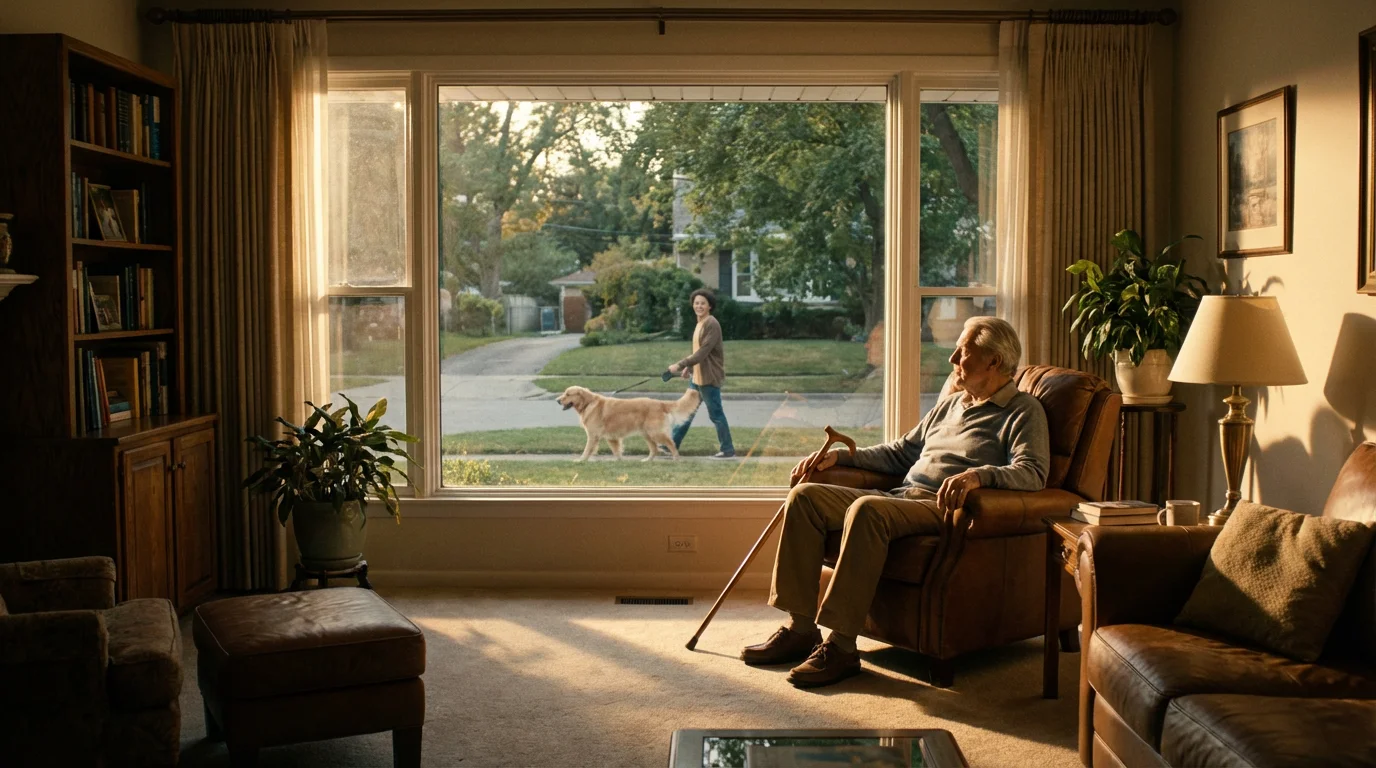
Navigating Challenges: Pet Care When Health or Mobility Changes
Planning for the future ensures your pet receives continuous, loving care, especially as your own health or mobility changes. Proactive steps provide peace of mind and minimize disruption for your retirement animals.
Planning for Your Pet’s Future Care
Consider who would care for your pet if you become ill or unable to provide daily care. Identify trusted friends, family members, or professional pet care services. Discuss these arrangements openly and clearly, ensuring they understand your pet’s needs and routine.
You can also make formal arrangements through legal documents:
- Pet Trust: A legally binding document that designates a caregiver and allocates funds for your pet’s care.
- Pet Guardian Designation in Your Will: Specifies a guardian for your pet if something happens to you.
- Care Agreements: Informal agreements with family members outlining responsibilities and expectations.
Consult with an attorney specializing in estate planning to establish a robust plan for your pet. This step safeguards your pet’s future and provides you with significant reassurance.
Adapting Your Home and Routines
As you or your pet age, you may need to adapt your home and routines. Simple modifications enhance safety and comfort for both of you.
- Mobility Aids: Ramps for accessing furniture or vehicles, non-slip mats on slippery floors, and raised food bowls to ease strain.
- Automated Feeders and Waterers: These can help maintain a consistent schedule if your mobility is limited.
- Professional Services: Utilize dog walkers, pet sitters, or mobile grooming services when daily tasks become challenging.
Explore local community resources or organizations that offer assistance to seniors with pet care. The Eldercare Locator, for instance, can help connect you with local services that might indirectly support pet ownership through broader senior assistance programs.
Remember, seeking help is a sign of responsible pet ownership. It ensures your beloved companion continues to receive the best possible care, allowing you to enjoy their presence fully.
Frequently Asked Questions
Can pets really improve my health in retirement?
Yes, pets significantly improve health. They encourage physical activity, reduce stress, and combat loneliness. Studies show pet owners often have lower blood pressure, cholesterol levels, and a reduced risk of heart disease compared to non-owners. The daily routine of caring for a pet also provides purpose and structure.
What if I am worried about the cost of a pet in retirement?
Financial planning for a pet is crucial. Create a detailed budget for food, vet care, grooming, and potential emergencies. Consider pet insurance or set aside an emergency fund specifically for your pet. Many shelters also offer reduced adoption fees for seniors, making pet adoption more accessible.
Are senior pets a good choice for retirees?
Senior pets are often an excellent choice for retirees. They typically have a calmer temperament, are house-trained, and require less intense exercise than younger animals. They provide gentle companionship and can easily adapt to a quiet home environment, making them ideal retirement animals.
How do I choose the best type of pet for my lifestyle?
Evaluate your activity level, living situation, and travel plans. Active individuals might enjoy a walking dog, while those preferring a calmer routine might prefer a cat, fish, or small animal. Consider the pet’s size, energy level, and care requirements to ensure a good match. Researching breeds and their typical temperaments helps you make an informed decision.
What happens to my pet if I become unable to care for them?
Plan for your pet’s future care by identifying trusted friends or family members who could step in. You can also establish a pet trust or designate a pet guardian in your will. Consult an attorney to formalize these arrangements, ensuring your pet’s continued well-being. Knowing you have a plan provides peace of mind.
Disclaimer: This article is for informational purposes only and does not constitute financial, legal, tax, or medical advice. Retirement planning involves complex decisions that depend on your individual circumstances. We strongly encourage readers to consult with qualified professionals—including financial advisors, attorneys, tax professionals, and healthcare providers—before making significant retirement decisions.









Leave a Reply