
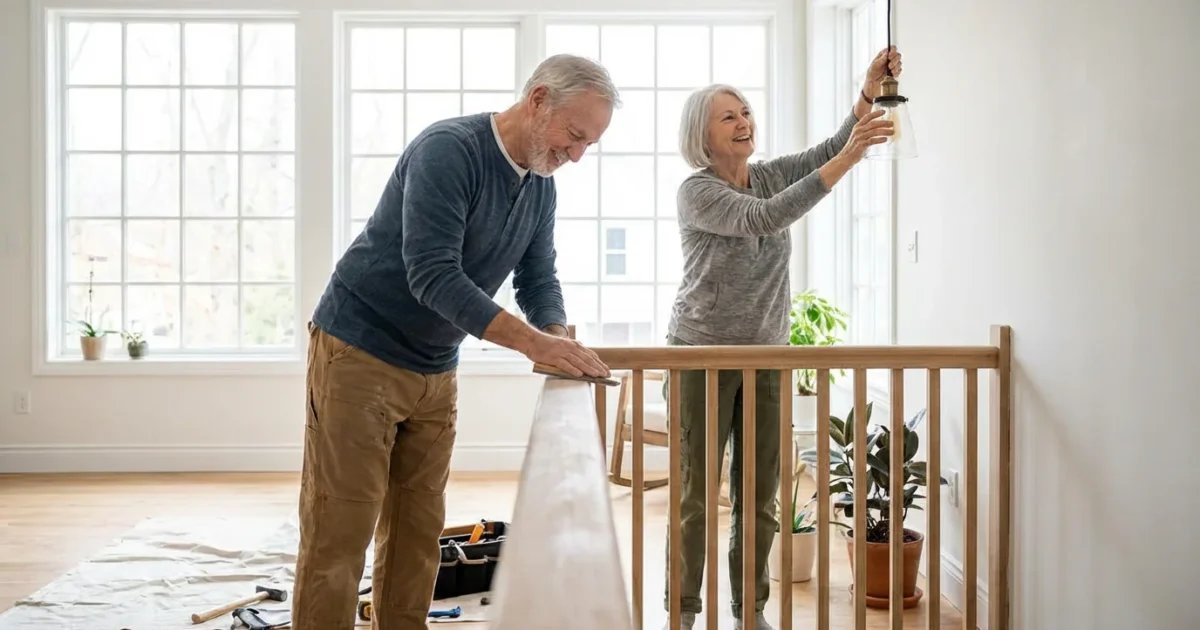
As you approach or enter retirement, your home transforms from a mere dwelling into a central hub for your well-being, independence, and lifestyle. Making thoughtful adjustments to your living space now provides substantial benefits in the years to come. Proactive home improvement ensures your comfort, safety, and ability to remain in the home you love. This article explores practical strategies for enhancing your living space to meet the unique needs and desires of your retirement years.
Why Home Improvement Matters in Retirement
Your home serves as more than just shelter; it is a repository of memories, a comfort zone, and a critical component of your retirement plan. Many retirees express a strong desire to “age in place,” meaning they want to live independently and comfortably in their current homes as they grow older. This aspiration requires a proactive approach to your living environment.
Modifying your home to better suit your changing needs offers several compelling advantages. It significantly enhances your safety, reduces the risk of accidents, and improves the overall quality of your daily life. Investing in your home also preserves its value, making it a sound financial decision.
Studies consistently show a strong preference among seniors to remain in their homes. According to AARP, approximately 77% of adults age 50 and older want to stay in their homes for the long term. This preference underscores the importance of adapting your living space to support this goal, transforming your current house into a truly functional senior home.

Financial Planning for Your Retirement Projects
Undertaking retirement projects requires careful financial planning. Understanding your budget and funding options ensures you make informed decisions without jeopardizing your financial security. Approach these decisions strategically, just as you would any other significant retirement expense.
Budgeting for Your Home Renovations
Start by creating a detailed budget for your home renovation plans. Research typical costs for the specific upgrades you envision. Obtain multiple quotes from contractors to gain a realistic understanding of expenses. Always allocate a contingency fund, typically 10-20% of the project cost, for unforeseen issues.
Funding Your Home Improvements
Several avenues exist to finance your home updates. Each option carries specific implications you should discuss with a financial advisor.
- Personal Savings: Using funds from your savings or investment accounts is often the most straightforward approach, as it avoids interest payments. Ensure you do not deplete emergency funds or critical retirement savings.
- Home Equity Line of Credit (HELOC): A HELOC allows you to borrow against your home’s equity. You draw funds as needed and pay interest only on the amount you use. This option offers flexibility but ties the loan to your home as collateral.
- Cash-Out Refinance: This involves refinancing your existing mortgage for more than you currently owe and taking the difference in cash. It can result in a lower interest rate on your entire mortgage but extends the loan term and increases your overall debt.
- Reverse Mortgages: For homeowners aged 62 or older, a reverse mortgage converts part of your home equity into cash without requiring you to sell your home or make monthly mortgage payments. This is a complex financial product with significant implications; thoroughly understand its terms and consult independent experts. The Consumer Financial Protection Bureau provides comprehensive resources on reverse mortgages, encouraging careful consideration.
- Government Programs and Grants: Some federal, state, or local programs offer assistance for home modifications, especially those improving accessibility for seniors or individuals with disabilities. For example, some states have programs to help low-income seniors make necessary home repairs. Researching these options can uncover valuable support.
Consult a qualified financial advisor to evaluate the best funding strategy for your unique situation. They help you weigh the pros and cons of each option and integrate home renovation costs into your broader retirement financial plan.

Prioritizing Safety and Accessibility: Age-Proofing Your Home
Aging in place successfully means creating an environment that adapts to potential changes in mobility, vision, and balance. Age-proofing your home reduces accident risks and promotes long-term independence. This crucial aspect of retirement projects focuses on preventing falls, which are a leading cause of injury among older adults.
According to the Centers for Disease Control and Prevention, falls are the most common cause of nonfatal trauma-related hospital admissions among older adults. Many of these falls occur in the home. Strategic home renovation can significantly mitigate these risks.
Key Areas for Age-Proofing Upgrades
Focus on these critical areas when considering how to age-proof your home:
- Entrances and Exits:
- Install sturdy handrails on both sides of all staircases and steps.
- Ensure adequate lighting at all entry points.
- Consider a ramp for a main entrance if steps become challenging.
- Widen doorways to at least 32-36 inches for potential wheelchair or walker access.
- Bathrooms: This is a high-risk area for falls.
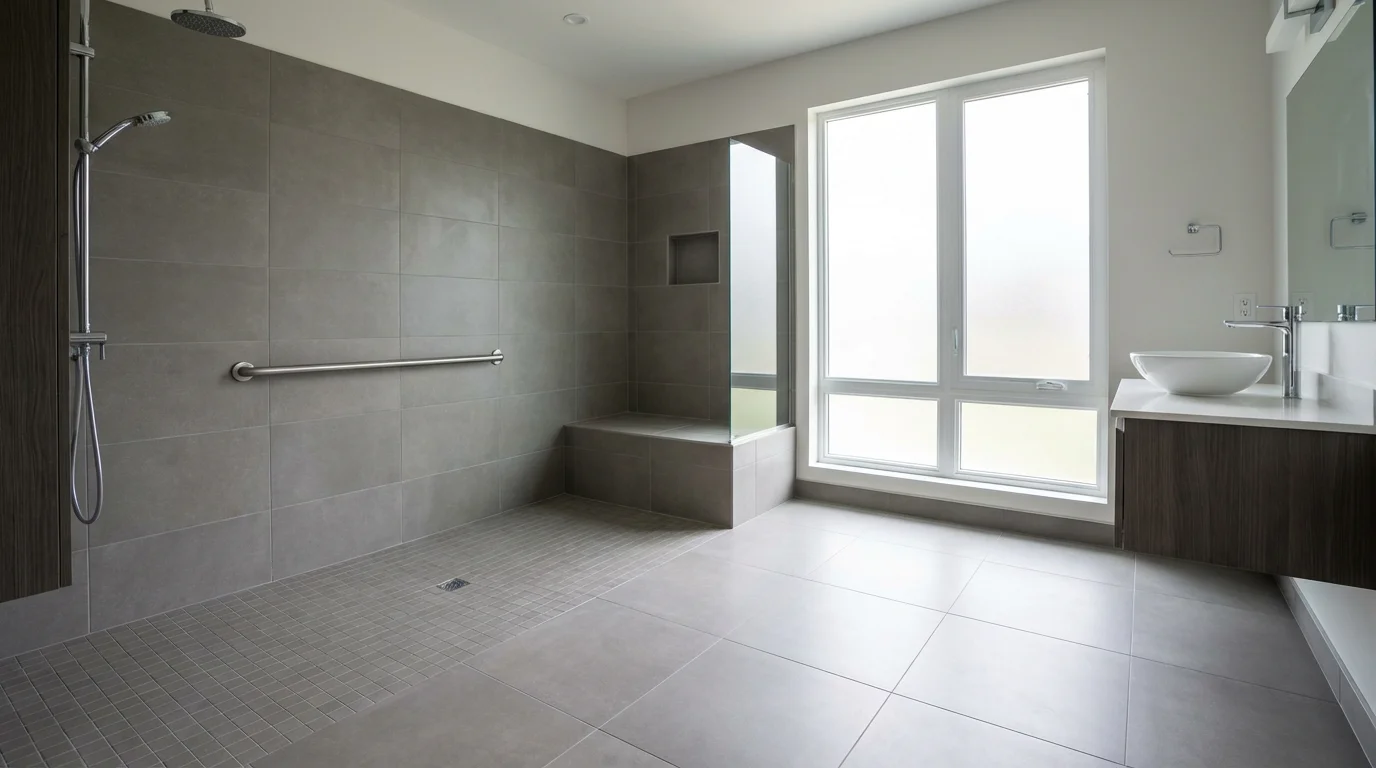
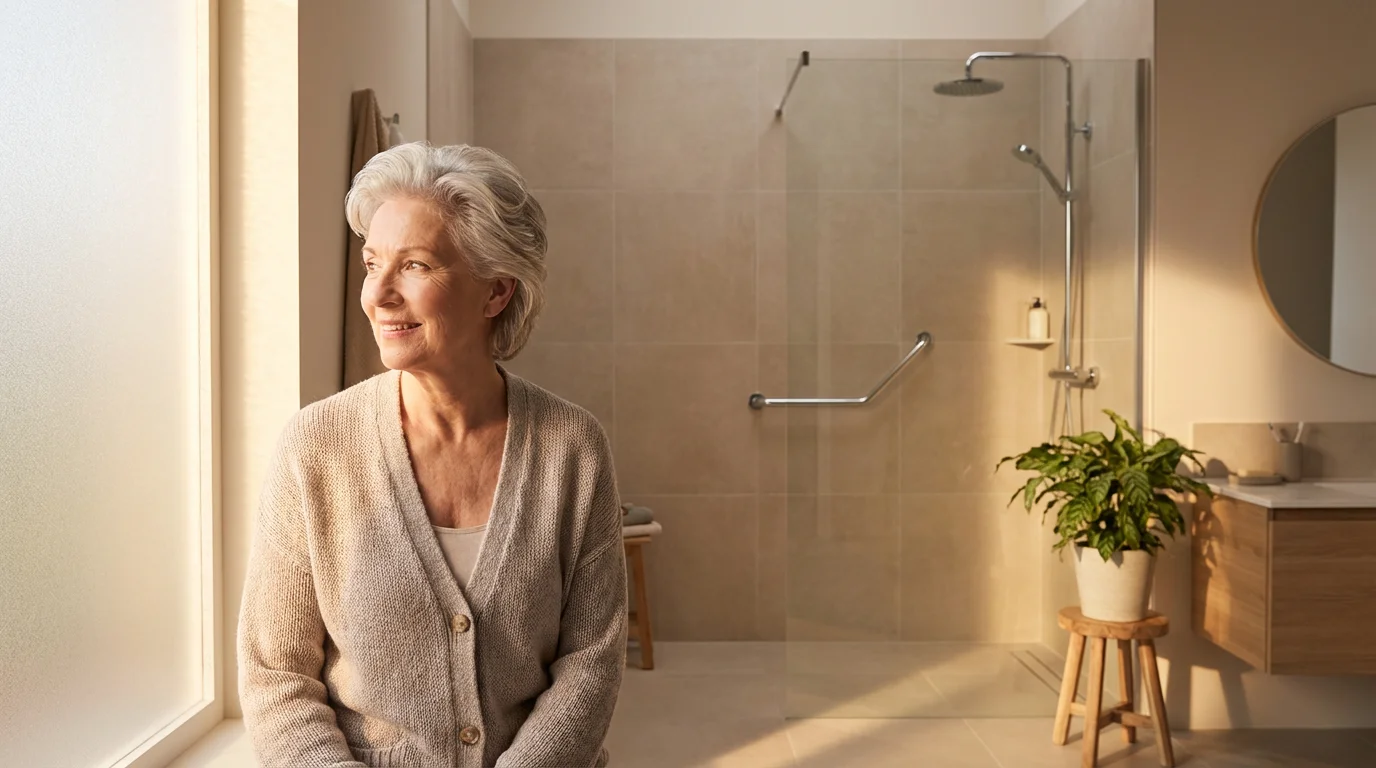
- Replace standard tubs with walk-in showers or curbless showers. These eliminate high thresholds, making entry and exit safer.
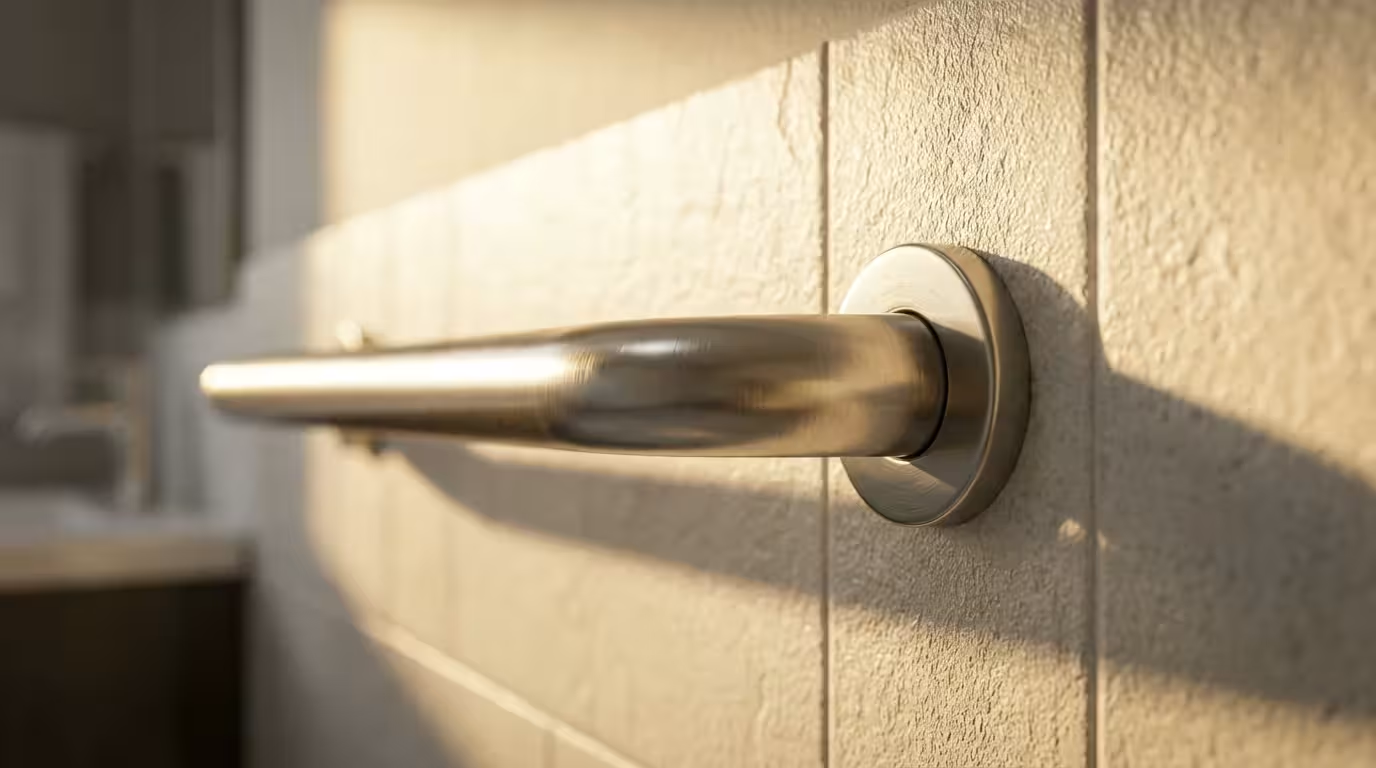
- Install grab bars near toilets and in the shower/tub area. Ensure they are professionally installed into wall studs for maximum stability.
- Use non-slip flooring materials in bathrooms.
- Raise toilet seats or install elevated toilet seats for easier use.
- Kitchens:
- Optimize storage for easy access, bringing frequently used items to counter height.
- Install pull-out shelves or lazy Susans in lower cabinets to avoid bending and reaching.
- Improve lighting, especially over countertops and stove areas, to prevent accidents.
- Consider lever-style faucet handles, which are easier to operate than knobs.
- Flooring:
- Remove throw rugs, which are significant tripping hazards.
- Ensure all carpets are securely fastened and free of frayed edges.
- Choose low-pile carpet or non-slip hard surfaces throughout the home.
- Lighting:
- Enhance overall illumination, especially in hallways, stairwells, and task areas.
- Install motion-sensor lights in outdoor areas and often-used indoor pathways.
- Ensure light switches are easily accessible, perhaps at waist height.
Key Home Renovation Areas for Retirement
Beyond essential safety measures, consider upgrades that enhance comfort, efficiency, and enjoyment of your living space. These home renovation projects transform your home into a sanctuary perfectly suited for your retirement lifestyle. What are the safest home upgrades for seniors? The answer often lies in balancing safety with comfort and personal preference.
Bathroom Upgrades
Bathrooms often present the most immediate renovation needs for seniors. Enhancing these spaces significantly impacts daily safety and convenience.
- Walk-in or Curbless Showers: These are paramount for preventing falls. A curbless shower allows seamless entry, perfect for individuals using a walker or wheelchair.
- Grab Bars: Strategically placed grab bars provide crucial support. Install them horizontally or vertically, depending on usage, near the toilet and inside the shower/tub.
- Comfort-Height Toilets: These toilets sit a few inches taller than standard models, making it easier to sit down and stand up.
- Non-Slip Surfaces: Apply non-slip treatments to shower floors and use textured tiles for bathroom floors to minimize slips.
Kitchen Enhancements
A functional kitchen remains vital for independent living. Thoughtful modifications ensure meal preparation remains enjoyable and safe.
- Accessible Storage: Install pull-out drawers, pantry shelves, and corner cabinet solutions. These eliminate the need to bend deeply or reach excessively.
- Lowered Countertops or Work Areas: Consider a section of lower countertop if you anticipate using a wheelchair or prefer to sit while cooking.
- Lever-Handle Faucets: These are easier to operate for those with arthritis or reduced hand strength compared to traditional knob-style faucets.
- Improved Task Lighting: Bright, shadow-free lighting over food preparation areas prevents accidents and strains.
General Home Accessibility and Comfort
Beyond specific rooms, consider broader modifications that enhance your home’s overall livability.
- Wider Doorways and Hallways: As previously mentioned, widening doorways to 36 inches accommodates mobility aids. Ensure hallways are clear and unobstructed.
- Stairlifts or Elevators: If your home has multiple levels and stairs become a barrier, a stairlift offers a practical solution. For more extensive renovations, a small home elevator can provide seamless floor-to-floor access.
- Ramps: Install permanent or portable ramps at entry points or to navigate small changes in floor level. Ensure ramps have appropriate slopes and handrails.
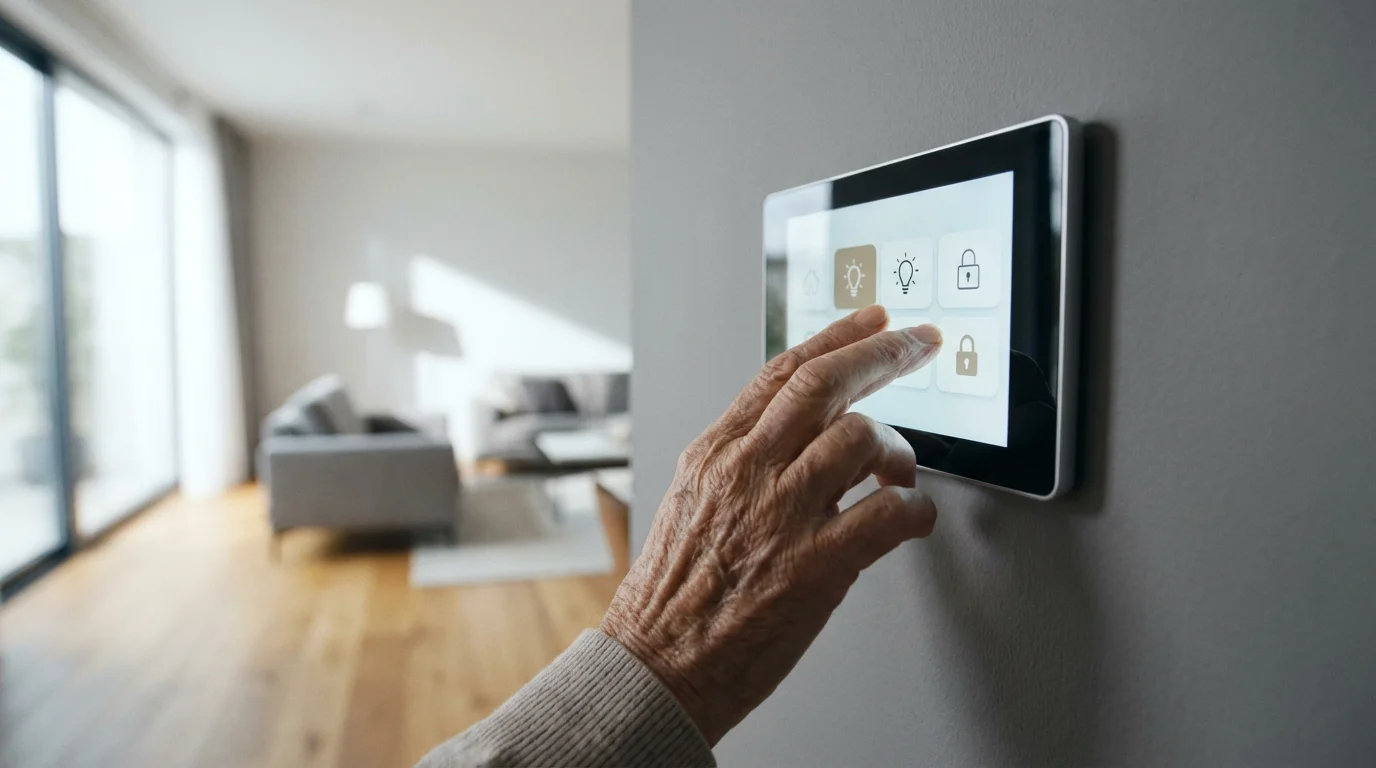
- Smart Home Integration: Explore smart home devices for lighting, temperature, and security, enhancing convenience and control.
- Lever Door Handles: Replace traditional doorknobs with lever handles, which are easier to grasp and operate.
“Retirement is not the end of the road. It is the beginning of the open highway.”
Smart Home Technology for Enhanced Living
Technology offers powerful tools to enhance independence, security, and convenience in your retirement home. Smart home systems are becoming increasingly user-friendly and can significantly improve your quality of life. Consider incorporating these technologies into your retirement projects.
Benefits of Smart Home Integration
Smart home devices provide numerous advantages for older adults:
- Enhanced Safety and Security: Smart door locks, video doorbells, and security cameras offer peace of mind. You can remotely monitor your home or grant access to trusted individuals.
- Improved Comfort and Convenience: Control lighting, thermostats, and even blinds with voice commands or a smartphone app. This eliminates bending, reaching, or navigating in the dark.
- Energy Efficiency: Smart thermostats learn your preferences and optimize heating and cooling, potentially reducing utility bills. Smart lighting systems automatically turn off lights in empty rooms.
- Assisted Living Features: Some systems offer medication reminders, fall detection sensors, and emergency call buttons, providing an added layer of safety.
Popular Smart Home Devices for Seniors
* Smart Lighting: Systems like Philips Hue or Lutron Caseta allow you to control lights via voice, app, or schedule. You can set scenes, dim lights, and ensure pathways remain lit.
* Voice Assistants: Devices such as Amazon Echo or Google Nest Hub provide voice control for a multitude of functions, from playing music to setting reminders and making calls.
* Smart Thermostats: Ecobee or Nest thermostats learn your routine and adjust temperatures, maintaining comfort and saving energy.
* Video Doorbells: Ring or Arlo doorbells allow you to see and speak to visitors from anywhere, enhancing security without needing to open the door.
* Smart Plugs: Convert any appliance into a smart device, allowing remote control or scheduling of lamps, coffee makers, or fans.
A connected home makes daily tasks simpler and provides an extra layer of security, contributing greatly to your ability to age in place comfortably.

Finding and Working with Qualified Contractors
The success of your home renovation projects largely depends on the professionals you hire. Selecting the right contractor requires diligence and clear communication. Do not rush this critical step.
Steps to Choosing a Contractor
1. Define Your Project: Clearly outline the scope of work, your budget, and your timeline. Specificity helps contractors provide accurate quotes.
2. Seek Recommendations: Ask friends, family, or neighbors for referrals. Local senior centers or community groups might also offer lists of trusted contractors experienced with senior home modifications.
3. Verify Credentials: Ensure the contractor is licensed, bonded, and insured. Verify their license with your state’s licensing board. Insurance protects you from liability if a worker is injured on your property.
4. Check References: Speak to at least three previous clients about their experience with the contractor. Ask about project timelines, communication, budget adherence, and overall satisfaction.
5. Obtain Multiple Bids: Get detailed written bids from at least three different contractors. Compare not only the price but also the scope of work, materials specified, and payment schedules. A very low bid can sometimes indicate cutting corners.
6. Review the Contract Carefully: Ensure the contract includes everything discussed: project scope, timeline, payment schedule, materials, warranty information, and a dispute resolution process. Never sign a contract you do not fully understand.
7. Communicate Clearly: Establish a clear communication plan with your contractor. Regular updates prevent misunderstandings and keep the project on track.
The National Association of Home Builders (NAHB) offers a Certified Aging-in-Place Specialist (CAPS) designation. CAPS-certified contractors have specific training in the needs of older adults and are well-versed in modifications that promote safety and independence. Seeking out a CAPS-certified professional can provide an added layer of assurance.

Maintaining Your Enhanced Home
Once you complete your retirement projects, ongoing maintenance protects your investment and ensures the long-term functionality of your upgrades. Regular upkeep is essential for sustained safety and comfort.
Tips for Home Maintenance in Retirement
* Regular Inspections: Periodically check grab bars, ramps, and stairlifts for any signs of wear or looseness. Ensure all railings remain secure.
* HVAC and Appliance Servicing: Schedule annual maintenance for your heating, ventilation, and air conditioning systems. Clean or replace filters regularly. Keep appliances clean and serviced.
* Electrical System Checks: Have an electrician inspect your wiring and outlets every few years, especially if you have an older home or have added significant new appliances.
* Plumbing Maintenance: Check for leaks, especially under sinks and around toilets. Address any dripping faucets promptly to prevent water damage and conserve water.
* Gutter and Roof Care: Keep gutters clear of debris to prevent water buildup that can damage foundations or roofs. Inspect your roof for missing shingles or signs of wear. Consider hiring a professional for tasks involving heights.
* Landscaping: Maintain clear pathways and trim bushes or trees that might obstruct entrances or lighting. Consider low-maintenance landscaping options.
Proactive maintenance prevents small issues from becoming large, expensive problems. It preserves the safety features you have installed and prolongs the life of your home and its improvements.
The Emotional and Social Benefits of an Adapted Home
The improvements you make to your home extend far beyond physical comfort and safety. An adapted home provides significant emotional and social benefits, contributing to a fulfilling retirement. These benefits reinforce the value of investing in your living space.
Enhanced Independence and Confidence
Living in a home designed for your current and future needs fosters a strong sense of independence. You retain control over your environment and daily routines, which builds confidence and self-reliance. This ability to navigate your home safely and easily reduces anxiety about potential limitations.
Peace of Mind for You and Your Family
Knowing your home is safe and accessible offers peace of mind. This tranquility extends to your family members, who can feel reassured that you are living in a secure and supportive environment. This often alleviates worries about potential accidents or the need for more intensive care.
Sustained Social Connections
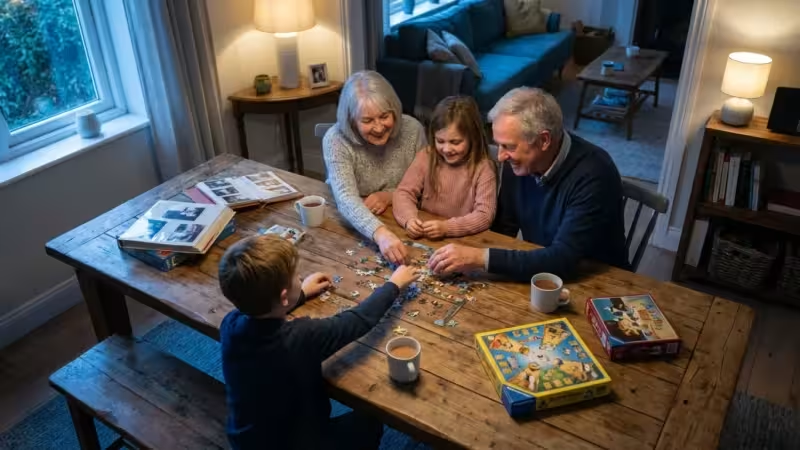
An accessible home makes it easier to host friends and family, maintaining vital social connections. If your home has steps or narrow doorways, guests with mobility challenges might struggle. Renovations like ramps and wider entrances ensure your home remains an inviting space for everyone. This supports your social well-being and prevents feelings of isolation.
Reduced Stress and Increased Enjoyment
When your home functions optimally, daily tasks become less burdensome. This reduction in stress allows you to focus more on leisure activities, hobbies, and enjoying your retirement. Your home becomes a true sanctuary, enhancing your overall enjoyment of life.
Investing in your home is investing in your future happiness and autonomy. These retirement projects provide a foundation for a comfortable, secure, and independent life, allowing you to truly thrive in your golden years.
Frequently Asked Questions
What are the most impactful home upgrades for aging in place?
The most impactful upgrades focus on safety and accessibility, particularly in bathrooms and entrances. Installing a curbless shower, grab bars, enhanced lighting, and addressing tripping hazards like throw rugs offers immediate and significant benefits for preventing falls and enhancing independence.
How do I know if I need to age-proof my home?
You should consider age-proofing if you experience any mobility challenges, have difficulty with stairs, or find routine tasks like stepping into a tub challenging. Proactive planning is always better; consider upgrades before urgent needs arise. Consult with an occupational therapist for a professional home assessment.
Can home improvements for seniors be tax-deductible?
Some home improvements may be tax-deductible if they qualify as medical expenses. For example, installing a ramp or widening doorways might be deductible if prescribed by a doctor for a medical condition. Keep detailed records and consult a tax professional to understand your eligibility.
What financial assistance is available for senior home modifications?
Several options exist, including personal savings, home equity loans or lines of credit, and reverse mortgages. Additionally, some state and local governments, as well as non-profit organizations, offer grants or low-interest loans for accessibility modifications. Explore resources from organizations like the National Council on Aging (NCOA) for potential programs.
Should I hire a contractor specializing in aging-in-place modifications?
Yes, hiring a Certified Aging-in-Place Specialist (CAPS) contractor is highly recommended. These professionals possess specialized training in the unique needs of older adults and understand the specific design principles and products that promote safety and accessibility in the home. They help ensure your retirement projects meet long-term goals.
Disclaimer: This article is for informational purposes only and does not constitute financial, legal, tax, or medical advice. Retirement planning involves complex decisions that depend on your individual circumstances. We strongly encourage readers to consult with qualified professionals—including financial advisors, attorneys, tax professionals, and healthcare providers—before making significant retirement decisions.







Leave a Reply