
Retirement offers a unique opportunity to deepen your connection with the younger generations in your family, especially your grandchildren. This period of life brings more time, flexibility, and a renewed perspective, allowing you to invest significantly in these precious family relationships. You now possess the invaluable gift of time, ready to create lasting memories and build strong bonds that enrich both your life and theirs.
You play a vital role in your grandchildren’s lives, offering them unconditional love, a sense of history, and a stable presence. This article explores practical ways to strengthen these connections, whether you live nearby or across different time zones. We provide actionable insights and concrete examples to help you become an active, cherished part of your grandchildren’s world.
Embracing Your Grandparenting Role in Retirement
Retirement reshapes your daily schedule, opening doors for more meaningful `grandparenting`. You move beyond the demands of your career, gaining the freedom to allocate your time and energy towards what truly matters: your `senior family` and the vibrant connections within it. This shift allows you to be more present, fostering deeper `family relationships`.
Your experience and wisdom become invaluable assets. Grandchildren often look to their grandparents for stories, comfort, and unique perspectives. Embrace this new phase, understanding that your role provides distinct benefits that parents, due to their immediate responsibilities, sometimes cannot offer. You offer a different kind of support, often more relaxed and purely focused on connection.

Building Strong Foundations: Communication and Presence
Effective communication forms the bedrock of strong `family relationships`. Actively listen to your grandchildren, showing genuine interest in their lives, hobbies, and concerns. Being a reliable presence, both physically and emotionally, signals your commitment to their well-being. This consistency builds trust and reinforces your bond.
Make an effort to understand their world, including their interests, friends, and the challenges they face. This understanding allows you to connect on their level, bridging generational gaps. Your presence communicates your love and value more powerfully than any words.
To enhance your communication and presence:
- Listen Actively: Put away distractions and give them your full attention when they speak. Ask open-ended questions that encourage detailed answers, moving beyond simple “yes” or “no.”
- Be a Safe Confidante: Create an environment where they feel comfortable sharing their thoughts and feelings without judgment. Respect their privacy and confidence, especially as they grow older.
- Participate in Their Interests: Show interest in their favorite games, movies, music, or school projects. Even a basic understanding helps you engage in their conversations more effectively.
- Establish Routine Contact: Regular phone calls, video chats, or visits, even short ones, reinforce your consistent presence in their lives. Predictability provides comfort and reassurance.
- Share Your World: Talk about your own interests, hobbies, and experiences. This reciprocal sharing makes the relationship dynamic and engaging for both of you.

Engaging Activities for Grandparents and Grandchildren
Spending quality time together creates cherished memories and strengthens your bond. The key lies in finding `fun activities with grandkids?` that suit different ages and interests, fostering shared experiences. These activities can range from simple daily routines to planned adventures, each contributing to a rich tapestry of togetherness.
Consider activities that encourage interaction, creativity, and learning. Tailor your choices to your grandchildren’s developmental stages and individual personalities. Remember, the goal is not perfection, but rather connection and enjoyment.
Here are some ideas for engaging activities:
- Outdoor Adventures: Take walks in local parks, visit playgrounds, or explore nature trails. Go fishing, birdwatching, or have a picnic. Simple outdoor play promotes physical activity and shared discovery.
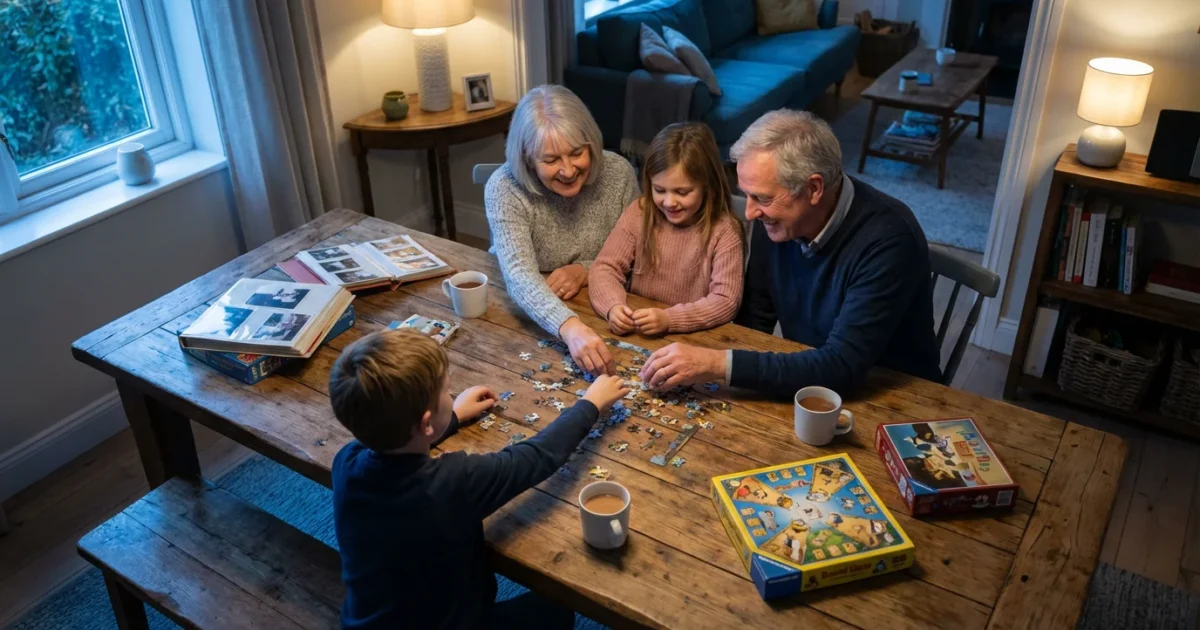
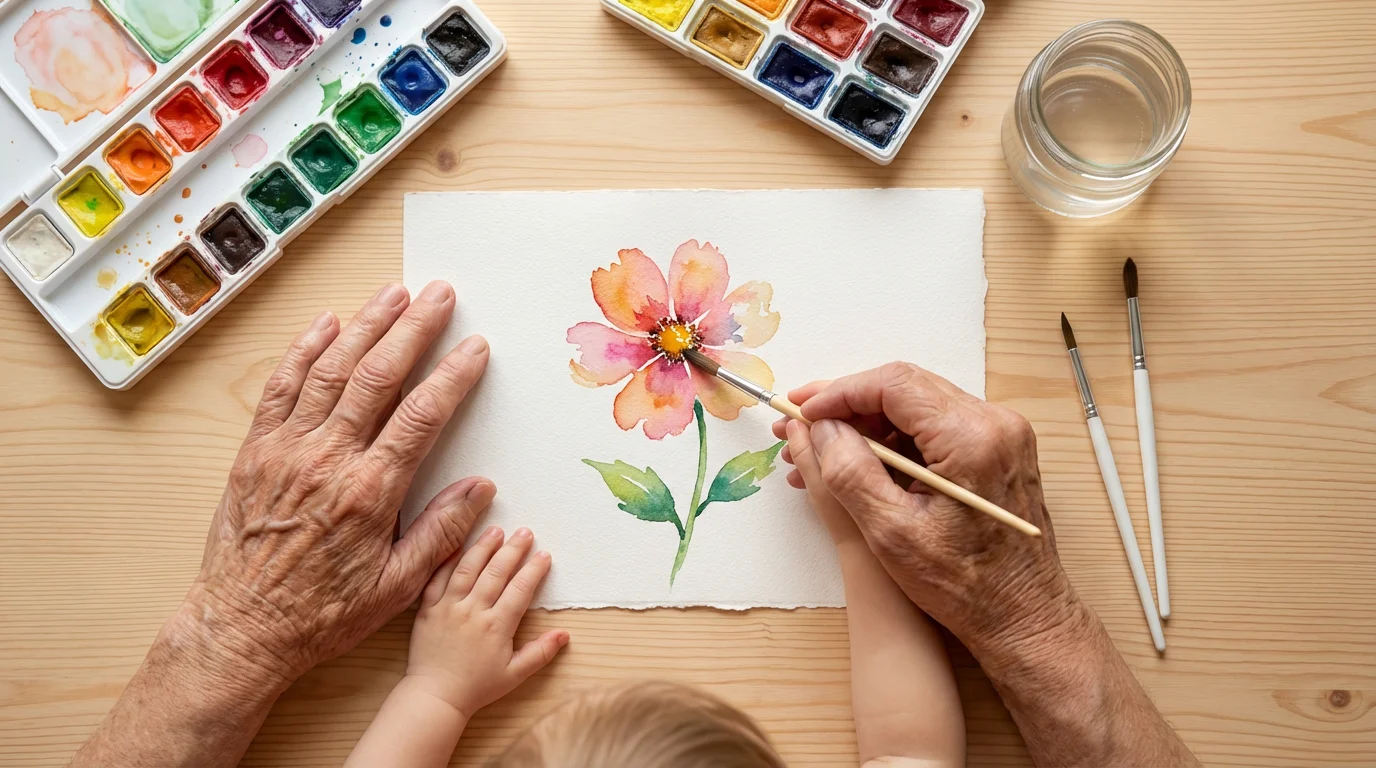
- Creative Projects: Engage in arts and crafts, such as painting, drawing, or making collages. Bake cookies or prepare simple meals together. Building models or doing puzzles also fosters creativity and problem-solving skills.
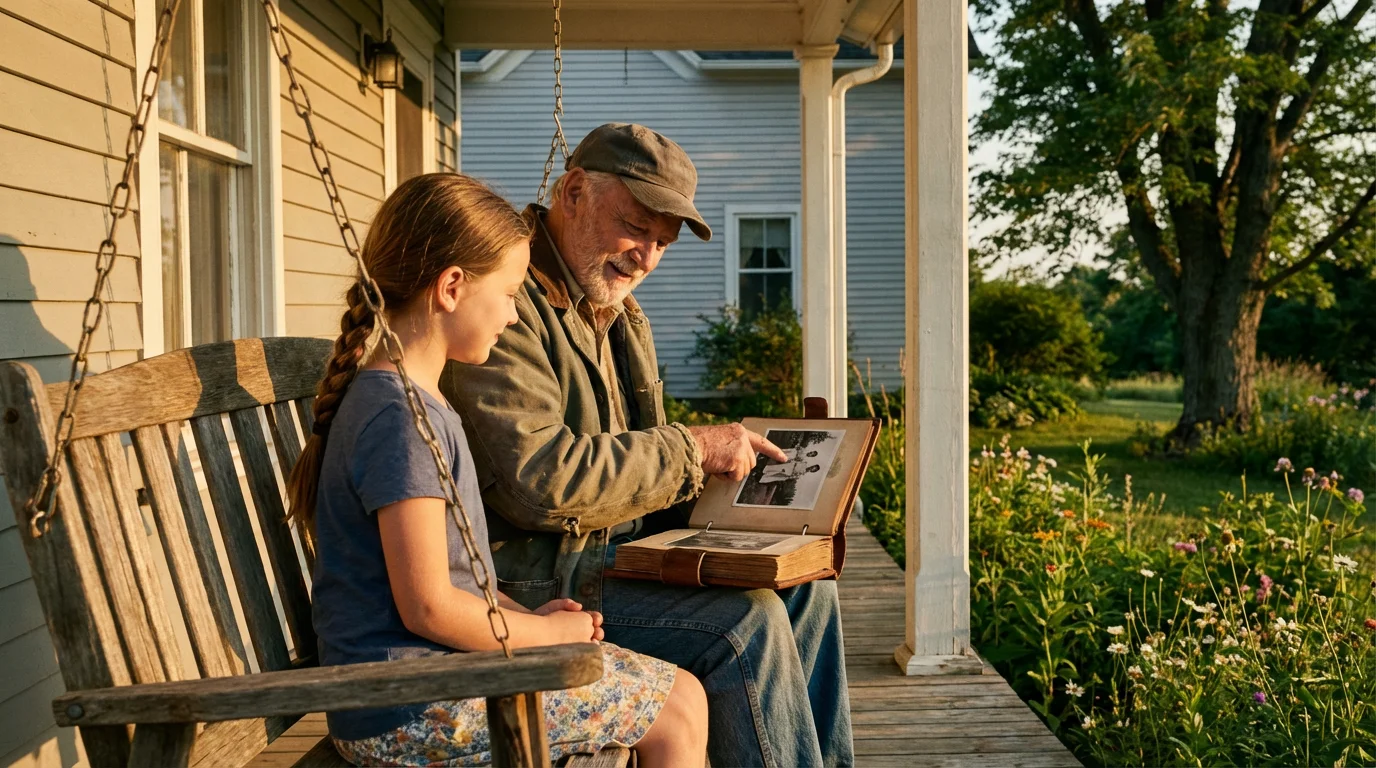
- Storytelling and Reading: Read books aloud to younger grandchildren. For older ones, share family stories, look through old photo albums, or even collaborate on writing a short story.
- Learning and Discovery: Visit museums, aquariums, zoos, or historical sites. Work on a science experiment together or plant a small garden. These activities spark curiosity and offer educational moments.
- Board Games and Puzzles: Classic board games, card games, and jigsaw puzzles provide entertainment and encourage strategic thinking. They offer a relaxed setting for conversation and laughter.
- Attend Events: Go to their school plays, sporting events, or concerts. Your presence shows your support and pride in their achievements. Share cultural experiences like a local festival or a matinee movie.
These shared experiences build a foundation of positive memories, creating a lasting impact on your `senior family` connections.

Connecting Across Distances: Remote Grandparenting Strategies
Geographic distance no longer prevents strong `family relationships`. Technology offers numerous tools for `how to connect with grandchildren remotely?` ensuring you remain an active part of their lives. These strategies help bridge the miles, maintaining emotional closeness despite physical separation.
Embrace video calls, online games, and digital communication to stay in touch. Consistency and creativity are key to making remote connections feel personal and meaningful. You can create a vibrant remote presence, making your grandchildren feel your love from afar.
Effective remote grandparenting strategies include:
- Schedule Regular Video Calls: Establish a consistent time for video calls using platforms like Zoom, FaceTime, or Google Meet. Make these calls interactive by playing simple games, reading stories, or showing them things around your home.
- Send Thoughtful Mail: Grandchildren love receiving physical mail. Send postcards, letters, small gifts, or even a drawing you made. This personal touch creates excitement and a tangible connection.
- Read Aloud Virtually: Use video calls to read bedtime stories to younger grandchildren. You can even use apps that allow you to record yourself reading a book.
- Play Online Games Together: Explore child-friendly online games or apps that allow multiple players. This shared activity provides fun interaction and a sense of togetherness.
- Share Digital Content: Create a shared photo album or video playlist. Send them links to interesting articles, videos, or educational content related to their interests.
- Collaborate on Projects: Suggest virtual projects, like writing a story together where you each contribute paragraphs, or creating a shared digital scrapbook.
- Watch Movies Simultaneously: Use browser extensions that allow you to synchronize movie playback and chat in real-time while watching a film together.
- Plan Virtual Visits: Take your grandchildren on a virtual tour of a museum, zoo, or national park using online resources. Describe what you see and hear as if you were there together.

Navigating Family Dynamics and Boundaries
Your role as a grandparent intersects with your adult children’s roles as parents. Establishing clear, respectful boundaries ensures harmonious `family relationships` and supports your adult children’s parenting styles. This approach fosters cooperation and minimizes potential conflicts.
Communicate openly and honestly with your adult children about your expectations and availability. Understand their rules and preferences for their children, and consistently uphold them. Your respect for their parenting decisions strengthens the entire `senior family` unit.
Consider these tips for navigating family dynamics:
- Respect Parental Authority: Always defer to your adult children’s parenting rules and decisions. Undermining their authority can create tension and confusion for your grandchildren.
- Communicate Openly: Have direct conversations with your adult children about your role, availability, and their expectations. Clarify any concerns or differing opinions respectfully.
- Offer Support, Not Interference: Provide help when asked, whether it is babysitting, offering advice, or providing practical assistance. Avoid unsolicited advice or criticism regarding their parenting.
- Discuss Financial Contributions: If you plan to provide financial support, discuss this openly with your adult children to ensure alignment and avoid misunderstandings. We will cover this further.
- Be Flexible: Understand that family schedules and needs can change. Your willingness to adapt shows your commitment to the family’s overall well-being.
- Prioritize Grandchild’s Best Interest: Always keep your grandchildren’s well-being at the forefront of your decisions and interactions. This shared goal unites all family members.

Financial Considerations for Grandparents
Grandparents often consider providing financial support, whether for immediate needs, educational savings, or future inheritances. These decisions require careful planning and should align with your own retirement financial security. Always prioritize your financial stability before extending significant financial help to your grandchildren or adult children.
Thoughtful financial planning safeguards your future while allowing you to contribute meaningfully to your `senior family` when appropriate. Discuss any substantial financial contributions with your adult children and, crucially, consult with a qualified financial advisor. They help you understand the impact on your retirement savings, explore tax implications, and determine the most effective ways to provide support without jeopardizing your own financial health. For instance, contributing to a 529 plan for college savings can offer tax advantages, but your advisor can outline the specifics. The Consumer Financial Protection Bureau offers resources on managing money in retirement, which can inform these discussions.
Grandchildren are the dots that connect the lines from generation to generation. – Lois Wyse
Leaving a Legacy: Passing Down Values and Stories
Your `grandparenting` role extends beyond activities and gifts; it encompasses passing down your heritage, values, and life lessons. Sharing family stories, traditions, and your personal history creates a rich legacy for your grandchildren. This connection to the past grounds them in their identity and provides a sense of belonging within your `senior family`.
Use your retirement years to document and share your experiences. These narratives teach resilience, wisdom, and cultural understanding, shaping your grandchildren’s perspectives. You offer them roots and wings, connecting them to where they came from and inspiring them for where they are going.
Ways to pass down your legacy:
- Share Family Stories: Tell anecdotes about your childhood, your parents, and significant family events. These personal histories bring the past to life and help grandchildren understand their roots.
- Teach Family Traditions: Involve them in holiday traditions, cultural customs, or family recipes. These shared rituals create lasting memories and a sense of continuity.
- Create a Family Tree: Work together on researching and documenting your family history. This project teaches them about their ancestors and strengthens their identity.
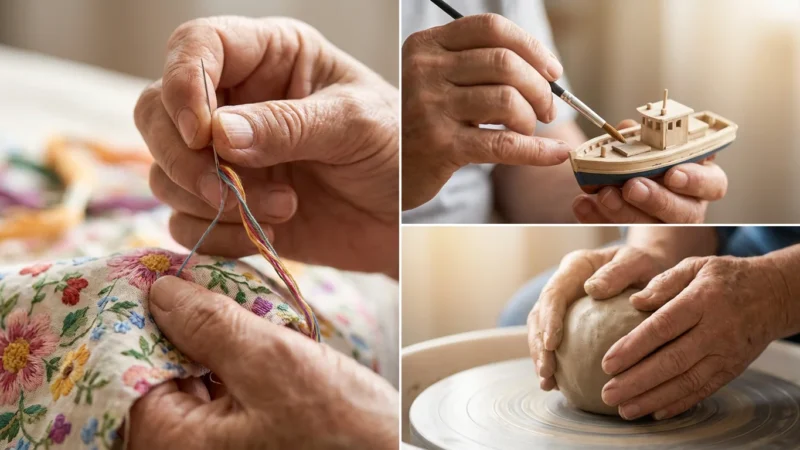
- Pass Down Skills and Hobbies: Teach them a skill you possess, such as knitting, woodworking, gardening, or playing a musical instrument. These shared activities create bonds and practical knowledge.
- Document Memories: Write a memoir, create a photo album with captions, or record oral histories. These tangible keepsakes provide a valuable record for future generations.
- Instill Core Values: Discuss values like kindness, honesty, perseverance, and community service. Lead by example and find opportunities to demonstrate these values in action.
- Visit Significant Places: Take them to places that hold special family meaning, such as your childhood home, a family landmark, or a place where important events occurred.

Prioritizing Your Well-being as a Grandparent
Maintaining your own health and well-being directly impacts your ability to be an engaged and active grandparent. Retirement brings opportunities for renewed energy, but it also demands attention to physical health, mental sharpness, and emotional balance. Your capacity to connect with your `senior family` depends on your vitality.
Regular exercise, a balanced diet, sufficient sleep, and intellectual engagement are crucial. Prioritize self-care, ensuring you have the energy and patience required for active `grandparenting`. AARP provides numerous resources on healthy aging and staying active in retirement, which directly supports your ability to participate in your grandchildren’s lives. Remember, a healthy grandparent is a happy and effective grandparent.
Frequently Asked Questions
How can I avoid spoiling my grandchildren with gifts?
Balance gift-giving with experiences and quality time. Instead of always buying material items, offer to take them on an outing, teach them a skill, or simply spend time playing games. Discuss gift expectations with their parents to ensure alignment and avoid misunderstandings. Your presence and attention often mean more than any gift.
What if my grandchildren live far away and I cannot visit often?
Utilize technology for regular video calls and online activities. Send thoughtful cards, letters, or small packages. Plan virtual story times, play online games together, or watch movies simultaneously. Consistency in communication, even remotely, builds and maintains strong `family relationships` despite the distance.
How do I balance my retirement lifestyle with grandparenting responsibilities?
Communicate your availability and boundaries clearly with your adult children. While retirement offers flexibility, you still have your own plans and needs. Schedule grandparenting time that fits your lifestyle, ensuring you also maintain your personal hobbies, social life, and self-care routines. A balanced approach benefits everyone in the `senior family`.
Is it appropriate to give my grandchildren advice about life or school?
Offer advice thoughtfully and respectfully, always deferring to their parents’ guidance. Ask their parents if they are comfortable with you providing input on specific topics. When offering advice directly to grandchildren, frame it as a personal experience or suggestion, rather than a directive. Always encourage them to discuss important matters with their parents first.
My grandchild seems withdrawn, what should I do?
Observe their behavior without judgment and try to create a safe space for them to open up. Share your concern with their parents and discuss if they have noticed similar changes. Avoid pressing your grandchild for information. Instead, simply be present, offer comfort, and reassure them of your love and support. Professional help may be necessary if the behavior persists or worsens.
Disclaimer: This article is for informational purposes only and does not constitute financial, legal, tax, or medical advice. Retirement planning involves complex decisions that depend on your individual circumstances. We strongly encourage readers to consult with qualified professionals—including financial advisors, attorneys, tax professionals, and healthcare providers—before making significant retirement decisions.








Leave a Reply