
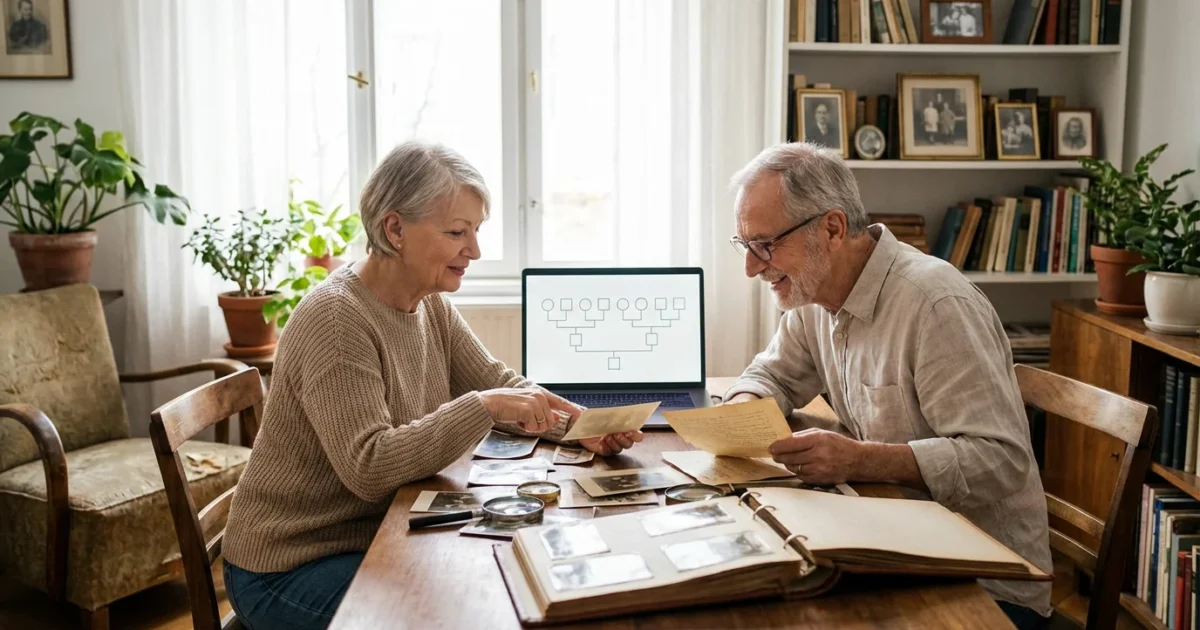
Retirement offers a unique opportunity to pursue passions and projects you postponed during your working years. For many adults 55 and older, this includes delving into their family history, a deeply rewarding journey known as senior genealogy. Discovering your roots connects you to generations past, unravels fascinating stories, and can even provide new perspectives on your own identity.
This comprehensive guide helps you embark on your personal quest to research your family history. You will learn practical steps, discover valuable resources, and gain actionable insights to uncover the rich tapestry of your ancestral narrative. Prepare to transform your retirement research into an exciting adventure.
Why Genealogy Enriches Your Retirement
Retirement provides the gift of time, a crucial ingredient for the meticulous work of senior genealogy. This pursuit offers more than just a hobby, it delivers significant personal benefits, enhancing your well-being and cognitive health.
Engaging in family history research stimulates your mind, improving memory recall and problem-solving skills as you piece together historical puzzles. The process of searching for clues, interpreting old documents, and connecting disparate facts exercises various parts of your brain. Many retirees report a renewed sense of purpose and intellectual engagement through their genealogical studies.
“The further backward you can look, the further forward you are likely to see.” — Winston Churchill
Genealogy also fosters deeper connections. You often collaborate with living relatives, sharing stories and memories that strengthen family bonds. It can lead to discovering distant cousins you never knew you had, expanding your social circle and providing new avenues for connection. This social interaction combats feelings of isolation, a common concern in retirement. The National Institute on Aging highlights the importance of engaging in mentally stimulating activities and maintaining social connections for healthy aging, both of which genealogy strongly supports.
Finally, understanding your family history provides a sense of belonging and identity. It helps you comprehend the sacrifices, struggles, and triumphs of those who came before you, offering a richer context for your own life story. This legacy discovery is a profound and satisfying experience for many retirees.

Starting Your Family History Journey
Beginning your family history journey requires a systematic approach. You do not need to be a historian to start. Instead, simply gather what you already know and build from there. This initial phase lays a solid foundation for your ongoing research.
Start with yourself and work backward. This method ensures you establish accurate connections before venturing into less familiar territory. Record everything carefully from the beginning, as this meticulousness prevents errors later on.
Here are your crucial first steps:
-
Start with Yourself: Document your full name, birth date, and place of birth. Include your marriage date and place, if applicable, and the names of your children.
-
Record Known Relatives: List your parents, grandparents, and great-grandparents, including their full names, birth dates and places, marriage dates and places, and death dates and places. Jot down any siblings they had.
-
Note Down Key Information: For each person, record occupations, residences, significant life events, and any known stories or anecdotes. Even small details can be valuable clues.
-
Create a Pedigree Chart: Use a standard genealogical chart to visualize your direct ancestors. Many free templates are available online or at local libraries. This chart helps you see gaps in your knowledge quickly.
-
Establish a Research Log: Maintain a simple log of every record you search, even if it yields no new information. Include the date of the search, the source you checked, and the results. This prevents you from repeating searches and keeps your research organized.
Uncovering Home Sources and Family Stories
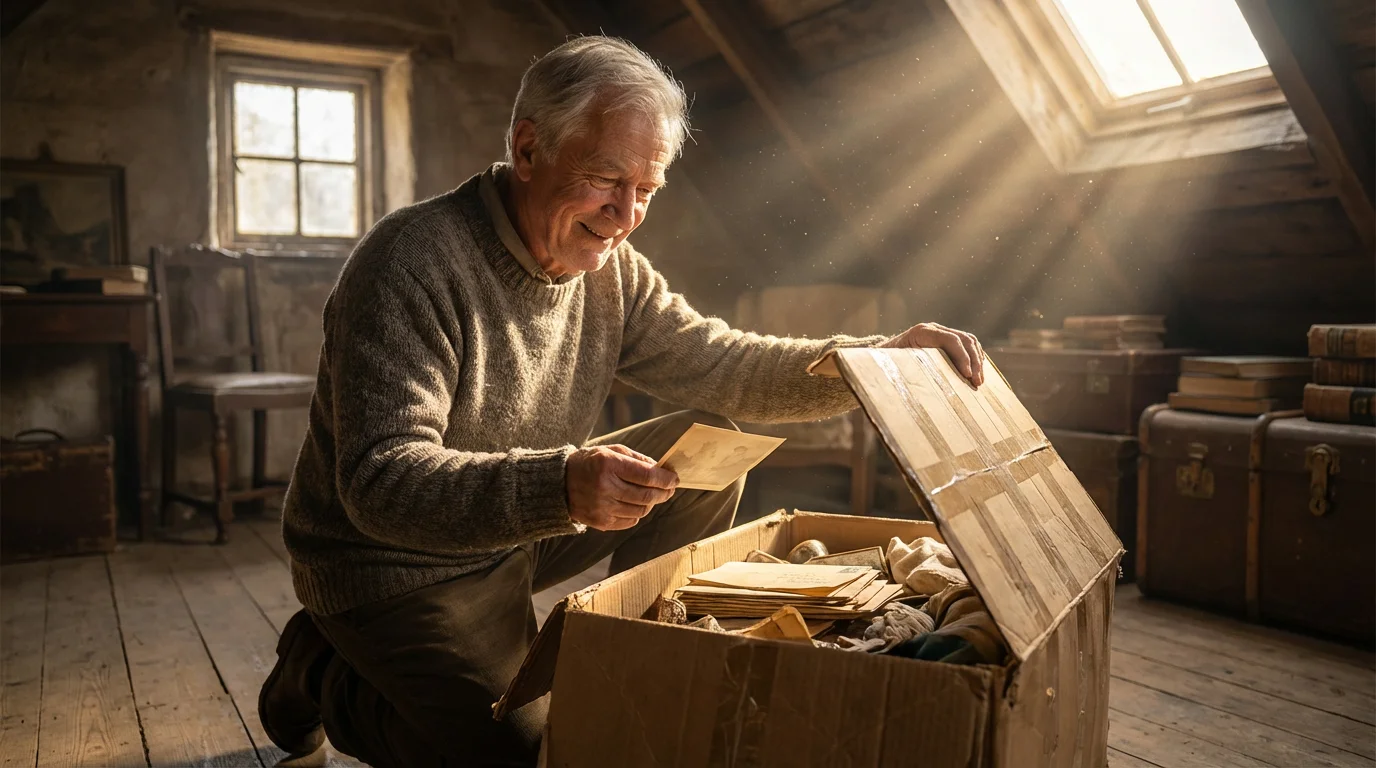
Your own home and your living relatives are invaluable primary sources for family history. Before you turn to external databases, tap into these accessible reservoirs of information. These personal connections often provide the rich narratives that official documents lack.
Begin by systematically examining documents and artifacts within your own household. Look through old boxes, photo albums, and drawers for hidden treasures. These items serve as tangible links to your past.
Valuable home sources include:
-
Birth, Marriage, and Death Certificates: These provide official dates, places, and often parental information.
-
Family Bibles: Many contain handwritten records of births, marriages, and deaths spanning generations.
-
Letters and Diaries: These offer personal insights into daily life, relationships, and significant events.
-
Photographs: Annotate old photos with names, dates, and locations if you know them. Unknown individuals can spark conversations with relatives.
-
Military Records: Discharge papers, service records, and medals often contain birth dates, enlistment details, and places of origin.
-
Newspaper Clippings: Obituaries, wedding announcements, and news articles can provide rich biographical details.
Once you have thoroughly explored your own records, turn to your oldest living relatives. They hold a wealth of firsthand memories and stories that may not exist in any written form. These interviews are crucial for capturing oral histories before they are lost.
Tips for conducting family interviews:
-
Prepare Questions: Have a list of open-ended questions ready. Ask about childhood memories, significant events, family traditions, and details about their parents and grandparents.
-
Record the Conversation: With permission, use a voice recorder or video camera. This ensures you capture every detail accurately and allows you to focus on listening.
-
Bring Photos and Documents: Old photos or documents can jog memories and spark conversations. Show them items they might recognize.
-
Be Respectful and Patient: Allow your relatives to tell their stories at their own pace. Some memories might be difficult, so be sensitive to their feelings.
-
Follow Up: Send a thank-you note and share any information you found valuable. Offer to share your discoveries as your research progresses.

Navigating Online Genealogy Resources
The internet revolutionized family history research, making countless records accessible from your home. As a senior researcher, you will find these digital archives indispensable for expanding your family tree. Understanding how to use these platforms effectively saves time and yields significant discoveries.
Major online genealogy platforms:
-
Ancestry.com: This is arguably the largest commercial genealogy website, boasting billions of historical records including census data, immigration records, birth, marriage, and death certificates. It offers a robust family tree builder and DNA services. Subscriptions are required for full access.
-
FamilySearch.org: Sponsored by The Church of Jesus Christ of Latter-day Saints, FamilySearch is a massive, free resource. It provides access to a vast collection of digitized records from around the world, a collaborative family tree, and free learning resources. It is an excellent starting point for any researcher.
-
MyHeritage.com: Similar to Ancestry, MyHeritage offers a large database of historical records, a family tree builder, and DNA testing services. It has strong international record coverage, particularly in Europe.
-
Findmypast.com: This site specializes in British and Irish records, though it also has collections from the United States, Canada, and Australia. It is a vital resource if your ancestors hail from these regions.
Beyond these major players, numerous smaller, specialized websites offer valuable information:
-
Newspaper Archives: Sites like Newspapers.com or Chronicling America (Library of Congress) provide access to digitized historical newspapers, which often contain obituaries, social announcements, and local news stories.
-
Find A Grave: This free site allows you to search for gravesite information, including photos of headstones, birth and death dates, and family connections.
-
USGenWeb Project: A volunteer-driven project, this site offers free genealogical information organized by state and county within the United States. Volunteers often transcribe local records.
-
Archival Websites: Many national and state archives, such as the National Archives and Records Administration (NARA) in the US, provide digital access to military records, census records, and other government documents.
Tips for effective online searching:
-
Be Creative with Spellings: Names were often spelled phonetically or inconsistently in historical records. Try variations of names.
-
Use Wildcards: Many search engines allow wildcard characters (like * or ?) to replace unknown letters in a name.
-
Filter Your Searches: Use dates, locations, and other known facts to narrow down broad searches. Too much information can overwhelm results.
-
Review Original Records: Always try to view the original digitized document, not just the transcribed index. Transcriptions can contain errors, and the original document might hold additional clues.
-
Look for Family Trees: Many sites host user-submitted family trees. Use these as clues, but verify information against original records yourself. Do not assume they are always accurate.
Exploring Offline Archives and Local Libraries
While online resources are powerful, many critical records remain undigitized or are best viewed in person. Venturing into local archives, libraries, and genealogical societies provides access to unique collections and expert guidance. This can be a rewarding aspect of your retirement research, allowing for travel and new experiences.
Community resources offering valuable insights:
-
Local Public Libraries: Most public libraries have local history and genealogy sections. These often include city directories, local histories, plat maps, high school yearbooks, and microfilmed newspapers not found online. Librarians are often knowledgeable about local resources.
-
County Courthouses: These hold original birth, marriage, death, land, and probate records. The exact availability of records varies by jurisdiction and age. You might need to visit in person or send a written request.
-
State Archives: State archives typically preserve more extensive collections of government records, including census schedules, military records, institutional records, and historical newspapers specific to that state.
-
Historical Societies: Local and regional historical societies often collect unique family papers, diaries, photographs, and oral histories relevant to their specific area. They are community hubs for local history.
-
Genealogical Societies: Joining a genealogical society, either locally or for a specific ethnic group or region, connects you with experienced researchers. They offer workshops, lectures, and access to members-only resources. Many societies have their own libraries of specialized materials.
-
University Libraries: Larger university libraries frequently have extensive special collections departments with rare books, manuscripts, and archival materials that can be relevant to genealogical research, especially if your ancestors had notable connections.
Tips for visiting archives and libraries:
-
Plan Ahead: Call or check the institution’s website for hours, specific collection availability, and any access requirements (e.g., appointment needed, research card application).
-
Know What You Need: Have specific names, dates, and locations ready. Librarians and archivists can assist you better if you present clear research questions.
-
Understand Policies: Most institutions have rules about what you can bring in (no pens, food, or large bags) and how you can copy materials (personal cameras often allowed, but check).
-
Ask for Help: Do not hesitate to ask staff for guidance. They are experts in their collections and can point you to overlooked resources.
-
Network: Engage with other researchers you encounter. They might have valuable tips or even be researching the same family lines.

Understanding DNA Testing for Genealogy
DNA testing has emerged as a powerful tool in modern family history research, offering a new dimension to uncovering your roots. This technology helps confirm existing family lines, break through “brick walls” in your research, and discover previously unknown relatives. Understanding the different types of tests and their applications is key.
Three primary types of DNA tests are relevant to genealogy:
-
Autosomal DNA (atDNA) Test: This is the most common and popular test, offered by companies like AncestryDNA, 23andMe, MyHeritage DNA, and FamilyTreeDNA. It examines DNA inherited from all your ancestors, both maternal and paternal lines, up to about 5-7 generations back. It is excellent for finding distant cousins and estimating your ethnic origins.
-
Y-DNA Test: This test analyzes the Y chromosome, which only males possess and inherit directly from their fathers. It traces a direct paternal line back many generations. Only males can take this test, but female researchers can have a father, brother, or paternal uncle take it on their behalf.
-
Mitochondrial DNA (mtDNA) Test: This test examines mitochondrial DNA, which is inherited directly from mothers by both sons and daughters. It traces a direct maternal line back many generations. Both males and females can take this test.
How DNA testing helps your research:
-
Finding Relatives: DNA tests match you with other individuals in the testing company’s database who share significant amounts of DNA, indicating a common ancestor. This can lead to new cousins and research collaboration.
-
Breaking Brick Walls: If you are stuck on an ancestral line, DNA matches might connect you to relatives who have already researched that line, providing new clues or confirmation.
-
Verifying Relationships: DNA can confirm suspected relationships. For example, if you suspect two individuals were siblings, a DNA test of their descendants could provide strong evidence.
-
Ethnic Origin Estimates: While not precise, these estimates offer a general idea of your ancestral geographical origins, which can guide further research into specific regions.
Considerations before testing:
-
Privacy: Understand how your DNA data is stored and used by the testing company. Review their privacy policies carefully.
-
Unexpected Discoveries: Be prepared for potential surprises, such as discovering unknown relatives or different biological parentage. This can be emotionally complex for families.
-
Cost: Test prices vary between companies and for different types of tests. Promotions occur frequently, so watch for sales.
-
Combine with Documentary Evidence: DNA evidence is most powerful when combined with traditional documentary research. DNA tells you who you are related to, but records confirm how.
Organizing and Preserving Your Family Legacy
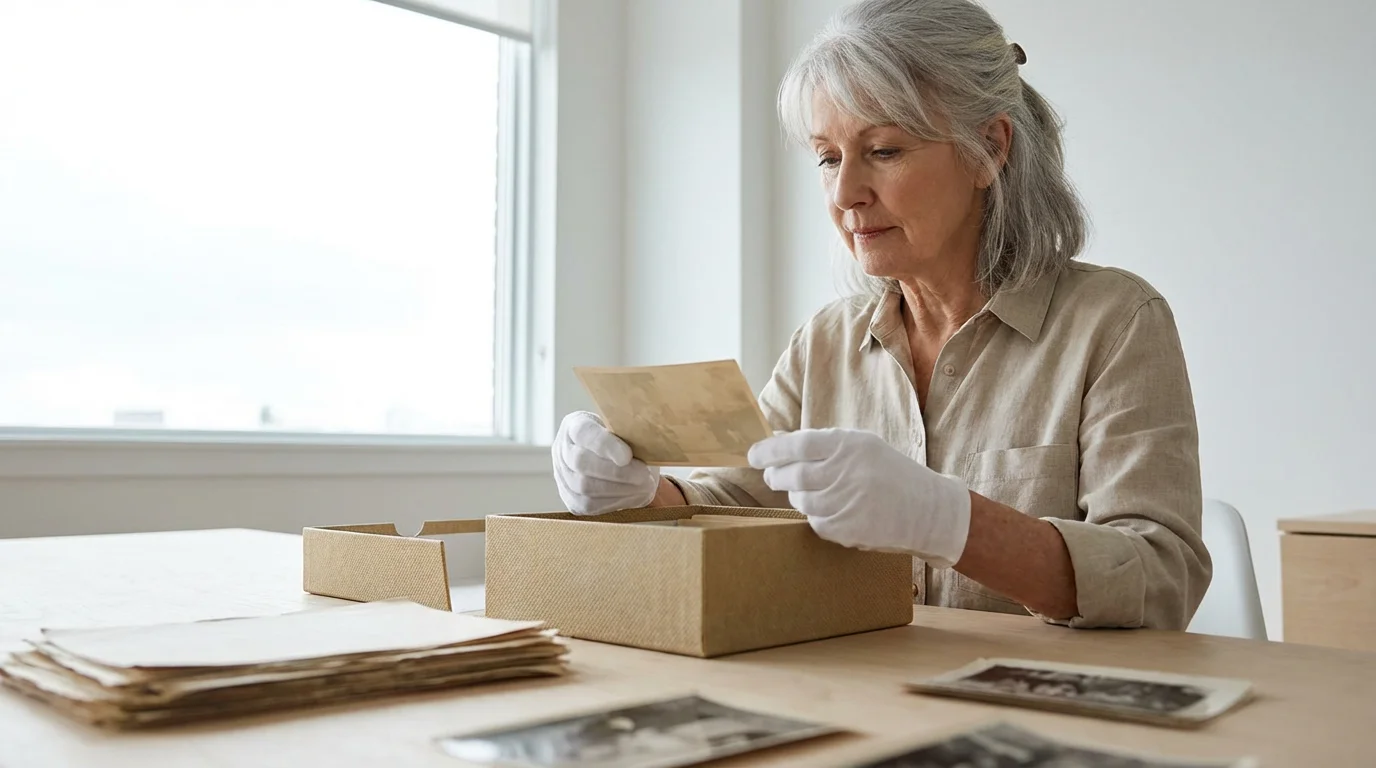
As your retirement research progresses, you will accumulate a vast amount of information, documents, and photographs. Effective organization is paramount to managing this data, making it accessible for future use, and preserving your family legacy for generations to come. A well-organized system allows you to easily share your discoveries.
Strategies for organizing your genealogical findings:
-
Digital Files: Create a logical folder structure on your computer or cloud storage (e.g., by surname, then by generation). Name files consistently (e.g., “Smith_John_1850_Census_Ohio.jpg”). Scan all paper documents and photos to create digital copies.
-
Genealogy Software: Programs like RootsMagic, Legacy Family Tree, or Ancestral Quest help you build and manage your family tree, attach sources, and generate reports. Online platforms like Ancestry.com and FamilySearch.org also offer robust tree builders.
-
Source Citations: For every piece of information, record where you found it. This allows you to re-verify facts and helps others trace your steps. Good citation practices are a hallmark of thorough research.
-
Physical Documents: For original documents, use acid-free archival sleeves and folders to protect them from deterioration. Store them in a cool, dry place away from direct sunlight.
-
Research Log: Continue to use your research log to track what you have searched, what you found (or did not find), and what your next steps are. This prevents redundant work and keeps you focused.
The culmination of your hard work is the opportunity to share your discoveries. This ensures your legacy lives on and prevents your valuable research from being lost. Sharing can take many forms, catering to different interests and tech comfort levels.
Ways to share your family history:
-
Printed Family History Book: Compile your research into a narrative book, complete with photos, document copies, and family stories. You can self-publish through various online services.
-
Online Family Tree: Build a tree on platforms like Ancestry or FamilySearch. These platforms allow you to invite relatives to view, comment, and even contribute to the tree.
-
Family Website or Blog: Create a dedicated website or blog to share stories, photos, and research findings. This can be a flexible and engaging way to present your work.
-
Oral Presentations: Give presentations to family gatherings, local historical societies, or genealogical groups. Storytelling brings your ancestors to life.
-
Digital Photo Albums: Curate digital photo albums with captions and share them via cloud services or create photo books.
-
Donate Copies: Consider donating copies of your research or a compiled family history book to local genealogical societies or libraries where your ancestors lived. This makes your work accessible to other researchers.
Overcoming Common Genealogy Challenges
Genealogical research is rarely a straightforward path. You will inevitably encounter obstacles, often referred to as “brick walls,” where a record trail seems to end. Do not let these challenges discourage you. Many seasoned senior genealogy researchers view these difficulties as opportunities for creative problem-solving and deeper investigation.
Common challenges and strategies for overcoming them:
-
Missing or Destroyed Records: Fires, floods, and wars have destroyed countless historical documents.
- Strategy: Look for “substitute records.” If a birth certificate is missing, search for baptismal records, census entries, obituaries, or military records that might contain birth information. Consult neighboring county records, as boundary lines sometimes shifted.
-
Common Names: Researching an ancestor named John Smith in a populous area can be incredibly difficult due to the sheer number of people with the same name.
- Strategy: Add more identifying details to your search. Look for unique spouses, children, occupations, or specific addresses. Broaden your search to include all known family members to distinguish your ancestor from others. Use middle names or nicknames when possible.
-
Illegible Handwriting and Archaic Language: Old documents often feature cursive handwriting that is difficult to read and contain outdated terminology.
- Strategy: Practice reading old script. Online tutorials and paleography guides can help. Transcribe difficult documents letter by letter. Use a dictionary for archaic words. Look for patterns in common words.
-
Migration and Border Changes: Ancestors often moved, and political borders shifted, complicating geographical searches.
- Strategy: Research historical geography. Understand the boundaries of counties, states, and countries at the time your ancestor lived there. Use migration maps and historical atlases to track movements. Check records in both the origin and destination locations.
-
Lack of Information for Female Ancestors: Historically, women are often harder to trace because their names changed upon marriage, and they were less frequently recorded in official documents.
- Strategy: Focus on their husbands, fathers, and children. Look for marriage records, obituaries of their spouses, and birth records of their children, which often name the mother’s maiden name. Research all associated families.
-
Privacy Restrictions on Recent Records: Records for living individuals or those who died recently are often restricted to protect privacy.
- Strategy: Be patient. These records become publicly available after a certain number of years. Focus on older generations first. You can also ask living relatives for their direct permission to share their personal information.
Remember that every “brick wall” is an invitation to explore a new avenue of research. Join a genealogical society, consult with experienced researchers, or revisit your initial assumptions. Persistence and a willingness to explore unconventional sources are your greatest assets in overcoming these hurdles.
Frequently Asked Questions
What are genealogy resources for seniors that are free?
FamilySearch.org is the most comprehensive free genealogy resource, offering billions of records and a collaborative family tree. Other valuable free resources include the USGenWeb Project, Find A Grave, and the Chronicling America newspaper archive from the Library of Congress. Many local libraries also provide free access to paid genealogy databases when you visit in person.
How can I research my family history effectively as a retiree?
Start by organizing what you already know, interviewing living relatives, and examining home documents. Then, methodically expand your search using online databases like FamilySearch and Ancestry. Visit local libraries and archives for unique local records. Keep a detailed research log to track your progress and avoid repeating searches.
Is DNA testing necessary for family history research?
DNA testing is not strictly necessary, but it is a powerful tool that can complement traditional genealogical research. It helps confirm family lines, discover unknown relatives, and provide clues to break through “brick walls.” However, always combine DNA evidence with documentary records for the most accurate conclusions.
How do I protect my family’s old photos and documents?
Scan all your old photos and documents to create digital backups. For physical items, store them in acid-free archival sleeves, folders, and boxes. Keep them in a cool, dry, dark environment to prevent deterioration. Avoid using sticky tape, staples, or regular paper clips, which can damage delicate materials over time.
When should I consult a professional genealogist?
Consider hiring a professional genealogist if you hit a persistent “brick wall” you cannot overcome, have very specific research questions requiring specialized expertise (e.g., specific ethnic groups, foreign language records), or simply lack the time or inclination to do the detailed research yourself. Always ensure any professional you hire is credentialed and reputable. While this article offers a great starting point for genealogy, for complex financial, legal, or health planning in retirement, we always recommend you consult with qualified professionals.
Disclaimer: This article is for informational purposes only and does not constitute financial, legal, tax, or medical advice. Retirement planning involves complex decisions that depend on your individual circumstances. We strongly encourage readers to consult with qualified professionals—including financial advisors, attorneys, tax professionals, and healthcare providers—before making significant retirement decisions.





Leave a Reply