
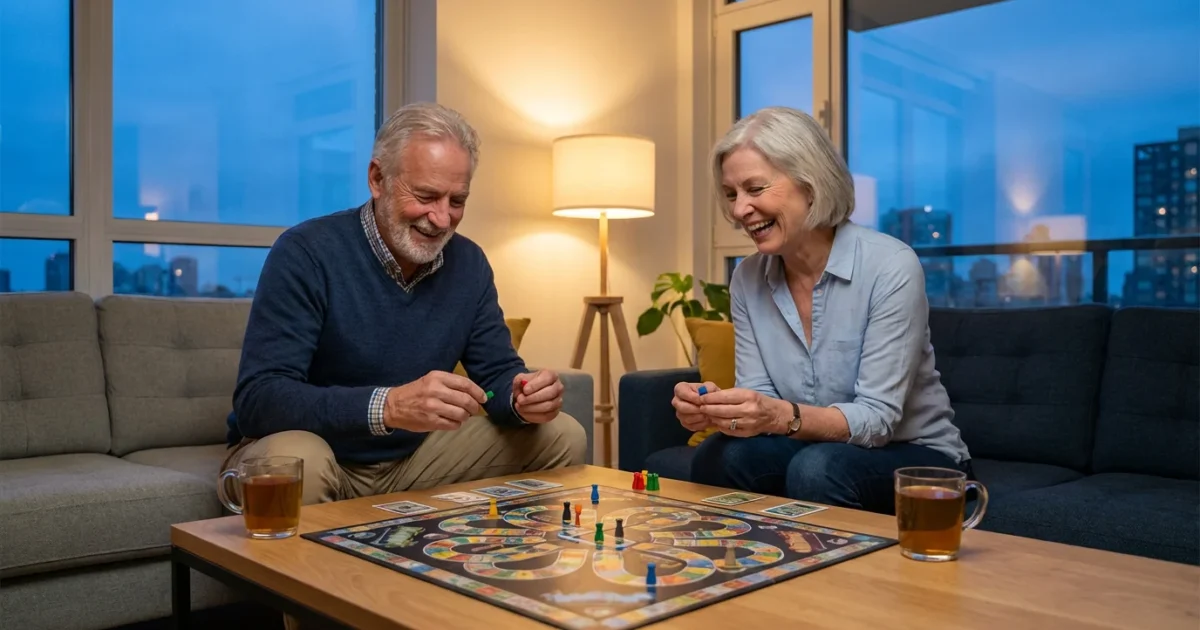
Retirement offers a unique opportunity to explore new passions, deepen existing hobbies, and invest in your well-being. Many individuals find immense joy and significant benefits in embracing activities that engage both their minds and their social circles. Board games represent a powerful, enjoyable, and accessible avenue for achieving these goals, offering more than just entertainment. They provide a strategic path to maintaining mental sharpness, fostering social connections, and enhancing overall quality of life during your retirement years.
Consider integrating board games into your routine to discover how these engaging pastimes contribute to a fulfilling and vibrant retirement. From classic strategy challenges to modern cooperative adventures, the world of senior board games provides diverse options for every preference. You can unlock numerous cognitive and social benefits, ensuring your mind stays active and your social calendar remains full.

The Power of Play: Why Board Games Matter in Retirement
Play is not just for children. For adults in retirement, engaging in playful activities like board games delivers substantial benefits for mental and emotional health. These benefits extend far beyond simple amusement, impacting your cognitive function, social life, and overall sense of purpose. Board games provide structured opportunities for healthy competition, collaborative problem-solving, and lighthearted interaction.
Recognizing the value of play as a vital component of a well-rounded retirement allows you to approach these activities with intention. You are investing in your long-term well-being when you gather around a game board. The simple act of playing can reduce stress, improve mood, and offer a sense of accomplishment, enriching your daily life in meaningful ways.
“Retirement is not the end of the road. It is the beginning of the open highway.”
— Unknown
Cognitive Boost: How Board Games Sharpen Your Mind
Staying mentally sharp is a key priority for many retirees, and board games offer an entertaining solution. These activities actively engage various parts of your brain, providing a robust workout for cognitive functions such as memory, problem-solving, and critical thinking. Regular participation helps maintain and even enhance your intellectual agility.
For instance, a study published in the *New England Journal of Medicine* in 2003 suggested that frequent engagement in mentally stimulating activities, including board games, may reduce the risk of dementia. While this specific study focused on a broader range of activities, the underlying principle holds true: an active mind is a healthier mind. You can use board games as a fun and effective tool to keep your brain engaged.
Here are specific ways board games provide mental stimulation:
- Memory Recall: Many games require you to remember rules, track opponents’ moves, or recall specific game pieces.
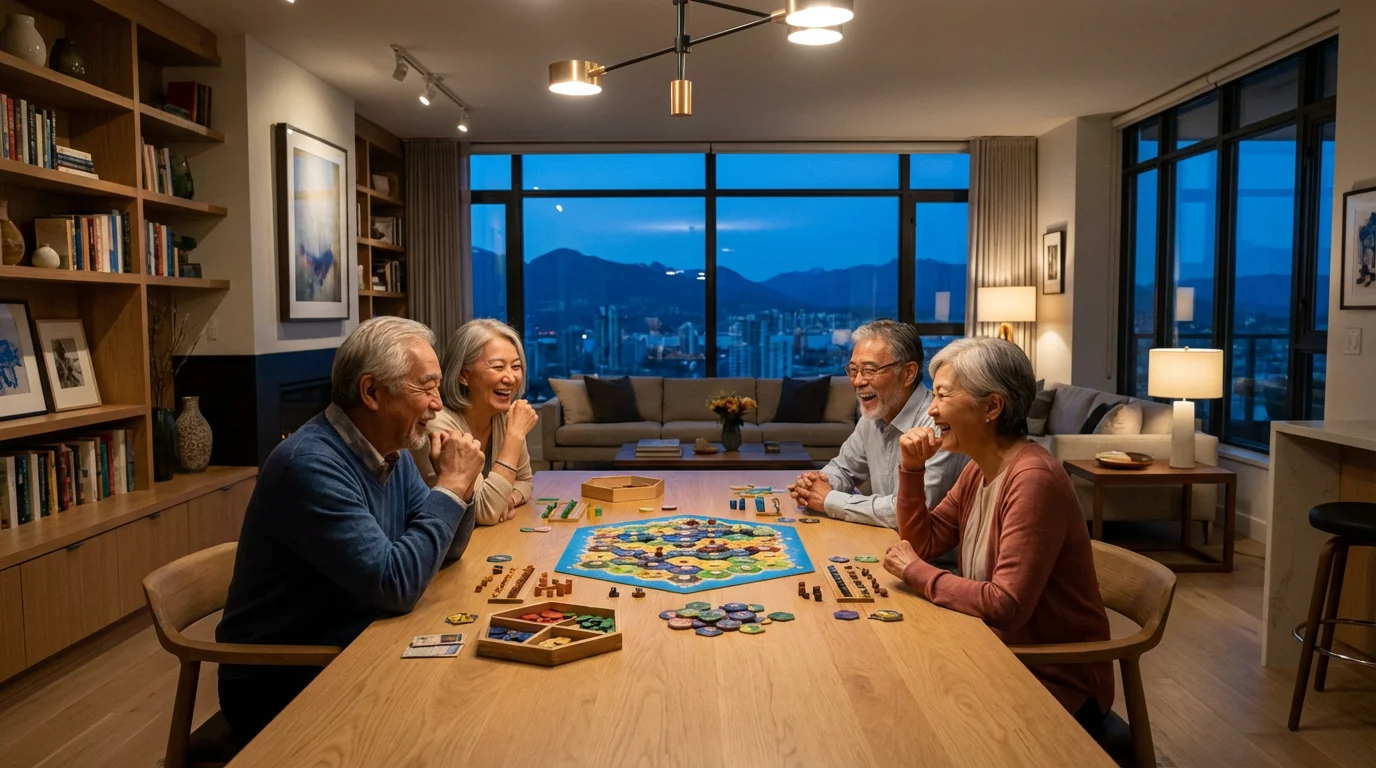
- Strategic Planning: Games like Chess or Settlers of Catan demand foresight, planning several steps ahead, and adapting to changing conditions.
- Problem-Solving: Every turn presents a micro-problem to solve, requiring you to evaluate options and make decisions under specific constraints.
- Pattern Recognition: Identifying patterns in gameplay helps you anticipate moves and devise more effective strategies.
- Focus and Concentration: Immersing yourself in a game helps improve your ability to concentrate for extended periods.
- Decision-Making: You constantly weigh risks and rewards, practicing rapid decision-making in a low-stakes environment.
By consistently challenging your mind through these activities, you actively work to preserve cognitive function and potentially enhance your mental resilience. The National Institute on Aging (NIA) consistently recommends engaging in mentally stimulating activities as part of a healthy aging strategy, and board games fit this recommendation perfectly. You can learn more about cognitive health resources from the NIA at nia.nih.gov.

Social Connection: Building Bridges with Board Games
Retirement can sometimes bring changes to your social routine, making it crucial to find new avenues for connection. Board games excel as a powerful social lubricant, creating opportunities for meaningful interaction with family, friends, and new acquaintances. They naturally foster conversation, laughter, and shared experiences.
Engaging in board games helps combat feelings of isolation or loneliness, which research indicates can have negative health impacts. When you play games, you engage face-to-face, interpret body language, and practice communication skills. This direct social interaction provides vital emotional support and strengthens your community ties.
Consider these benefits of the social aspect of board games:
- Strengthened Relationships: Regular game nights with family or friends deepen bonds and create lasting memories.
- New Friendships: Joining a local game club or inviting new neighbors to play can expand your social circle.
- Shared Laughter: The lighthearted nature of many games promotes joy and reduces stress.
- Intergenerational Bonding: Board games offer a fantastic way to connect with grandchildren and other younger family members, bridging age gaps with shared fun.
- Improved Communication: Cooperative games, in particular, require clear communication and teamwork, sharpening your ability to articulate ideas and listen effectively.
Board games provide a welcoming environment where you can connect with others in a relaxed and enjoyable setting. You build a stronger, more supportive network when you participate regularly.

Selecting Your Game: Finding the Right Fit for You
The world of senior board games is vast and varied, meaning you can easily find options that match your interests, preferred level of complexity, and the number of players available. Consider what you enjoy most in an activity when selecting your next game. Do you prefer intense strategic battles, cooperative challenges, or lighthearted wordplay?
Think about the group you typically play with. Some games excel with two players, while others shine with larger groups. Accessibility is also a factor. Look for games with clear rules, larger print on cards, and components that are easy to handle if dexterity is a concern. Many game publishers now offer editions with enhanced accessibility features.
When choosing a game, ask yourself these questions:
- What is my preferred game type? Do I like strategy, trivia, word games, or cooperative play?
- How many players will usually participate? Is it often just two, a small group, or a larger gathering?
- What is the ideal game duration? Do I prefer quick rounds or longer, more involved sessions?
- What is the learning curve like? Am I looking for something instantly playable or willing to invest time in learning complex rules?
- Are there any physical considerations? Do I need large print, easy-to-manipulate pieces, or a game that doesn’t require extensive reading?
Experimentation is key. Many local game stores or community centers host game nights where you can try different titles before making a purchase. You can discover many fantastic options by exploring various genres.

Top Board Games for Mental Stimulation and Fun
A wide array of senior board games offers excellent mental stimulation and enjoyment. These recommendations span different categories, ensuring you find something that resonates with your preferences and skill level.
Classic Strategy Games
These games have stood the test of time for a reason: they demand deep thought, foresight, and adaptability.
- Chess: The ultimate game of strategy. Chess actively engages your analytical skills, spatial reasoning, and ability to plan multiple moves ahead. Playing regularly helps sharpen your tactical thinking and memory.
- Checkers: A simpler, yet still strategic, alternative to Chess. Checkers focuses on planning and foresight within a more limited move set. It offers a great entry point into strategic thinking.
- Backgammon: This classic game combines strategy with an element of luck from dice rolls. You must adapt your plans based on dice outcomes, enhancing your flexibility and risk assessment.
Word and Logic Games
For those who love language and puzzles, these games provide an excellent brain workout, improving vocabulary and logical reasoning.
- Scrabble: A beloved game that challenges your vocabulary, spelling, and spatial awareness as you fit words onto the board for maximum points. Playing Scrabble helps maintain verbal fluency and expands your lexicon.
- Boggle: A fast-paced word search game where you quickly identify words within a grid of letters. Boggle enhances quick thinking, pattern recognition, and vocabulary recall under pressure.
- CodeNames: A popular modern word association game where two teams compete to identify their secret agents from a grid of words. It sharpens your lateral thinking, clue-giving skills, and understanding of nuance.
- Set: A unique card game focused on pattern recognition. Players race to identify “sets” of three cards based on specific criteria. Set significantly boosts visual perception and logical deduction.
Cooperative Games
These games involve players working together against the game itself, fostering teamwork, communication, and shared success. They are excellent for social bonding without the pressure of direct competition.
- Pandemic: Players work together to prevent global outbreaks and discover cures for diseases. Pandemic demands strategic planning, resource management, and excellent communication to win.
- Forbidden Island/Desert: These lighter cooperative games require players to collaborate to collect treasures and escape before the island sinks or the desert consumes them. They are accessible and promote teamwork.
- The Mind: A unique cooperative card game where players must play cards in ascending order without communicating anything about their hands. It’s a fascinating exercise in non-verbal communication and intuition.
Modern Classics and Accessible Options
These games offer engaging mechanics, often with less aggressive competition than traditional strategy games, making them highly enjoyable for various groups.
- Ticket to Ride: Players collect colored train cars to claim railway routes across a map, connecting cities to earn points. This game involves strategic route planning, resource management, and tactical blocking.
- Catan (formerly Settlers of Catan): A highly popular game where players settle an island, build settlements, cities, and roads, and trade resources. Catan combines resource management, negotiation, and strategic expansion.
- Sequence: Players try to create rows of five chips on the board by playing cards from their hand. Sequence offers a blend of strategy and luck, requiring players to plan their moves while blocking opponents.
- Qwirkle: A simple yet strategic game where players match tiles by color or shape to build lines. Qwirkle is easy to learn, visually appealing, and excellent for pattern recognition and spatial reasoning.
You will find a game perfectly suited to your interests and the people you enjoy playing with from this diverse selection. These senior board games provide robust mental stimulation and consistent fun.

Integrating Games into Your Retirement Lifestyle
Making board games a regular part of your retirement routine requires a little planning, but the rewards are substantial. Consider how you can best incorporate these activities into your schedule to maximize their benefits for both your mind and social life. Consistency is often key to seeing the most impact.
Start by identifying potential playing partners or groups. Family members, friends, or neighbors might be eager to join. Many communities also offer senior centers, libraries, or dedicated game shops that host regular game nights, providing an excellent opportunity to meet new people and try different games.
Practical tips for integrating board games:
- Schedule Regular Game Nights: Designate a specific evening each week or month for playing games. This creates a routine and gives everyone something to look forward to.
- Join or Form a Game Club: Look for existing board game clubs in your area or consider starting one yourself. This broadens your exposure to different games and players.
- Incorporate into Family Gatherings: Make board games a central activity during family visits, especially with grandchildren. It’s a wonderful way to connect across generations.
- Explore Two-Player Games: If you often have just one other person, invest in excellent two-player games. This ensures you always have an option for engaging play.
- Set Up a Dedicated Game Space: A comfortable table with good lighting encourages more frequent play. You will find it easier to start a game if the setup is simple.
- Start with Simpler Games: If you or your group are new to board games, begin with titles that have straightforward rules. You can gradually introduce more complex games as comfort levels increase.
By proactively incorporating board games into your lifestyle, you create sustained opportunities for mental engagement and social interaction. You enhance your overall retirement experience when you make time for play.

Beyond the Table: Expanding Your Play
While physical board games offer unique benefits, your journey to mental sharpness and fun does not have to end there. Technology provides excellent complementary avenues for engaging with games, often with added convenience. Many popular senior board games have digital adaptations available on tablets, computers, and smartphones. These digital versions allow you to play solo against an artificial intelligence, connect with players online from around the world, or even try out new games before purchasing their physical counterparts.
Exploring digital options can supplement your physical game sessions, offering flexibility and keeping your mind active even when playing partners are unavailable. You might find that playing a digital version helps you learn the rules of a new game before introducing it to your group. Remember, the goal is consistent mental engagement and enjoyment, regardless of the format.
Consider these ways to expand your play:
- Digital Board Game Apps: Many popular board games like Ticket to Ride, Catan, and Scrabble have excellent digital versions available for purchase on app stores.
- Online Gaming Platforms: Websites like BoardGameArena.com or TabletopSimulator provide platforms to play a vast library of games online with others.
- Brain Training Apps: Apps focused on memory, logic, and problem-solving can complement board games by providing targeted cognitive exercises.
- Puzzles and Crosswords: Traditional paper puzzles, crosswords, and Sudoku also offer valuable mental stimulation and can be done individually.
These alternatives ensure that you have diverse options for keeping your mind active and entertained throughout your retirement. You are building a comprehensive strategy for cognitive well-being when you combine various forms of play.
Frequently Asked Questions
What are the primary benefits of board games for seniors?
Board games offer several key benefits for seniors, including enhanced cognitive function through memory recall and strategic planning, significant opportunities for social interaction and connection, and improved emotional well-being by reducing stress and fostering a sense of accomplishment. They provide a fun and accessible way to maintain mental sharpness and engage with others.
How do board games help with memory and cognitive function?
Board games actively stimulate various parts of the brain involved in memory, problem-solving, and decision-making. You must remember rules, track opponent moves, plan strategies, and adapt to changing game states. This continuous mental workout helps keep your brain active, potentially slowing cognitive decline and improving overall mental agility.
Are there board games suitable for seniors with limited dexterity or vision?
Yes, many board games offer features that accommodate these needs. You can look for games with larger components, bigger print on cards or boards, and simplified rules. Cooperative games can also be great, as players can assist each other with manipulating pieces or reading text. Some publishers even release “large print” or “accessible” editions of popular games.
How can I find other seniors to play board games with?
You can find playing partners in several ways. Start by asking family and friends. Local senior centers, community centers, and libraries often host game groups or can help you find one. Dedicated board game stores sometimes have open game nights. Online forums or local social media groups for seniors might also list gaming opportunities in your area.
What if I am new to board games and find complex rules intimidating?
Do not worry if you are new to board games. Many excellent games exist with simple rules that are easy to learn in minutes. Start with gateway games like Sequence, Qwirkle, or Ticket to Ride. As you become more comfortable, you can gradually explore more complex options. Watching online tutorials can also simplify learning new rules.
Disclaimer: This article is for informational purposes only and does not constitute financial, legal, tax, or medical advice. Retirement planning involves complex decisions that depend on your individual circumstances. We strongly encourage readers to consult with qualified professionals—including financial advisors, attorneys, tax professionals, and healthcare providers—before making significant retirement decisions.








Leave a Reply