
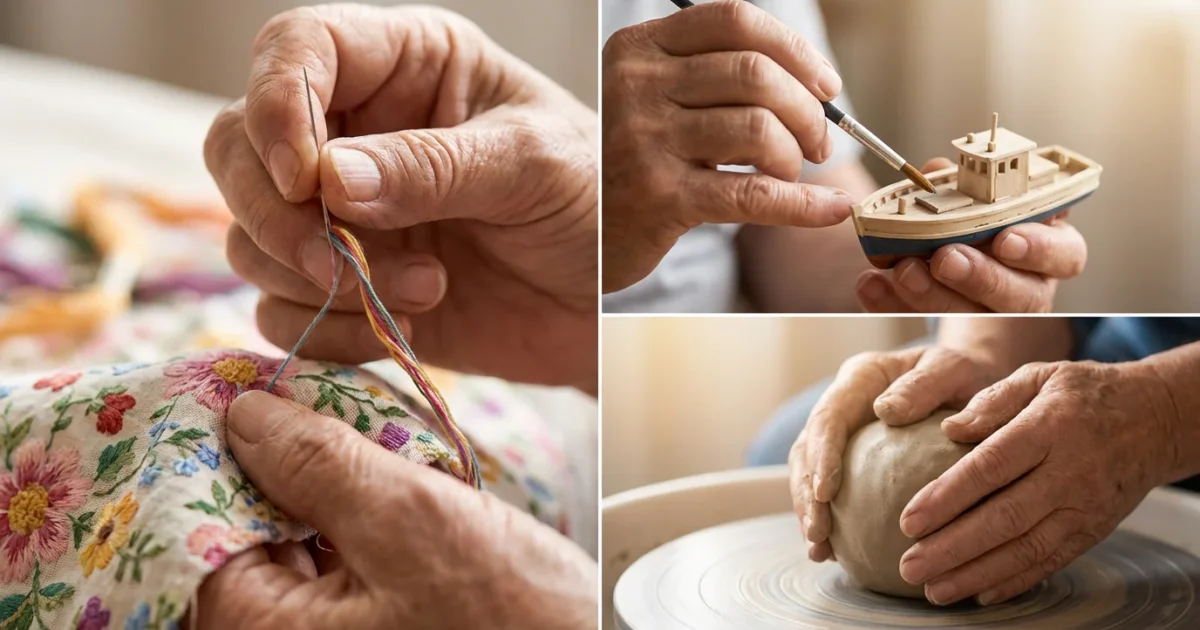
Retirement marks a significant life transition, offering freedom from work routines and an opportunity to define your next chapter. Many individuals anticipate this period for rest and relaxation. However, the most fulfilling retirements often involve purposeful engagement through rediscovered passions and exciting new endeavors. Embracing hobbies provides structure, social connection, and immense personal growth.

The Power of Purposeful Engagement
Retirement opens doors to a world of possibilities, but navigating this newfound freedom requires intention. For many, work provided a primary source of identity and daily structure. Filling that void with meaningful activities becomes crucial for well-being. Retirement hobbies offer a powerful antidote to boredom and isolation, fostering a sense of purpose.
Studies show a strong correlation between active engagement in hobbies and improved quality of life in retirement. These activities keep your mind sharp and your spirit vibrant. You gain opportunities for learning, creativity, and social interaction, all vital components of a healthy retirement lifestyle.
“Retirement is not the end of the road. It is the beginning of the open highway.” — Unknown
Reimagining Your Identity Beyond Work
For decades, your professional role likely defined a significant part of who you are. Stepping away from that identity presents a unique challenge and a profound opportunity for personal growth. Retirement encourages you to explore aspects of yourself that lay dormant or undeveloped during your working years.
Consider this period a chance to reinvent yourself. You can shed old expectations and embrace new interests. This journey of self-discovery forms a core part of finding joy after work. It allows you to build a retirement centered on your authentic desires and passions.
To begin reimagining your identity, ask yourself several key questions:
- What activities genuinely excite you, regardless of their “usefulness”?
- What skills did you always want to learn, but never had the time for?
- How do you envision spending a typical fulfilling day in retirement?
- What causes or communities do you feel drawn to?
Answering these questions provides a compass for your journey. It helps you identify areas ripe for exploration and new engagement.
Unearthing Past Pleasures and Hidden Talents
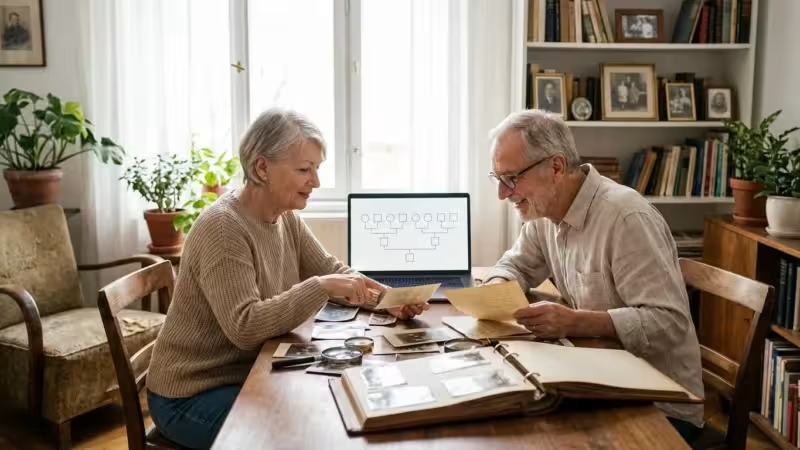
Sometimes, the best way to discover new retirement hobbies involves looking backward. Think about the activities you loved as a child, teenager, or young adult before career and family obligations took precedence. Many people harbored creative aspirations or athletic interests that they simply put aside.
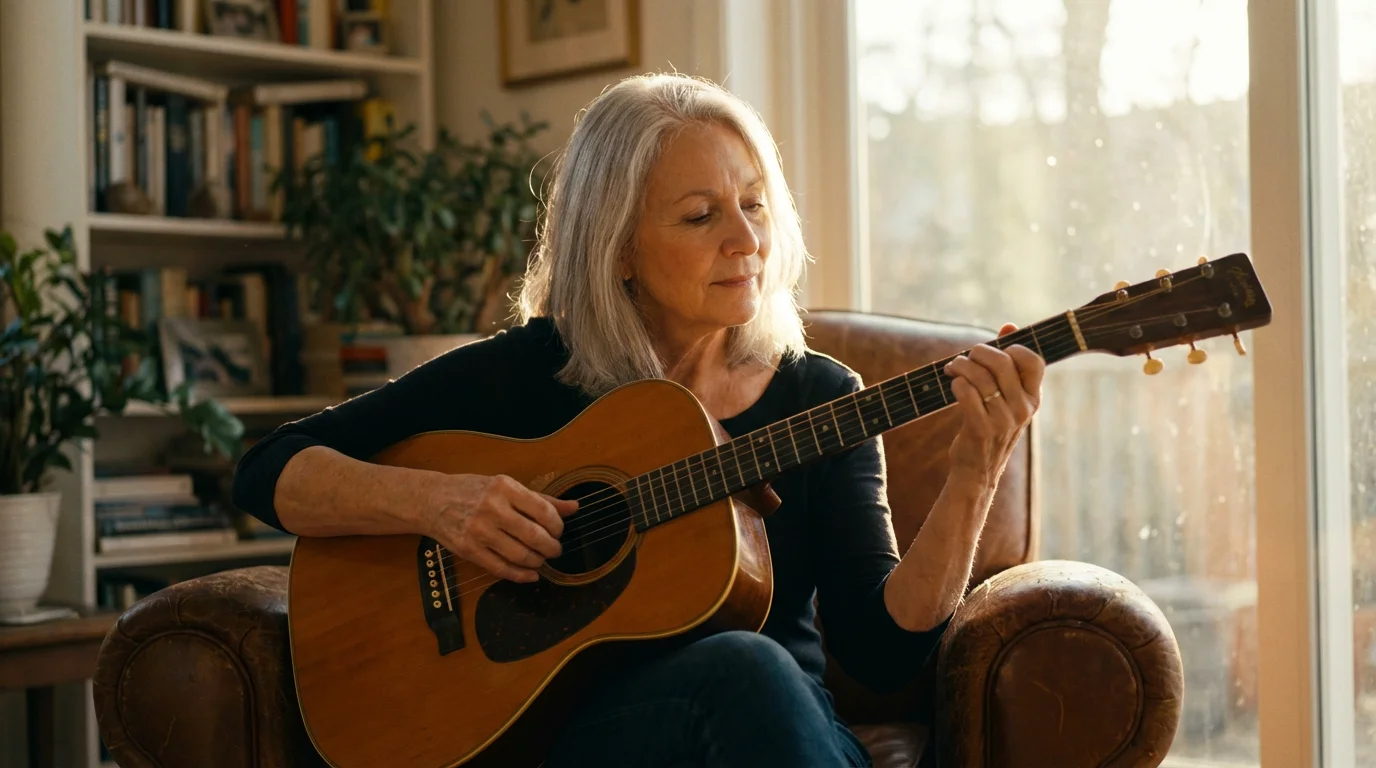
Perhaps you played a musical instrument, enjoyed painting, wrote poetry, or spent hours gardening. These former passions represent excellent starting points for rediscovery. Your past self holds clues to what genuinely brings you joy. Revisit these activities; you might find they still resonate deeply, or they could spark a desire to try a related, updated version.
Consider these avenues for reconnecting with your past:
- Childhood Interests: Did you love building models, collecting stamps, or exploring nature? These activities translate well into adult hobbies.
- Teenage Passions: Were you into photography, creative writing, or a specific sport? Many adult groups cater to these interests.
- Forgotten Skills: Did you ever learn a craft like knitting, woodworking, or calligraphy? Pick up those tools again.
- “Someday” Dreams: What did you always say you’d do “someday” when you had more time? Now is that time.
Dusting off an old guitar or picking up a paintbrush again can feel incredibly liberating. It reconnects you with a forgotten part of yourself and fuels personal growth in unexpected ways.

Exploring New Horizons: What Are Some Creative Hobbies?
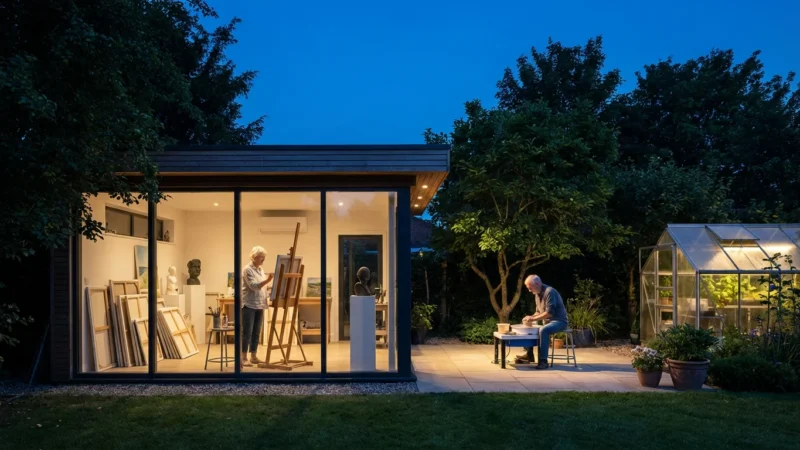
Beyond revisiting old favorites, retirement presents an ideal opportunity to venture into entirely new territory. Many individuals find immense satisfaction in learning something completely unfamiliar. This stimulates cognitive function, introduces you to new communities, and expands your personal horizons. When considering what are some creative hobbies, think broadly about art, performance, and craftsmanship.
Creative hobbies offer unique pathways for self-expression and mental stimulation. They challenge you to think differently, solve problems, and produce something tangible or performative. The sense of accomplishment derived from a creative pursuit significantly boosts self-esteem.
Here are several popular and accessible creative hobbies for seniors:
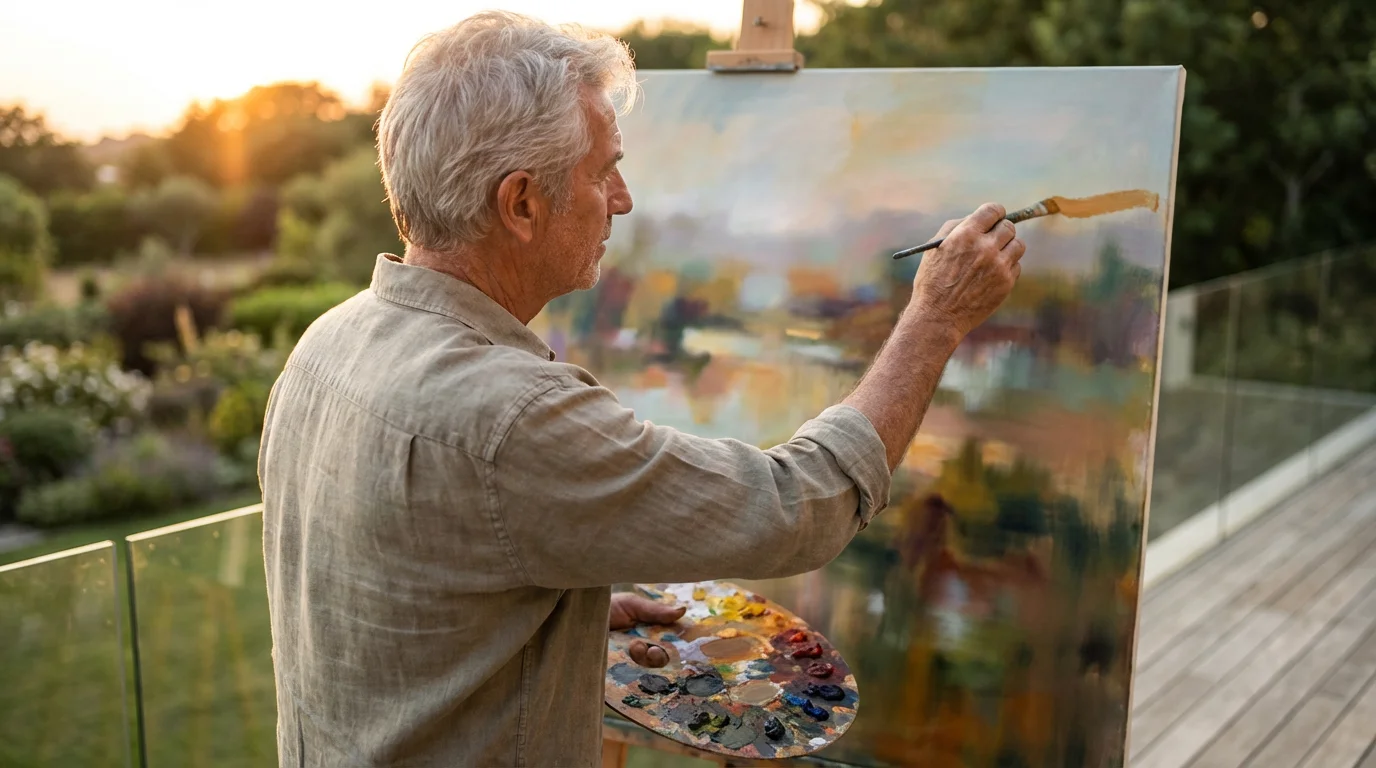
- Painting or Drawing: Join a local art class, follow online tutorials, or simply experiment with different mediums.
- Writing: Start a blog, write short stories, journal, or even begin that novel you always dreamed of.
- Music: Learn a new instrument, join a choir, or take singing lessons. Many community centers offer beginner classes.
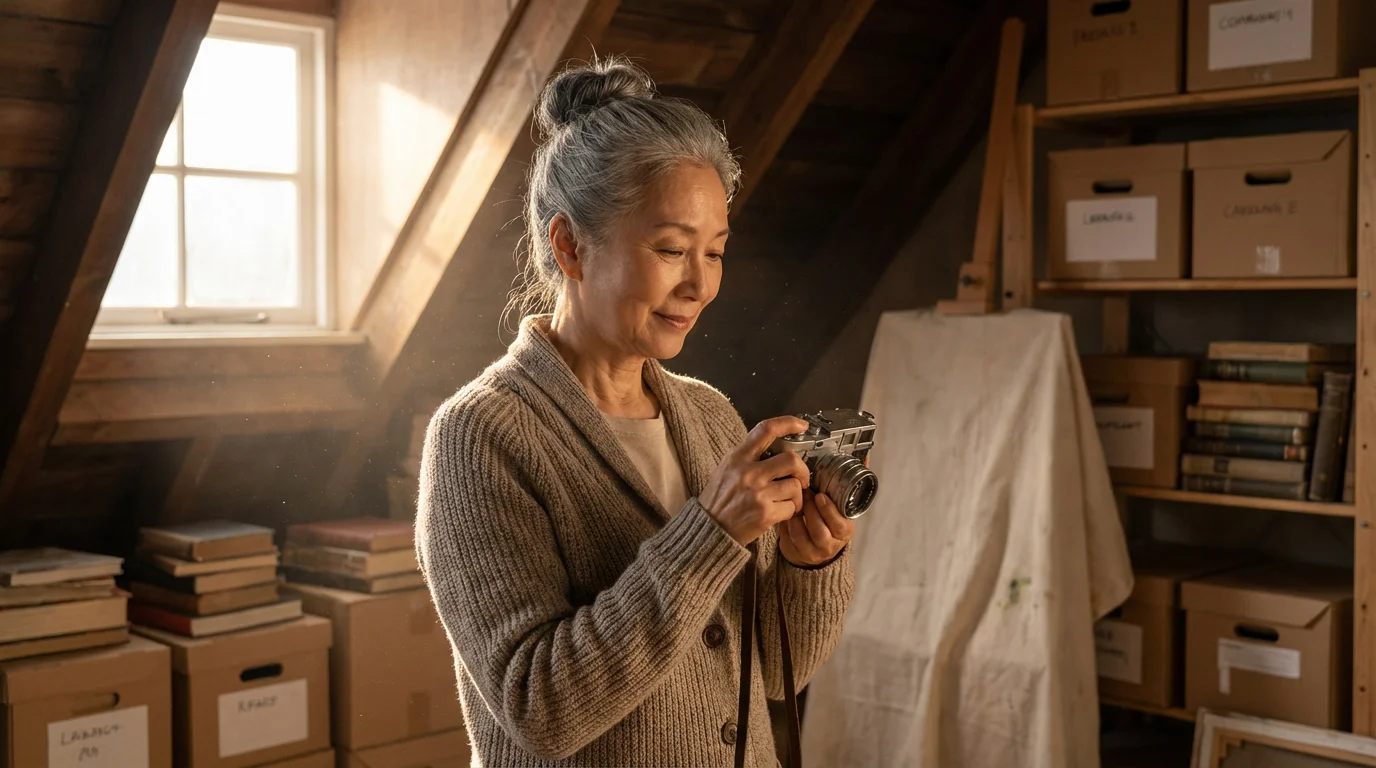
- Photography: Explore your local area through a lens. Modern digital cameras make it easy to start, and online communities offer vast resources.
- Crafts: Knitting, crocheting, pottery, woodworking, jewelry making, or quilting provide satisfying, hands-on engagement.
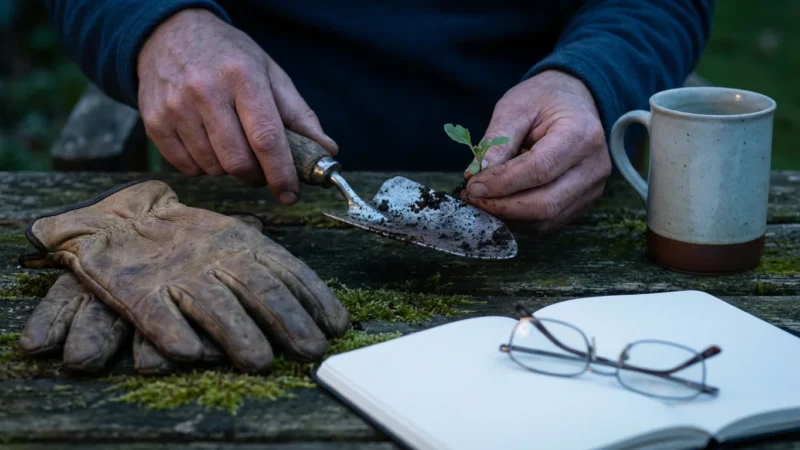
- Gardening: Cultivate a home garden, join a community garden, or specialize in specific plant types. It offers physical activity and a connection to nature.
- Cooking and Baking: Master new cuisines, experiment with recipes, or take cooking classes. Sharing your creations with others adds a social element.
Do not feel intimidated by a lack of prior experience. Many senior activities and community programs cater specifically to beginners, emphasizing enjoyment over expertise.
Leveraging Community and Technology for Engagement
Finding the right resources and communities significantly enhances your hobby experience. Both local communities and technology offer incredible avenues for connection, learning, and participation. Engaging with others who share your interests amplifies the joy and benefits of your chosen activities.
Your local community likely provides numerous opportunities for senior activities. Libraries, senior centers, community colleges, and local clubs often host classes, workshops, and interest groups. These settings provide structured learning environments and natural opportunities to meet new people. Consider contacting your local Area Agency on Aging, as they often compile lists of resources and events for older adults.
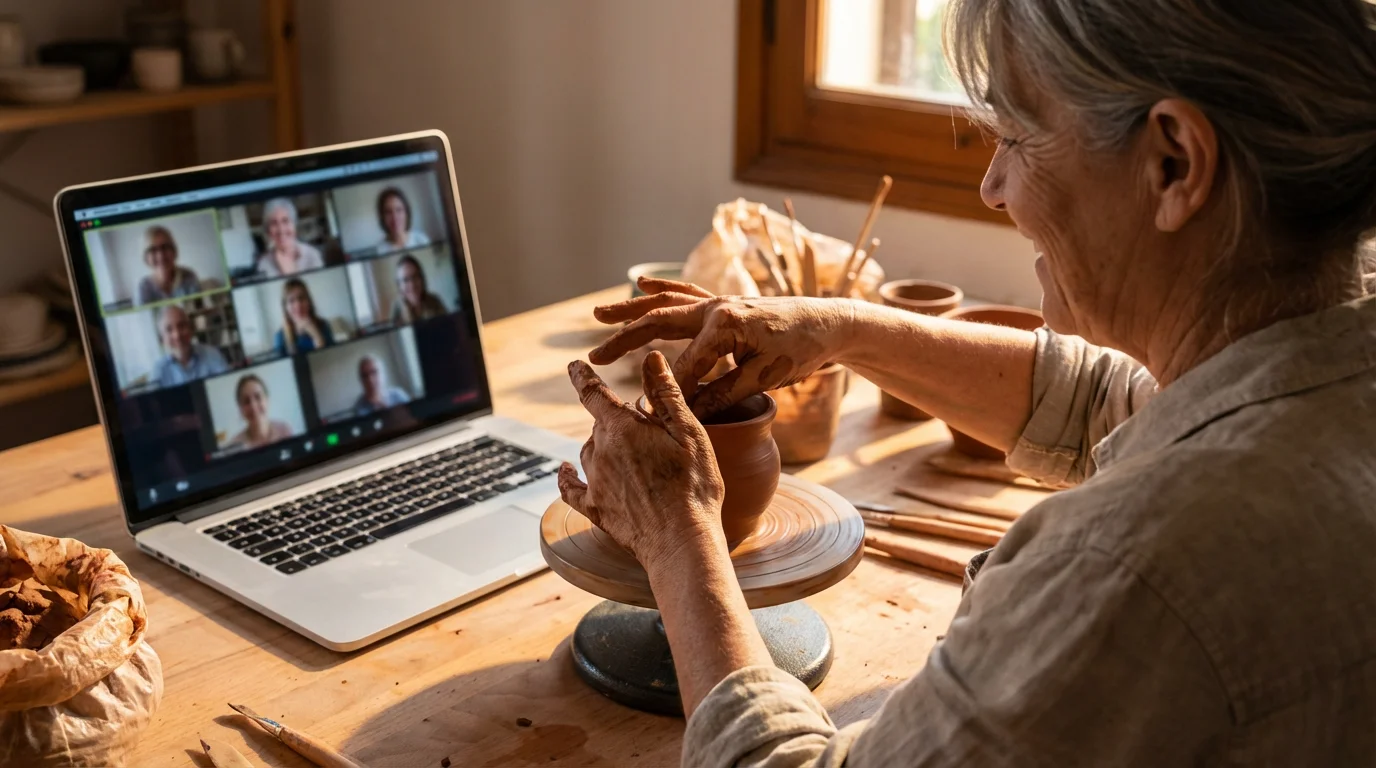
Technology also acts as a powerful enabler. Online platforms offer endless tutorials, virtual classes, and interest groups for virtually any hobby. YouTube provides free instructional videos, while websites like Skillshare or MasterClass offer subscription-based courses taught by experts. Social media groups and forums connect you with enthusiasts worldwide. The National Institute on Aging provides valuable resources on engaging activities for older adults, often highlighting both local and technological options.
Practical steps for connecting with resources:
- Visit Your Local Senior Center: Discover their schedule of classes, trips, and social events.
- Check Community College Catalogs: Many offer affordable continuing education courses for seniors, covering everything from languages to digital photography.
- Explore Online Forums and Groups: Search for groups dedicated to your specific interests on platforms like Facebook or Reddit.
- Utilize Online Learning Platforms: Sites like Coursera, edX, or even specific craft-focused platforms provide structured learning at your own pace.
- Volunteer: Engage with a local charity or organization aligned with your values. This combines purpose with social interaction.
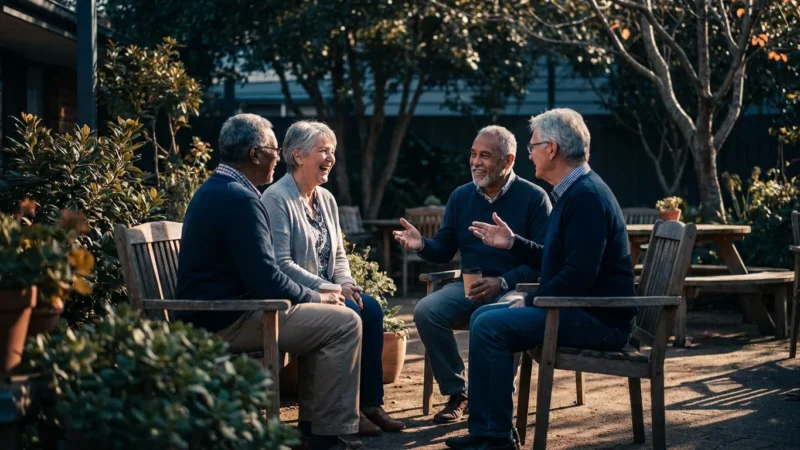
Actively seeking out these connections transforms solitary hobbies into shared experiences. This prevents isolation and builds a robust support network in retirement.

Navigating the Finances of Your New Pursuits
While the joy of a new hobby is often priceless, many activities come with financial considerations. You must balance your enthusiasm for new pursuits with your retirement budget. Thoughtful planning ensures your hobbies remain a source of pleasure, not financial stress.
Some hobbies, like walking or reading library books, cost very little. Others, such as travel, collecting, or specialized crafts, require a more significant investment. Before diving deep into an expensive new passion, research the costs involved. This includes initial setup fees, ongoing supplies, lessons, and potential travel expenses.
Effective financial management for your hobbies includes several strategies:
- Budget Allocation: Dedicate a specific portion of your retirement budget to “leisure” or “hobby” expenses. Treat it as a non-negotiable part of your financial plan.
- Start Small: Begin with entry-level equipment or classes to test your interest before making a large investment. Renting or borrowing can also be a good initial step.
- Seek Discounts: Many senior activities, classes, and memberships offer reduced rates for older adults. Always inquire about senior discounts.
- Consider “Free” Hobbies: Explore options like hiking, volunteering, learning a new language using free apps, or exploring local parks.
- Look for Community Programs: Public libraries, senior centers, and community organizations often provide free or low-cost workshops and events.
If you find yourself considering significant investments for a new hobby, such as purchasing specialized equipment or planning extensive travel, consult a financial advisor. They help you integrate these expenses into your broader retirement plan, ensuring your financial security remains intact. Your advisor provides objective guidance on balancing your lifestyle desires with your long-term financial goals.

The Profound Health Benefits of Active Engagement
Engaging in retirement hobbies offers far more than just fun. It directly contributes to your physical, mental, and emotional well-being. The positive impact on overall health is well-documented, making active engagement a cornerstone of a healthy retirement.
Physical hobbies, like gardening, dancing, or hiking, keep your body active, improve cardiovascular health, and maintain flexibility. Even less strenuous activities, such as knitting or playing an instrument, improve fine motor skills and hand-eye coordination. Regular physical activity reduces the risk of chronic diseases and helps maintain independence. According to the National Institute on Aging, staying physically active is one of the most important things you can do to maintain your health as you age.
Mentally, hobbies provide crucial stimulation. Learning new skills, solving puzzles, or engaging in creative tasks keeps your brain sharp and improves cognitive function. These activities combat cognitive decline and enhance memory. Social hobbies, such as joining a book club or a walking group, prevent loneliness and foster a strong support system, which is vital for mental health. Strong social connections correlate with lower rates of depression and anxiety in older adults.
The emotional benefits are equally significant. Hobbies offer a sense of accomplishment, reduce stress, and provide an outlet for self-expression. They build resilience and provide a positive focus, helping you navigate the challenges that sometimes accompany retirement. The pure enjoyment derived from a hobby contributes significantly to your overall happiness.
Overcoming Common Obstacles to Rediscovery
Despite the numerous benefits, you might encounter certain hurdles when trying to rekindle old passions or discover new ones. Recognizing these common obstacles empowers you to overcome them proactively. Many retirees face similar challenges, but solutions exist.
One common obstacle is a feeling of “not knowing where to start.” After years focused on work and family, the idea of pursuing personal interests can feel overwhelming. Another challenge involves self-doubt, thinking you are “too old” to learn something new or that your skills have diminished. Financial concerns or limited mobility can also appear as barriers, making certain activities seem out of reach. Social anxieties about joining new groups represent another frequent hurdle.
Strategies for overcoming these obstacles include:
- Start Small: Do not aim for perfection immediately. Begin with a simple project or a short class to build confidence.
- Embrace a Growth Mindset: Remind yourself that learning is a lifelong process. Age provides wisdom and perspective, not a limitation on your ability to learn.
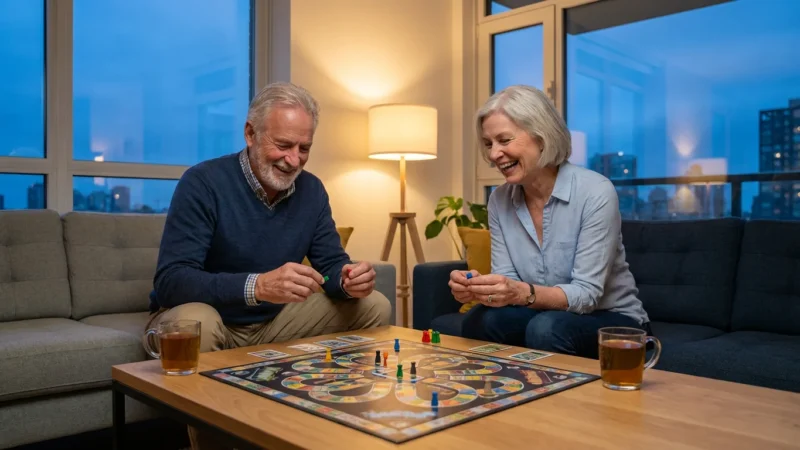
- Research Accessible Options: If mobility is a concern, seek out hobbies that accommodate your physical needs, such as virtual classes, adaptive sports, or tabletop games.
- Budget Thoughtfully: Explore free or low-cost options before investing heavily. Libraries, community centers, and online resources often provide excellent budget-friendly choices.
- Seek Support: Talk to friends, family, or a retirement coach about your goals. Their encouragement helps tremendously.
- Join Beginner-Friendly Groups: Look for groups specifically designed for newcomers. This reduces the pressure and makes social integration easier.
Remember, the goal is enjoyment and engagement, not mastery. Patience with yourself and an open mind pave the way for successful rediscovery.

How to Find Joy After Work and Build a Fulfilling Retirement
Finding joy after work is not a passive process. It requires intentionality, exploration, and a willingness to embrace change. Your retirement years offer a unique opportunity to craft a life rich in meaning, connection, and personal satisfaction. Hobbies act as key building blocks in this construction.
Begin by viewing retirement as a vast canvas awaiting your personal masterpiece. Experiment freely with different activities, even if they seem unconventional. Some attempts might not stick, and that is perfectly fine. The journey of discovery itself holds significant value. Each exploration brings you closer to understanding what truly resonates with your spirit. This process of trying, learning, and adapting helps shape a truly fulfilling retirement.
Ultimately, a joyful retirement integrates various elements: meaningful activities, strong social connections, financial security, and good health. Hobbies contribute significantly to each of these pillars. They provide purpose, foster community, can be budget-friendly, and improve overall well-being. By actively pursuing your passions, you design a retirement that is not just comfortable, but genuinely vibrant and deeply satisfying.
For complex decisions regarding retirement planning, including how to allocate resources for your lifestyle and hobbies, we recommend consulting with a qualified financial advisor. They provide personalized strategies to ensure your financial plan supports your desired retirement lifestyle, allowing you to pursue your passions with confidence. An attorney can also assist with estate planning and other legal aspects of retirement, safeguarding your future.
Frequently Asked Questions
What are some common challenges retirees face when trying to find hobbies?
Retirees often encounter challenges such as feeling overwhelmed by choices, self-doubt about learning new skills, financial limitations, or social anxiety when joining new groups. Overcoming these requires starting small, seeking support, and embracing a positive, growth-oriented mindset.
How do I know if a hobby is the right fit for me in retirement?
The right hobby brings you genuine enjoyment, provides a sense of purpose, and ideally offers opportunities for personal growth or social connection. Experiment with different low-cost or free activities first. Pay attention to what energizes you and makes you lose track of time. If you find yourself looking forward to it, it is likely a good fit.
Can hobbies improve my health in retirement?
Absolutely. Hobbies offer significant health benefits. Physical hobbies like gardening or dancing improve cardiovascular health and mobility. Mental hobbies like puzzles or learning a language keep your brain sharp. Social hobbies combat loneliness and improve emotional well-being. Active engagement correlates with a higher quality of life and reduced health risks.
What if I have limited mobility but still want to be active?
Many fulfilling hobbies accommodate limited mobility. Consider creative pursuits like writing, painting, or photography. You can also explore armchair travel, virtual reality experiences, online courses, or join book clubs. Adaptive sports and games specifically designed for individuals with mobility challenges also exist. Focus on what you can do and explore those possibilities.
Should I consider the cost of a hobby when choosing one?
Yes, always consider the cost of a hobby in relation to your retirement budget. Some hobbies are free or very low cost, while others require significant investment in supplies, equipment, or travel. Start with affordable options to test your interest. If a desired hobby is expensive, budget for it carefully and consult a financial advisor to ensure it aligns with your overall financial plan.
Disclaimer: This article is for informational purposes only and does not constitute financial, legal, tax, or medical advice. Retirement planning involves complex decisions that depend on your individual circumstances. We strongly encourage readers to consult with qualified professionals—including financial advisors, attorneys, tax professionals, and healthcare providers—before making significant retirement decisions.

Leave a Reply