Retirement opens a new chapter, offering freedom from the daily grind and a chance to pursue passions. For many, this freedom includes a deep desire to contribute, connect, and make a meaningful impact. Volunteering in retirement offers an unparalleled opportunity to fulfill this desire, enriching your life while simultaneously strengthening your community. You possess a lifetime of experience, wisdom, and skills, making you an invaluable asset to countless organizations and causes. Embracing volunteerism allows you to discover new purposes, maintain social connections, and experience profound personal satisfaction.

The Undeniable Benefits of Retirement Volunteering
Engaging in retirement volunteering offers a wide array of proven benefits, extending beyond merely helping others. It provides a robust framework for physical, mental, and social well-being in your later years.
Physically, active participation in community service often involves movement, keeping you mobile and engaged. Studies suggest that individuals who volunteer regularly report better physical health and lower rates of functional limitations. This active lifestyle contributes to maintaining strength, balance, and overall vitality.
Mentally, volunteering combats common retirement challenges like boredom or a loss of identity. It provides a sense of purpose and structure, boosting self-esteem and warding off feelings of isolation or depression. The National Institute on Aging highlights how meaningful activities can enhance cognitive function and emotional well-being, directly supported by consistent volunteer work.
Socially, volunteering creates new avenues for connection. You meet like-minded individuals, expand your social circle, and build supportive networks. These new relationships provide companionship and reduce the risk of loneliness, a significant concern for many retirees. You actively engage with different generations and backgrounds, broadening your perspectives.
Here are key benefits you gain from giving back:
- Enhanced Physical Health: Increased activity levels, lower blood pressure, and a reduced risk of heart disease.
- Improved Mental Well-being: Greater sense of purpose, reduced stress, and lower rates of depression.
- Cognitive Stimulation: Learning new skills and solving problems keeps your brain active and sharp.
- Stronger Social Connections: Builds new friendships and expands your support network.
- Increased Life Satisfaction: The profound joy of making a difference in someone else’s life.
- Skill Maintenance and Development: Keeps your professional and personal skills current or helps you acquire new ones.
Finding Your Purpose: What Are the Best Volunteer Options?
Discovering the right volunteer opportunity involves aligning your personal passions, skills, and available time with a community need. Consider what truly excites you and where you feel you can make the most significant contribution. The options for retirement volunteering are vast and varied, allowing you to tailor your experience precisely.
For those with an artistic flair, exploring creative outlets in retirement can also offer meaningful ways to share your talents with the public.
Many seniors leverage their professional backgrounds. A retired teacher might tutor children, while an accountant could offer pro bono financial literacy workshops. Your past career provides a rich resource of valuable expertise that non-profit organizations often desperately need.
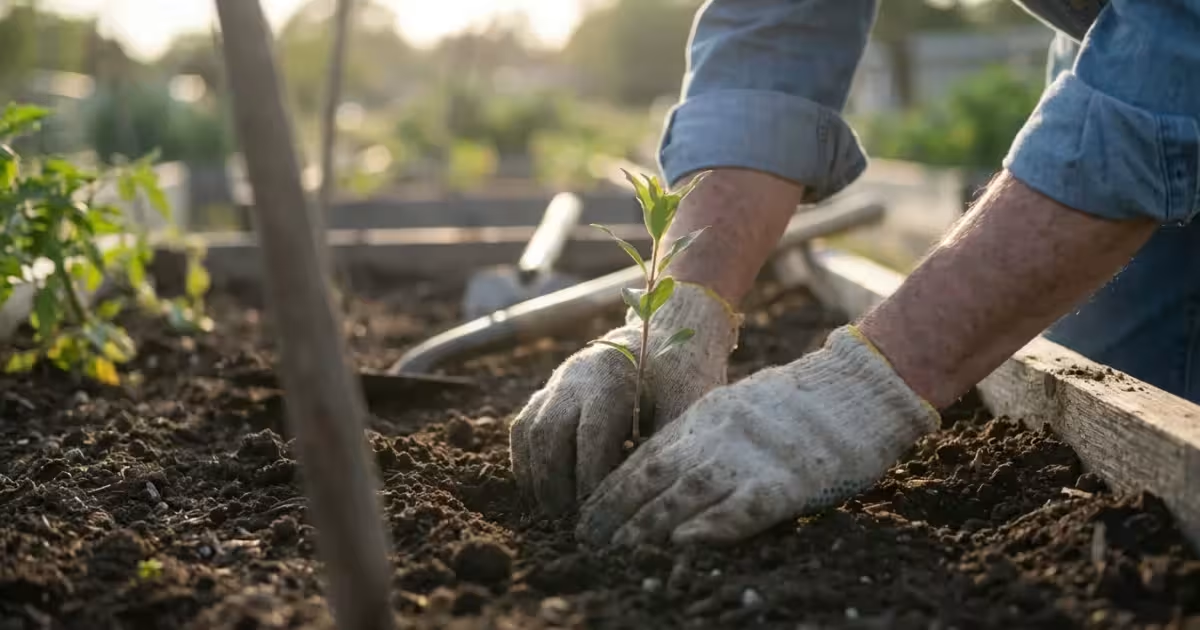
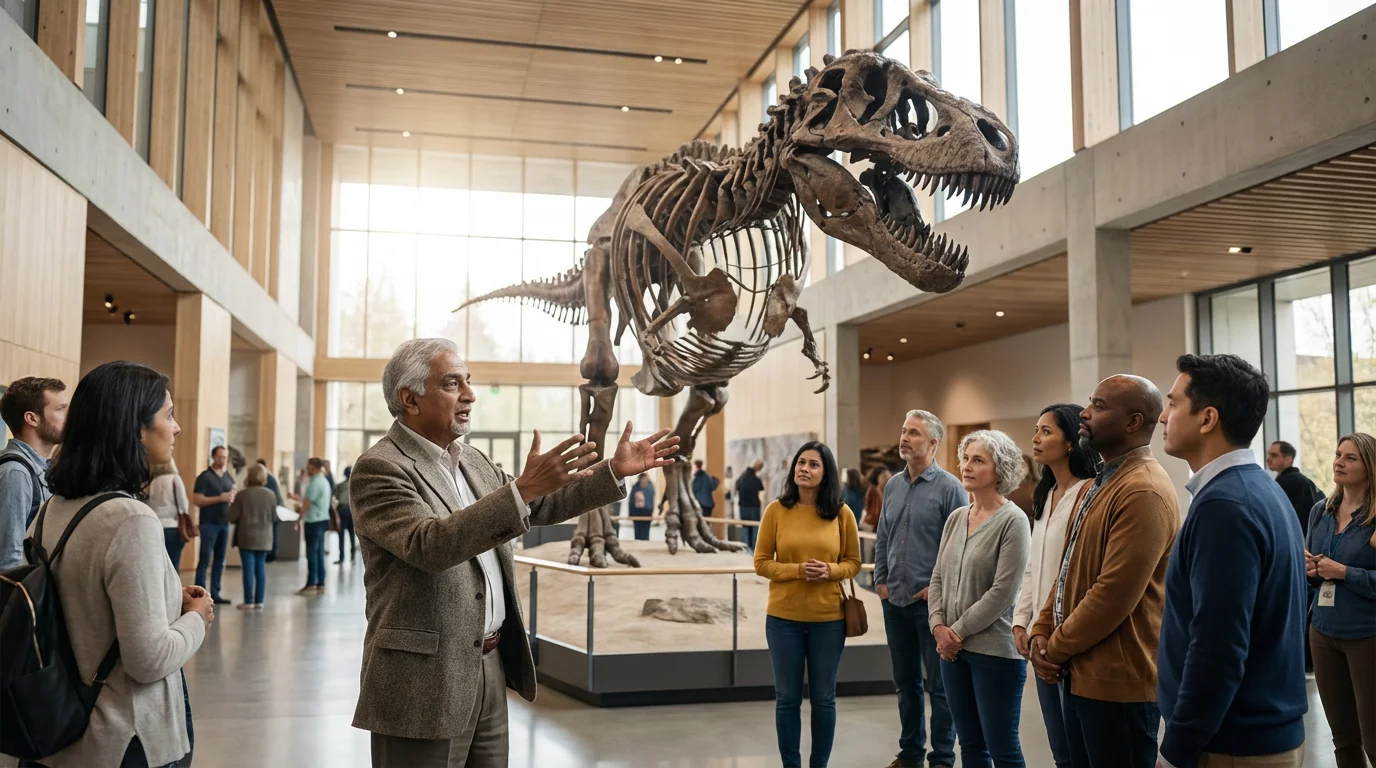
Consider your personal interests and hobbies. If you love animals, local shelters always need help. Gardeners can contribute to community gardens or park beautification projects. History buffs might guide tours at museums or historical societies. These opportunities allow you to engage in activities you already enjoy, making your contribution feel less like work and more like a fulfilling pastime.
Look into various categories of senior outreach for inspiration:
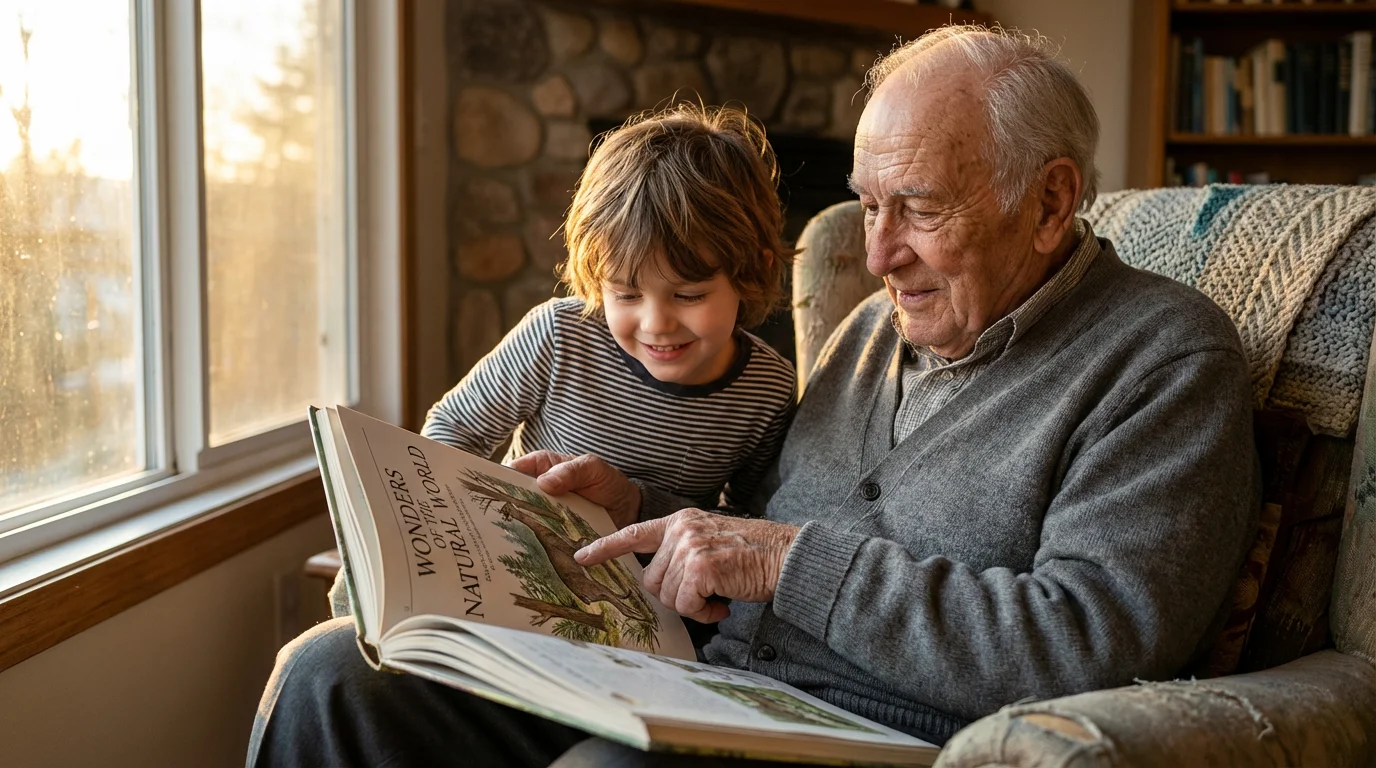
- Education: Tutor students, mentor young professionals, read to children in libraries or schools.
- Healthcare: Assist at hospitals, nursing homes, or hospices, providing companionship or administrative support.
- Environmental: Participate in park cleanups, trail maintenance, or urban gardening initiatives.
- Arts and Culture: Volunteer at museums, theaters, or historical societies as a docent, usher, or archivist.
- Social Services: Help at food banks, homeless shelters, senior centers, or participate in meal delivery programs like Meals on Wheels.
- Community Development: Join neighborhood watch groups, participate in civic organizations, or assist with local events.
- Virtual Volunteering: Offer skills like graphic design, writing, coding, or social media management from home.
The best volunteer options are those that resonate with you, provide a sense of achievement, and fit seamlessly into your retirement lifestyle.

Practical Steps to Begin Your Community Service Journey
Embarking on your community service journey requires a thoughtful approach to ensure a rewarding experience. You do not need to rush into the first opportunity you find. Follow these practical steps to identify and secure a fulfilling volunteer role.
Engaging in local service is one of the many rewarding budget-friendly retirement activities that allow you to stay active without financial strain.
First, conduct a self-assessment. Reflect on your skills, interests, and the amount of time you realistically want to commit. Are you looking for a regular weekly commitment or more flexible, project-based work? Do you prefer working with people, animals, or behind the scenes? Answering these questions clarifies your search.
Next, research potential organizations. Online platforms, local community centers, and religious institutions often list volunteer openings. Websites like AARP and NCOA also provide resources for seniors seeking engagement opportunities. Look for organizations whose missions align with your values.
Here is a step-by-step guide to finding a volunteer role:
- Assess Your Resources: Determine your available time, specific skills, physical capabilities, and personal interests.
- Identify Your Passions: Pinpoint causes or issues you care deeply about, such as education, animal welfare, or environmental protection.
- Research Local Opportunities: Utilize online search engines, local directories, senior centers, and community boards. Consider organizations like hospitals, schools, libraries, and non-profits.
- Contact Potential Organizations: Reach out to discuss their needs and available roles. Ask about time commitments, training, and required qualifications.
- Interview and Visit: If possible, meet with staff or current volunteers. This gives you a feel for the environment and helps determine if it is a good fit.
- Undergo Training and Onboarding: Complete any necessary orientation, training, or background checks required by the organization.
- Start Small and Evaluate: Begin with a manageable commitment. After a few weeks, assess your satisfaction and the fit. Adjust your involvement as needed.
Remember, the goal is to find a role that benefits the organization and brings you personal fulfillment. Do not hesitate to explore different avenues until you find the perfect match.

Making a Tangible Difference: Senior Outreach and Impact
Seniors represent a powerful force for positive change within communities. Your unique life experiences, accumulated knowledge, and consistent reliability make your contributions exceptionally impactful. Through dedicated senior outreach efforts, you directly address critical needs and uplift various segments of society.
Beyond donating your time, you may also consider incorporating charitable giving into your estate plan to ensure your impact lasts for generations to come.
Consider the profound impact of older adults mentoring youth. A retired engineer might inspire a high school student to pursue STEM, offering insights no textbook can provide. A former homemaker might teach valuable life skills, such as cooking or budgeting, to young adults transitioning out of foster care. These intergenerational connections build bridges and transfer wisdom across generations.
Seniors also play crucial roles in supporting their peers. Many volunteer at senior centers, helping to organize activities, provide companionship, or assist with administrative tasks. This form of community service ensures that older adults remain connected and supported within their own age group. Programs like the Foster Grandparent Program, for example, pair seniors with children who need guidance and support, creating mutually beneficial relationships.
“Retirement is not the end of the road. It is the beginning of the open highway.” — Unknown
Your ability to commit consistently and your mature perspective offer invaluable stability to organizations. Whether you staff a crisis hotline, deliver meals to homebound individuals, or assist with environmental conservation, your presence strengthens the fabric of your community. You actively demonstrate how seniors make a difference, proving that the retirement years can be among the most productive and influential of your life.
Navigating Challenges and Maximizing Your Volunteer Experience
While retirement volunteering offers immense rewards, you may encounter challenges. Addressing these proactively helps you maintain a positive and sustainable experience. Common hurdles include balancing commitments, managing physical limitations, and avoiding burnout.
One primary challenge is overcommitment. Enthusiastic retirees sometimes take on too much too soon, leading to exhaustion or stress. Learn to set realistic boundaries for your time and energy. It is perfectly acceptable to decline additional responsibilities if they strain your resources. Prioritize your well-being to ensure long-term engagement.
Physical limitations can also affect volunteer choices. Not every role requires heavy lifting or extensive walking. Many organizations offer accessible positions, such as administrative tasks, virtual support, or phone outreach. Communicate your limitations openly with volunteer coordinators; they often find creative solutions to accommodate you. The Eldercare Locator can help you find local resources that match your needs.
Here are tips for maximizing your volunteer experience:
- Start Gradually: Begin with a smaller time commitment and increase it if you feel comfortable and capable.
- Communicate Clearly: Discuss your availability, expectations, and any limitations with the organization.
- Seek Support: Connect with other volunteers and staff. They can offer advice, support, and a sense of camaraderie.
- Take Breaks: Schedule downtime to rest and recharge. This prevents burnout and maintains your enthusiasm.
- Reflect and Re-evaluate: Regularly assess if the role still brings you joy and purpose. If not, consider adjusting your responsibilities or exploring new opportunities.
- Embrace Flexibility: Be open to different tasks and adapt to changing needs within the organization.
By actively managing these aspects, you ensure your volunteer work remains a source of joy and fulfillment, contributing positively to both your life and your community.

Legal and Financial Considerations for Retirement Volunteering
While volunteering primarily involves giving your time, understanding certain legal and financial aspects can help you navigate your experience more smoothly. Most considerations are minor, but awareness prevents unexpected issues.
Firstly, inquire about volunteer insurance. Many legitimate organizations provide liability insurance to cover volunteers in case of an accident or injury while performing duties. Clarify this coverage with the organization before you begin. If they do not offer it, consider whether your personal insurance policies provide any relevant protection.
Regarding financial implications, true volunteer work typically does not affect retirement income, such as Social Security benefits. However, if your “volunteering” involves receiving substantial stipends or payment, it might be considered earned income. The Social Security Administration provides detailed guidelines on earned income limits if you are receiving benefits, so consult their website or a representative if you have concerns.
You may also deduct certain out-of-pocket expenses related to your volunteer work on your federal income taxes. These can include mileage driven for volunteer purposes, the cost of uniforms or supplies, and certain travel expenses. Keep meticulous records and receipts for any expenses you wish to claim. The IRS website provides specific guidance on charitable contribution deductions, and you should review Publication 526, Charitable Contributions, for detailed information.
Finally, be aware that many organizations require background checks for volunteers, especially those working with vulnerable populations like children or the elderly. This is a standard safety measure. Always ask about such requirements upfront.
We strongly encourage you to consult with a qualified tax professional to understand how volunteer-related expenses might apply to your specific tax situation. They can offer personalized advice regarding deductions and any other financial implications.
Volunteering as a Path to Continued Growth and Lifelong Learning
Retirement often presents an unparalleled opportunity for personal growth and lifelong learning, and volunteering serves as a powerful catalyst for both. You do not stop learning simply because you stop working. Instead, you gain the freedom to explore new interests and develop new competencies.
Engaging in volunteer roles frequently exposes you to new skills and knowledge. For instance, assisting at a local nature center might teach you about ecology, while working at a community theater could introduce you to stage production. These experiences keep your mind active and adaptable, fostering intellectual vitality. Many volunteers report learning valuable organizational skills, improved communication techniques, and even new technological proficiencies through their service.
Volunteering also challenges you to adapt to new environments and work with diverse groups of people. This social exposure helps you develop greater empathy and understanding, enriching your perspective on the world. You might find yourself collaborating with individuals from different generations, cultures, and socio-economic backgrounds, leading to profound personal insights.
The satisfaction derived from continuous learning and growth enhances your overall well-being in retirement. It empowers you to remain an active, contributing member of society, constantly evolving and expanding your capabilities. This ongoing development contributes significantly to a fulfilling and vibrant retirement lifestyle.
Frequently Asked Questions
Can I volunteer if I have physical limitations?
Absolutely. Many volunteer roles accommodate various physical abilities. Organizations need help with administrative tasks, phone outreach, virtual support, or even companionship roles that require less physical exertion. When you contact an organization, openly discuss your limitations, and they often find suitable, meaningful roles for you.
Will volunteering affect my Social Security or retirement income?
Genuine volunteer work, where you receive no payment or only reimbursement for out-of-pocket expenses, generally does not affect your Social Security or retirement income. However, if a role offers a significant stipend or payment, the Social Security Administration might consider it earned income. Consult the SSA website or a financial advisor if you have specific concerns about income thresholds.
How much time should I commit to volunteering?
The time commitment for volunteering is entirely up to you and depends on your availability and energy levels. Many roles offer flexible schedules, ranging from a few hours a month to several hours a week. Start with a manageable commitment and adjust it as you learn more about the role and your capacity. Remember, consistency often matters more than sheer hours.
How do I find trustworthy volunteer organizations?
Start by researching local non-profits, community centers, hospitals, and schools. Websites like AARP, NCOA, and local United Way chapters often list vetted opportunities. Look for organizations with a clear mission, positive reviews, and transparent operations. Speaking with current volunteers or staff can also provide valuable insight into an organization’s trustworthiness.
What if I do not enjoy my first volunteer role?
It is perfectly acceptable if your first volunteer role does not feel like the right fit. The goal is to find a fulfilling experience for you and the organization. Politely inform the coordinator that you need to step down, providing sufficient notice. Then, use that experience to clarify what you are looking for and explore other opportunities until you find a match that brings you joy and purpose.
Disclaimer: This article is for informational purposes only and does not constitute financial, legal, tax, or medical advice. Retirement planning involves complex decisions that depend on your individual circumstances. We strongly encourage readers to consult with qualified professionals—including financial advisors, attorneys, tax professionals, and healthcare providers—before making significant retirement decisions.







Leave a Reply