
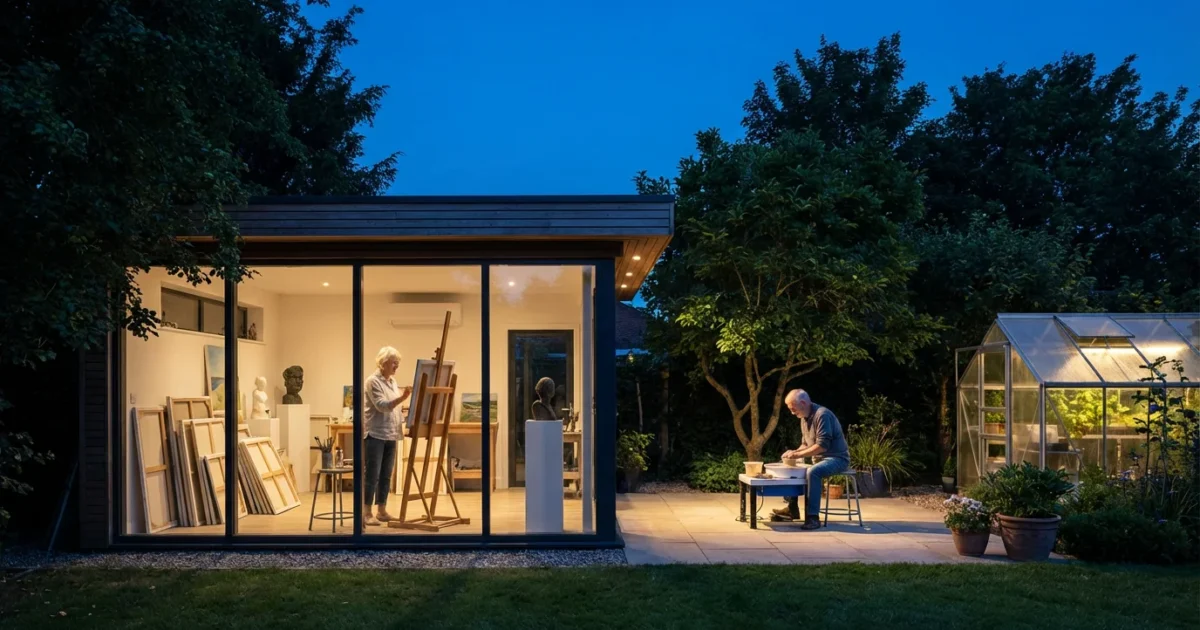
Retirement marks a profound transition, opening doors to new possibilities and personal growth. Many envision travel, relaxation, or spending time with loved ones. An often-overlooked but incredibly enriching aspect of retirement involves tapping into your inherent creativity. Embracing artistic hobbies can significantly enhance your well-being, provide a sense of purpose, and connect you with vibrant communities. You have an inner artist waiting to be unleashed.
Just as investing in retirement provides financial stability, investing time in artistic pursuits ensures emotional and cognitive vitality.

Why Embrace Creativity in Retirement?
Engaging in retirement creativity offers a wealth of benefits beyond simply filling your time. Research consistently shows a strong link between creative engagement and improved health and happiness in older adults. You can experience profound positive impacts on your physical, mental, and social well-being.
Focusing on artistic details can also be a helpful strategy when coping with chronic pain, providing a natural form of distraction and relief.
Consider these significant advantages:
- Enhanced Cognitive Function: Artistic activities challenge your brain, improving memory, problem-solving skills, and attention to detail. Learning a new skill or refining an old one keeps your mind sharp.
- Reduced Stress and Improved Mood: Focusing on a creative task can be a meditative experience. It provides an escape from daily worries, lowers stress hormones, and promotes feelings of relaxation and joy. Many seniors find crafts and art hobbies a calming antidote to anxiety.
- Increased Self-Esteem and Purpose: Completing an artistic project gives you a tangible sense of accomplishment. It validates your abilities and provides a renewed sense of purpose, combating feelings of boredom or irrelevance sometimes associated with retirement.
- Social Connection: Many creative pursuits thrive in group settings. Joining classes, workshops, or art clubs introduces you to like-minded individuals, fostering new friendships and a supportive community. This combats social isolation, a common concern for retirees.
- Physical Dexterity: Activities like painting, sculpting, knitting, or playing an instrument improve fine motor skills and hand-eye coordination. This helps maintain physical agility and independence.
The National Institute on Aging highlights the importance of staying engaged and physically active in retirement for overall health, and creative activities directly contribute to this holistic well-being. Your artistic journey contributes to a richer, more vibrant retirement experience.
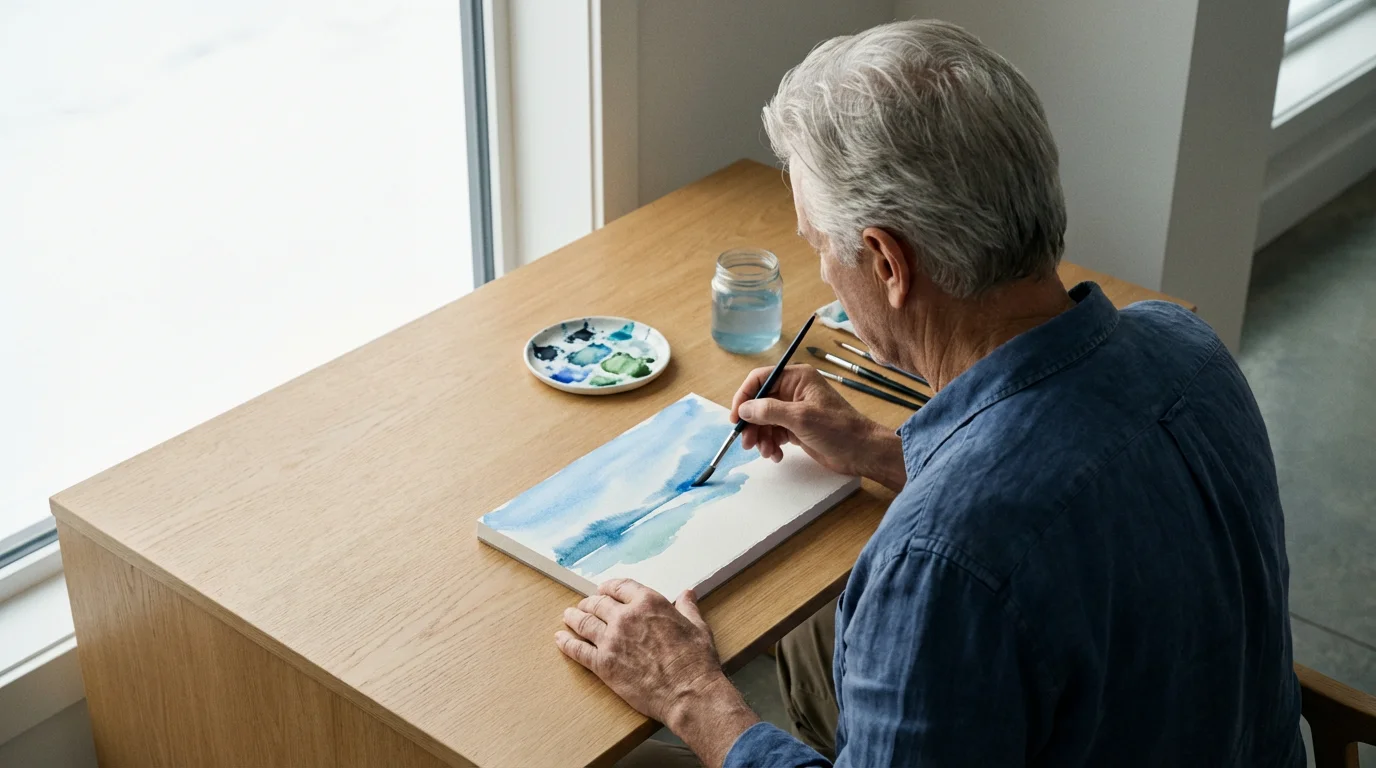
Finding Your Spark: Discovering Artistic Hobbies
Perhaps you always dreamed of painting but never had the time. Maybe you want to try something entirely new. Discovering the right creative outlet in retirement begins with exploration and openness. Do not feel pressured to be an expert immediately. The joy lies in the process.
While exploring these new outlets, ensure you are also avoiding common retirement planning mistakes that might restrict your freedom to enjoy your leisure time.
Before starting a new hobby, creating a retirement budget can help you manage the costs of art supplies, studio fees, or specialized equipment.
The best part is that many creative hobbies are budget-friendly retirement activities that provide immense joy without requiring a large financial investment.
Follow these steps to find your artistic passion:
- Reflect on Past Interests: Did you enjoy art classes in school? Did you have a hobby you set aside due to work or family commitments? Revisit these old passions.
- Consider Your Personality: Are you introverted or extroverted? Do you prefer solo projects or group collaboration? This helps narrow down suitable activities.
- Explore Different Mediums: Attend local art fairs, watch online tutorials, or browse craft stores. You might discover an art form you never knew existed.
- Start Small and Experiment: You do not need expensive equipment to begin. Try sketching with a pencil, writing a short poem, or taking a basic beginner’s class.
- Embrace the Learning Curve: Do not let initial struggles discourage you. Every artist, regardless of age, starts somewhere. Focus on the enjoyment and personal growth.
Remember, you are not aiming for perfection; you are seeking engagement and fulfillment. What are some relaxing artistic hobbies you can try? Many activities offer a gentle entry point, allowing you to develop skills at your own pace.
“The future belongs to those who believe in the beauty of their dreams.” — Eleanor Roosevelt
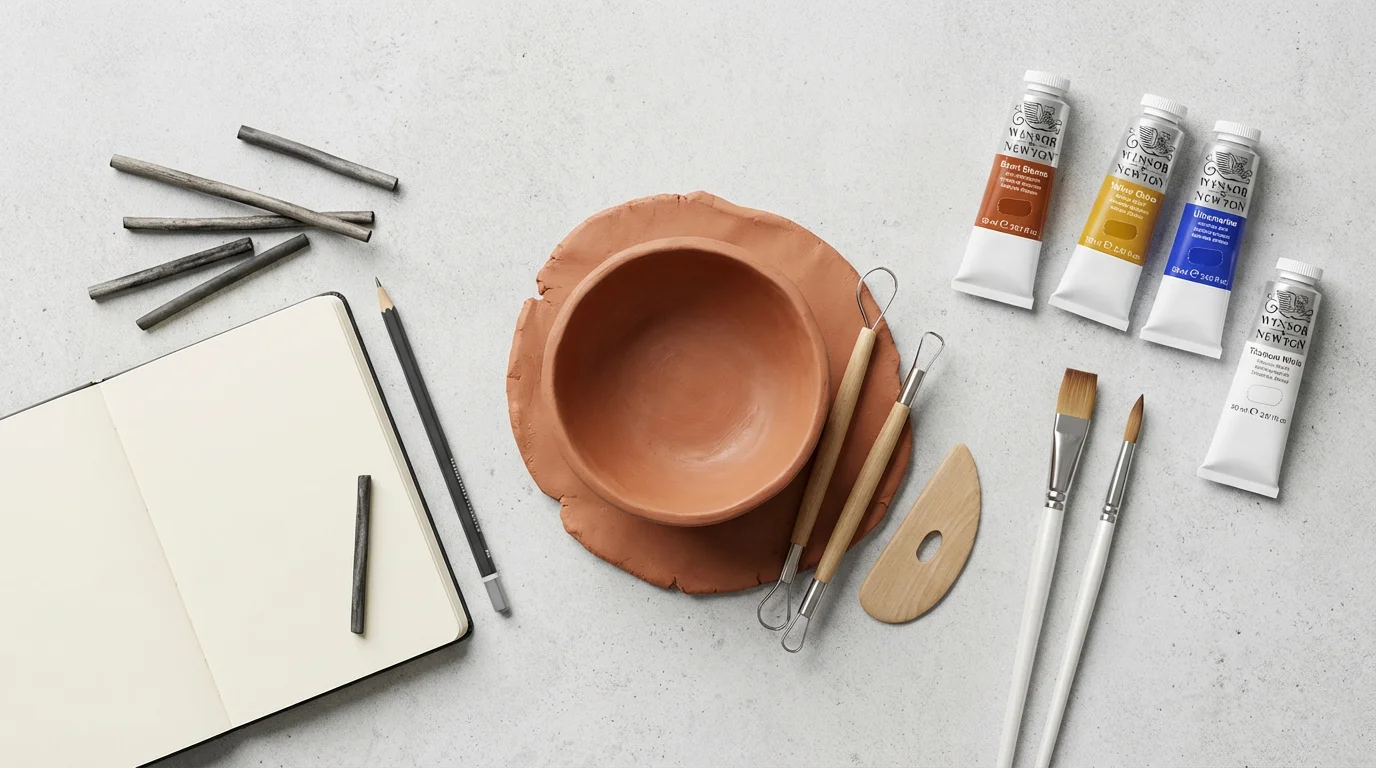
Visual Arts: Paint, Sculpt, and Draw Your World
Visual arts offer a diverse array of options for expressing yourself. These hands-on activities engage your senses and allow you to create something beautiful and unique. You might find a hidden talent or rediscover a long-lost love.
For those who find inspiration in the outdoors, gardening for seniors is a wonderful way to treat your backyard as a living, breathing canvas.
If you find your current home lacks space for an easel or a workbench, exploring downsizing for retirement could help you find a more artist-friendly layout.
Popular visual art hobbies for seniors include:
- Painting: Explore watercolors, acrylics, or oils. Watercolors are often a gentle starting point, requiring minimal setup and offering beautiful, fluid results. Acrylics dry quickly and are versatile, while oils provide rich textures and blending possibilities. Many community centers offer beginner painting classes.
- Drawing and Sketching: All you need is a pencil and paper to begin. Practice still life, portraits, or landscapes. Drawing enhances observational skills and can be done anywhere, making it a highly accessible art form. Consider joining a local drawing club.
- Pottery and Ceramics: Working with clay is a tactile and therapeutic experience. You can create functional pieces like mugs and bowls or purely decorative sculptures. Local studios often provide wheels, kilns, and instruction.
- Sculpture: Beyond clay, explore materials like wood, metal, paper, or even found objects. Sculpture allows for three-dimensional expression and problem-solving.
- Photography: Capture the world around you. With digital cameras and smartphones, photography is more accessible than ever. Learn about composition, lighting, and editing to elevate your snapshots into art. Join a photography club for tips and photo walks.
- Printmaking: Experiment with linocuts, woodcuts, or monotypes. This process involves creating an image on a surface and then transferring it to paper, offering unique textures and patterns.
Each of these art hobbies provides opportunities for continuous learning and personal expression. You can choose a medium that resonates with your interests and comfort level.
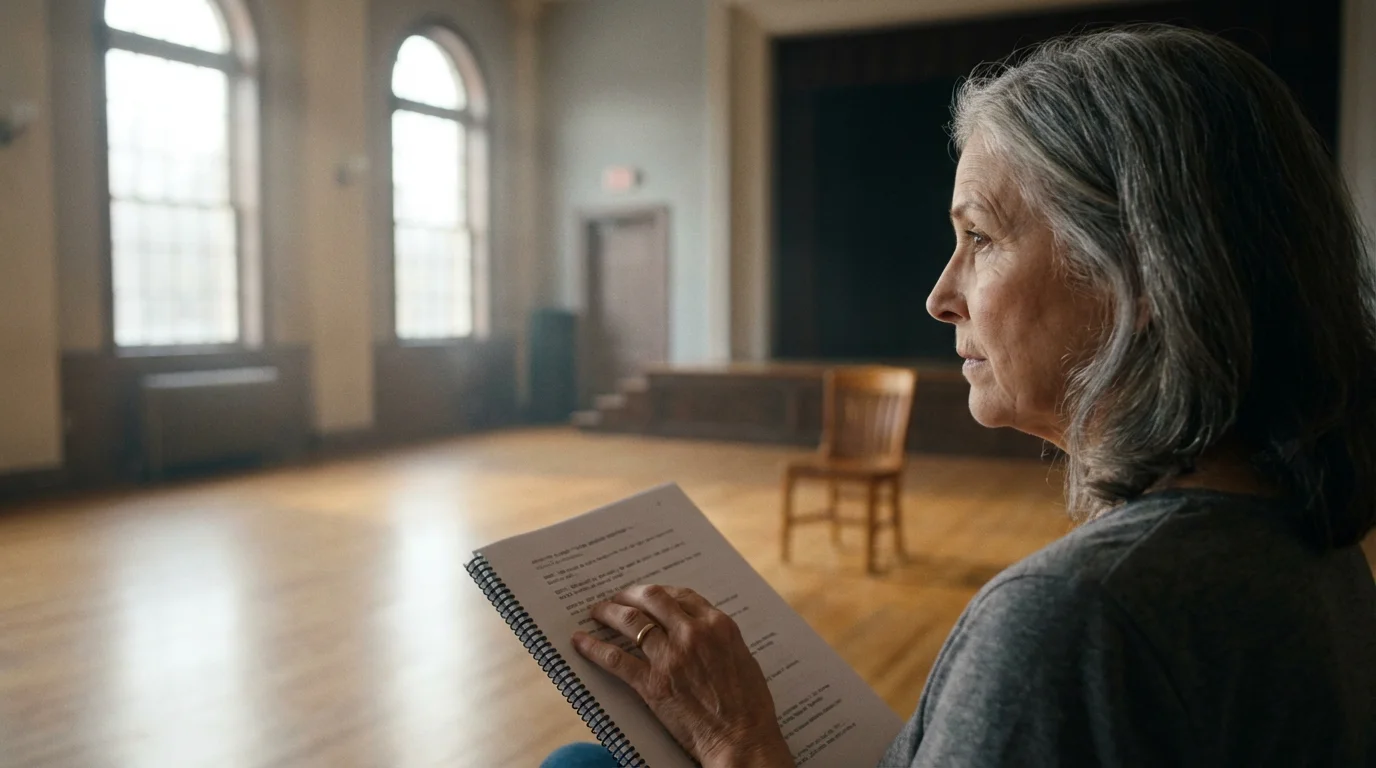
Performing Arts: Step Onto the Stage
If you enjoy collaboration and live expression, the performing arts might be your calling. These activities provide an exhilarating way to connect with others and share your talents. You do not need prior experience to participate. Many groups welcome beginners.
You might also discover shared creative spaces by looking into co-housing for seniors, where collaborative environments are often a central focus.
Many retirees find that giving back in retirement through performance art or teaching can be just as rewarding as the creation itself.
Consider these engaging performing arts options:
- Community Theater: Join a local theater group. You can audition for roles, work backstage on costumes or sets, or help with production. Community theater offers a fantastic way to meet people and contribute to a collective artistic endeavor.
- Music: Learn a new instrument or pick up an old one. Many senior centers offer group music lessons. You could join a choir, band, or orchestra. Singing in a choir, for instance, provides both musical enjoyment and social bonding.
- Dance: Explore various dance styles, from ballroom and swing to line dancing or even ballet. Dance offers excellent physical exercise, improves balance and coordination, and is incredibly fun. Look for beginner-friendly classes.
- Storytelling and Spoken Word: Share your life experiences, write short stories, or perform poetry. Many communities host open mic nights or storytelling circles, providing a supportive environment for sharing your voice.
Engaging in performing arts can boost your confidence, improve public speaking skills, and provide a strong sense of belonging. The audience connection is a unique reward.
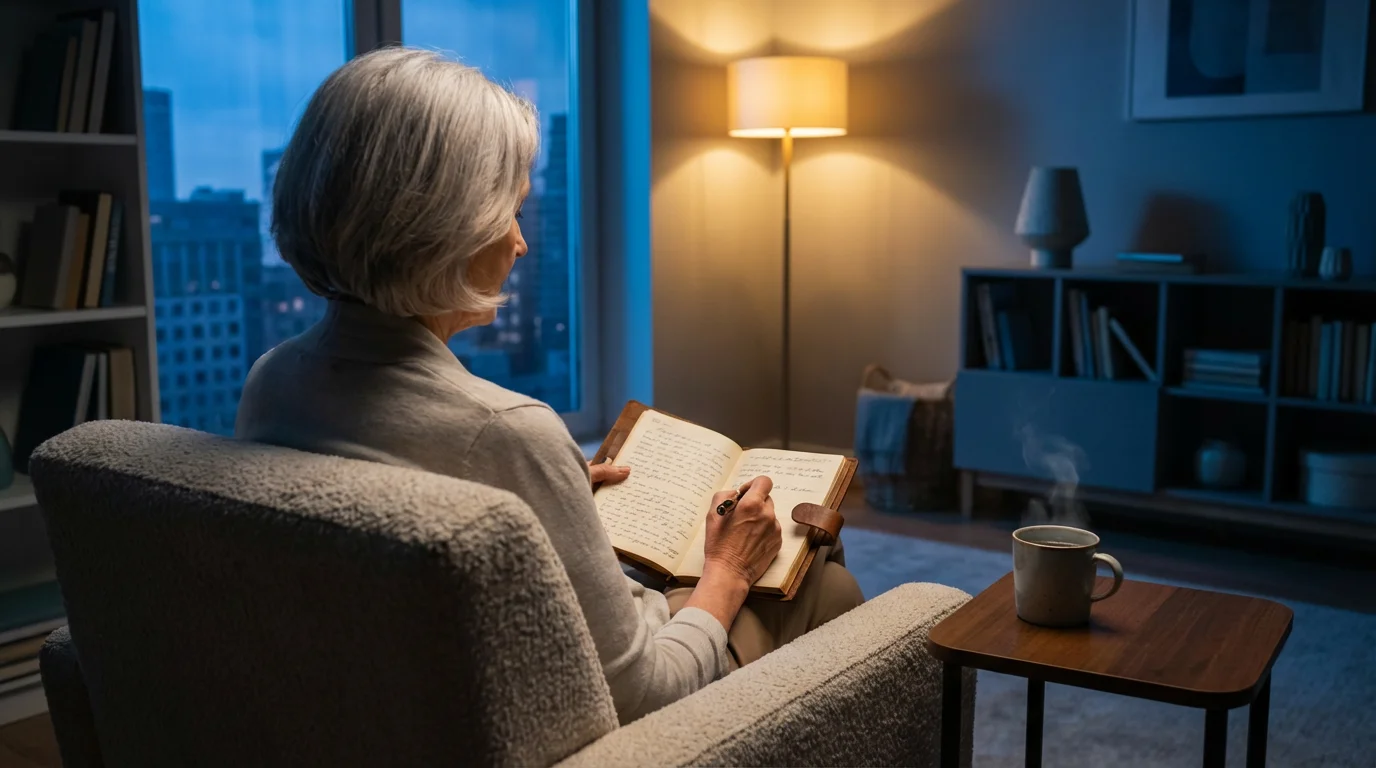
Literary Arts: Write Your Story, Share Your Voice
Writing offers a powerful way to process thoughts, preserve memories, and express your unique perspective. It is a highly portable and accessible hobby, requiring only a pen and paper or a computer. Your life experiences provide a rich source of inspiration.
Explore these literary pursuits:
- Memoir Writing: Document your life story, personal experiences, and family history. This legacy project can be incredibly rewarding, offering insights for yourself and future generations.
- Poetry: Experiment with different forms and styles of poetry. Poetry allows for concise and evocative expression of emotions and observations.
- Short Stories: Develop characters and plots, creating imaginative narratives or fictionalized accounts of real events. Short stories provide a manageable scope for developing your writing skills.
- Journaling: Maintain a daily or weekly journal to record your thoughts, feelings, and observations. Journaling can be a therapeutic practice, promoting self-reflection and clarity.
- Blogging: Share your insights, hobbies, or life advice with a wider online audience. A personal blog can become a creative outlet and a way to connect with others who share your interests.
Many community colleges and senior centers offer creative writing workshops. These provide structure, feedback, and a supportive community of fellow writers. AARP, for instance, often features articles and resources on the benefits of writing for seniors.
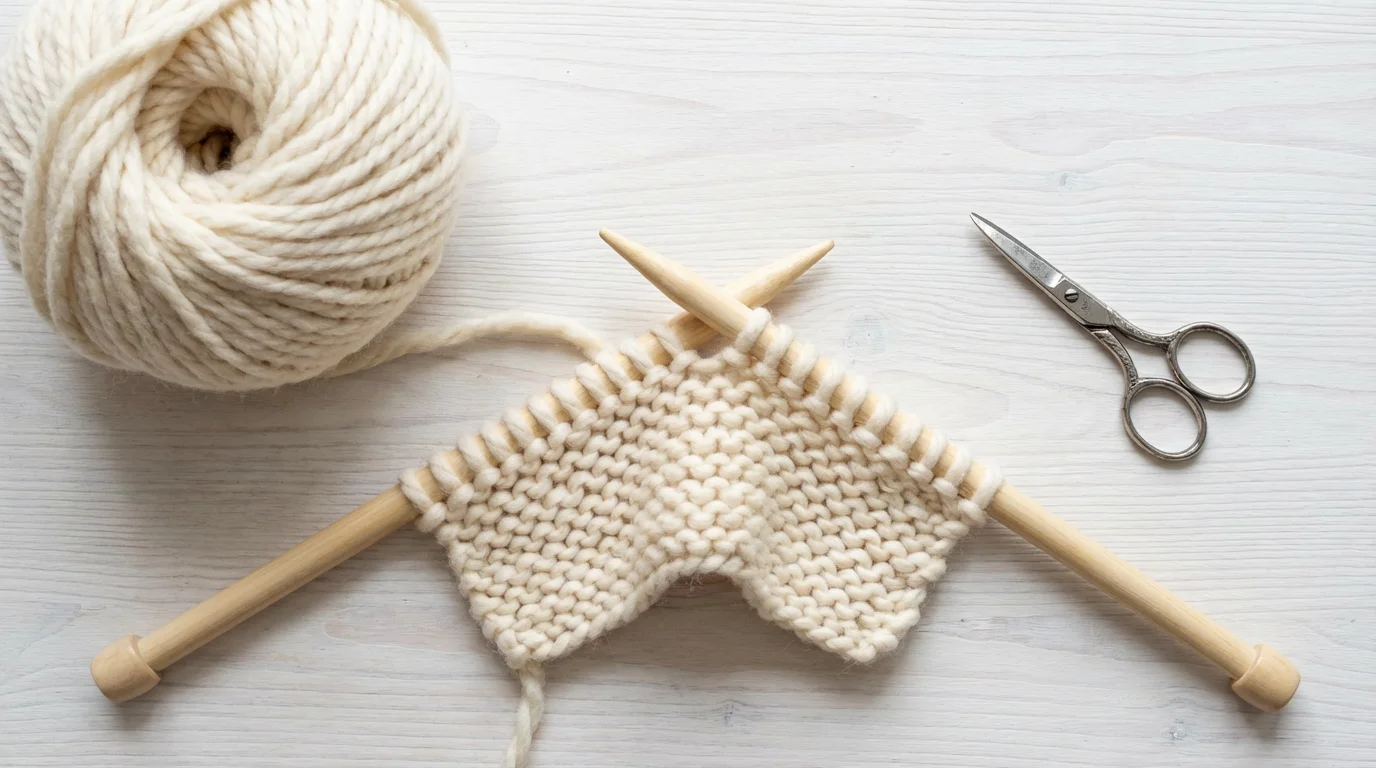
Crafts and Maker Hobbies: Hands-On Creation
Crafts and maker hobbies appeal to those who enjoy working with their hands and creating practical or decorative items. These activities are often relaxing and can lead to beautiful gifts or home decor. Senior crafts are a popular way to stay engaged and productive.
Donating your handmade crafts to local organizations can also be a meaningful part of your charitable giving strategies to support causes you care about.
Discover these engaging craft ideas:
- Knitting, Crocheting, and Quilting: Create garments, blankets, or decorative textiles. These fiber arts are meditative, portable, and produce warm, comforting items. Many groups meet regularly to knit or quilt together, fostering strong social bonds.
- Jewelry Making: Design and create unique necklaces, bracelets, and earrings using beads, wire, or other materials. This hobby allows for personal expression and can even become a small business venture.
- Woodworking: Learn to carve, build, or refinish wooden objects. From intricate sculptures to functional furniture, woodworking offers a sense of accomplishment and the satisfaction of working with natural materials.
- Card Making and Scrapbooking: Preserve memories and create personalized greetings. These activities combine photography, writing, and design elements, resulting in heartfelt gifts and keepsakes.
- Candle Making and Soap Making: Create fragrant, handmade items for personal use or gifting. These hobbies involve learning basic chemistry and design, resulting in beautiful and useful products.
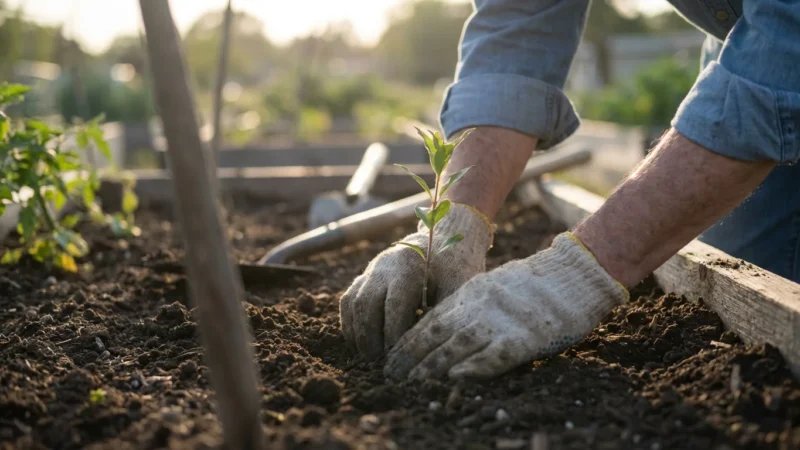
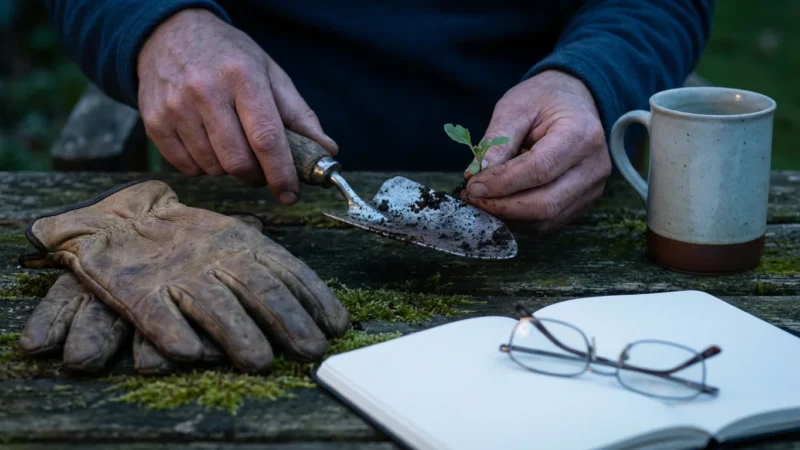
- Gardening and Floral Arranging: While not strictly “crafts,” tending a garden or arranging flowers provides immense creative satisfaction. You work with living materials, designing beautiful outdoor spaces or indoor displays.
The tangible results of crafts can be incredibly rewarding, providing items you can use, display, or gift to loved ones. Your creations bring joy to many.
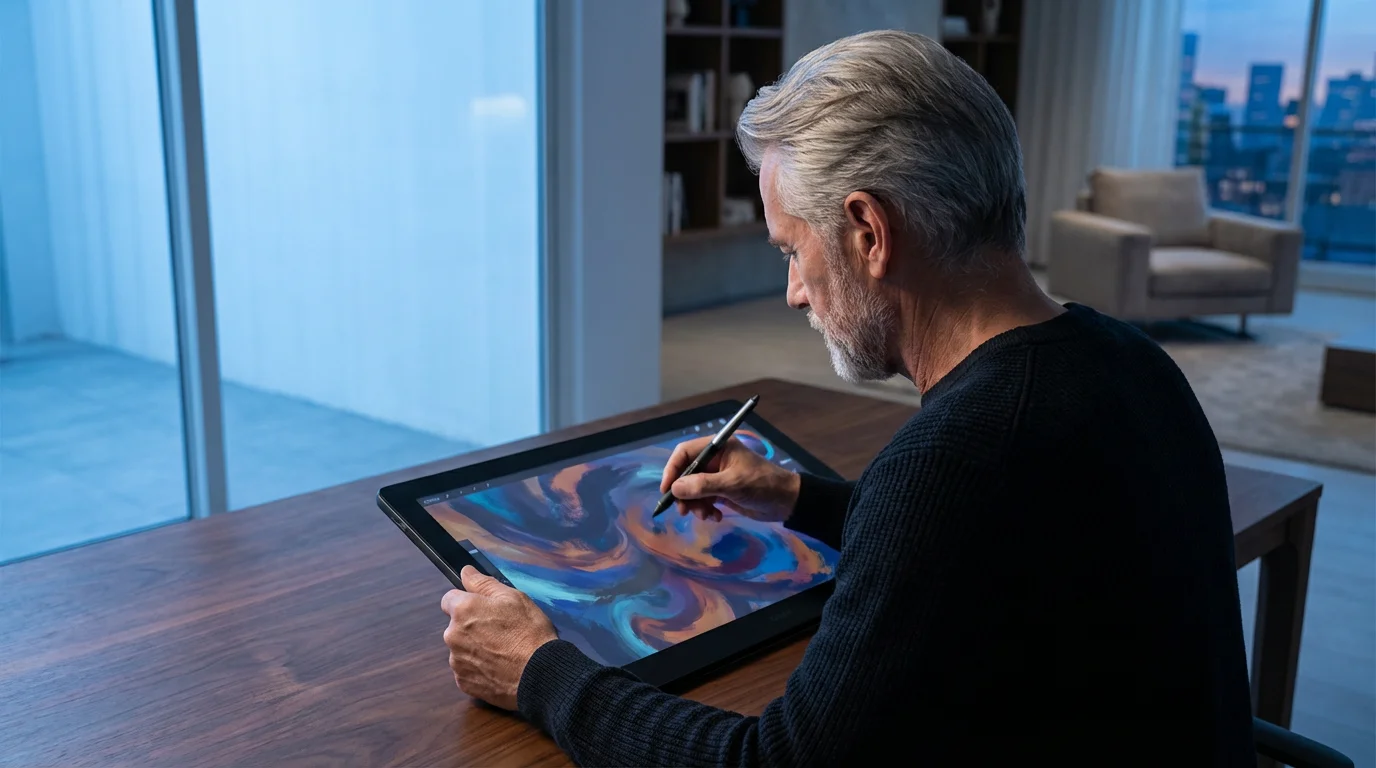
Digital Creativity: Artistic Pursuits with Technology
Do not overlook the artistic potential of technology. Digital tools offer accessible and powerful ways to create, edit, and share your art. Even if you are new to technology, many user-friendly programs exist to help you start.
Consider these digital creative outlets:
- Digital Photography Editing: Enhance your photos using software like Adobe Lightroom, Photoshop Express, or free alternatives. Learn to crop, adjust colors, and add artistic effects.
- Graphic Design: Create invitations, greeting cards, posters, or even a personal logo using simple design tools like Canva or GIMP. This involves visual communication and aesthetic arrangement.
- Digital Painting and Drawing: Use a tablet and stylus with software like Procreate (iPad) or Krita (PC) to create digital artworks. This offers the versatility of traditional art without the mess.
- Music Production: Compose and record your own music using digital audio workstations (DAWs) like GarageBand (Mac) or Audacity (PC). You can create original songs, podcasts, or soundscapes.
- Video Editing: Create short films, family documentaries, or travel videos using user-friendly software. Organize your footage, add music, and tell compelling stories.
Embracing digital creativity opens up a world of possibilities for expression and sharing your work with a wider audience. Many online tutorials can guide you through the initial steps.
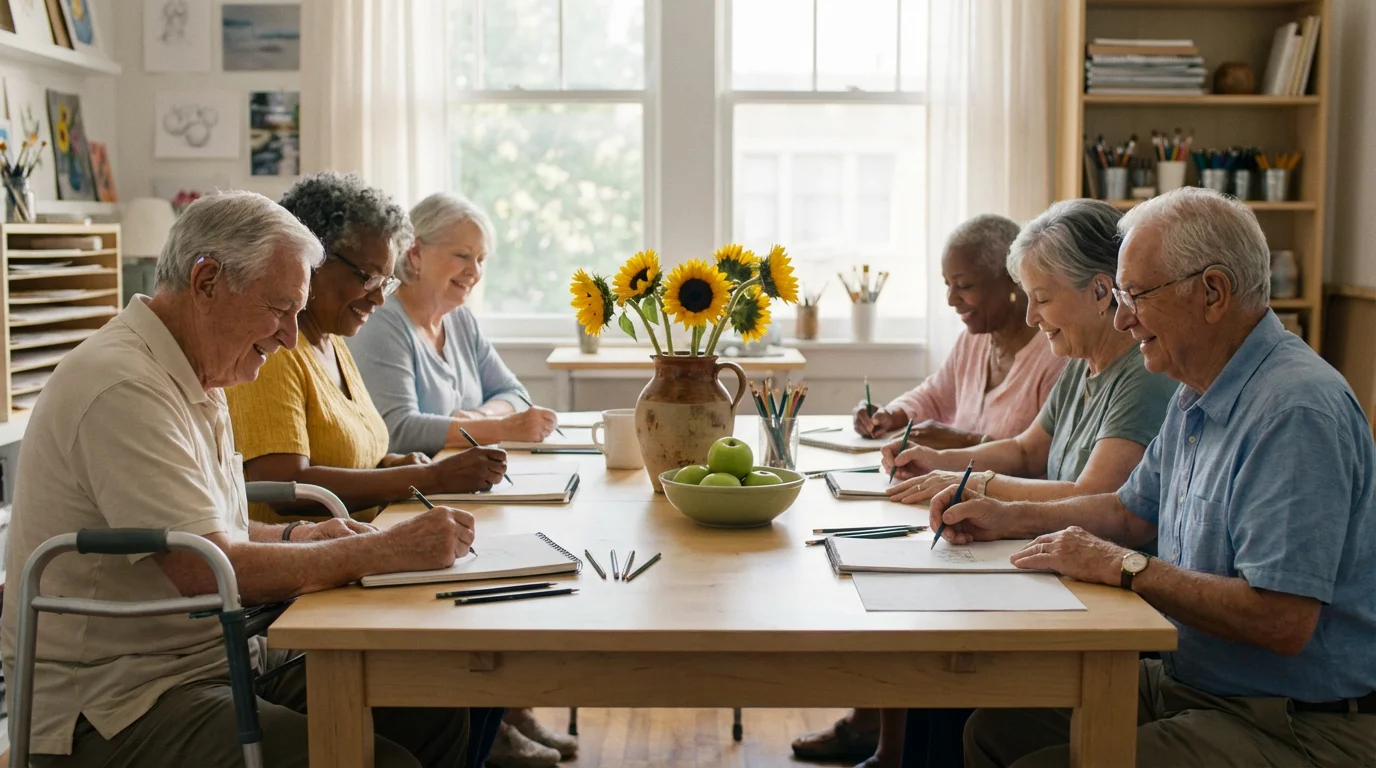
Resources and Community: Support and Growth
Finding the right resources and community significantly enhances your creative journey. You do not have to embark on this path alone. Support, instruction, and camaraderie make the experience more enjoyable and enriching.
Look for these valuable resources:
- Local Senior Centers: Many centers offer a variety of art, craft, and music classes specifically for older adults. These are often affordable and provide a social atmosphere.
- Community Colleges and Adult Education Programs: Enroll in art, writing, or performance classes. These courses provide structured learning and expert instruction.
- Art Supply Stores: Often host workshops and demonstrations. Their staff can also offer advice on materials and techniques.
- Public Libraries: Check out books on various art forms, attend free workshops, or join writing groups. Libraries are a treasure trove of knowledge and community events.
- Online Tutorials and Courses: Websites like YouTube, Skillshare, and Coursera offer countless lessons on almost any creative topic. This allows you to learn at your own pace from home.
- Local Art Galleries and Museums: Visit these institutions for inspiration, attend artist talks, or inquire about docent programs. Many offer senior discounts.
- Professional Organizations: If you become serious about a particular art form, consider joining a local or national guild or association. They offer networking, exhibitions, and advanced learning opportunities.
Connecting with others who share your interests provides motivation, feedback, and a sense of belonging. Do not hesitate to seek out these groups. Your creative endeavors will flourish with support.
Frequently Asked Questions
Can I really start a new creative hobby in retirement if I have no experience?
Absolutely. Retirement is the perfect time for new beginnings, and many creative hobbies welcome beginners. Focus on the joy of learning and the process of creation, not on immediate mastery. Many resources, like beginner classes at senior centers or online tutorials, cater specifically to novices. You can find many relaxing artistic hobbies that require no prior skill.
What are some low-cost creative outlets I can try?
You do not need to spend a lot to be creative. Drawing, journaling, poetry writing, and nature photography (using your smartphone) are very low-cost options. Many libraries offer free art classes or access to digital design software. Upcycling old items into new crafts also minimizes expenses, offering a great way for seniors to find creative outlets without breaking the bank.
How can creative outlets benefit my mental health in retirement?
Creative activities offer significant mental health benefits. They reduce stress, alleviate symptoms of anxiety and depression, and provide a sense of purpose. Engaging in creative tasks stimulates cognitive function, improving memory and problem-solving skills. The focus required for art can act as a form of meditation, promoting calm and mindfulness, thereby boosting your retirement creativity.
Where can I find other seniors who share my artistic interests?
Look to local senior centers, community colleges, public libraries, and adult education programs. These institutions often host workshops, classes, and clubs for various creative pursuits. Online forums and social media groups dedicated to specific hobbies, like “art hobbies for seniors,” also offer opportunities to connect with like-minded individuals.
Is it ever too late to develop my artistic talent?
It is never too late to develop your artistic talent. Many renowned artists found their passion or achieved significant recognition later in life. Your life experience brings a unique perspective and depth to your art. Embrace this stage of life as an opportunity for uninhibited self-expression and personal discovery, fostering your senior crafts and art hobbies.
Disclaimer: This article is for informational purposes only and does not constitute financial, legal, tax, or medical advice. Retirement planning involves complex decisions that depend on your individual circumstances. We strongly encourage readers to consult with qualified professionals—including financial advisors, attorneys, tax professionals, and healthcare providers—before making significant retirement decisions.
Leave a Reply