
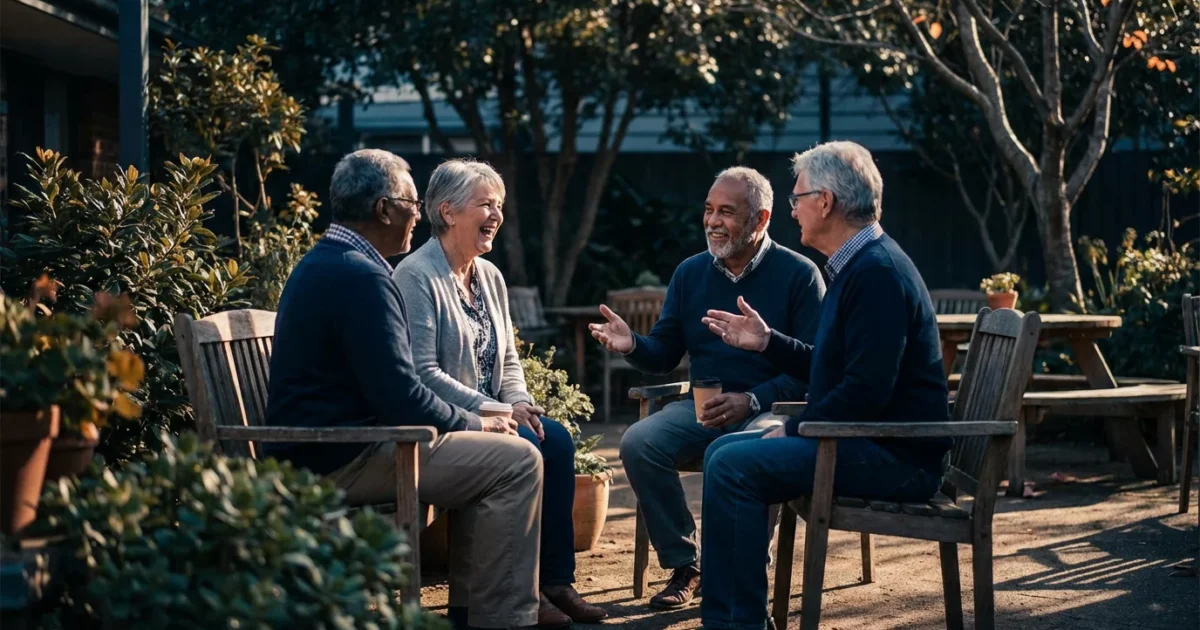
Retirement often brings significant life changes, from daily routines to financial priorities. One crucial aspect you might overlook is the importance of your social network. Your social connections provide support, purpose, and joy, elements vital for a fulfilling retirement. As you transition away from workplace colleagues and potentially relocate, proactively building and maintaining senior friendships becomes essential for your overall well-being.
Research consistently demonstrates that strong social connections correlate with better physical health, improved mental health, and even increased longevity. Loneliness and isolation, conversely, carry significant health risks comparable to smoking or obesity. This guide offers practical, actionable steps to help you cultivate new relationships and strengthen your social life in retirement.

Understanding the Importance of Social Connection in Retirement
Retirement marks a new chapter, often accompanied by changes in social dynamics. You lose the automatic daily interactions with colleagues, a significant source of your past social life. This shift makes it imperative to consciously focus on creating new avenues for connection and strengthening existing bonds.
Maintaining a robust social life offers numerous benefits. It stimulates cognitive function, helping to keep your mind sharp. It provides emotional support during challenging times and celebrates life’s joys. Shared activities and conversations offer a sense of belonging and purpose, counteracting feelings of loneliness that can sometimes accompany retirement.
“Retirement is not the end of the road. It is the beginning of the open highway.” — Unknown

Assessing Your Current Social Landscape
Before you embark on making new friends, take stock of your current social situation. This self-assessment helps you identify gaps and opportunities. Consider who you regularly interact with and what types of relationships you seek to cultivate.
For those seeking deep social integration, exploring co-housing for seniors can provide a built-in community environment and shared living experiences.
Reflect on Your Existing Network
- Family: How often do you connect with children, grandchildren, or extended family?
- Old Friends: Have you maintained contact with friends from pre-retirement life, school, or past neighborhoods?
- Neighbors: Do you have casual or close relationships with people living near you?
- Former Colleagues: Do you still meet or communicate with former co-workers?
Understanding these connections helps you see where you already have strength and where you might want to expand.
Identify Your Social Needs
Ask yourself what you genuinely want from your social life. Do you prefer large group activities or intimate one-on-one conversations? Do you seek companionship for specific hobbies, or do you desire deep, personal connections? Your answers guide your strategy for finding suitable retirement connections.

Identifying Your Interests and Passions
One of the most effective ways to meet like-minded individuals is to engage in activities you genuinely enjoy. Shared interests provide a natural foundation for conversation and friendship. Retirement offers a fantastic opportunity to explore long-held hobbies or discover entirely new ones.
Brainstorm Your Passions
Make a list of everything that genuinely interests you. Do not limit yourself; include everything from reading and gardening to learning a new language or engaging in volunteer work. Your passions are your entry points to new friendships.
- Think about past hobbies you enjoyed but neglected.
- Consider new skills or subjects you always wanted to learn.
- Reflect on causes you care deeply about.
- List physical activities you find enjoyable, like walking, swimming, or golf.
- Identify creative pursuits that bring you joy.
Seek Out Group Activities
Once you have a clearer picture of your interests, look for local groups or classes that align with them. These settings naturally facilitate interaction and provide a common ground for connection. For instance, if you love reading, a book club is a perfect fit. If you enjoy history, a local historical society offers avenues for engagement.

Exploring Community Engagement Opportunities
Your local community offers a wealth of resources for building a social life. Many organizations actively seek senior friendships and participation, providing structured and informal settings for meeting new people. This is how to build a retirement community around yourself, one connection at a time.
Many local resources provide budget-friendly retirement activities that allow you to socialize without impacting your fixed income.
Senior Centers and Community Programs
Local senior centers are hubs of activity, specifically designed for adults aged 55+. They often host a diverse array of programs, classes, and social events. You can find everything from fitness classes and art workshops to card games and discussion groups. Many centers offer transportation or subsidized meals, making participation even more accessible. The National Council on Aging (NCOA) provides resources to help you locate such programs in your area.
Volunteer Opportunities
Volunteering offers a powerful dual benefit: it allows you to contribute to a cause you care about while simultaneously meeting new people. Working together towards a common goal creates strong bonds. Consider opportunities at:
- Local hospitals or nursing homes
- Animal shelters
- Museums or libraries
- Churches or synagogues
- Food banks or charitable organizations
- Mentoring programs for younger generations
The Eldercare Locator, a public service of the U.S. Administration on Aging, can help you find volunteer opportunities and other services in your community.
Classes and Workshops
Enroll in a class that teaches a new skill or expands on an existing interest. Local colleges, community education programs, and even craft stores often offer courses. Learning alongside others creates a shared experience and provides built-in conversation starters. This approach is excellent for developing new retirement connections.
Clubs and Organizations
Beyond senior centers, many clubs cater to specific interests. Look for gardening clubs, hiking groups, photography clubs, bridge groups, or chess clubs. Organizations like AARP also often sponsor local chapters and events, providing opportunities for engagement and senior friendships.

Leveraging Technology for Connection
Technology offers powerful tools for maintaining and building your social network. Do not underestimate its potential, even if you consider yourself less tech-savvy. Learning to use these tools can significantly expand your social life.
Social Media and Online Groups
Platforms like Facebook allow you to reconnect with old friends and family members you may have lost touch with. You can also join groups dedicated to specific hobbies, local community interests, or retirement topics. These online communities can be a stepping stone to in-person meetups. Many people find comfort in interacting online before transitioning to face-to-face meetings.
Video Calls
For friends and family living far away, video calling services like Zoom, FaceTime, or Google Meet are invaluable. They allow you to see expressions and body language, making conversations feel much more personal than phone calls alone. Schedule regular video calls to maintain those important long-distance relationships.
Online Dating and Friendship Apps
If you are looking for romantic companionship or simply platonic friendships, specific apps and websites cater to seniors. These platforms help you connect with people who share similar interests and life stages. Exercise caution and common sense, just as you would in any new social interaction, but recognize these platforms as viable avenues for new connections.
Meetup Groups and Event Calendars
Websites like Meetup.com host thousands of local groups focused on various activities, from hiking to dining to book discussions. Many cities also have online community calendars that list events, lectures, and social gatherings. These resources help you discover what seniors can do to connect in your immediate area.
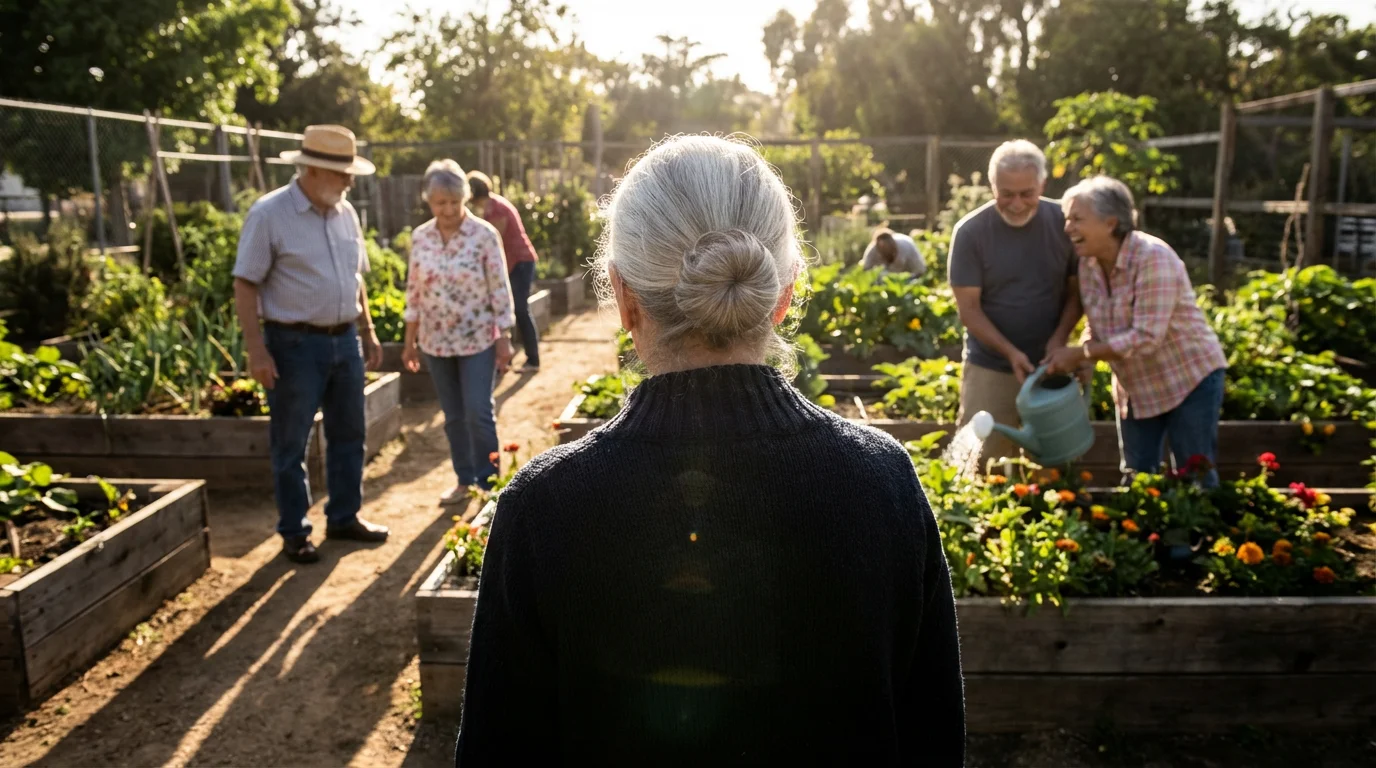
Overcoming Common Hurdles to Making Friends
Building a retirement social network can present challenges. Recognizing and addressing these common hurdles helps you approach the process with greater confidence and strategy.
When downsizing for retirement, choosing a neighborhood with active community spaces can jumpstart your social life in a new location.
Shyness or Introversion
It is common to feel a bit shy in new social situations. Start with activities that have a built-in structure, such as a class or a volunteer role, where conversations arise naturally from the task at hand. Focus on making one new connection at a time. Remember, many people feel the same way; you are not alone.
Fear of Rejection
The fear of not being accepted can prevent you from reaching out. Understand that not every interaction will lead to a deep friendship, and that is perfectly normal. Focus on the positive experiences and the connections that do blossom. Persistence is key.
Mobility or Health Limitations
Physical limitations can make it harder to participate in certain activities. Look for accessible options, such as online groups, virtual events, or organizations that offer transportation. Many senior centers provide modified fitness classes or social events designed to accommodate various mobility levels. Do not let limitations completely isolate you.
Relocation
Moving to a new area means starting from scratch socially. This situation requires extra effort and patience. Begin by exploring your new neighborhood, joining local welcome committees, or using online forums specific to your new community. Attend local festivals and events to immerse yourself in the new environment and meet locals.

Nurturing New and Existing Relationships
Making new friends is only part of the equation; you must also actively nurture these connections to build lasting senior friendships. Relationships require consistent effort and genuine engagement.
Be a Good Listener
Show genuine interest in others. Ask open-ended questions and truly listen to their responses. People appreciate feeling heard and understood. Good listening fosters deeper connections and builds trust.
Initiate Contact
Do not wait for others to always make the first move. Be proactive. Suggest meeting for coffee, invite someone to an event, or simply send a friendly text or email. Consistency reinforces your interest in the friendship.
- Follow up after initial meetings with a quick message.
- Suggest specific, low-pressure activities like a walk in the park.
- Remember details about their lives to bring up in future conversations.
- Offer help or support when appropriate.
Be Open and Authentic
Share aspects of your life, your interests, and your experiences. Authenticity builds genuine connections. While you do not need to overshare immediately, allow yourself to be vulnerable and real as relationships develop. This creates a foundation for true senior friendships.
Practice Patience
Meaningful friendships do not form overnight. They grow through shared experiences, mutual support, and consistent interaction over time. Be patient with the process and with others. Some connections might remain casual, while others deepen into strong, lasting bonds.
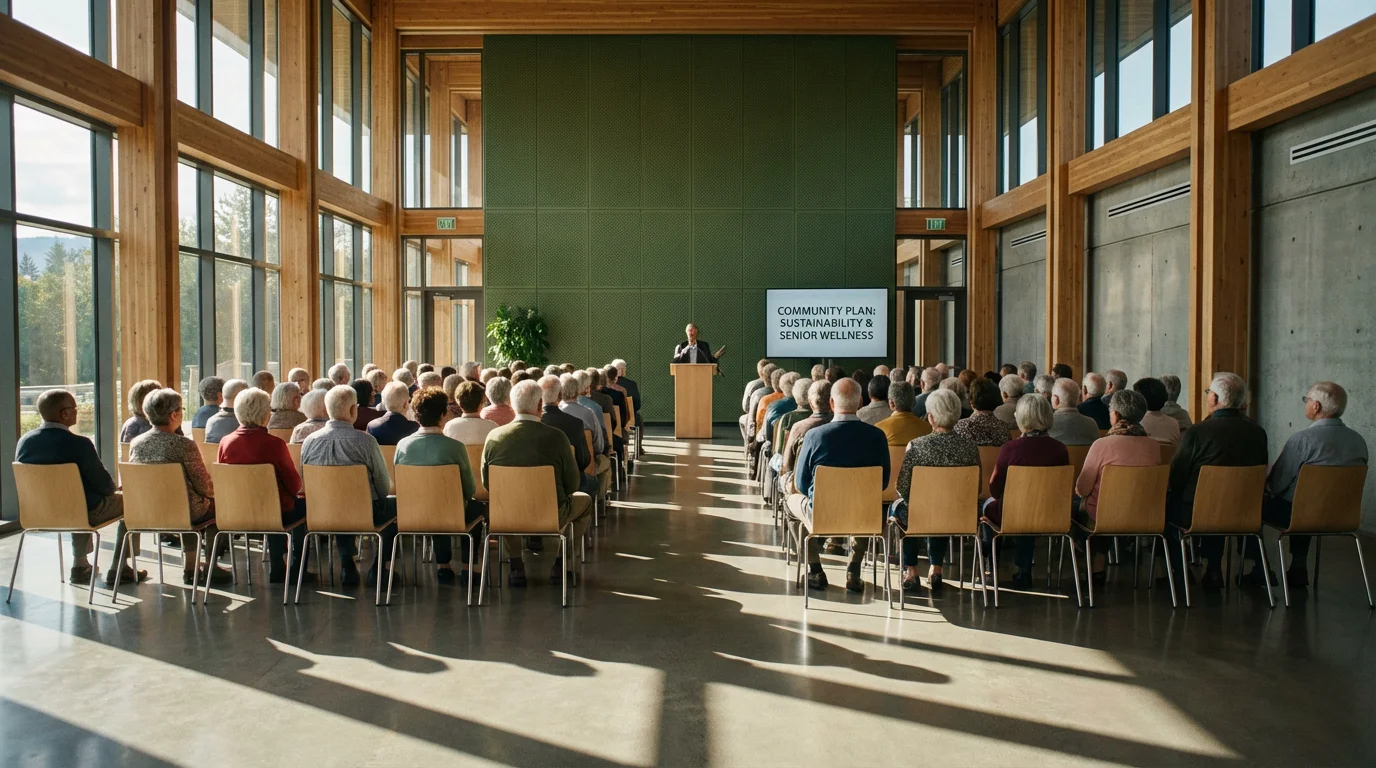
Building a Supportive Retirement Community
Beyond individual friendships, consider contributing to and benefiting from a broader sense of community. A supportive retirement community offers a safety net, shared experiences, and a collective feeling of belonging. You can actively participate in building one.
For those seeking a more integrated social lifestyle, co-housing for seniors offers a unique way to live among peers with shared spaces and values.
Participate in Local Governance or Advocacy
Engage with local senior councils, homeowner associations, or advocacy groups. Your involvement helps shape the community and connects you with others who share a vision for improvement. This active participation directly contributes to how to build a retirement community that serves its members effectively.
Organize Activities
If you see a gap in local offerings, consider organizing an activity yourself. Start a book club, initiate a walking group, or arrange regular potlucks. You do not need formal leadership experience; just a willingness to connect people. Many seniors actively seek what seniors can do to connect, and your initiative might be exactly what others need.
Be Inclusive
Extend invitations to new people and welcome newcomers. A strong community thrives on inclusivity. Introduce people to each other, facilitate conversations, and create an environment where everyone feels valued. This builds a robust network of retirement connections.
Seek Professional Consultation
While building your social network is often a personal journey, remember that other aspects of retirement require professional guidance. For complex decisions related to your financial well-being, healthcare, or legal planning, always consult with qualified professionals. A financial advisor can help you budget for social activities, an attorney can assist with estate planning, and healthcare providers can advise on maintaining physical health, which supports your social engagement.
Frequently Asked Questions
How important is social connection for retirees?
Social connection is crucial for overall well-being in retirement. It combats loneliness and isolation, which can negatively impact mental and physical health. Strong social ties contribute to improved mood, cognitive function, and even a longer lifespan. Engaging with others provides purpose, stimulates your mind, and offers emotional support as you navigate this new life stage.
What are the biggest challenges to making new friends in retirement?
Common challenges include established routines, relocation away from familiar social circles, shyness or discomfort in new situations, and a feeling that making friends as an adult is more difficult. Health issues or mobility limitations can also present hurdles. Recognizing these challenges helps you develop strategies to overcome them proactively.
Can technology help me make new friends?
Yes, technology offers several avenues for social connection. You can use social media platforms to reconnect with old acquaintances, join online groups based on your interests, or participate in virtual classes and workshops. Video calls allow you to maintain long-distance friendships. Many local community centers and senior organizations also use digital platforms to announce events and activities, helping you discover in-person opportunities.
What if I am shy or introverted?
Shyness and introversion do not prevent you from building a strong social network. Start with smaller, more structured activities where interaction is natural and less intimidating, such as book clubs or volunteer roles. Focus on quality over quantity in your friendships. Remember that many people feel some apprehension in new social settings. Take small, consistent steps, and celebrate each effort you make.
How long does it take to build meaningful retirement friendships?
Building meaningful friendships takes time and consistent effort. It is not an overnight process. Expect to invest weeks or months in cultivating new relationships. The process involves multiple interactions, shared experiences, and mutual trust. Be patient with yourself and others, and appreciate the journey of forming new bonds.
Disclaimer: This article is for informational purposes only and does not constitute financial, legal, tax, or medical advice. Retirement planning involves complex decisions that depend on your individual circumstances. We strongly encourage readers to consult with qualified professionals—including financial advisors, attorneys, tax professionals, and healthcare providers—before making significant retirement decisions.

Leave a Reply