
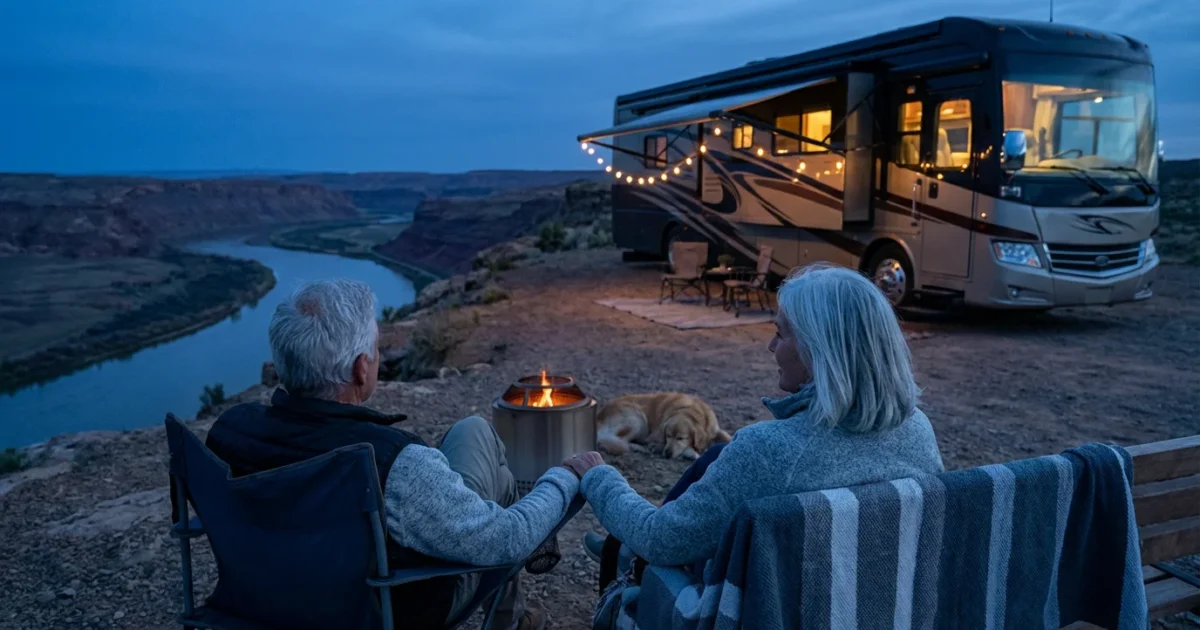
Retirement often brings dreams of travel, adventure, and shedding the constraints of a traditional home. For many, RV living in retirement represents the ultimate path to achieving that freedom. Imagine waking up to a new view every week, exploring national parks, or simply enjoying the flexibility to follow the sun. This lifestyle offers a unique blend of adventure and community, but also requires careful planning and a realistic understanding of its challenges.
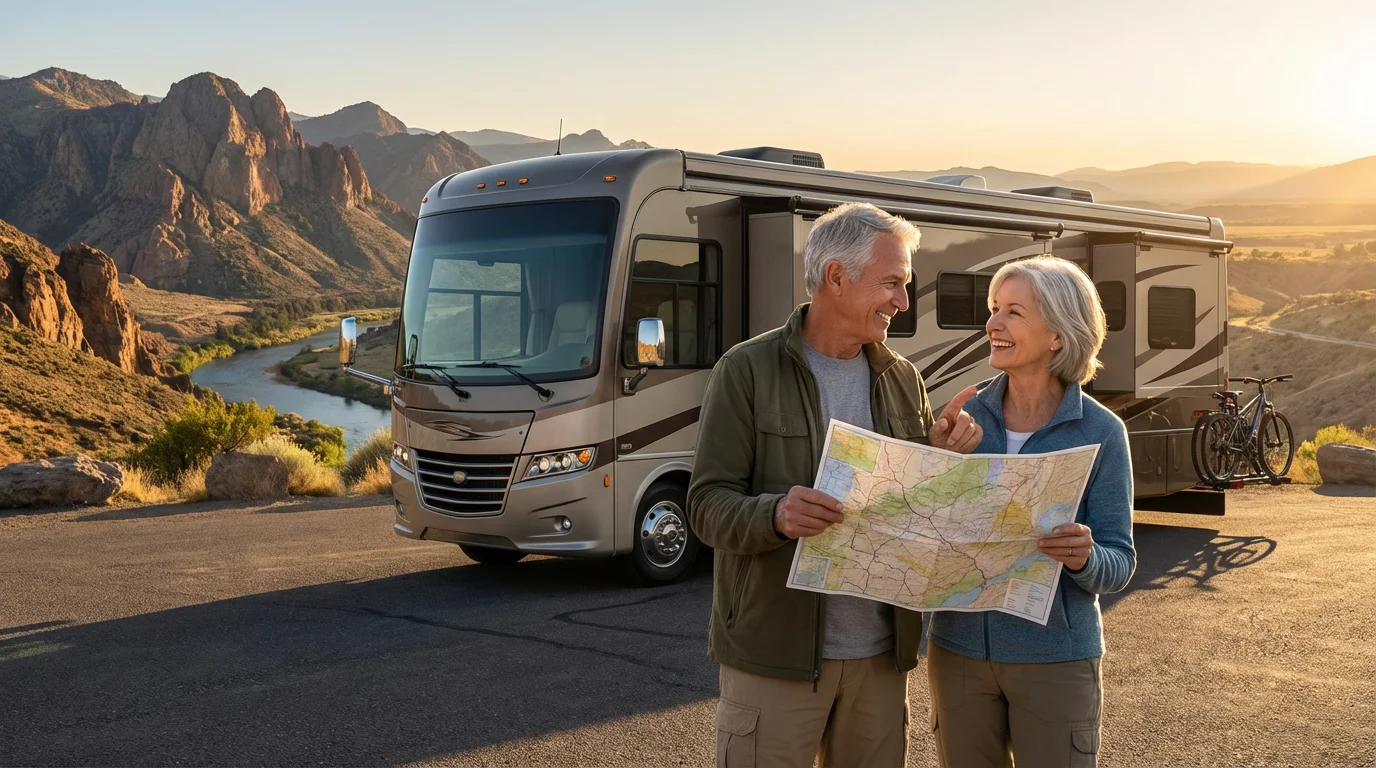
Embracing the Open Road: What is Full-Time RV Living?
Full-time RV living means making a recreational vehicle your primary residence. You pack up your life, sell or rent your traditional home, and hit the road. This lifestyle appeals to retirees seeking to simplify, travel extensively, or reduce their cost of living. You gain unparalleled mobility, allowing you to chase warmer weather, visit distant family, or explore new landscapes on a whim.
Many retirees choose this path for a significant lifestyle change. They desire continuous travel, a minimalist existence, and a deep connection with nature. RV living transforms retirement into an ongoing adventure, with new horizons always within reach. It is a commitment to a mobile home and a flexible itinerary.
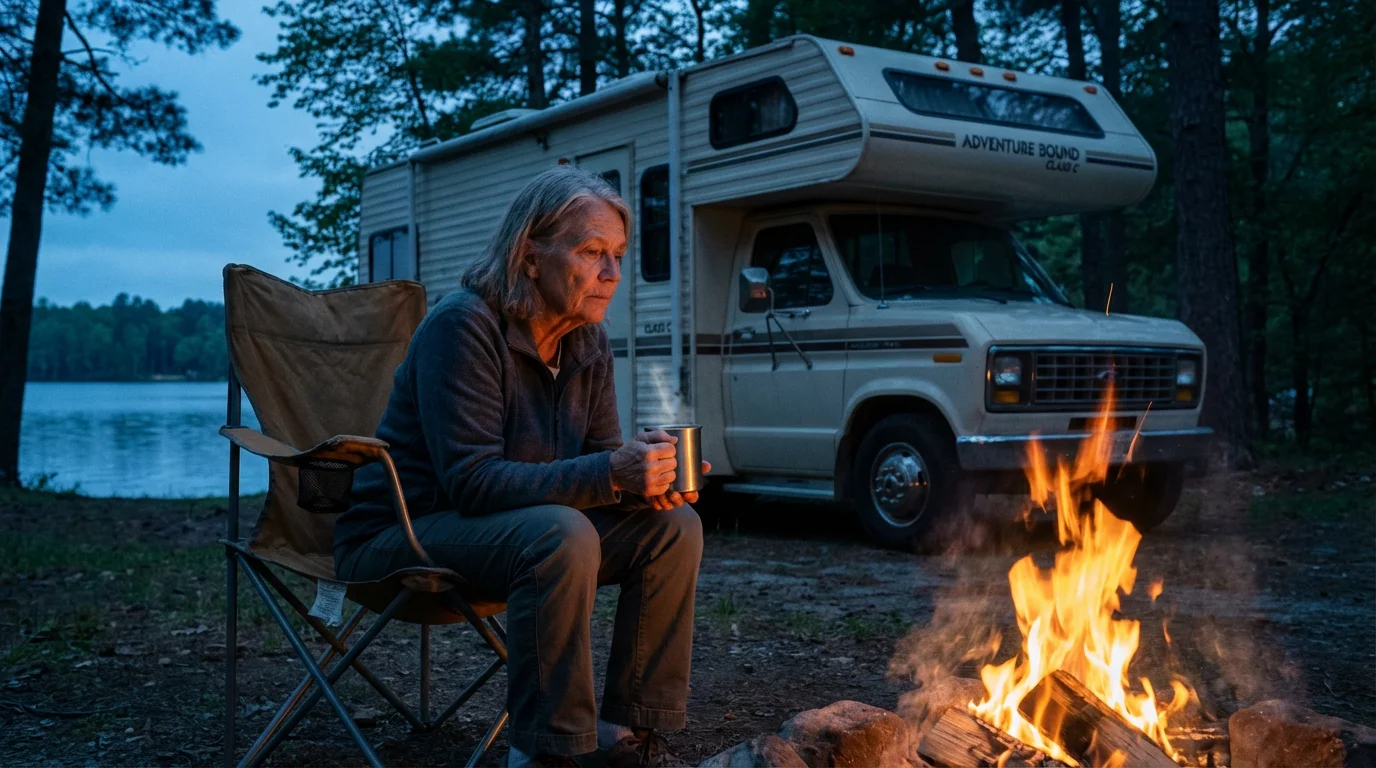
Is RV Living Right for You? Weighing the Pros and Cons
Deciding if RV living is right for you involves a thorough personal assessment. You need to consider your preferences for travel, social interaction, and home maintenance. This lifestyle offers significant advantages, but also presents unique challenges you must prepare for. Understanding both sides helps you make an informed choice.
Consider these factors carefully before committing to a life on the road:
- Freedom and Flexibility: You control your itinerary, moving as often or as little as you desire. Explore national parks, visit friends and family across the country, or simply follow the seasons. This freedom offers a refreshing change from a fixed address.
- Adventure and Exploration: Every day brings potential for new sights and experiences. You immerse yourself in diverse cultures and landscapes without booking constant flights or hotels. Retirement travel becomes an integral part of daily life.
- Community: The RV community is often vibrant and welcoming. You meet fellow travelers on the road, at campgrounds, and through various online groups. Many RVers form close bonds, offering support and camaraderie.
- Potential Cost Savings: For some, RV living can reduce housing costs, property taxes, and utility bills compared to a traditional home. This depends heavily on your travel style, RV type, and campground choices. You manage your expenses actively.
- Downsizing and Minimalism: This lifestyle naturally encourages a decluttered existence. You live with less, focusing on experiences rather than possessions. Many find this simplification liberating and stress-reducing.
However, full-time RV living also presents its own set of considerations:
- Maintenance and Repairs: RVs, like any vehicle or home, require regular maintenance and can incur unexpected repairs. You need mechanical aptitude or a budget for professional help. Breakdowns can disrupt travel plans and strain your finances.
- Fuel Costs: Fuel is a significant and variable expense, especially for larger motorhomes. Long-distance travel can quickly accumulate substantial fuel bills. You must factor this into your budget.
- Space Constraints: Living in a smaller footprint requires significant adjustments. You have limited storage and personal space, which can test relationships and routines. Careful organization becomes essential.
- Connectivity Challenges: Reliable internet and cell service are not guaranteed everywhere you travel. This affects communication, entertainment, and remote work if you choose to continue some employment. You need backup options.
- Social Adjustments: While community exists, you might experience loneliness or isolation at times. Constantly moving means frequently leaving new friends behind. You must actively seek out social connections.
- Logistical Hurdles: Managing mail, finding laundromats, accessing medical care, and dealing with domicile requirements all become more complex. You develop new systems for these everyday tasks.
Retirement is not the end of the road. It is the beginning of the open highway.
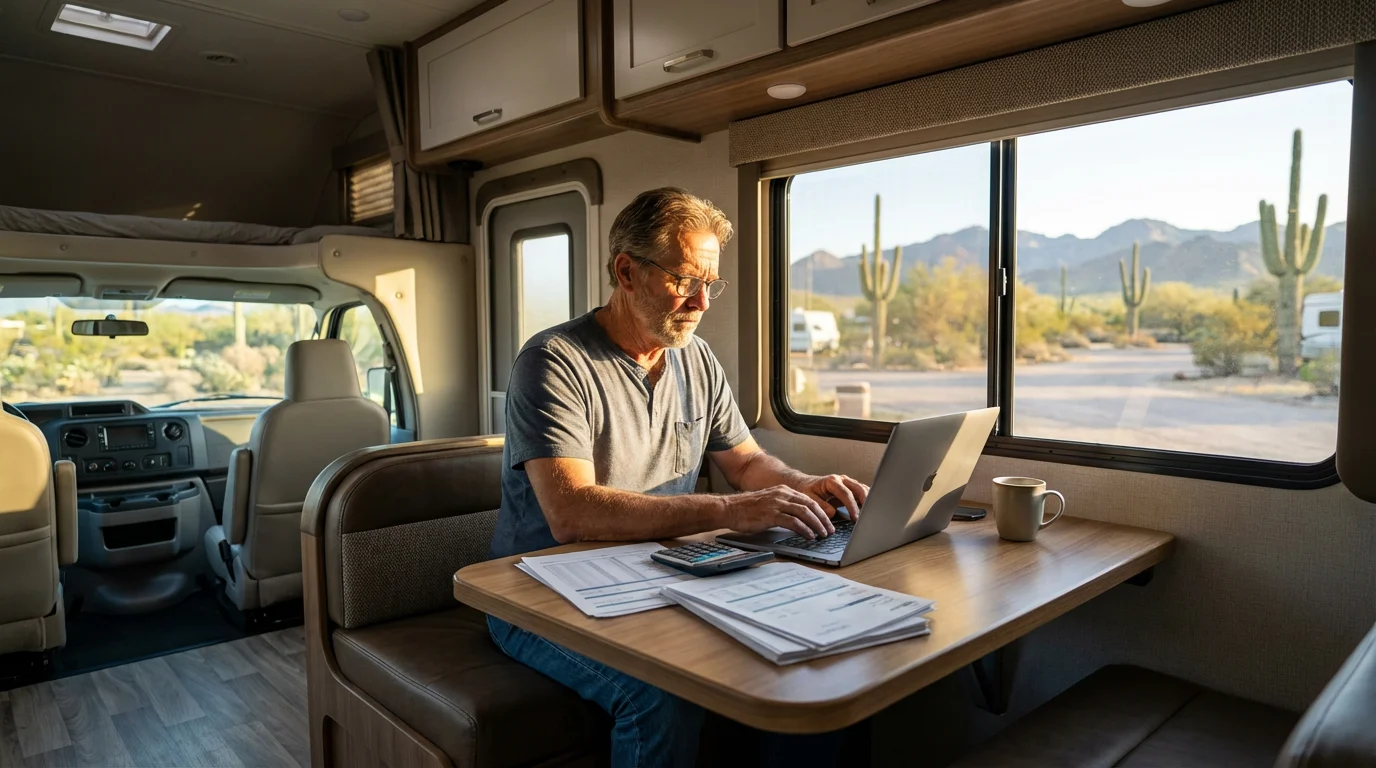
Financial Realities of Life on Wheels
Understanding the financial implications is paramount for successful RV living in retirement. You must budget for both initial investments and ongoing expenses. Many assume RV living is inherently cheaper, but this is not always true. Your spending habits, RV type, and travel frequency significantly impact your overall costs.
Start by considering the significant initial outlay for an RV. New RVs can range from tens of thousands for smaller towables to hundreds of thousands for luxury motorhomes. Used RVs offer a more budget-friendly entry point, but might require upfront repair investments. You also need insurance, which varies based on vehicle type, coverage, and your driving history.
Your ongoing expenses will include:
- Fuel: This is often the largest variable cost. Large RVs consume significant amounts of gasoline or diesel, especially when traveling long distances. Plan for fluctuating fuel prices.
- Campground Fees: These range from free (boondocking on public lands) to over $100 per night for resort-style parks. You can save money by utilizing memberships like Passport America or Thousand Trails. Research options to match your budget.
- Maintenance and Repairs: Budget for routine upkeep, tire replacements, and unexpected mechanical issues. RVs experience wear and tear from constant movement. A contingency fund is crucial.
- Insurance: Beyond basic RV insurance, consider roadside assistance plans. These provide peace of mind for breakdowns in remote areas. Your domicile choice impacts insurance rates.
- Food: Your grocery and dining out budget remains similar to traditional living, but you might find fewer options in rural areas. Cooking in your RV saves money.
- Utilities and Connectivity: This includes propane, water, and internet/cell phone plans. Satellite internet offers wider coverage but comes at a higher cost. You balance convenience with expense.
- Health and Personal Care: Factor in prescriptions, doctor visits, and personal hygiene items. Discuss how your health insurance will work across state lines.
Many full-time RVers establish a legal domicile in a state with no state income tax, such as Florida, Texas, or South Dakota. This impacts your tax obligations, vehicle registration, and insurance. You should consult a financial advisor and a tax professional to understand these implications fully. They help you structure your finances for a mobile lifestyle.

Navigating Healthcare and Insurance While Nomadic
Healthcare and insurance are critical considerations when pursuing full-time RV living. Your mobile lifestyle demands a flexible approach to medical care and robust insurance coverage. You need a clear strategy for accessing doctors, managing prescriptions, and handling emergencies across different states.
Medicare plays a central role for most retirees. Medicare.gov provides comprehensive information on its coverage options. Original Medicare (Parts A and B) generally offers nationwide coverage, allowing you to visit any doctor or hospital that accepts Medicare. However, supplemental plans like Medigap or Medicare Advantage plans have varying service areas. Some Medicare Advantage plans restrict coverage to specific networks within a particular state or region. You must understand these limitations before choosing a plan.
Consider these key points for healthcare on the road:
* Provider Networks: If you use a Medicare Advantage plan, ensure it offers robust out-of-network benefits or a wide national network. Original Medicare provides more flexibility in choosing providers.
* Prescription Management: Set up mail-order prescriptions from a national pharmacy chain, or plan to refill at various locations. Keep a sufficient supply on hand.
* Emergency Care: Know your plan’s coverage for emergency room visits and urgent care centers. Keep medical records accessible.
* Domicile State: Your chosen domicile state often determines your health insurance options and rates. Research states known for favorable healthcare access for RVers.
Beyond health insurance, you need specific coverage for your RV. RV insurance differs from standard auto insurance as it covers your vehicle as both a mode of transportation and a dwelling. This typically includes:
* Liability Coverage: Protects you in case you cause an accident.
* Collision and Comprehensive: Covers damage to your RV from accidents, theft, or natural disasters.
* Personal Effects Coverage: Insures your belongings inside the RV.
* Roadside Assistance: Essential for breakdowns in remote locations.
* Full-Timer’s Coverage: Specialized coverage for those living in their RV full-time, offering protection similar to homeowner’s insurance.
You should work with an insurance broker specializing in RV policies. They help you find the best coverage for your unique needs and travel plans. Professional consultation ensures you have adequate protection.

Choosing Your Home on Wheels: Types of RVs and Considerations
Selecting the right RV is a foundational decision for your retirement lifestyle. The market offers a wide array of options, each with distinct advantages and disadvantages. You must match the RV type to your budget, travel style, and comfort preferences.
RV types generally fall into two main categories: motorhomes and towable RVs.
Motorhomes: These are self-contained units with a driving cockpit integrated into the living space.
- Class A Motorhomes: Resemble buses, offering the most spacious and luxurious accommodations. They provide abundant storage and amenities, but come with a higher price tag and lower fuel efficiency.
- Class C Motorhomes: Built on a truck or van chassis, they feature an over-cab bunk area. They balance space and maneuverability, making them popular for couples or small families.
- Class B Motorhomes (Camper Vans): The smallest and most fuel-efficient motorhomes. They are highly maneuverable and easy to park, ideal for solo travelers or minimalist couples. They offer fewer amenities and less living space.
Towable RVs: These require a separate tow vehicle, such as a truck or large SUV.
- Travel Trailers: Available in many sizes and floor plans, offering great flexibility. You can unhitch your “home” at a campsite and use your tow vehicle for local excursions.
- Fifth-Wheel Trailers: Larger than most travel trailers, they attach to a special hitch in a pickup truck bed. They offer significant living space, often with multiple slide-outs, making them popular for full-timers.
- Pop-Up Campers: Lightweight and compact, they fold down for travel and expand at the campsite. They are an economical option but offer less insulation and fewer amenities.
When choosing your RV, consider these critical factors:
* Budget: Determine what you can realistically afford for purchase, insurance, and ongoing maintenance. Buying used can significantly reduce initial costs.
* Travel Style: Do you plan long road trips, or prefer to stay put for extended periods? A smaller, more agile RV suits frequent moves, while a larger unit might suit longer stays.
* Living Space Needs: How much space do you truly require? Factor in hobbies, pets, and potential visitors.
* Amenities: Prioritize features like bathroom size, kitchen capabilities, and entertainment systems.
* Towing Capacity (for towables): Ensure your current or planned tow vehicle can safely handle the RV’s weight. You must prioritize safety.
You should rent different types of RVs before buying. This hands-on experience helps you understand what truly suits your retirement lifestyle.
Practicalities of the RV Lifestyle: From Planning to Parking
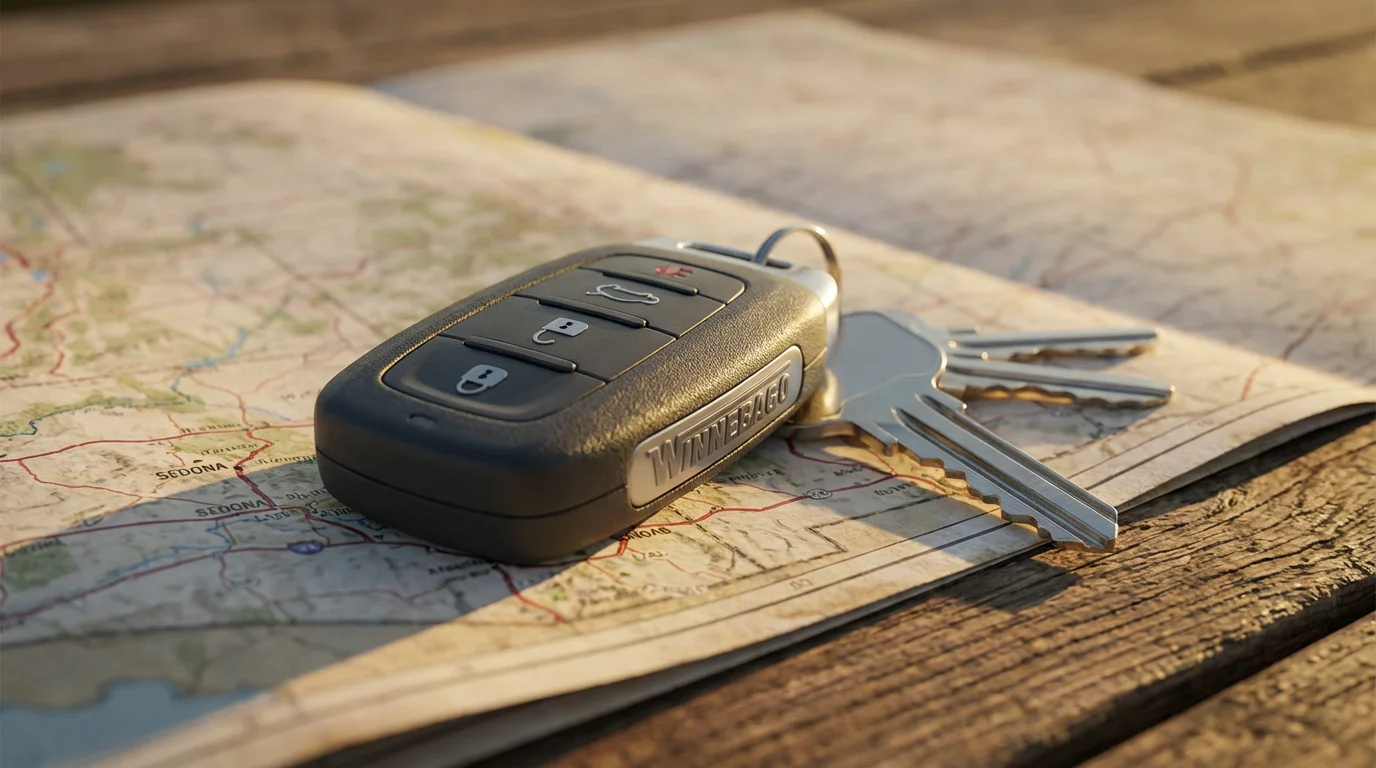
Embarking on full-time RV living involves mastering many practical skills and logistical challenges. You become adept at route planning, managing resources, and adapting to new environments. Successful RVers develop efficient systems for daily living on the road.
Effective route planning minimizes stress and maximizes enjoyment. You use apps and websites like Harvest Hosts, Boondockers Welcome, or iOverlander to find campgrounds, boondocking spots, and fuel stations. Consider factors such as:
* Mileage and Time: Plan realistic driving distances to avoid fatigue.
* Road Conditions: Research routes for potential hazards, steep grades, or low clearances.
* Reservations: Popular campgrounds, especially national and state parks, often require advance bookings, particularly during peak seasons.
Managing utilities and resources requires constant attention.
* Water: You monitor your fresh water, gray water (from sinks/showers), and black water (toilet) tanks. Learn where to fill up and dump tanks.
* Propane: This fuels your stove, oven, water heater, and furnace. Monitor levels and locate refill stations.
* Electricity: You learn about shore power connections, generator use, and solar power if equipped. Conserving power becomes second nature.
Staying connected is a common concern for RVers.
- Mail Forwarding: Services like Escapees RV Club provide a permanent mailing address and forward your mail wherever you are. This is crucial for bills, official documents, and packages.
- Internet Access: Options include mobile hotspots, dedicated RV internet services, and satellite internet. Cell boosters enhance signal strength in weaker areas.
Safety and security remain paramount. You invest in good locks, be aware of your surroundings, and secure your belongings when leaving the RV. Researching the safety records of campgrounds and boondocking areas is a wise practice. You also carry essential tools and emergency supplies for unexpected situations.
Building Community and Finding Your Tribe
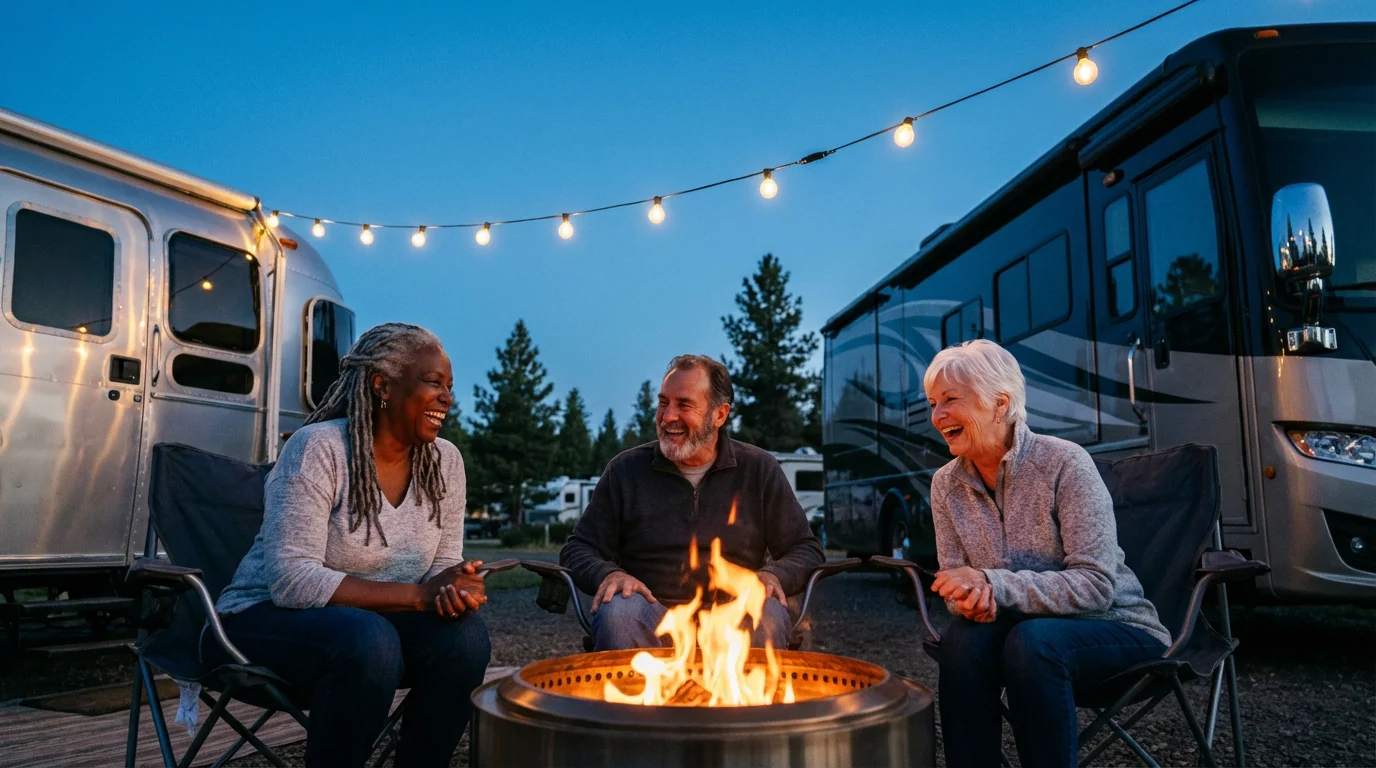
One of the most enriching aspects of RV living is the strong sense of community. Despite constant travel, you connect with like-minded individuals who share your passion for the open road. Finding your tribe enriches your retirement experience significantly.
RV retirement communities offer a more stable base while still enjoying the RV lifestyle. These communities provide amenities like clubhouses, pools, and organized activities. They often cater specifically to retirees, creating a vibrant social environment. You can purchase a lot or rent long-term, enjoying a sense of permanence with the flexibility to travel.
Here are ways to connect with the RV community:
- Online Forums and Social Media Groups: Platforms like Facebook host numerous RV-specific groups where you can ask questions, share tips, and plan meetups. Websites like RVillage also foster connections.
- RV Clubs and Organizations: Groups such as Escapees RV Club, Good Sam, and Family Motor Coach Association offer rallies, discounts, and educational resources. They provide structured opportunities for social interaction.
- Rallies and Meetups: Many RVers gather for organized events that can last from a weekend to several weeks. These are excellent opportunities to form lasting friendships and learn from experienced travelers.
- Volunteering: Programs like the National Park Service’s “Volunteers in Parks” or various non-profits allow you to work at beautiful locations in exchange for a campsite. This offers a sense of purpose and built-in community.
- Workamping: Some RVers take on part-time jobs at campgrounds, national parks, or even Amazon warehouses during peak seasons. This provides income and a ready-made social circle.
You develop a sense of belonging through shared experiences on the road. These connections provide support, friendship, and a wealth of knowledge from seasoned RVers.

Legal and Administrative Considerations for Full-Time RVers
Full-time RV living introduces unique legal and administrative complexities. You must establish a legal domicile, manage mail, and ensure compliance with various state laws. Careful planning avoids potential headaches down the road.
Establishing a domicile is perhaps the most critical administrative step. Your domicile is your legal residence, determining where you pay taxes, register your vehicles, vote, and obtain insurance. Most full-time RVers choose a state with no state income tax, like Florida, South Dakota, or Texas. To establish domicile, you generally need to:
* Obtain a driver’s license in that state.
* Register your vehicles there.
* Register to vote in that state.
* Use a mail forwarding service with an address in that state.
* Open bank accounts in that state.
A mail forwarding service is indispensable. Companies like Escapees RV Club provide a physical address in your chosen domicile state, receive all your mail, and forward it to you on a schedule you define. They also scan mail, providing access to important documents digitally.
Vehicle registration and licensing become simpler once you establish domicile. You register your RV and tow vehicle (if applicable) in your domicile state. You must also understand varying state laws regarding RV length, weight, and specific parking regulations.
Estate planning requires special attention for a mobile lifestyle. You need clear instructions for your assets, which may be spread across different locations or types of property. Consult with an attorney specializing in estate planning to update your will, trusts, and power of attorney documents. They help you ensure your wishes are legally sound and accessible, regardless of your physical location.
The Consumer Financial Protection Bureau offers resources on managing finances and consumer rights, which can be helpful for understanding various aspects of financial planning related to your mobile home.
Frequently Asked Questions
What are the biggest unexpected costs of RV living?
Many RVers find that fuel costs, unexpected repairs, and campground fees can quickly add up beyond initial estimates. You must also budget for new tires, maintenance services, and upgrades for comfort or connectivity. A robust emergency fund helps mitigate these surprises.
How do I get mail when I’m constantly moving?
Mail forwarding services are essential. Companies like Escapees RV Club provide a physical mailing address in your chosen domicile state. They collect your mail, then forward it to you at specific locations, or scan and email it for digital access.
Can I really save money with full-time RV living?
Yes, you can potentially save money, but it depends heavily on your lifestyle. If you boondock often, cook your meals, and minimize travel, costs can be lower than traditional housing. However, frequent travel, staying at expensive resorts, and costly repairs can make it as expensive, or even more expensive, than a fixed home. Careful budgeting is key.
What about pets on the road?
Many RVers travel with pets. You need to consider pet-friendly campgrounds, temperature control in your RV, and access to veterinary care. Always carry your pet’s vaccination records and ensure they have proper identification. Pet safety is a major consideration for RV travel.
How do I find RV retirement communities?
You can find RV retirement communities through online searches, RV magazines, and by visiting different regions. Websites like RVillage or campground directories often list communities catering to retirees. Attending RV shows also offers opportunities to learn about these options and connect with residents.
Disclaimer: This article is for informational purposes only and does not constitute financial, legal, tax, or medical advice. Retirement planning involves complex decisions that depend on your individual circumstances. We strongly encourage readers to consult with qualified professionals—including financial advisors, attorneys, tax professionals, and healthcare providers—before making significant retirement decisions.








Leave a Reply