
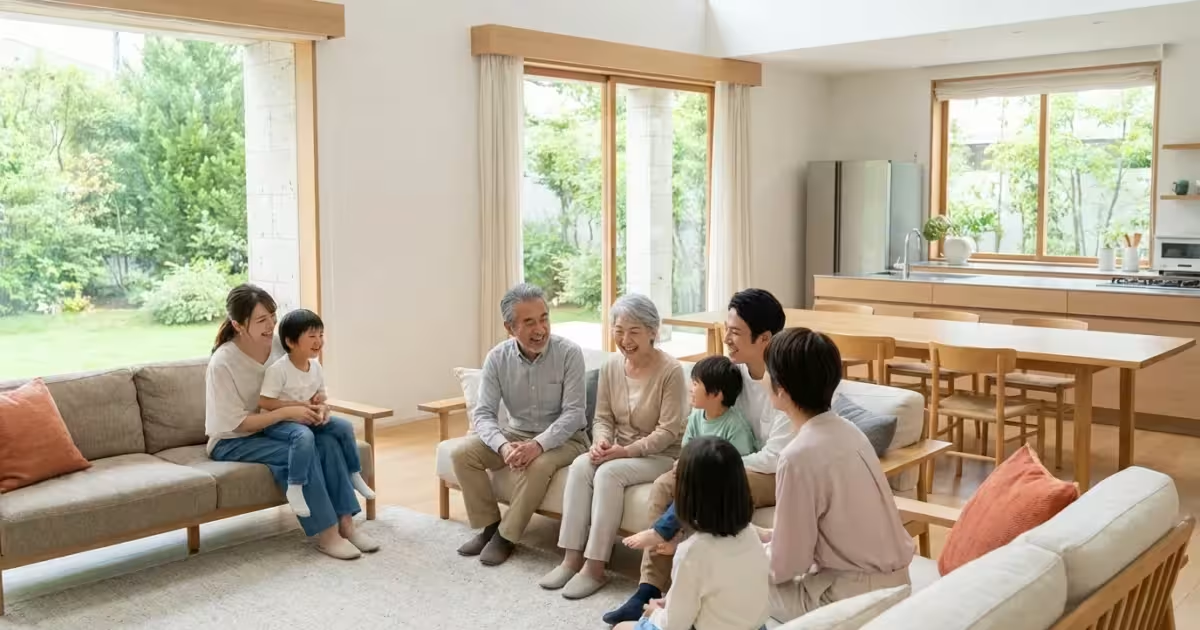
Retirement often brings significant life changes and new considerations for your living situation. For many Americans, living with family in retirement, specifically in a multi-generational housing arrangement, offers a compelling solution. This option provides a blend of financial practicality, emotional support, and shared responsibilities.
Beyond family arrangements, some seniors find community through co-housing for seniors as a collaborative lifestyle choice.
As life expectancies increase and economic pressures shift, more families explore shared housing models. Understanding the dynamics, benefits, and challenges of multigenerational living helps you make informed decisions about your golden years. This guide explores how to navigate this evolving trend successfully.

The Rise of Multigenerational Living in Retirement
Multigenerational living, defined as households with three or more generations, steadily increased over the past few decades. Economic factors, cultural preferences, and caregiving needs drive this trend. According to a Pew Research Center study, 18 percent of the U.S. population lived in a multigenerational household in 2021, up from 12 percent in 1980.
Managing your income effectively is also important; consider maximizing your Social Security benefits to support this shared lifestyle.
Retirees often choose shared housing to reduce living expenses, receive or provide care, and strengthen family bonds. The COVID-19 pandemic further accelerated this trend, as families sought closer connections and mutual support. This arrangement provides a robust support system for both older adults and younger family members.
Many seniors find that the cost of independent living, assisted living, or even maintaining a large home becomes prohibitive during retirement. Family housing offers a practical alternative, allowing resources to stretch further. You gain peace of mind knowing family members are nearby.

Understanding Multigenerational Households
A multigenerational household involves multiple adult generations living under one roof. This typically includes aging parents, their adult children, and grandchildren. These arrangements can take various forms, depending on family needs and resources.
Often, deciding on a shared living space involves resolving the downsizing dilemma to ensure the new property fits everyone’s lifestyle.
Common types of multi-generational living setups include:
- Adult children moving in with aging parents: This often occurs to provide care for parents, or because adult children need financial assistance or childcare support.
- Aging parents moving in with adult children: This is a common scenario where seniors seek companionship, support, or a more affordable living situation.
- Purchasing a new home together: Some families jointly invest in a property designed for shared living, often with separate wings or levels.
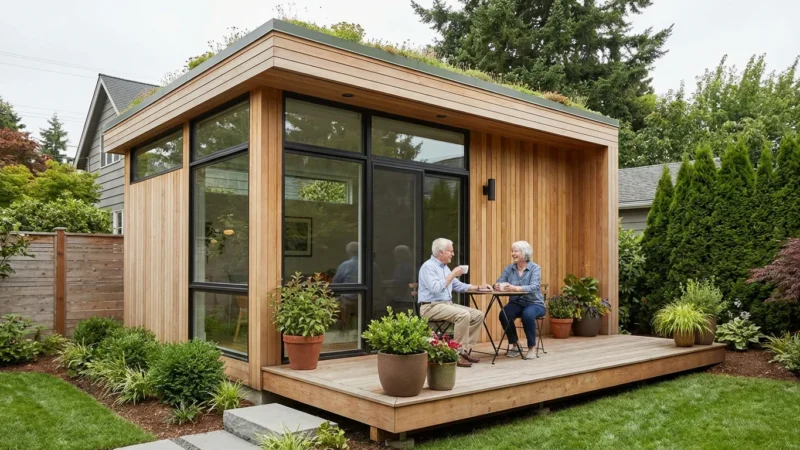
- Accessory Dwelling Units (ADUs): These separate, smaller living spaces on the same property provide independence while keeping family close. You might know them as “granny flats” or “in-law suites.”
Each setup offers distinct advantages and disadvantages. Carefully consider which model best suits your family’s dynamics, privacy needs, and financial capabilities. Open discussion about expectations is crucial before making a commitment.

Financial Benefits and Planning
One of the primary motivations for multi-generational living is financial efficiency. Shared housing significantly reduces overall household expenses. You combine resources for housing costs, utilities, groceries, and even transportation.
Consider these potential financial advantages:
- Reduced housing costs: Sharing rent or mortgage payments, property taxes, and insurance lowers individual contributions. For example, dividing a $3,000 monthly housing bill among three adult income streams makes it far more manageable.
- Lower utility bills: Heating, cooling, electricity, water, and internet bills decrease per person when shared across a larger household. You optimize energy use collectively.
- Economies of scale for groceries: Buying in bulk and sharing meal preparation can lead to substantial savings on food. Meal planning together reduces waste and costs.
- Shared maintenance expenses: Costs for home repairs, yard work, and general upkeep spread among more individuals. This lessens the financial burden on any one person.
- Potential for tax benefits: In some cases, depending on how property ownership and caregiving responsibilities are structured, tax deductions may apply. Consult with a tax professional to understand your specific situation.
However, successful financial planning requires clear agreements. Discuss how you will manage shared expenses, who contributes what, and how you will handle unexpected costs. Create a written budget and a system for tracking contributions to avoid future misunderstandings. The Consumer Financial Protection Bureau offers resources on managing money in joint financial ventures. Visit their website at consumerfinance.gov for valuable guidance.

Legal and Estate Considerations
Moving into a multi-generational household requires careful attention to legal and estate planning. Clear legal agreements protect everyone involved and prevent disputes. Do not overlook these critical steps.
It is also wise to understand how shared assets might affect your future exposure to estate taxes.
Key legal and estate planning aspects to address include:
- Property ownership: Decide how you will title the property. Options include joint tenancy with right of survivorship, tenancy in common, or creating a trust. Each option has implications for inheritance, taxation, and control.
- Living agreements: Draft a formal agreement outlining financial contributions, chore distribution, shared spaces, and conflict resolution processes. Treat this like a business agreement to ensure clarity.
- Wills and trusts: Update your wills and trusts to reflect any changes in asset distribution or caregiving arrangements. Ensure your estate plan aligns with your multi-generational living structure.
- Power of Attorney: Designate a durable power of attorney for financial and healthcare decisions. This ensures someone you trust can act on your behalf if you become incapacitated.
- Long-term care insurance: Review your long-term care insurance policies. Understand how they integrate with potential care provided by family members.
Consult with an attorney specializing in elder law or estate planning. They guide you through the complexities of property law, inheritance, and care agreements. This professional advice ensures your arrangements are legally sound and protect your interests.

Health and Caregiving Support
Multi-generational living often evolves from or leads to caregiving needs. This setup provides invaluable support for both older adults requiring assistance and younger generations managing childcare or other responsibilities. It creates a built-in support system that enhances well-being.
Family living is just one of many long-term care alternatives that help retirees maintain independence outside of institutional settings.
Staying proactive with health management in a family setting is a key component of lowering healthcare costs in retirement.
Benefits related to health and caregiving include:
- Immediate support: Family members are nearby to assist with daily tasks, appointments, or emergencies. This reduces the isolation sometimes experienced by older adults living alone.
- Reduced caregiving costs: Family members can share caregiving duties, potentially reducing or delaying the need for professional in-home care or assisted living facilities. This offers substantial financial relief.
- Enhanced mental well-being: Living with family fosters a sense of belonging and reduces loneliness. Interacting with grandchildren provides joy and purpose for many retirees.
- Shared responsibilities: Caregiving tasks, whether for children or elders, distribute among multiple adults. This lessens the burden on any single individual, preventing burnout.
- Proximity to medical care: Having family nearby ensures transportation to doctor’s visits and help managing medications. This helps maintain consistent health management.
However, discuss caregiving expectations openly. Define roles, responsibilities, and boundaries to avoid caregiver burnout and resentment. Establish a rotating schedule if multiple family members provide care. AARP offers extensive resources and support for family caregivers at aarp.org.
Designing for Harmony and Privacy
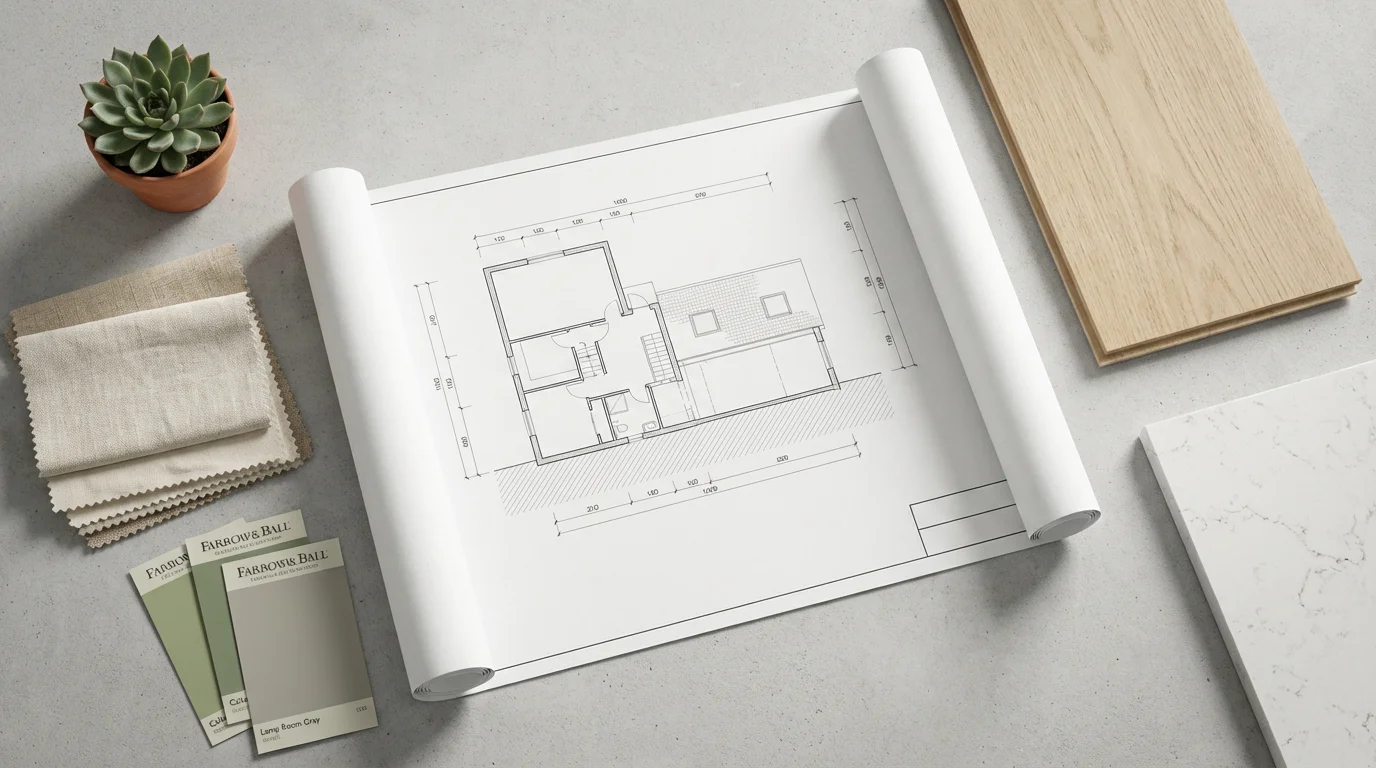
A successful multi-generational home balances shared spaces with private retreats. Thoughtful design minimizes friction and enhances comfort for everyone. Consider both structural modifications and clever interior arrangements.
Many of these renovations align with standard home modifications for aging in place, prioritizing safety without sacrificing aesthetics.
Strategies for creating a harmonious living environment:
- Separate living areas: Designate distinct living rooms, kitchenettes, or even separate entrances for different family units. This provides autonomy and personal space.
- Soundproofing: Invest in soundproofing measures between private areas to reduce noise transfer. This helps everyone relax and maintain quiet hours.
- Accessible design: Incorporate universal design principles, such as grab bars, no-step entryways, wider doorways, and accessible bathrooms. This benefits aging family members and ensures long-term comfort for everyone.
- Outdoor spaces: Create shared and private outdoor areas. A common patio for family gatherings and smaller, secluded nooks for individual relaxation can be beneficial.
- Storage solutions: Adequate storage for each family’s belongings reduces clutter and maintains order. Allocate specific cupboards, shelves, and closet space for everyone.
Before any major renovations, discuss the design with all family members. This ensures the space meets everyone’s needs and preferences. Functionality and comfort are paramount for sustained success.

Effective Communication and Boundaries
Multi-generational living thrives on clear communication and well-defined boundaries. Without these, even the strongest family bonds can strain. Proactive discussions prevent misunderstandings and foster mutual respect. This is how to make multigenerational living work effectively.
Tips for fostering open communication and setting boundaries:
- Hold regular family meetings: Schedule consistent meetings to discuss household issues, schedules, and any concerns. This provides a formal forum for everyone to voice opinions.
- Establish house rules: Agree on expectations regarding noise levels, shared chores, guest policies, meal times, and use of common areas. Put these rules in writing.
- Respect privacy: Understand that each individual needs personal space and downtime. Knock before entering private rooms and respect closed doors.
- Define financial responsibilities: Revisit and confirm financial contributions periodically. Adjust as circumstances change, always with full transparency.
- Address conflicts promptly: When disagreements arise, address them calmly and directly. Avoid letting small issues fester, as they can escalate into larger problems.
- Practice empathy: Try to understand perspectives from different generations. Recognize that everyone brings unique experiences and expectations to the household.
Successful shared living involves continuous effort and adaptation. A mediator, such as a family therapist, can help facilitate difficult conversations and establish healthy communication patterns if needed.

Overcoming Common Challenges
While multi-generational living offers many benefits, it also presents unique challenges. Addressing these proactively helps ensure a smoother transition and a more harmonious home environment. Understanding what are the challenges multigenerational living faces allows you to prepare effectively.
Common challenges and practical solutions:
- Privacy concerns: Lack of personal space can lead to friction.
* Solution: Prioritize design that includes private retreats, like separate bedrooms and personal living areas. Establish rules for respecting personal space. - Financial disagreements: Unclear financial expectations or uneven contributions can cause resentment.
* Solution: Create a detailed written financial agreement outlining all shared expenses and individual contributions. Review it regularly and be transparent. - Differing lifestyles and habits: Different generations often have varying routines, preferences for cleanliness, or entertainment choices.
* Solution: Establish clear house rules for common areas, noise levels, and shared chores. Compromise and flexibility are key. - Caregiver stress: The primary caregiver can experience burnout.
* Solution: Distribute caregiving responsibilities among family members. Seek respite care or professional help when needed. Remember, Eldercare Locator can help you find local services at eldercare.acl.gov. - Loss of independence: Older adults may feel a loss of autonomy when moving into a child’s home.
* Solution: Ensure seniors maintain control over their decisions, personal finances, and daily routines as much as possible. Give them dedicated personal space.
Open dialogue and a willingness to adapt help mitigate these challenges. View potential conflicts as opportunities to strengthen family understanding and communication.
“Family is not an important thing. It’s everything.” — Michael J. Fox

Making Your Decision: A Structured Approach
Deciding to embark on multi-generational living requires careful consideration and planning. It is a major life change affecting all involved family members. Approach this decision systematically to ensure the best outcome for everyone.
Follow these steps when evaluating multi-generational living:
- Self-assessment: Honestly assess your needs, preferences, and willingness to adapt. What are your non-negotiables for privacy, independence, and lifestyle?
- Family discussion: Hold comprehensive, open discussions with all family members who would be involved. Discuss expectations, fears, financial contributions, and potential living arrangements.
- Financial analysis: Create a detailed budget. Project shared expenses and individual contributions. Understand the long-term financial implications for everyone.
- Legal consultation: Seek advice from an attorney regarding property ownership, living agreements, and estate planning. Ensure all legal aspects protect your interests.
- Healthcare planning: Discuss caregiving needs and capabilities if health support is a factor. Outline a plan for medical appointments, emergencies, and long-term care.
- Trial period: If possible, consider a trial period, such as an extended visit. This helps everyone experience the reality of shared living before making a permanent commitment.
- Professional consultation: Consult with a financial advisor, elder law attorney, and potentially a family therapist. These professionals provide objective advice and help navigate complex issues.
Making an informed decision today ensures a happier and more sustainable multi-generational living arrangement for years to come. Remember, open communication and planning are your greatest assets.
Frequently Asked Questions
What are the main benefits of multigenerational living in retirement?
The main benefits include significant cost savings on housing and utilities, enhanced emotional support and companionship, shared caregiving responsibilities for children or elders, and a stronger sense of family connection. It provides a built-in support system for all generations.
How do we handle finances in a shared family home?
Successful financial management requires clear, written agreements. Establish a joint budget, define each family member’s contribution to shared expenses like mortgage, utilities, and groceries, and decide how you will handle unexpected costs. Consider setting up a shared bank account for household bills.
What are the biggest challenges of living with family in retirement?
Key challenges often involve maintaining privacy, managing differing lifestyles and habits, potential financial disagreements, and caregiver burnout. Open communication, clear boundaries, and a willingness to compromise help mitigate these issues.
Should we create a formal agreement for our multi-generational living arrangement?
Yes, absolutely. A formal written agreement is highly recommended. It should outline financial responsibilities, house rules, shared spaces, private areas, and a process for resolving conflicts. This legal document protects everyone’s interests and clarifies expectations.
How can we ensure privacy for everyone in a multigenerational household?
You can ensure privacy through thoughtful home design, such as separate entrances, distinct living areas, soundproofing, and designated private rooms for each family unit. Additionally, establishing and respecting house rules about personal space and closed doors is crucial for maintaining harmony.
Disclaimer: This article is for informational purposes only and does not constitute financial, legal, tax, or medical advice. Retirement planning involves complex decisions that depend on your individual circumstances. We strongly encourage readers to consult with qualified professionals—including financial advisors, attorneys, tax professionals, and healthcare providers—before making significant retirement decisions.








Leave a Reply