
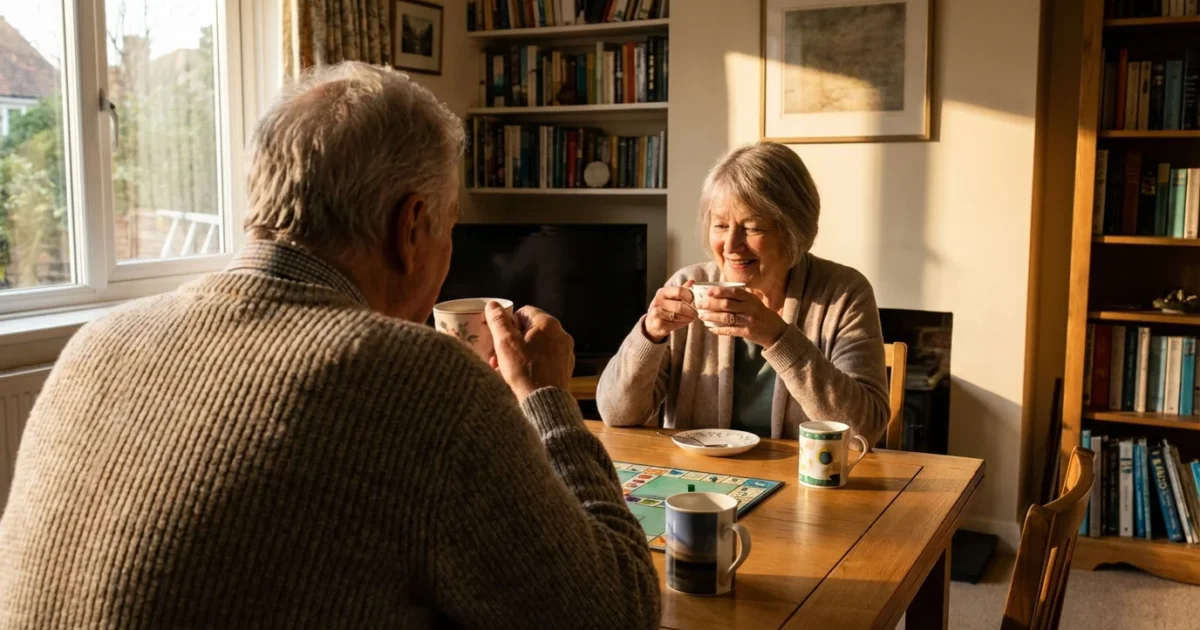
As you navigate your retirement years, you likely seek strategies to enhance both your financial security and your overall well-being. Many seniors discover a powerful, often overlooked solution: home sharing. This arrangement offers a practical pathway to reduce living expenses while fostering meaningful social connections.
Some seniors also find that living with family provides a similar sense of community through multi-generational living arrangements.
For those who prefer a more structured community environment, exploring co-housing for seniors can offer another excellent way to build connections in later life.
Home sharing involves two or more older adults living together in one household, often pooling resources and providing mutual support. It presents a compelling alternative to living alone, addressing common concerns about loneliness and the rising cost of living. You can transform your retirement experience by embracing this model.

Unlock Companionship and Savings with Senior Home Sharing
The concept of home sharing, or cohabitation among seniors, gains increasing traction as a viable and beneficial living arrangement. This approach directly addresses two significant challenges many retirees face: the escalating cost of living and the desire for social engagement. You can create a more secure and fulfilling retirement by opening your home or moving into a shared space.
Embracing this lifestyle often starts with downsizing your home to simplify your daily chores and focus on social engagement.
Consider the data: AARP research consistently highlights financial strain and social isolation as major concerns for older adults. Home sharing offers a direct antidote, providing practical solutions for both your budget and your emotional health. You gain a roommate and often a companion, sharing daily life and responsibilities.

The Dual Power of Senior Home Sharing: Financial Relief and Social Connection
Home sharing delivers a powerful one-two punch for seniors, offering both tangible financial benefits and invaluable social advantages. These two pillars combine to create a more resilient and enjoyable retirement lifestyle. You experience a significant uplift in your quality of life through this intentional living choice.
For many, these arrangements serve as effective alternatives to long-term care facilities by providing built-in support from a peer.
Many seniors live on fixed incomes, making every dollar count. Reducing your largest expenses, such as housing, profoundly impacts your financial stability. Simultaneously, countering loneliness through shared living can lead to better health outcomes and a greater sense of purpose. This holistic benefit makes home sharing a compelling option.

Beyond Rent: Understanding the Financial Advantages of Cohabitation
The immediate financial benefit of home sharing often comes from splitting rent or mortgage payments. However, the savings extend far beyond just housing costs. You will discover numerous ways to stretch your retirement budget further through cohabitation.
Consider your monthly utility bills. Sharing a home means sharing the cost of electricity, heating, water, and internet services. This can translate into hundreds of dollars in savings annually. Many seniors also find value in sharing groceries and cooking responsibilities, leading to reduced food waste and lower grocery bills.
Here are several key financial advantages you can realize through senior home sharing:
- Reduced Housing Costs: Split rent or mortgage payments, property taxes, and home insurance premiums. If you own your home, a roommate’s contribution can significantly offset your existing housing burden.
- Lower Utility Expenses: Divide costs for electricity, gas, water, internet, and cable. This shared responsibility makes managing these essential services much more affordable.
- Shared Household Expenses: Collectively pay for groceries, household supplies, and even shared transportation costs. This collaborative approach enhances your purchasing power.
- Maintenance Savings: If you own your home, a roommate can contribute to minor home maintenance costs or assist with light upkeep, reducing your personal out-of-pocket expenses.
- Potential for Enhanced Income: For homeowners, renting out a spare room generates reliable passive income, which can supplement your retirement funds. This income can make a substantial difference in your monthly budget.
These financial benefits directly impact your disposable income, allowing you more flexibility for leisure activities, healthcare, or saving for future needs. You gain greater control over your financial destiny through this strategic decision.

Cultivating Connection: How Shared Living Enriches Senior Life
While financial savings are a significant draw, the companionship aspect of senior home sharing often proves equally, if not more, valuable. Loneliness and social isolation represent serious health risks for older adults. Shared living actively combats these challenges.
Shared outdoor spaces can even lead to collaborative hobbies like gardening together, which fosters a deeper connection to nature.
Research from the National Institute on Aging indicates that social isolation and loneliness in older adults are associated with increased risks of serious health conditions, including heart disease, stroke, dementia, and premature death. You can mitigate these risks by living with a compatible roommate.
The daily presence of another person provides an invaluable source of connection and interaction. You have someone to share meals with, discuss your day, and enjoy hobbies alongside. This consistent social engagement boosts mood and cognitive function.
Beyond simple companionship, senior roommates often offer mutual support and a sense of security. You have someone nearby in case of an emergency, offering peace of mind to both residents and their families. This built-in support system strengthens your ability to live independently.
Consider these ways shared living enriches your life:
- Daily Companionship: Enjoy regular conversations, shared meals, and joint activities. This combats feelings of isolation and provides a steady source of social interaction.
- Mutual Support System: Gain peace of mind knowing someone is home if you need assistance, or vice versa. This can be crucial in unexpected situations or during illness.
- Shared Activities and Interests: Discover new hobbies or rediscover old ones with a roommate who shares similar interests. This expands your social circle and keeps your mind active.
- Reduced Feelings of Loneliness: A consistent presence in your home significantly reduces feelings of solitude, contributing to improved mental health and overall well-being.
- Enhanced Security: Two sets of eyes and ears offer a greater sense of security in the home. This provides an additional layer of safety and reassurance.
- Emotional Well-being: The emotional benefits of having a confidante and friend close by are profound, leading to greater happiness and life satisfaction.
Home sharing fosters a supportive environment where you can thrive, both socially and emotionally. You build a new chapter of your life focused on connection and shared experiences.
“Retirement is not the end of the road. It is the beginning of the open highway.”

Your Guide to Finding the Right Senior Roommate
Finding the ideal senior roommate requires careful consideration and a thoughtful approach. You want someone compatible with your lifestyle, values, and daily routines. This process involves more than just a casual conversation; it demands clear communication and practical steps.
To begin your search for a senior roommate, start by defining your needs and preferences. What kind of person are you looking for? What are your non-negotiables? Knowing your own boundaries and desires streamlines the process considerably.
Here’s how to find a senior roommate:
- Define Your Ideal Roommate Profile:
- Lifestyle: Are you an early riser or a night owl? Do you prefer quiet evenings or social gatherings?
- Habits: Are you neat or more relaxed? Do you smoke or have pets?
- Values: What are your core beliefs regarding cleanliness, privacy, and shared responsibilities?
- Financial Situation: Ensure potential roommates have a stable income to cover their share of expenses.
- Explore Specialized Home Sharing Services:
- Look for organizations and websites specifically designed to match older adults for home sharing. These services often include background checks and mediation support. The Eldercare Locator, a public service of the U.S. Administration on Aging, can help you find local resources and support for seniors, including potential home sharing programs.
- Online platforms dedicated to senior cohabitation simplify the search by connecting you with like-minded individuals.
- Utilize Local Senior Centers and Community Boards:
- Post notices or inquire at your local senior center, community groups, or places of worship. Word-of-mouth remains a powerful tool in finding trustworthy individuals within your community.
- Many communities have dedicated programs or bulletin boards for senior services.
- Network with Friends, Family, and Professionals:
- Inform your trusted circle that you are looking for a roommate. They might know someone suitable or have valuable advice.
- Speak with financial advisors or social workers; they may have connections or know of resources.
- Conduct Thorough Interviews:
- Prepare a list of questions covering daily routines, financial habits, social preferences, and expectations for shared living.
- Ask about references from previous landlords or roommates.
- Perform Background Checks:
- Always conduct a criminal background check and credit check for any serious candidate. Many home sharing services offer this as part of their package.
- Protect yourself by verifying identity and financial stability.
- Spend Trial Time Together:
- Consider a trial period, such as a weekend visit, to see how well you truly get along before committing to a long-term arrangement. This offers invaluable insight into daily compatibility.
Taking these methodical steps increases your chances of finding a compatible and reliable senior roommate. You invest in a successful partnership that benefits both parties.
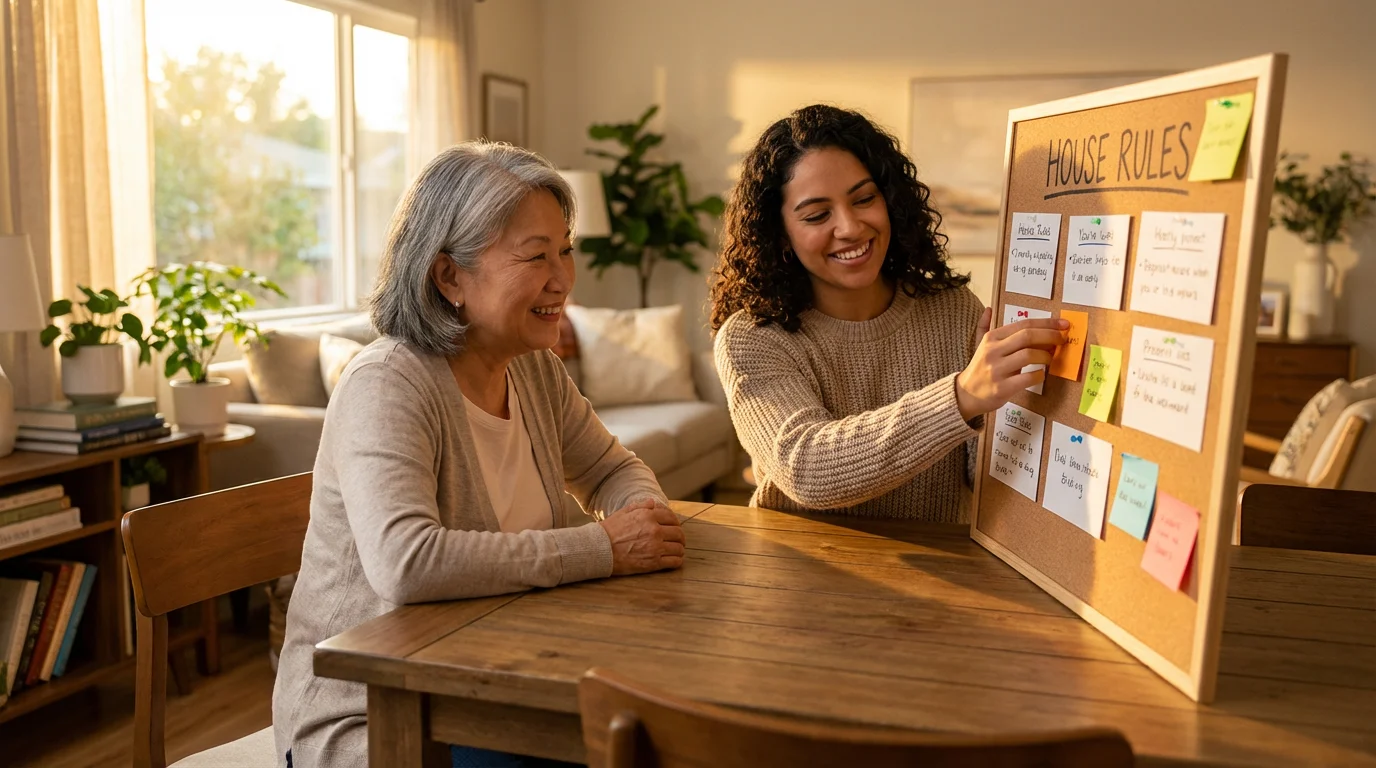
Establishing a Thriving Home Sharing Arrangement: Best Practices
A successful home sharing experience relies heavily on clear communication, mutual respect, and well-defined expectations. You cannot leave critical aspects to chance. Establishing best practices from the outset ensures a harmonious living situation for everyone involved.
Start with open and honest discussions about everything from finances to personal habits. These conversations lay the groundwork for a strong and lasting arrangement. You build trust and understanding by being upfront about your needs and expectations.
What are the best practices for home sharing? Here are crucial elements for a thriving cohabitation:
- Comprehensive Written Agreement: Draft a detailed roommate agreement or cohabitation agreement. This document should cover rent, utilities, shared expenses, guest policies, quiet hours, and responsibilities for chores. Consider consulting an attorney to ensure it protects both parties.
- Clear Communication Channels: Establish regular check-ins to discuss any concerns or changes. Openly communicate about daily routines, schedules, and any issues that arise to prevent misunderstandings.
- Respect for Privacy and Personal Space: Agree on boundaries regarding private rooms and shared areas. Everyone needs their own space and time alone.
- Shared Responsibilities: Clearly divide household chores, cooking duties, and shopping responsibilities. A rotating schedule or assigned tasks can prevent conflict.
- Emergency Preparedness Plan: Discuss what to do in case of a medical emergency, natural disaster, or power outage. Share emergency contacts and medical information with each other.
- Financial Transparency: Outline how shared expenses are managed, tracked, and paid. A joint spreadsheet or shared app can simplify this.
- Conflict Resolution Strategy: Agree on a method for addressing disagreements constructively. Having a pre-established approach helps de-escalate potential conflicts.
By implementing these best practices, you create a structured yet flexible environment that supports a positive home sharing experience. You invest in the longevity and success of your living arrangement.

Navigating Challenges and Ensuring a Smooth Shared Living Experience
Even with careful planning, home sharing can present challenges. Personality differences, communication breakdowns, or unexpected life changes can test any shared living situation. However, you can successfully navigate these hurdles with proactive strategies and a commitment to resolution.
Acknowledge that conflicts may arise and prepare to address them head-on. Sweeping issues under the rug only allows them to fester, potentially jeopardizing the entire arrangement. You empower yourself to resolve issues effectively by facing them.
Consider these common challenges and how to address them:
- Personality Clashes: Despite initial compatibility, daily living can reveal minor annoyances. Address these with open, calm communication. Focus on the behavior, not the person, and suggest solutions.
- Differing Expectations: One roommate might expect more social interaction, while another prefers solitude. Revisit your initial agreement and adjust expectations as needed. Compromise is key.
- Financial Disagreements: Disputes over shared bills or unexpected expenses can strain relationships. Maintain meticulous records of all shared finances and address discrepancies immediately. A financial advisor can help mediate if issues become complex.
- Changes in Health or Mobility: As seniors, health can change. Discuss how you will support each other if one person experiences a health setback. You may need to revisit chore divisions or consider additional support services.
- Privacy Concerns: Ensure both parties respect each other’s personal space and boundaries. If one feels their privacy is invaded, discuss specific behaviors and agree on adjustments.
- Household Chores Imbalance: An uneven distribution of chores often leads to resentment. Periodically review and adjust your chore schedule to ensure fairness.
Remember, home sharing is a dynamic relationship that requires ongoing effort and adaptation. You ensure a smoother and more enduring shared living experience by committing to open dialogue and mutual problem-solving.

Legal and Financial Safeguards for Your Home Sharing Agreement
Protecting yourself legally and financially is paramount when entering a home sharing arrangement. A casual verbal agreement leaves you vulnerable to misunderstandings and potential disputes. You must establish clear, legally sound frameworks to safeguard your interests.
Always prioritize a comprehensive written agreement, even with someone you know well. This document serves as your guide and protection should any disagreements arise. You benefit from clarity and accountability by formalizing your arrangement.
Key legal and financial safeguards include:
- Formal Cohabitation Agreement: This is the cornerstone of your protection. It should detail:
- Rent/Mortgage contributions and due dates.
- Division of utilities and other shared expenses.
- Rules regarding guests, pets, and noise.
- Responsibilities for household maintenance and chores.
- Terms for dispute resolution and termination of the agreement.
Consult with an attorney specializing in tenancy or real estate law to draft or review this agreement. The Consumer Financial Protection Bureau offers resources on financial agreements and consumer protection.
- Insurance Coverage Review:
- Homeowner’s Insurance: If you own the home, inform your insurance provider about your roommate. Your policy may need adjustments to cover a tenant’s belongings or liability.
- Renter’s Insurance: If you are the roommate, purchase your own renter’s insurance policy to protect your personal belongings. Your landlord’s or homeowner’s policy will not cover your possessions.
Confirm your coverage protects you from unforeseen events.
- Financial Management Plan:
- Establish a joint account for shared expenses or use a transparent system for tracking and reimbursing costs.
- Set clear expectations about payment methods and timelines.
This prevents financial friction and ensures timely bill payments.
- Emergency Contact Information: Exchange emergency contacts, medical information, and wishes regarding medical care with your roommate. This ensures appropriate actions in a crisis.
- Estate Planning Considerations: If you own the home and are considering long-term home sharing, discuss how this arrangement might impact your estate plan with your attorney. You want to ensure your wishes are clear for future situations.
Never underestimate the importance of professional advice in these areas. Consulting a financial advisor for budgeting or an attorney for legal documents provides invaluable peace of mind. You make informed decisions that secure your future by taking these precautions.
Frequently Asked Questions
What is senior home sharing?
Senior home sharing, or cohabitation, involves two or more older adults living together in one household. They typically share living expenses, responsibilities, and companionship, providing mutual support and reducing the cost of living.
What are the main benefits of home sharing for seniors?
The primary benefits include significant cost savings on housing and utilities, reduced feelings of loneliness and social isolation, enhanced security with another person in the home, and mutual support for daily tasks and emergencies. You gain both financial relief and emotional well-being.
How do I find a compatible senior roommate?
You can find a compatible roommate by defining your ideal profile, utilizing specialized home sharing services and websites, checking local senior centers, networking with friends and family, conducting thorough interviews, and performing background checks. A trial period can also help assess compatibility.
What legal steps should I take before home sharing?
Always create a comprehensive written cohabitation agreement detailing rent, expenses, responsibilities, and termination terms. Review your homeowner’s or renter’s insurance, and consult with an attorney to ensure the agreement is legally sound and protects all parties involved.
What if a home sharing arrangement doesn’t work out?
A well-drafted cohabitation agreement should include clauses for dispute resolution and termination. Open communication is crucial for addressing issues. If necessary, you may seek mediation or rely on the terms outlined in your legal agreement to end the arrangement respectfully.
Disclaimer: This article is for informational purposes only and does not constitute financial, legal, tax, or medical advice. Retirement planning involves complex decisions that depend on your individual circumstances. We strongly encourage readers to consult with qualified professionals—including financial advisors, attorneys, tax professionals, and healthcare providers—before making significant retirement decisions.







Leave a Reply