

Your home often represents your largest asset and a cherished space filled with memories. Maintaining it properly becomes a critical part of your overall financial and lifestyle planning in retirement. As physical capabilities change and budgets shift, proactively managing home maintenance ensures your comfort, safety, and financial security. Neglecting necessary repairs can lead to costly problems, compromising your peace of mind and potentially your retirement savings.
This guide provides practical, actionable insights into managing home upkeep effectively during your retirement years. You will learn how to assess your needs, budget for expenses, find reliable help, and avoid common scams. Staying on top of routine tasks and planning for major projects keeps your home a comfortable, valuable asset for years to come.
Assessing Your Home Maintenance Needs and Capabilities
Understanding your home’s current condition and your ability to perform tasks independently forms the foundation of smart home maintenance planning. Begin with a thorough assessment of your property. This helps you prioritize repairs and decide where you might need assistance.
In some cases, transitioning to multi-generational housing provides a practical way to share the burden of home repairs with younger family members.
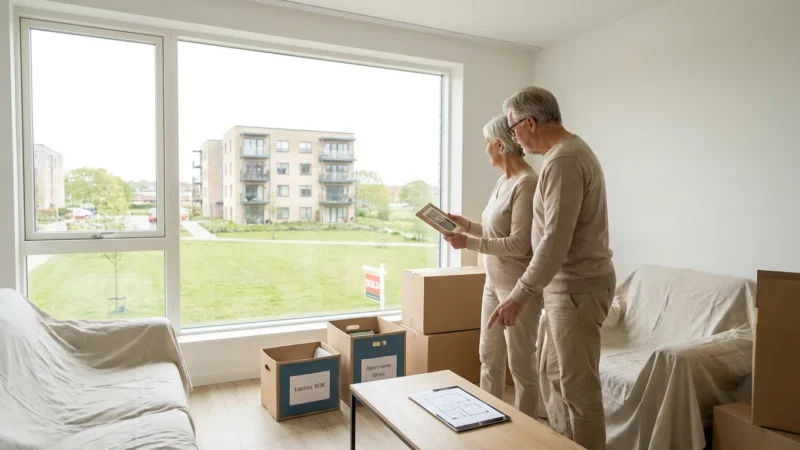
If your assessment reveals that the upkeep is becoming too burdensome, it may be time to consider rightsizing your home for retirement to better suit your needs.
Consider both the visible and less obvious aspects of your home. You can perform many initial checks yourself, while some areas benefit from professional inspection. A comprehensive assessment helps you understand potential risks and future expenditures.
Conducting a Home Inspection
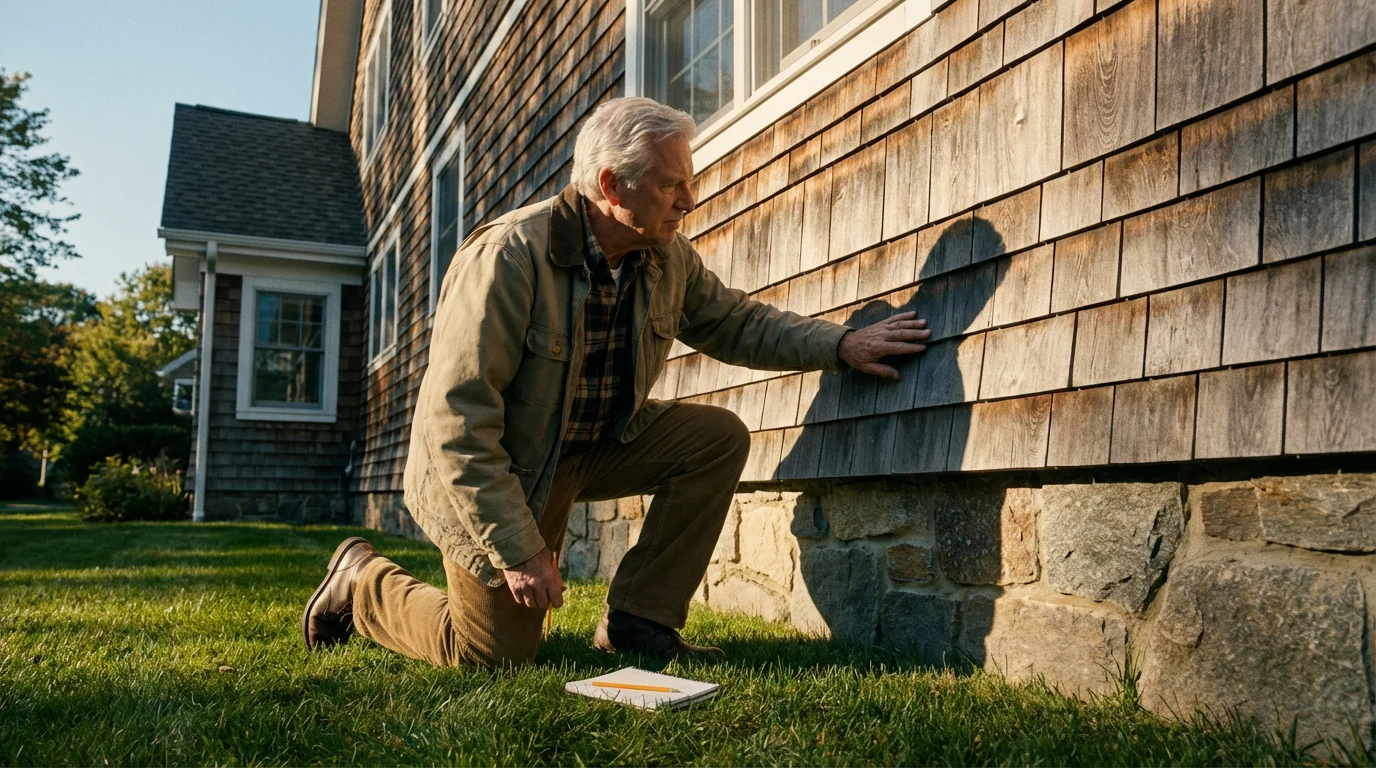
Walk through your home and around your property, making notes about any concerns. Look for signs of wear and tear, leaks, or potential safety hazards. This initial review identifies areas needing attention.
- Exterior Check: Examine the roof for missing shingles, gutters for debris, siding for damage, and foundation for cracks. Pay attention to trees near your house.
- Interior Check: Inspect walls and ceilings for water stains, test smoke and carbon monoxide detectors, and check for leaky faucets. Look at window and door seals.
- Systems Check: Note the age and condition of your HVAC system, water heater, and major appliances. These systems often require professional maintenance or eventual replacement.
Evaluating Your Physical Capabilities
Honesty about your physical limitations prevents injuries and ensures tasks get done safely. Activities like climbing ladders, lifting heavy objects, or extensive yard work might become challenging. Recognize when a task exceeds your current comfort or capability level.
Prioritize your safety and well-being above all else. Rely on professionals for tasks that pose a risk or require specialized skills. This approach keeps you safe and protects your home from improper repairs.

Budgeting for Home Maintenance Costs in Retirement
Planning for home maintenance expenses is a crucial component of your retirement financial strategy. Unforeseen repairs can quickly drain your savings if you do not allocate funds specifically for this purpose. A proactive budgeting approach ensures you handle inevitable costs without financial stress.
Allocating funds for property upkeep is an essential part of balancing risk and reward in your portfolio, as it protects your most significant physical asset.
Many financial experts suggest allocating 1% to 4% of your home’s value annually for maintenance and repairs. For example, if your home is valued at $300,000, plan for $3,000 to $12,000 each year. This guideline provides a useful starting point for your personal budget.
Creating a Dedicated Home Repair Fund
Establish a separate savings account specifically for home repairs. Regularly contribute to this fund, even if it is a small amount each month. Building a financial cushion allows you to cover unexpected expenses without dipping into your core retirement savings.
Consider larger, infrequent expenses, such as roof replacement or a new furnace. These major projects might require additional savings over several years. Factor these significant costs into your long-term financial projections.
Strategies for Managing Costs
You can employ several strategies to keep home maintenance costs manageable.
- Perform Small DIY Tasks: Handle minor tasks like changing air filters, replacing light bulbs, or cleaning gutters if you feel comfortable and capable. This saves money on handyman services.
- Implement Energy-Saving Upgrades: Investing in energy-efficient windows, insulation, or smart thermostats can reduce utility bills, freeing up funds for other repairs. The Consumer Financial Protection Bureau offers resources on managing money and saving on household costs.
- Obtain Multiple Quotes: Always gather at least three quotes from different contractors for significant projects. This ensures you receive a fair price and understand the scope of work involved.
- Prioritize Repairs: Address urgent issues promptly to prevent them from escalating into more expensive problems. Distinguish between essential repairs and cosmetic upgrades.

Finding Reliable Help: Handyman Services and Contractors
When you cannot perform home repairs yourself, finding trustworthy professionals is paramount. The right handyman or contractor provides peace of mind and quality work. However, selecting the wrong one can lead to frustration, shoddy work, and financial loss.
For some, home sharing for seniors offers a creative way to find help with physical chores while also providing companionship and extra income.
Reliable service providers are essential for senior repairs. They handle tasks safely and efficiently, allowing you to focus on enjoying your retirement. Always prioritize credentials and reputable sources.
Where to Find Trustworthy Professionals
Begin your search with trusted sources. Personal recommendations often prove invaluable. Ask friends, neighbors, or family members for referrals to professionals they have used successfully.
- Local Referrals: Tap into community networks, senior centers, or homeowner associations for recommendations.
- Online Directories: Use reputable online platforms that vet contractors and display customer reviews. Cross-reference information with other sources.
- Professional Organizations: Some trades have professional associations that list certified members, ensuring a certain level of expertise and ethical conduct.
Key Steps for Hiring a Contractor
Follow a structured process when hiring someone for your home. This protects your interests and helps ensure a successful outcome.
- Verify Credentials: Confirm the contractor holds the necessary licenses and insurance. You should ask for proof of liability insurance and worker’s compensation.
- Check References: Speak to previous clients about their experiences. Ask about project timelines, communication, and overall satisfaction.
- Get Written Estimates: Obtain detailed, written estimates from several contractors. Compare line items, labor costs, and material expenses.
- Insist on a Written Contract: A comprehensive contract protects both parties. It should outline the scope of work, timeline, payment schedule, materials, and warranty information. Never allow work to begin without a signed agreement.
- Understand Payment Schedules: Avoid paying the full amount upfront. A common practice is a deposit of 10% to 30%, with subsequent payments tied to project milestones.

Common Home Repair Scams and How to Avoid Them
Unfortunately, some unscrupulous individuals target seniors with home repair scams. They exploit trust and financial vulnerability, leading to overpriced, unnecessary, or poorly executed work. Protecting yourself requires vigilance and knowing the red flags.
By successfully avoiding costly scams, you preserve your hard-earned funds for more enjoyable pursuits like budget-friendly retirement activities and travel.
Understanding common tactics helps you identify and avoid these deceptive practices. Your diligence safeguards your home and your retirement savings. The AARP provides extensive resources on preventing fraud and scams, including those related to home repairs.
Recognizing Red Flags
Watch for specific warning signs that indicate a potential scam. Trust your instincts if something feels off.
- Unsolicited Offers: Be wary of individuals who show up at your door or call unexpectedly, claiming they noticed a problem with your home. Reputable contractors rarely solicit business this way.
- High-Pressure Sales Tactics: Scammers often create a sense of urgency, insisting you must act immediately due to a “limited-time offer” or a “dangerous condition.” Do not let anyone rush your decision.
- Demands for Upfront Cash: Avoid any contractor demanding full payment in cash before starting work. This is a significant red flag. Legitimate businesses accept various payment methods and typically require only a reasonable deposit.
- Vague Contracts or No Contract: A scammer might offer a verbal agreement or a contract lacking specific details. Always insist on a clear, written contract with a detailed scope of work, materials, timeline, and cost breakdown.
- Too-Good-To-Be-True Prices: If a bid seems significantly lower than others, it might indicate inferior materials, cut corners, or an attempt to reel you in before adding hidden fees.
- Lack of Credentials: Be suspicious of contractors who cannot provide proof of licenses, insurance, or references upon request.
Protecting Yourself from Scams
Empower yourself with preventive measures to deter scammers.
- Do Your Research: Always verify a contractor’s legitimacy through state licensing boards, online reviews, and local consumer protection agencies.
- Get Multiple Quotes: Compare at least three written bids for any major repair. This helps you gauge fair market pricing.
- Never Pay in Full Upfront: Structure payments to align with project milestones. Final payment should occur only after you inspect and approve the completed work.
- Read the Contract Carefully: Understand every clause before signing. If you have concerns, seek advice from a trusted friend, family member, or legal professional.
- Keep Records: Maintain copies of all contracts, invoices, payment receipts, and communications with contractors.
- Report Suspected Scams: If you believe you have encountered a scam, report it to your local police department, state attorney general’s office, or consumer protection agencies.

Proactive Home Maintenance Strategies for Seniors
Adopting a proactive approach to home maintenance saves you money, prevents major headaches, and keeps your home in optimal condition. Regular, small tasks accumulate to prevent large, expensive repairs. This strategy is particularly valuable in retirement when managing finances and physical effort becomes more critical.
Think of home maintenance as preventative healthcare for your house. Consistent attention helps extend the life of your home’s systems and components, ensuring your comfort and safety. Establishing a routine simplifies the process.
Seasonal Maintenance Checklists
Divide your maintenance tasks by season to make them more manageable. This ensures you address seasonal vulnerabilities and prepare for upcoming weather conditions.
- Spring:
- Inspect roof for winter damage, clean gutters and downspouts.
- Check exterior for loose siding, peeling paint, or foundation cracks.
- Service air conditioning unit, change filters.
- Inspect and clean deck or patio.
- Check smoke and carbon monoxide detectors, replace batteries.
- Summer:
- Inspect windows and doors for drafts, seal if necessary.
- Clean dryer vents to prevent fire hazards.
- Check plumbing for leaks, especially under sinks and around toilets.
- Trim trees and shrubs away from the house and power lines.
- Fall:
- Clean gutters thoroughly to prepare for winter rains/snow.
- Inspect heating system, change filters, schedule professional tune-up.
- Check insulation in attic and crawl spaces.
- Drain outdoor faucets and winterize sprinkler systems.
- Test ground-fault circuit interrupters (GFCIs) in bathrooms and kitchens.
- Winter:
- Check for drafts and seal gaps around windows and doors.
- Test sump pump if applicable.
- Ensure adequate ventilation to prevent mold growth.
- Clear snow and ice from walkways and driveways to prevent falls.
Embracing Smart Home Technology for Maintenance
Modern technology offers tools that can simplify home monitoring and maintenance. Consider devices that provide early warnings or automate tasks.
- Smart Water Leak Detectors: These small devices alert your phone if they detect water, preventing significant damage from burst pipes or appliance leaks.
- Smart Thermostats: Manage heating and cooling efficiently, reducing energy consumption and potential wear on your HVAC system.
- Video Doorbells: Monitor who approaches your home, enhancing security and helping you screen visitors, including potential unsolicited repair offers.

Adapting Your Home for Easier Maintenance and Safety
As you age, modifying your home can significantly reduce the effort required for maintenance and enhance your safety. These adaptations often align with aging-in-place principles, making your home more comfortable and functional for the long term. Thoughtful modifications transform your living space into a low-maintenance sanctuary.
Proactively implementing home modifications for safety can significantly reduce the risk of accidents while also making daily maintenance much easier.
Consider changes that minimize arduous tasks and mitigate risks. Investing in these updates now can prevent future challenges and allow you to remain in your home longer. These adjustments promote both ease and well-being.
Low-Maintenance Landscaping
Yard work can become physically demanding. Shifting to low-maintenance landscaping drastically reduces the need for extensive gardening, mowing, and pruning.
- Replace High-Maintenance Plants: Opt for native plants that require less water and care.
- Consider Hardscaping: Install patios, walkways, or rock gardens that demand minimal upkeep compared to lawns.
- Automatic Irrigation: Install a sprinkler system with a timer to handle watering tasks automatically.
- Professional Yard Services: Budget for regular lawn care or yard maintenance services to handle tasks you no longer wish to perform.
Home Modifications for Safety and Convenience
Many home modifications designed for accessibility also simplify maintenance and reduce accident risks. These improvements create a safer environment and streamline daily routines.
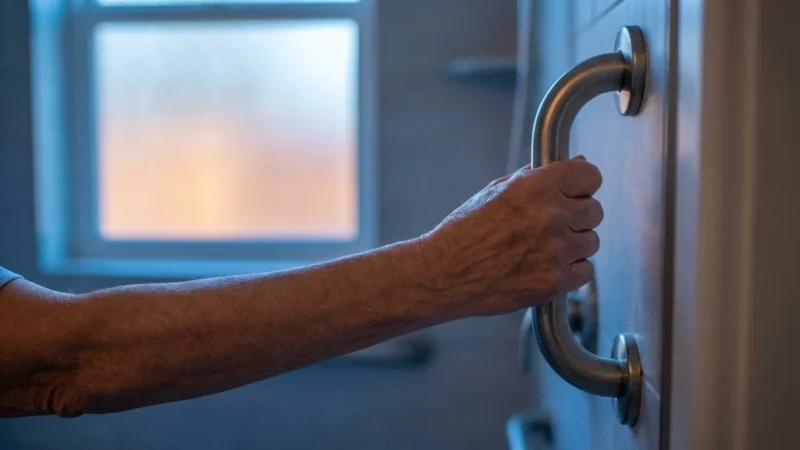
- Install Grab Bars: Place grab bars in bathrooms and near stairs for stability, preventing falls during cleaning or daily activities.
- Improve Lighting: Enhance lighting in dark areas, stairwells, and outdoor paths. Good visibility prevents accidents and helps you spot maintenance issues more easily.
- Update Flooring: Replace slippery rugs or uneven flooring with non-slip, level surfaces. This reduces tripping hazards and simplifies floor cleaning.
- Raise Appliance Heights: Consider pedestals for washers and dryers to eliminate bending, making laundry easier and less physically taxing.
- Install Lever Handles: Replace doorknobs with lever handles, which are easier to operate and maintain than traditional knobs that can stick.
- Declutter and Organize: A well-organized home with clear pathways is easier to clean and maintain. It also reduces the risk of falls.
Professional consultation with a Certified Aging-in-Place Specialist (CAPS) can help you identify the most beneficial modifications for your specific needs and home. They offer expertise in creating safe, accessible, and low-maintenance living environments.
Frequently Asked Questions
How much should I budget for home maintenance in retirement?
Financial experts often recommend setting aside 1% to 4% of your home’s value annually for maintenance and repairs. For a $300,000 home, this means budgeting $3,000 to $12,000 per year. Your specific budget depends on your home’s age, condition, and location. Older homes generally require more attention and higher budgets.
What are common red flags for a bad contractor or a scam?
Key red flags include unsolicited offers, high-pressure sales tactics, demands for full upfront cash payment, lack of a detailed written contract, refusal to provide licenses or insurance documentation, and estimates significantly lower than others. Always be wary of contractors who appear immediately after a storm or who pressure you to sign quickly.
Should I consider a home warranty in retirement?
A home warranty can offer some peace of mind by covering repairs or replacements for major systems and appliances. Review the contract carefully to understand what it covers, deductibles, service fees, and limitations. While they can protect against unexpected breakdowns, home warranties often do not cover pre-existing conditions or certain parts of your home’s structure. Evaluate the cost versus potential benefits for your specific situation.
How can I find reliable help if I live alone?
Start by asking trusted friends, family, or neighbors for referrals to contractors or handyman services they have used. Local senior centers, community groups, or places of worship might also have lists of recommended professionals. Utilize reputable online directories that feature customer reviews and verification processes. Always check licenses, insurance, and references thoroughly before hiring anyone.
Are there government programs to help seniors with home repairs?
Yes, several federal, state, and local programs can assist seniors with home repairs, particularly for safety and accessibility modifications. Programs vary by location and eligibility requirements, often based on income or specific needs. You can research options through your state’s housing authority, local Area Agency on Aging, or by visiting USA.gov Benefits for an overview of available aid. The Eldercare Locator, a public service of the U.S. Administration for Community Living, also connects you to local services for older adults and their families, which may include home repair assistance.
Disclaimer: This article is for informational purposes only and does not constitute financial, legal, tax, or medical advice. Retirement planning involves complex decisions that depend on your individual circumstances. We strongly encourage readers to consult with qualified professionals—including financial advisors, attorneys, tax professionals, and healthcare providers—before making significant retirement decisions.







Leave a Reply