
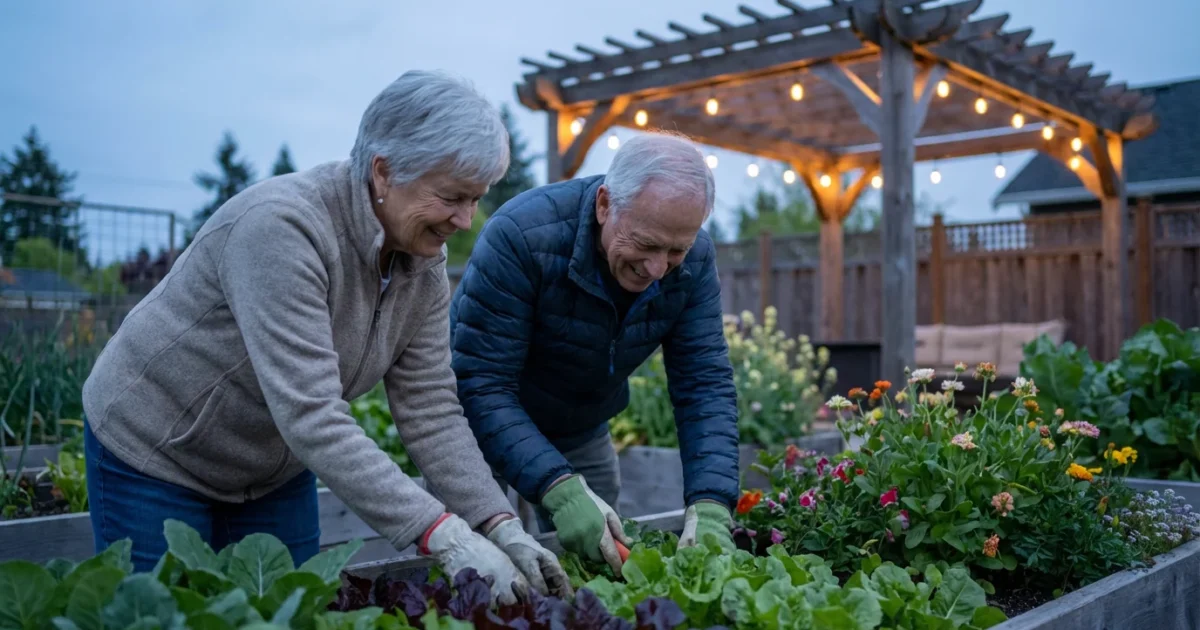
Gardening offers a rewarding way to connect with nature, stay active, and enjoy the fruits of your labor right at home. For seniors, this beloved pastime provides numerous physical, mental, and social benefits, making it an ideal activity for retirement. Whether you have years of experience or you are just beginning to explore the joys of growing, you can adapt gardening to fit your abilities and preferences. This guide helps you cultivate a thriving, senior friendly garden that brings you joy and well-being.
Cultivating a garden does more than produce beautiful flowers or fresh vegetables. It provides a structured routine, encourages gentle exercise, and fosters a sense of accomplishment. Many seniors find gardening a profound source of peace and purpose. You can transform your outdoor space into a personal oasis or a vibrant hub for community interaction.
The Health Benefits of Senior Gardening
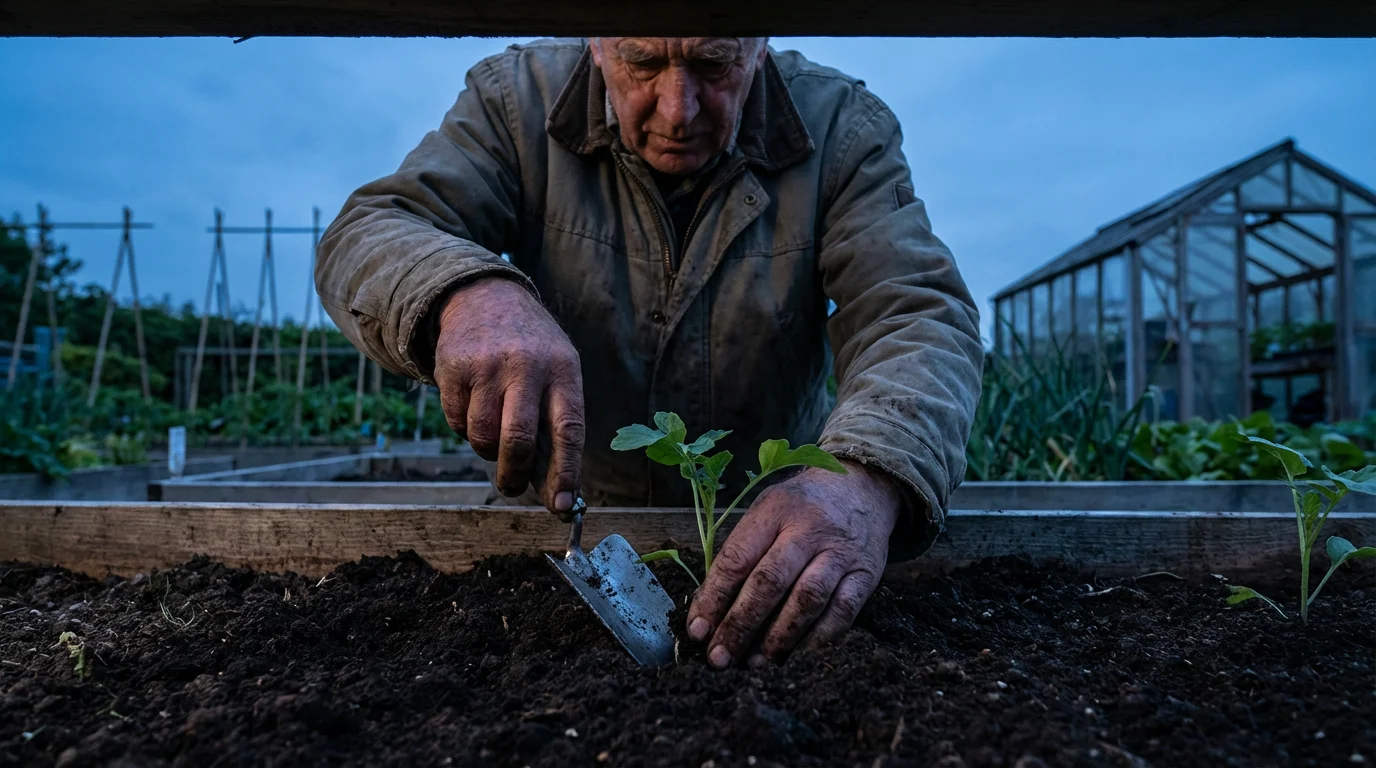
Engaging in senior gardening provides a wealth of advantages for your overall health. Physical activity from digging, planting, and weeding strengthens muscles, improves flexibility, and enhances cardiovascular health. According to the National Institute on Aging, physical activity, including gardening, is crucial for maintaining cognitive function and preventing chronic diseases as you age. Regular gardening contributes significantly to an active lifestyle.
Maintaining your physical health through consistent outdoor activity is also a proactive way of lowering healthcare costs in retirement.
Cultivating life through a garden is a powerful way of finding purpose in retirement by providing a meaningful daily routine and visible results.
Beyond the physical, gardening offers substantial mental and emotional benefits. The act of nurturing plants reduces stress, improves mood, and can even alleviate symptoms of depression and anxiety. Focusing on tasks like pruning or watering provides a meditative experience, drawing your attention to the present moment. This mindful engagement can sharpen cognitive abilities and improve concentration.
Furthermore, spending time outdoors exposes you to natural light, which is essential for vitamin D production. Vitamin D supports bone health and boosts your immune system. The fresh air and natural environment contribute to a sense of well-being, fostering a calmer and more positive outlook on life. You gain a sense of accomplishment when you watch your plants grow and thrive.
Designing Your Accessible Garden
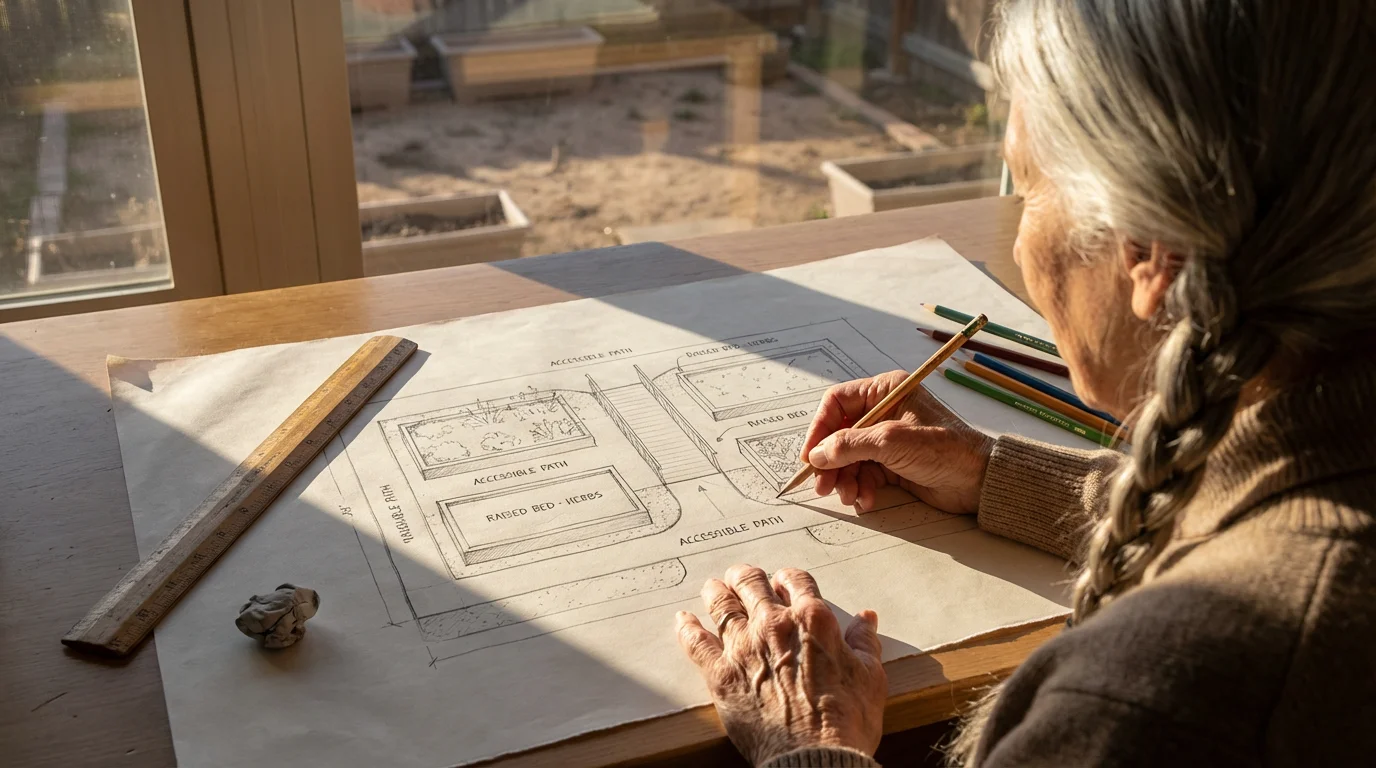
Creating an accessible garden ensures your gardening experience remains enjoyable and safe, regardless of mobility challenges. Thoughtful design transforms your space into a senior friendly garden where you can work comfortably for hours. Focus on minimizing bending, kneeling, and heavy lifting.
For those exploring home sharing for seniors, a shared garden serves as an excellent communal space for bonding with housemates.
If you are currently rightsizing your home for retirement, planning an accessible garden should be a key part of your exterior layout.
Raised beds are often the cornerstone of an accessible garden. They bring the soil level up to a comfortable height, reducing strain on your back and knees. You can build them from wood, stone, or recycled materials. Ensure the width allows you to reach the center of the bed easily without overstretching. A 2-foot width often works well when accessible from one side, and 4 feet if accessible from both.
Consider these elements when you plan your senior friendly garden:
- Ergonomic Heights: Design beds and planters at waist height or even higher for comfortable standing or seated work.
- Wide Pathways: Create pathways at least 3 feet wide, ideally 4 feet, with non-slip surfaces. This accommodates wheelchairs, walkers, and provides stable footing.
- Seating Areas: Integrate benches or stools throughout your garden. This allows you to rest frequently and work while seated, reducing fatigue.
- Shade Structures: Install pergolas, awnings, or strategically plant trees to offer relief from the sun during peak hours.
- Smart Watering Systems: Drip irrigation or soaker hoses minimize the need to carry heavy watering cans. This conserves water and saves you effort.
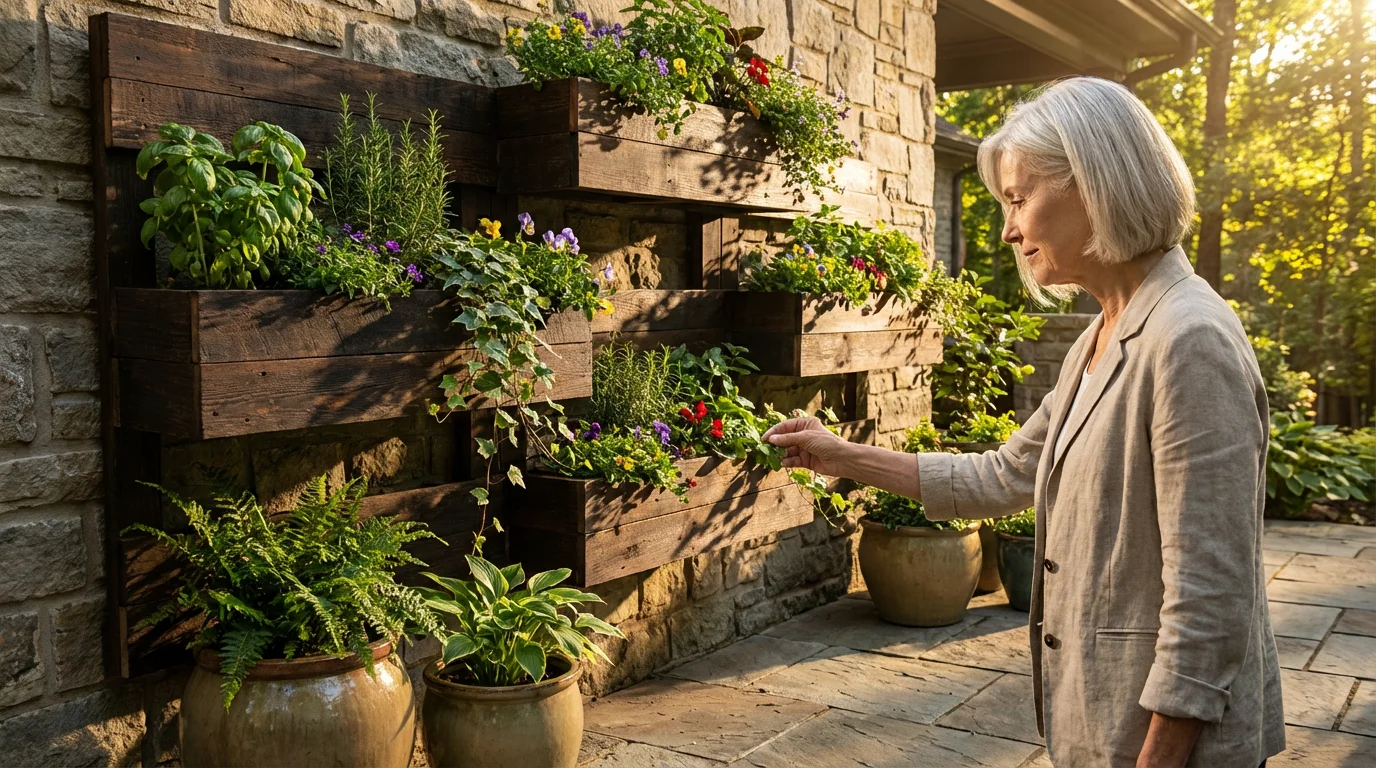
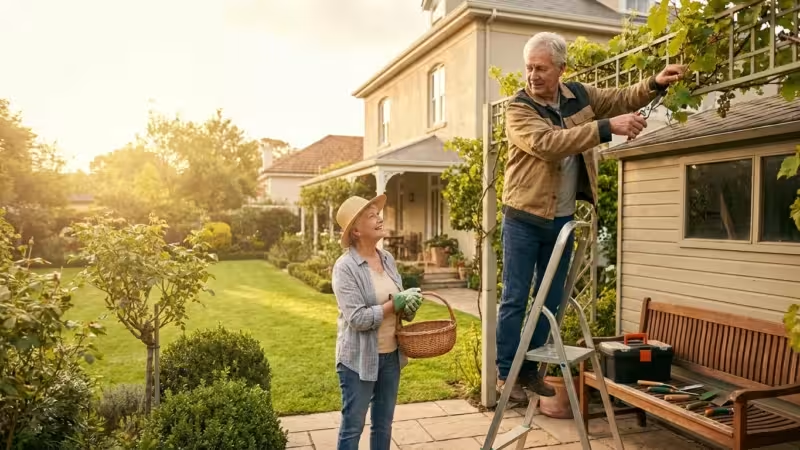
- Vertical Gardening: Utilize vertical space with trellises, hanging baskets, and wall planters. These options reduce bending and maximize planting areas in compact spaces.
You can create a beautiful and productive outdoor space tailored specifically to your needs. This thoughtful approach helps you continue enjoying gardening for many years.
Choosing the Right Tools for Senior Gardeners
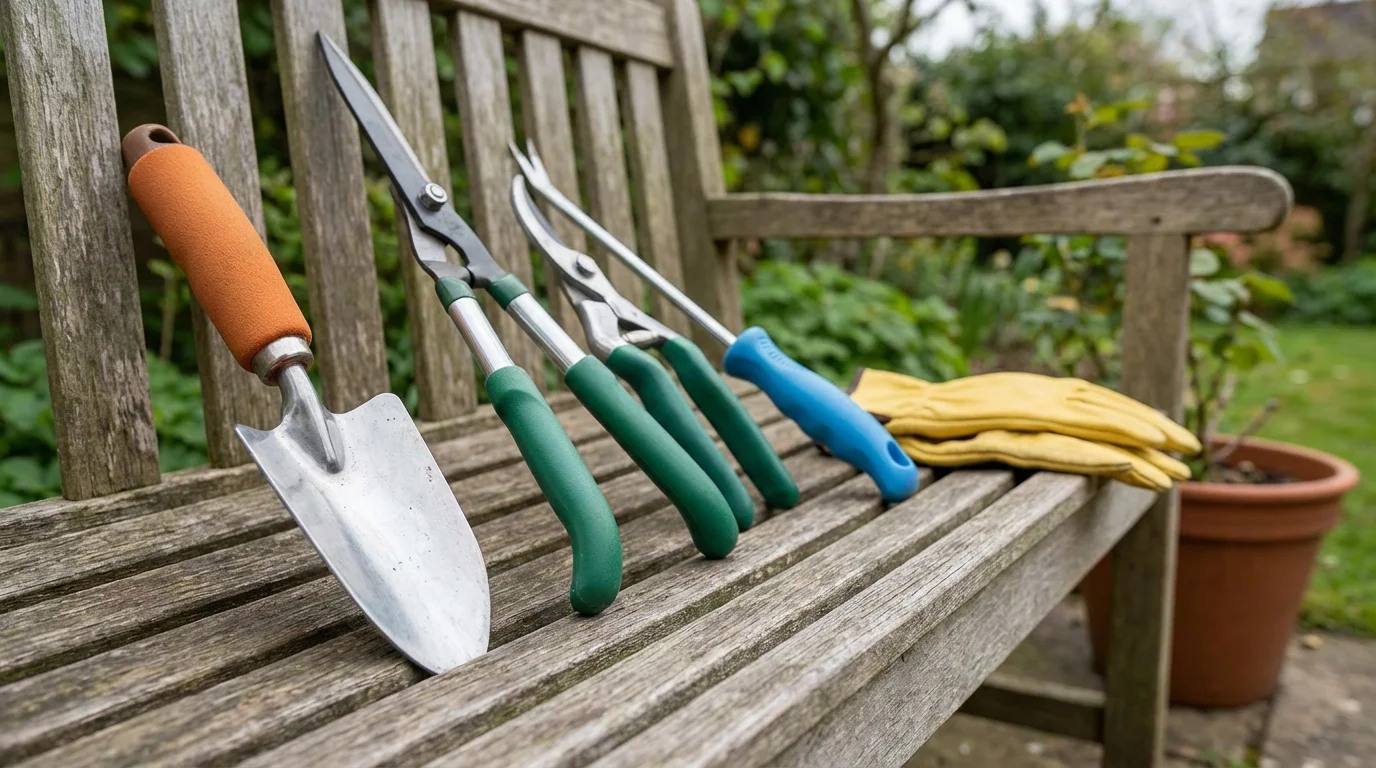
Selecting appropriate tools makes a significant difference in your gardening comfort and efficiency. The best gardening tools for seniors prioritize ergonomics, lightweight construction, and ease of use. Investing in the right equipment prevents strain and allows you to garden longer without discomfort.
Look for tools designed with features that reduce stress on your joints and muscles. Handle design is particularly important. Opt for tools with cushioned grips, extended handles, or angled shafts. These features allow for a more natural posture and stronger leverage.
Here are some of the best gardening tools for seniors:
- Long-Handled Tools: Cultivators, hoes, and weeders with extended handles eliminate the need for extensive bending. This protects your back and knees.
- Ergonomic Hand Tools: Pruners, trowels, and cultivators with specially shaped, non-slip grips reduce hand fatigue and wrist strain. Brands like Fiskars or Radius Garden offer excellent ergonomic options.
- Lightweight Hoses and Reels: Opt for lightweight, expandable hoses that are easy to maneuver and store. Consider a hose reel with a crank for effortless winding.
- Garden Scooters or Kneelers: These versatile tools provide a comfortable seat for low-level work or a padded surface for kneeling. They often include compartments for tools.
- Automatic Watering Systems: Drip irrigation kits or timer-controlled sprinklers automate watering, saving you time and physical effort.
- Reacher/Grabber Tools: These extend your reach, allowing you to pick up dropped tools or retrieve items without bending.
- Electric Pruners or Shears: For those with hand strength limitations, electric versions of these tools make cutting branches and trimming much easier.
Always test tools for comfort and weight before purchasing them. You want tools that feel natural in your hand and do not require excessive force to operate. Proper tool selection is a key component of how to create a senior friendly garden experience.
Smart Planting Choices for Easier Maintenance
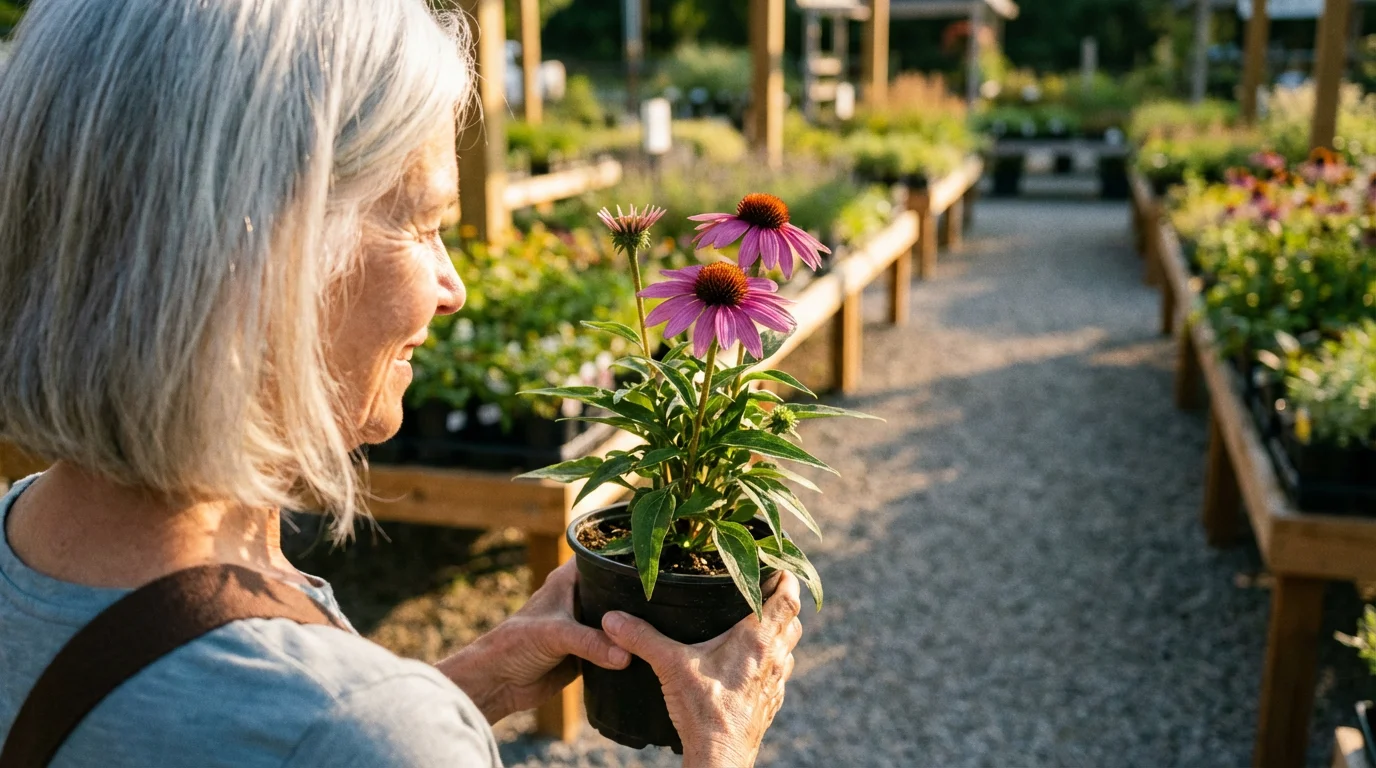
Strategic plant selection significantly reduces the effort required to maintain your garden. Choosing the right plants helps you enjoy the beauty and bounty of your garden without overwhelming chores. Focus on varieties known for their resilience and low-maintenance characteristics.
You can also connect with others by mastering the art of volunteerism and donating excess produce to local food pantries.
For those living in co-housing for seniors, shared garden spaces offer an even easier way to split these minor maintenance tasks with neighbors.
Consider plants that are native to your region. Native plants adapt well to local soil and climate conditions, requiring less water, fertilizer, and pest control. This reduces your workload and supports local ecosystems. Research your specific hardiness zone to find the best matches.
When planning your senior friendly garden, prioritize these planting strategies:
- Perennials Over Annuals: Perennials return each year, eliminating the need for annual replanting. This saves time and effort. Examples include hostas, daylilies, coneflowers, and many ornamental grasses.
- Drought-Tolerant Plants: Select plants that thrive with minimal watering once established. Succulents, lavender, salvia, and many herbs are excellent choices for reducing your water bill and effort.
- Disease and Pest Resistant Varieties: Choose plant cultivars specifically bred for resistance to common diseases and pests. This reduces the need for chemical treatments and constant monitoring.
- Slow-Growing Shrubs and Trees: Opt for compact or slow-growing varieties that require less frequent pruning. This keeps your landscape tidy with minimal intervention.
- Groundcovers: Use groundcover plants to suppress weeds and reduce the need for mulching. Thyme, creeping sedum, or vinca minor can beautifully fill spaces.
- Container Gardening: Grow vegetables, herbs, and flowers in containers. This allows you to place plants at an accessible height and move them as needed for optimal sun or shelter.
You can also explore companion planting. Certain plants deter pests or attract beneficial insects, naturally protecting your garden. For instance, marigolds can help repel nematodes and other harmful insects. This approach minimizes chemical use and promotes a healthier garden ecosystem.
“The glory of gardening: hands in the dirt, head in the sun, heart with nature. To nurture a garden is to feed not just the body, but the soul.” — Alfred Austin
Safety First: Protecting Yourself While You Garden
Gardening should remain a joyful and safe activity throughout your retirement years. Prioritizing safety prevents injuries and health issues, allowing you to continue enjoying your accessible garden. Implement simple precautions to protect yourself.
Prioritizing safety in the garden is essential for maintaining independence, particularly when downsizing for retirement into a more manageable home.
Always listen to your body. If you feel tired or experience pain, take a break. Overexertion can lead to strains, sprains, or more serious injuries. Break down large tasks into smaller, manageable segments. Work for 20-30 minutes, then rest for 10-15 minutes.
Follow these essential safety tips for senior gardening:
- Stay Hydrated: Drink plenty of water before, during, and after gardening, especially on warm days. Dehydration can lead to fatigue, dizziness, and heatstroke.
- Protect Your Skin: Apply broad-spectrum sunscreen with an SPF of 30 or higher, even on cloudy days. Wear a wide-brimmed hat, sunglasses, and long sleeves to shield yourself from harmful UV rays.
- Wear Appropriate Footwear: Choose sturdy, closed-toe shoes with good traction. This protects your feet from tools and sharp objects, and prevents slips and falls.
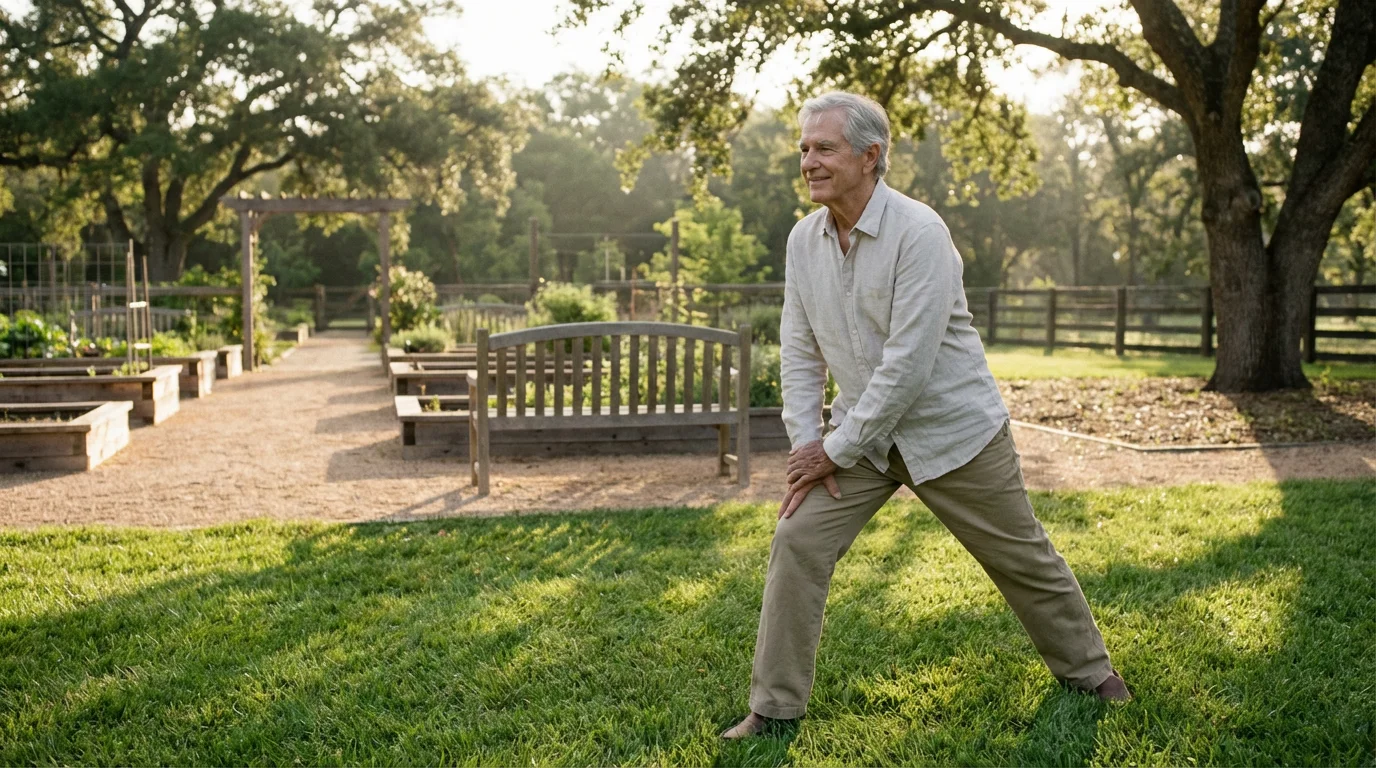
- Warm Up and Stretch: Perform light stretches before you begin gardening. This prepares your muscles for activity and reduces the risk of strains. Focus on your back, shoulders, and legs.
- Lift Safely: When lifting heavy objects, bend your knees, keep your back straight, and lift with your legs. Use a wheelbarrow or garden cart to move soil bags or potted plants. Do not attempt to lift objects that feel too heavy.
- Beware of Pests and Allergens: Wear gloves to protect your hands from thorns, sharp objects, and potential skin irritants. Be aware of poison ivy, oak, or sumac in your area. If you have allergies, consider wearing a mask when disturbing soil or pollen-heavy plants.
- Keep Tools Clean and Sharp: Dull tools require more force to use, increasing the risk of injury. Clean tools after each use to prevent rust and disease spread. Store them safely in a designated spot.
Consider gardening during cooler parts of the day, such as early morning or late afternoon. This avoids the intense midday sun and reduces the risk of overheating. A balanced approach ensures you enjoy your garden without compromising your well-being.
Gardening Beyond the Garden Bed: Container and Vertical Options
Traditional garden beds are not the only way to enjoy senior gardening. Container gardening and vertical gardening offer flexible and accessible alternatives, especially for those with limited space or mobility challenges. These methods provide creative ways to bring nature closer to home.
Container gardening allows you to cultivate a wide variety of plants—from herbs and vegetables to flowers and small shrubs—in pots, tubs, or window boxes. You gain complete control over soil conditions and plant placement. You can arrange containers on patios, balconies, or even indoors, creating a beautiful display just steps from your door. This portability allows you to move plants to optimal sunlight or shelter them from harsh weather.
Vertical gardening maximizes your planting area by growing plants upward. This is an excellent solution for small spaces and minimizes bending and reaching. You can utilize walls, fences, or specialized vertical planters. These systems often come with built-in irrigation, making maintenance even easier.
Benefits of these alternative gardening methods include:
- Flexibility: Easily rearrange containers to suit your preferences or the plants’ needs.
- Accessibility: Elevate containers to comfortable working heights on tables or stands. Vertical gardens keep plants within easy reach.
- Pest Control: It is easier to monitor and manage pests in contained environments. You can isolate affected plants quickly.
- Soil Control: Customize soil mixes for specific plant requirements, ensuring optimal growth conditions.
- Space Efficiency: Grow a surprising amount of produce or flowers in a small footprint, ideal for urban settings or compact yards.
Experiment with different types of containers, such as self-watering pots, which further reduce your watering chores. Vertical gardening can involve elaborate wall-mounted systems or simple DIY solutions like stacked pallets. These methods make how to create a senior friendly garden more versatile than ever.
Community and Connection Through Gardening
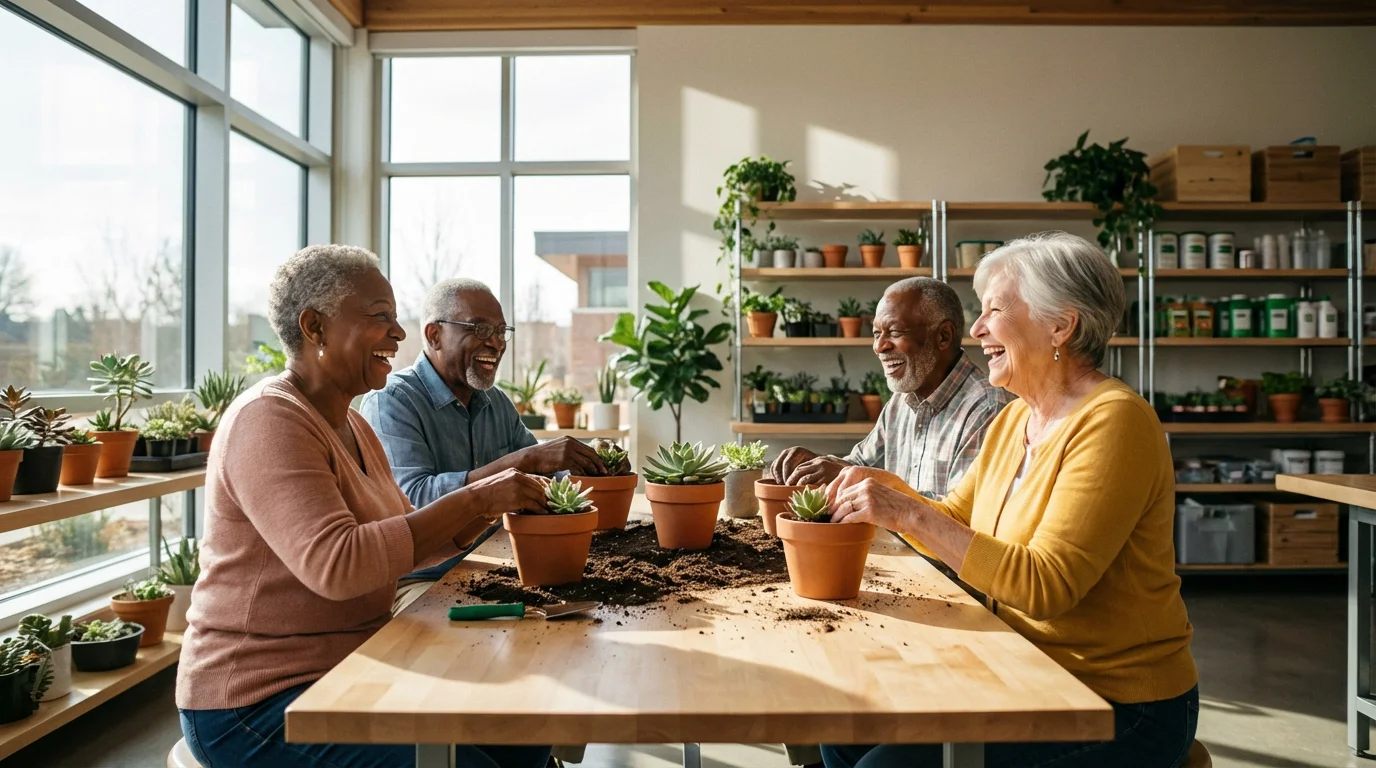
Gardening offers more than personal satisfaction; it also serves as a wonderful avenue for social engagement and community building. Connecting with other gardeners enriches your experience, provides learning opportunities, and fosters new friendships. Retirement often brings increased free time, and shared activities like gardening fill it with purpose and camaraderie.
Consider joining a local garden club or participating in a community garden. Many communities offer plots where you can grow your own plants alongside neighbors. These shared spaces often feature accessible garden designs, making them ideal for senior gardeners. You can exchange tips, share surplus produce, and collaborate on projects. This interaction combats feelings of isolation and contributes to a vibrant local network.
Beyond formal groups, you can connect with others through informal exchanges:
- Share Your Harvest: Offer excess produce to neighbors, friends, or local food banks. This act of generosity builds goodwill and reduces waste.
- Volunteer: Many botanical gardens, arboretums, or local parks rely on volunteer gardeners. This offers a chance to contribute to public spaces, learn from experts, and meet like-minded individuals.
- Host a Garden Tour: If you are proud of your accessible garden, invite friends or a small group to tour it. Share your knowledge and passion.
- Online Communities: Participate in online gardening forums or social media groups. You can ask questions, share photos, and connect with a broader network of enthusiasts from the comfort of your home.
The shared experience of nurturing life from the soil creates strong bonds. These connections enhance your retirement lifestyle, providing joy, learning, and meaningful social interaction. Data from organizations like AARP often highlights the importance of social engagement for healthy aging, and gardening provides an accessible path to achieve this. You can find resources for local community gardens and volunteer opportunities through your local municipal parks department or a quick online search.
Frequently Asked Questions
What are the easiest plants for senior gardening beginners?
For beginners in senior gardening, consider resilient and low-maintenance plants. Popular choices include marigolds, zinnias, hostas, basil, mint, lettuce, and cherry tomatoes. These plants generally tolerate varied conditions and offer satisfying results with minimal fuss. Herbs, in particular, thrive in containers and require little specialized care.
How can I garden if I have limited mobility or use a wheelchair?
You can create a highly accessible garden with thoughtful planning. Utilize raised garden beds designed at waist or table height, allowing you to work comfortably while standing or seated. Ensure wide, smooth pathways for easy navigation. Consider vertical gardening systems and hanging baskets to bring plants within easy reach. The best gardening tools for seniors, such as long-handled cultivators and ergonomic hand tools, also significantly help.
Is gardening good for mental health in retirement?
Yes, gardening offers substantial mental health benefits for retirees. It reduces stress, improves mood, and can alleviate symptoms of anxiety and depression. The mindful focus required for gardening promotes relaxation and a sense of purpose. Spending time outdoors also increases exposure to sunlight, boosting vitamin D levels, which positively impacts mood and cognitive function.
What kind of physical activity does gardening provide?
Gardening provides a full-body workout that improves strength, flexibility, and cardiovascular health. Activities like digging, planting, weeding, and carrying light loads engage various muscle groups. This gentle, sustained exercise helps maintain mobility and endurance without high impact. Always remember to warm up and listen to your body to avoid overexertion.
Where can I find resources for accessible garden design or tools?
You can find resources for accessible garden design and tools through several channels. Local garden centers often carry ergonomic tools and can provide advice on raised bed construction. Online retailers specialize in adaptive gardening equipment. For design ideas, consult your local extension office, community garden organizations, or reputable gardening websites. Organizations like the AARP also offer articles and guides on senior-friendly activities and home modifications, which can include garden accessibility tips.
Disclaimer: This article is for informational purposes only and does not constitute financial, legal, tax, or medical advice. Retirement planning involves complex decisions that depend on your individual circumstances. We strongly encourage readers to consult with qualified professionals—including financial advisors, attorneys, tax professionals, and healthcare providers—before making significant retirement decisions.

Leave a Reply