
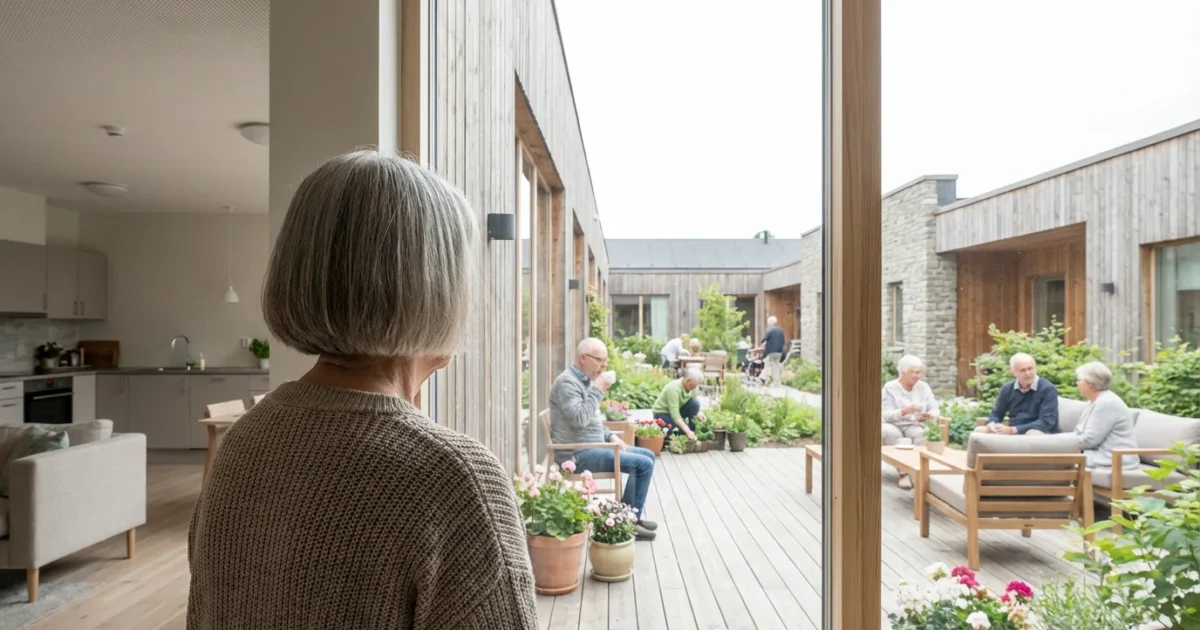
As you navigate the exciting and sometimes complex journey of retirement, you weigh many options for your next chapter. Housing stands as a pivotal decision, shaping your daily life, social connections, and financial future. Traditional choices, such as independent living, 55+ communities, or aging in place in your long-time home, are well-known. However, a less conventional yet increasingly appealing option, co-housing, offers a unique blend of privacy, community, and support. This model prioritizes social connection and mutual aid, creating an intentional neighborhood where you can thrive.
If co-housing feels too collective, you might also consider home sharing for seniors as a way to gain companionship and lower costs.
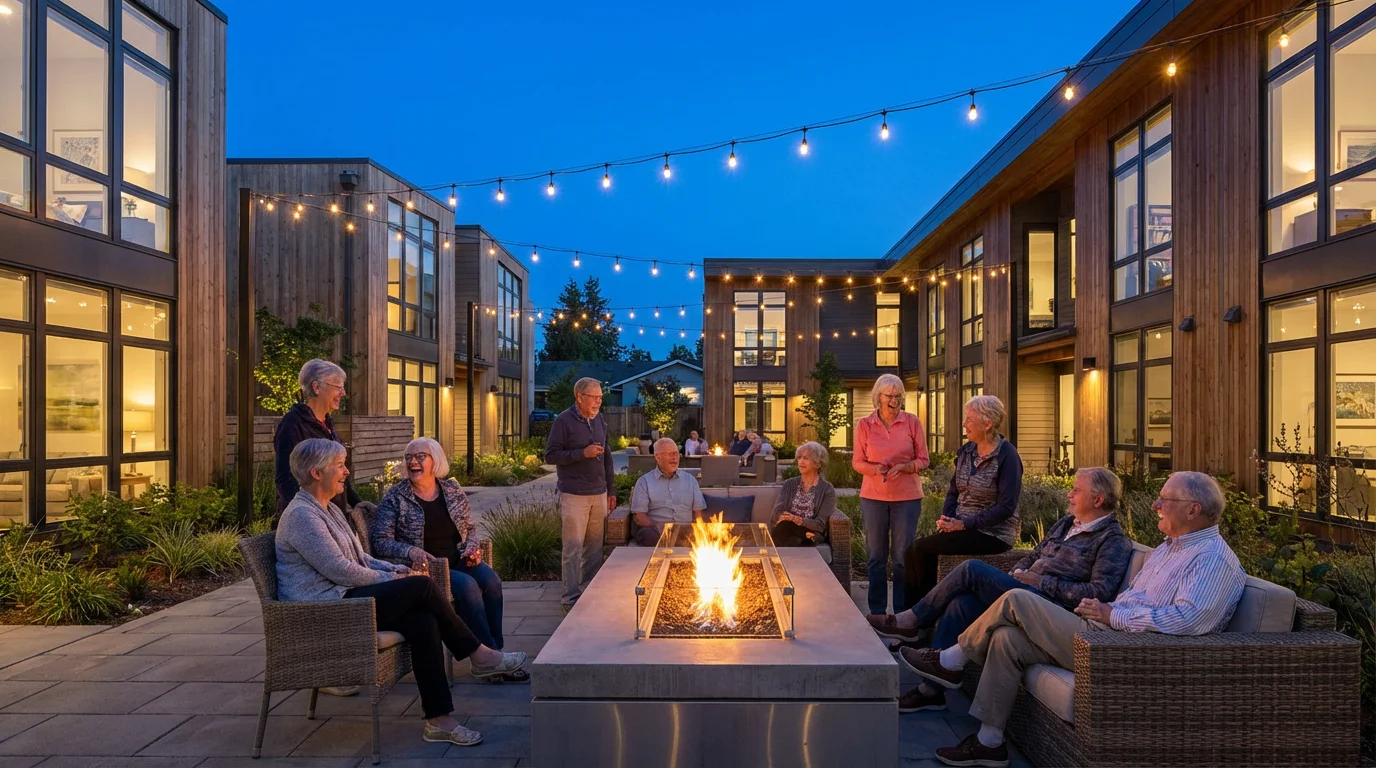
What is Senior Co-housing? More Than Just Shared Walls
Co-housing represents a form of intentional senior community designed and managed by its residents. It combines private homes with extensive shared facilities, fostering a strong sense of neighborhood. You own your private dwelling, which typically includes a full kitchen, living space, and bedrooms. This provides you with complete autonomy and personal space.
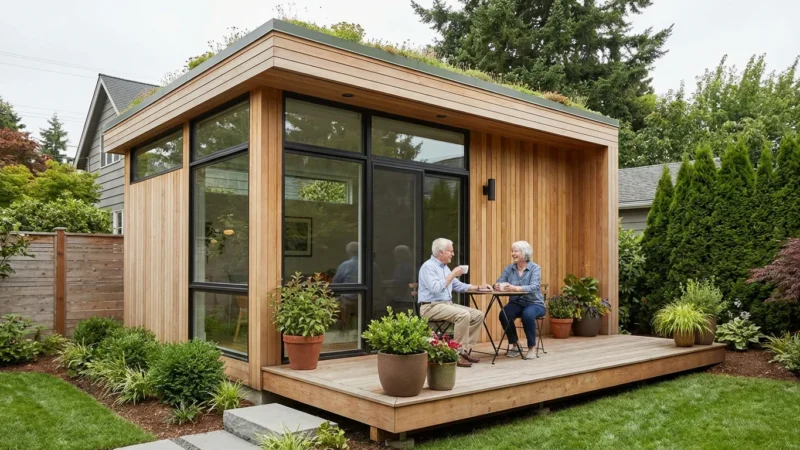
While co-housing offers a collective approach, some retirees prefer building accessory dwelling units on a family member’s property for a different balance of proximity and independence.
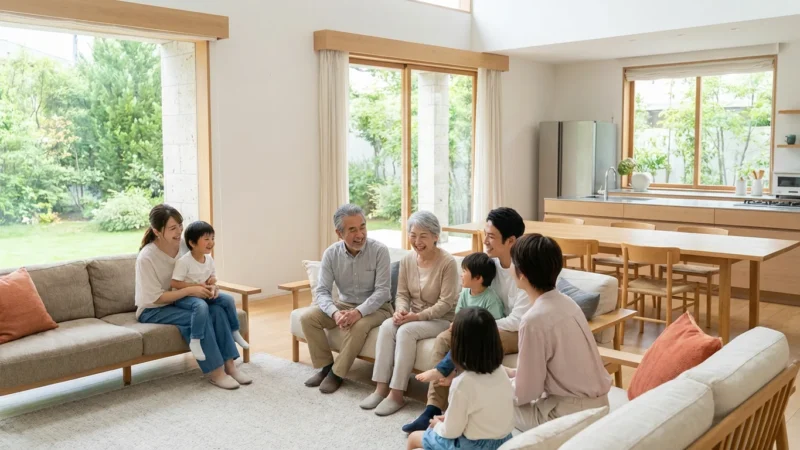
Beyond your private residence, you gain access to a common house, which serves as the heart of the community. This shared building often features a large dining room and kitchen, lounges, laundry facilities, workshops, and guest rooms. Residents regularly share meals, socialize, and participate in community activities within this space. The design encourages spontaneous interaction and planned gatherings.
The fundamental difference from other senior living options lies in the active participation of residents. Members of a co-housing community take collective responsibility for its governance, maintenance, and social life. You become an integral part of the decision-making process, contributing to the rules and culture of your senior community. This democratic approach empowers residents, ensuring the community meets your evolving needs.

The Core Principles of Collaborative Living for Seniors
Co-housing communities operate on a foundation of specific principles that distinguish them from traditional housing models. Understanding these principles helps you determine if collaborative living aligns with your vision for retirement. These core tenets create a vibrant, supportive environment for retirees.
Here are the key principles guiding co-housing:
- Resident Participation: You design, manage, and maintain your community. This involves active engagement in decision-making meetings, workdays, and social committees. This hands-on approach builds ownership and a strong sense of belonging among residents.
- Intentional Design: Architects and residents collaborate to create a physical layout that encourages interaction. Homes cluster around common spaces, and pathways promote walking and chance encounters. This design fosters spontaneous social connections.
- Shared Common Facilities: Extensive common areas supplement private homes. These spaces, like common kitchens, dining rooms, and gardens, facilitate shared activities and reduce the need for individual residents to duplicate certain amenities in their private homes.
- Democratic Governance: Residents make decisions collectively, typically through consensus or supermajority voting. This ensures every voice contributes to the community’s direction. You directly influence the rules and activities of your living environment.
- Intergenerational or Senior-Specific: While many co-housing communities are intergenerational, some specifically cater to seniors. Senior co-housing focuses on the unique needs and desires of older adults, often incorporating accessible design and services that support aging in place.
- Strong Social Fabric: The emphasis is on building strong social bonds and mutual support among neighbors. Residents often share skills, offer help, and participate in a wide range of social events. This collaborative living approach combats loneliness and isolation.

Compelling Benefits of Co-housing for Retirees
Choosing a co-housing model for your retirement can unlock numerous advantages, particularly as you prioritize well-being, social connection, and an active lifestyle. These benefits address common concerns for older adults. You gain a supportive network and enhanced quality of life through this intentional community design.
Beyond social interaction, many residents find fulfillment by exploring creative outlets in retirement within the community’s shared workshops and hobby rooms.
Here are significant benefits you can expect from co-housing:
- Enhanced Social Connection: Loneliness and isolation pose serious health risks for seniors. Co-housing directly addresses this by building a built-in community. You have immediate access to friends and neighbors for shared meals, activities, and spontaneous conversations, fostering a vibrant senior community.
- Mutual Support and Assistance: Residents often form informal support networks. Neighbors assist with tasks like grocery shopping, rides to appointments, or even pet care during vacations. This reciprocal help creates a safety net, allowing you to age in place more securely.
- Active and Engaged Lifestyle: The participatory nature of co-housing keeps residents engaged physically and mentally. You actively contribute to community life, whether through gardening, organizing events, or participating in governance meetings. This prevents boredom and promotes cognitive vitality.
- Reduced Living Costs (Potentially): While initial costs vary, shared resources can lead to lower ongoing expenses. You might share tools, appliances, or even vehicles, reducing individual ownership burdens. Bulk purchasing and shared utilities also offer potential savings.
- Sustainable Living: Many co-housing communities prioritize environmental sustainability. This includes shared gardens, composting programs, energy-efficient building designs, and reduced car dependency. If you value eco-conscious living, this aspect can be very appealing.
- Sense of Belonging and Purpose: Actively participating in your community’s life provides a strong sense of purpose. You feel valued and needed as you contribute your skills and experience. This contrasts with more passive retirement living options.
- Safety and Security: Living in close proximity with watchful neighbors enhances personal security. The “eyes on the street” effect deters crime, and you have immediate help available in an emergency. This peace of mind is invaluable in retirement.

Understanding the Challenges of Senior Co-housing
While co-housing offers a compelling vision for retirement, it also presents unique challenges you must consider. This lifestyle demands a certain level of commitment, flexibility, and a willingness to engage actively with your neighbors. Understanding these potential hurdles helps you make an informed decision about collaborative living.
Consider these challenges before committing to co-housing:
- Consensus Decision-Making: Reaching agreement among many individuals requires patience and strong communication skills. You participate in numerous meetings and discussions, which can feel time-consuming. Disagreements inevitably arise, requiring a commitment to respectful problem-solving.
- Time Commitment: Co-housing is not a “hands-off” living arrangement. You contribute to maintenance, governance, and social activities. This active participation requires a significant time investment beyond simply living in your home.
- Lack of Privacy (Perceived): While you have a private home, the close-knit nature of the community means less anonymity than in a traditional neighborhood. You engage frequently with neighbors, which some individuals might find overwhelming if they prefer a more solitary lifestyle.
- Personality Clashes: Living in close quarters and making shared decisions means you will interact with diverse personalities. You must possess a willingness to compromise and adapt to different viewpoints. Not everyone possesses the temperament for such intense community interaction.
- Financial Outlay: While ongoing costs might be lower, the initial investment can sometimes be higher than conventional homes, particularly for newer communities. You might also encounter community fees for shared services and maintenance. Thoroughly investigate all financial aspects.
- Finding the Right Community: Locating an existing senior co-housing community that aligns with your values and geographic preferences can be challenging. New communities require a significant time commitment to help with development, planning, and construction.
- Exiting the Community: Selling your co-housing unit might differ from selling a traditional home. Some communities have specific resale processes or restrictions, potentially impacting liquidity. Understand these rules before you invest.

Navigating the Financial Landscape of Co-housing
Financial considerations play a crucial role in any retirement housing decision. Co-housing presents a distinct financial model you need to understand thoroughly. While often more affordable than many assisted living facilities, it still involves significant investment and ongoing costs. You should analyze these aspects carefully.
It is also wise to consider how this investment fits into your broader estate planning essentials to ensure your assets are protected for your heirs.
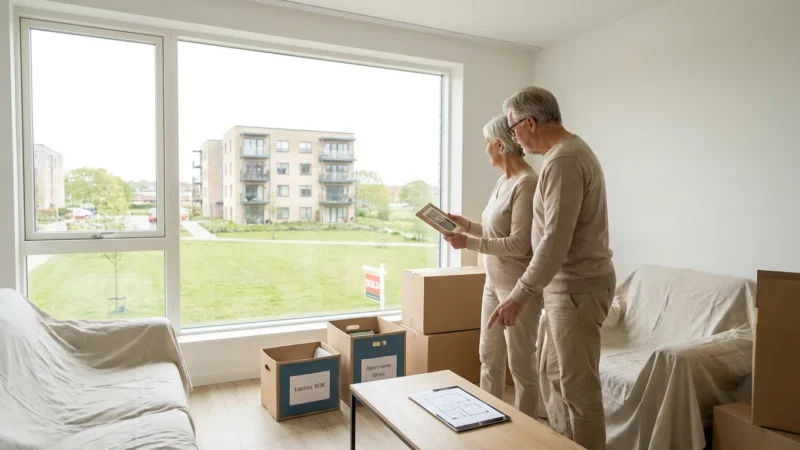
Transitioning to this lifestyle often involves downsizing your home for retirement, which requires careful planning of both finances and belongings.
Here are key financial points regarding co-housing:
- Purchase Price: You typically purchase a private dwelling within the community, similar to buying a condominium or a single-family home. Prices vary widely based on location, size, and amenities. Research market values in your desired area.
- Common Costs and Fees: Beyond your individual mortgage and property taxes, you pay monthly common fees. These fees cover the maintenance of shared facilities, landscaping, utilities for common areas, and sometimes a portion of community-wide services. These fees are essential for the collaborative living model.
- Development Costs for New Communities: If you join a community in its development phase, you might contribute financially to the planning and construction before moving in. This can involve deposits, equity shares, or loans to the development entity. This early involvement means shared risk and shared reward.
- Home Equity: Your private unit builds equity over time, similar to a traditional home. However, some communities might have specific resale agreements or preferences, which could influence its marketability. Understand these details from the community’s bylaws.
- Potential for Cost Savings: Shared resources, such as tools, vehicles, and bulk purchasing, can lead to individual cost savings over time. You might also reduce expenses for social activities or entertainment due to the built-in community offerings. According to AARP, many older adults seek housing that offers community and affordability, which co-housing can provide.
- Professional Consultation: Before making any financial commitment, consult with a qualified financial advisor. They can help you assess your budget, understand the long-term financial implications, and compare co-housing costs with other retirement living options. This ensures a sound financial decision for your future.
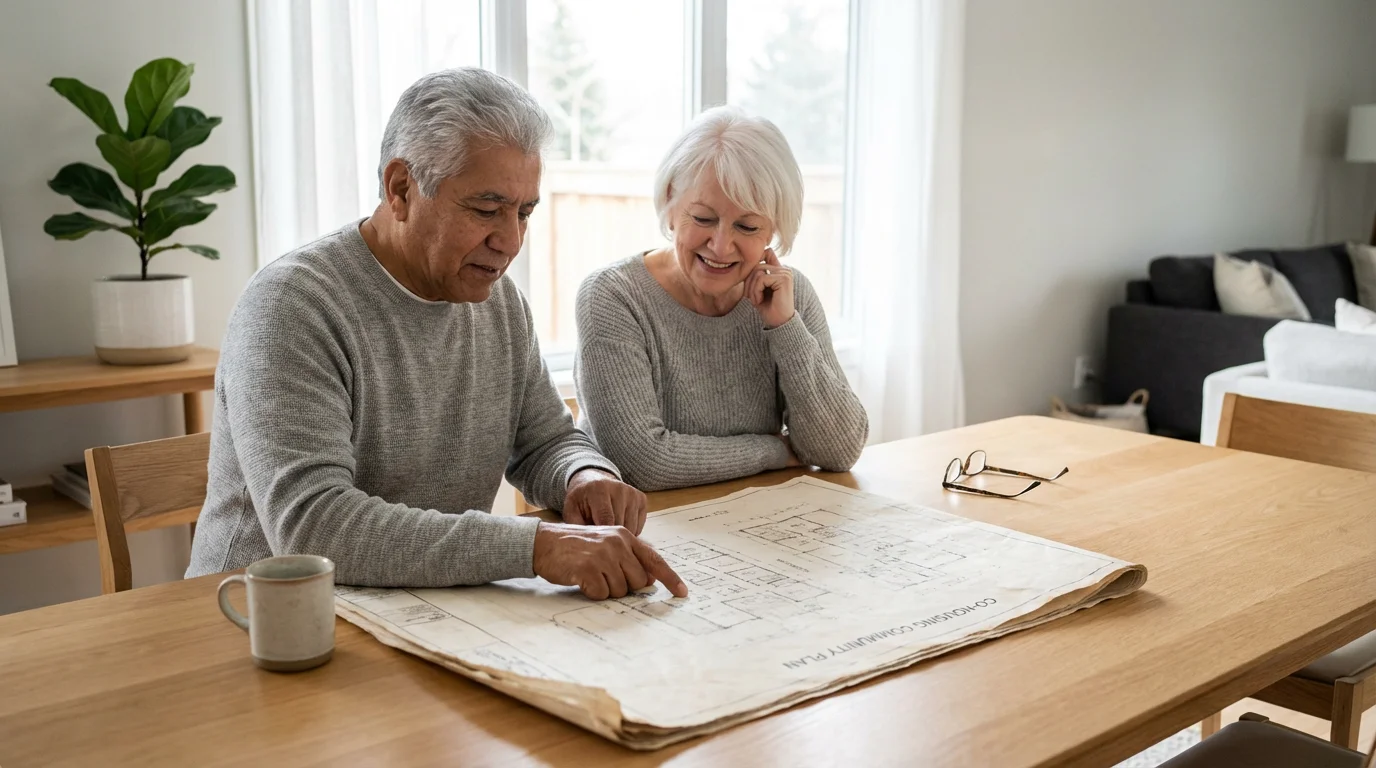
Finding Your Place: How to Find a Senior Co-housing Community
Locating a senior co-housing community that fits your preferences requires diligent research and proactive engagement. The process differs from simply buying a house or finding an apartment. You need to explore existing communities and consider the option of helping to start a new one. This search is about finding the right collaborative living environment.
Follow these steps to find a senior co-housing community:
- Research Online Resources: Start with websites dedicated to co-housing. Organizations like the Co-housing Association of the U.S. maintain directories of established and developing communities. These resources are invaluable for discovering existing options and learning about the co-housing model.
- Identify Your Priorities: Determine what matters most to you. Do you prefer an urban or rural setting? Are you looking for intergenerational or senior-specific co-housing? What level of engagement are you willing to commit to? Clarifying your priorities helps narrow your search.
- Visit Existing Communities: Whenever possible, visit communities in person. Attend open houses, tours, and common meals. This provides invaluable insight into the community’s culture, dynamics, and physical layout. Observe how residents interact and manage daily life.
- Attend Informational Sessions: Many co-housing communities host regular informational meetings for prospective members. These sessions offer detailed explanations of their governance, finances, and social life. You can ask questions and meet current residents.
- Connect with Members: Speak directly with current residents. Ask about their experiences, what they enjoy most, and the challenges they face. Their candid insights offer a realistic picture of life in that particular senior community.
- Consider a Developing Community: If you cannot find an existing community that suits you, consider joining a group forming a new one. This offers the unique opportunity to shape the community from the ground up, though it requires a significant time commitment and patience.
- Seek Professional Guidance: As you near a decision, consult with a real estate attorney specializing in co-housing or shared equity models. They can review legal documents, bylaws, and financial agreements. This ensures you understand all contractual obligations before you commit.

Is Co-housing Right for Your Retirement Journey?
Deciding if co-housing aligns with your retirement goals involves honest self-assessment and careful consideration of your preferences. This unique housing option offers profound benefits but also demands a particular mindset and willingness to engage. You must evaluate your readiness for collaborative living.
Ask yourself these questions to determine if co-housing is a good fit:
- Do you value community and social connection highly? If combating loneliness and building strong friendships are top priorities, co-housing offers a structured path to achieving this.
- Are you willing to actively participate in community governance and maintenance? Co-housing is not a passive living arrangement. You contribute time and effort to maintain the shared spaces and make collective decisions.
- Are you comfortable with compromise and consensus? Living in a democratic community means you will not always get your way. You must be willing to discuss, listen, and find common ground.
- Do you appreciate sharing resources and responsibilities? If you enjoy the idea of sharing meals, tools, and even tasks, this aspect of co-housing will appeal to you.
- Do you maintain an active lifestyle and enjoy contributing? If you want to remain engaged and purposeful in retirement, the many opportunities to contribute within a co-housing community can be deeply satisfying.
- Do you prioritize affordability and mutual support over complete independence? While you have a private home, the interdependent nature of co-housing fosters a safety net and potential cost savings not always found in traditional housing.
If you answered “yes” to most of these questions, co-housing merits serious exploration for your retirement. This model can provide a fulfilling, supportive, and active environment as you age. Remember to consult with financial and legal professionals as you evaluate specific communities.
“The greatest wealth is health.” — Virgil
Frequently Asked Questions
What is the difference between co-housing and a traditional senior living community?
Traditional senior living often provides services like meals, housekeeping, and scheduled activities with staff managing operations. Co-housing, by contrast, is resident-led and managed. You own your home and actively participate in the community’s governance, maintenance, and social life, fostering a stronger sense of shared responsibility and community among residents.
Do I have to share my private home in a co-housing community?
No, you do not. In a co-housing community, you own your private dwelling, which includes your own kitchen, bathroom, and living areas. The “sharing” aspect refers to shared common facilities like a common house, dining room, and gardens, as well as shared responsibilities for the community’s upkeep and social events.
Are co-housing communities only for active, healthy seniors?
While many co-housing residents start as active and healthy, the community model often includes provisions for aging in place. Many communities feature accessible design and informal support networks where neighbors assist each other. This allows residents to remain in their homes longer, even as their needs change. However, co-housing does not typically provide medical or personal care services, so you should plan for those needs independently.
What kind of commitment does co-housing require?
Co-housing requires a significant commitment of your time and effort. You participate in community meetings, workdays for maintenance, and social events. The community relies on your active engagement in decision-making and contributing to the shared well-being of the senior community. This level of involvement builds strong bonds and mutual support.
Is co-housing a good investment financially?
Like any real estate, the financial investment in co-housing varies by location and market conditions. You own your unit, so it can appreciate in value. However, some communities have specific resale policies or a limited market of buyers who understand and embrace the co-housing model. Consult with a financial advisor to assess the investment potential and understand all financial obligations, including common fees.
Disclaimer: This article is for informational purposes only and does not constitute financial, legal, tax, or medical advice. Retirement planning involves complex decisions that depend on your individual circumstances. We strongly encourage readers to consult with qualified professionals—including financial advisors, attorneys, tax professionals, and healthcare providers—before making significant retirement decisions.

Leave a Reply