
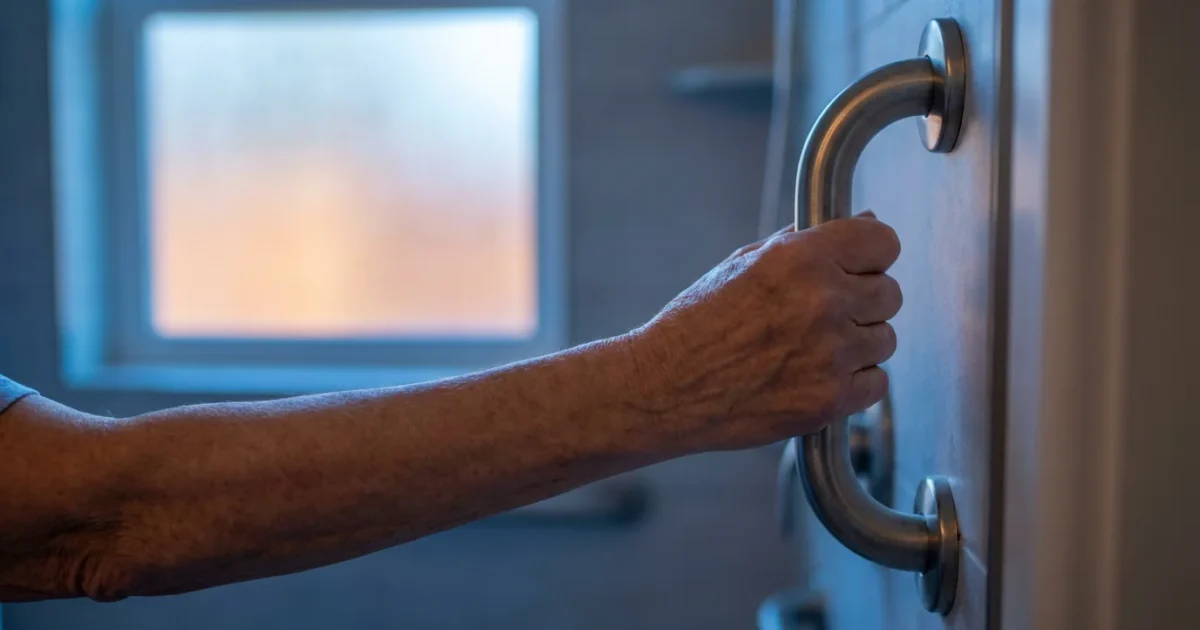
As you approach or enter retirement, the idea of staying in your familiar home, surrounded by memories and comfort, often becomes a central part of your future vision. This concept, known as aging in place, allows you to maintain independence and a high quality of life as you grow older. However, achieving this goal requires thoughtful preparation, especially concerning your living environment. Your home, while cherished, may present unseen challenges to safety and accessibility as mobility or physical needs evolve.
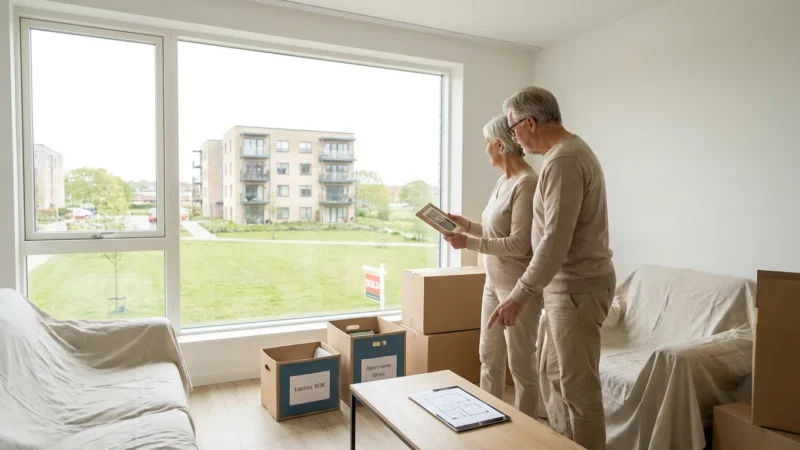
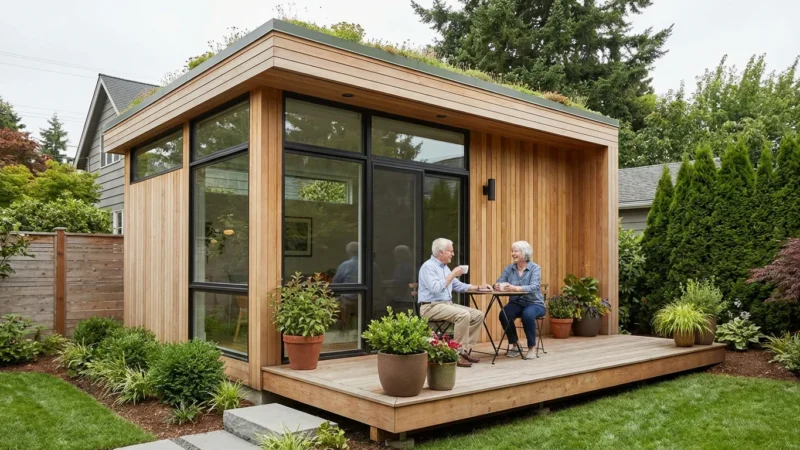
While modifications are effective, some retirees find that rightsizing your home for retirement is a more practical long-term solution for their lifestyle.
Making strategic home modifications now ensures your residence remains a safe, comfortable, and functional space for years to come. This proactive approach minimizes future risks and supports your continued independence. It is an investment in your well-being, transforming your current house into a long-term home perfectly suited for your evolving needs.

Understanding Aging in Place and Its Benefits
Aging in place refers to the ability to live in your own home and community safely, independently, and comfortably, regardless of age, income, or ability level. This concept goes beyond simply remaining in your current residence, it involves actively adapting your environment to support your needs as they change over time. It represents a commitment to personal autonomy and continuity.
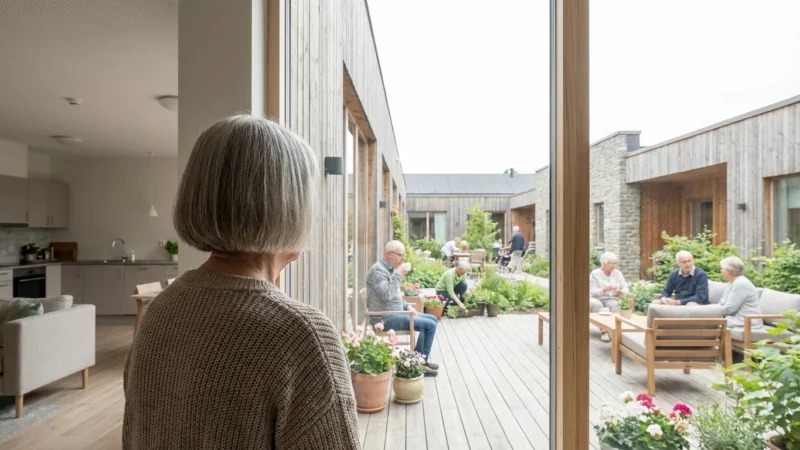
For those who value social proximity, co-housing for seniors provides a unique alternative that combines private living with shared communal spaces.
The benefits of aging in place are significant and span multiple aspects of life. You retain invaluable connections to your community, friends, and familiar routines. This stability contributes positively to mental and emotional well-being, reducing the stress associated with relocating. Moreover, living at home often proves more cost-effective than long-term care facilities, providing financial advantages in the long run.
“Home is where the heart is. It is where we find comfort, memories, and our truest selves.”
AARP research consistently shows a strong preference among older adults to age in their homes. For example, a significant majority of individuals aged 50 and older express a desire to stay in their current homes for as long as possible, according to AARP. This preference highlights the emotional and practical value people place on their personal living spaces. Proactive home modifications are a direct response to this widespread desire, turning aspiration into reality.

Assessing Your Current Home for Senior Safety
Before you embark on any modifications, conduct a thorough assessment of your current home. This initial review identifies potential hazards and areas needing improvement. Approach your home with a critical eye, considering how different spaces might challenge someone with reduced mobility, balance issues, or impaired vision. Think about daily routines and emergency scenarios.
Keep in mind that regular home maintenance in retirement is just as important as renovations to ensure your property remains safe and valuable.
Begin by walking through each room, noting potential tripping hazards, insufficient lighting, or difficult-to-reach items. Consider how easy it is to navigate hallways and doorways with a walker or wheelchair, even if you do not currently use one. A comprehensive assessment allows you to prioritize modifications that offer the greatest impact on safety and independence.
Here are key areas to evaluate:
- Entryways and Exits: Do steps present a challenge? Are door thresholds high? Is there adequate lighting at night?
- Hallways and Doorways: Are they wide enough for mobility aids? Are there obstructions?
- Stairs: Are handrails sturdy and continuous? Is lighting sufficient?
- Flooring: Do rugs slip? Are floor surfaces even? Can you easily transition between different flooring types?
- Lighting: Is illumination sufficient in all areas, especially task areas and pathways? Are light switches easily accessible?
- Bathrooms: Are tubs and showers difficult to enter or exit? Are grab bars needed near toilets and showers?
- Kitchen: Are frequently used items within easy reach? Is there sufficient space to maneuver?
- Emergency Preparedness: Are smoke detectors and carbon monoxide detectors functional and strategically placed? Can you easily exit in an emergency?
Consider consulting with an occupational therapist or a certified aging-in-place specialist (CAPS) who can provide a professional assessment. They offer expert insights tailored to your specific needs and potential future changes.
Essential Home Modifications for Bathroom Safety
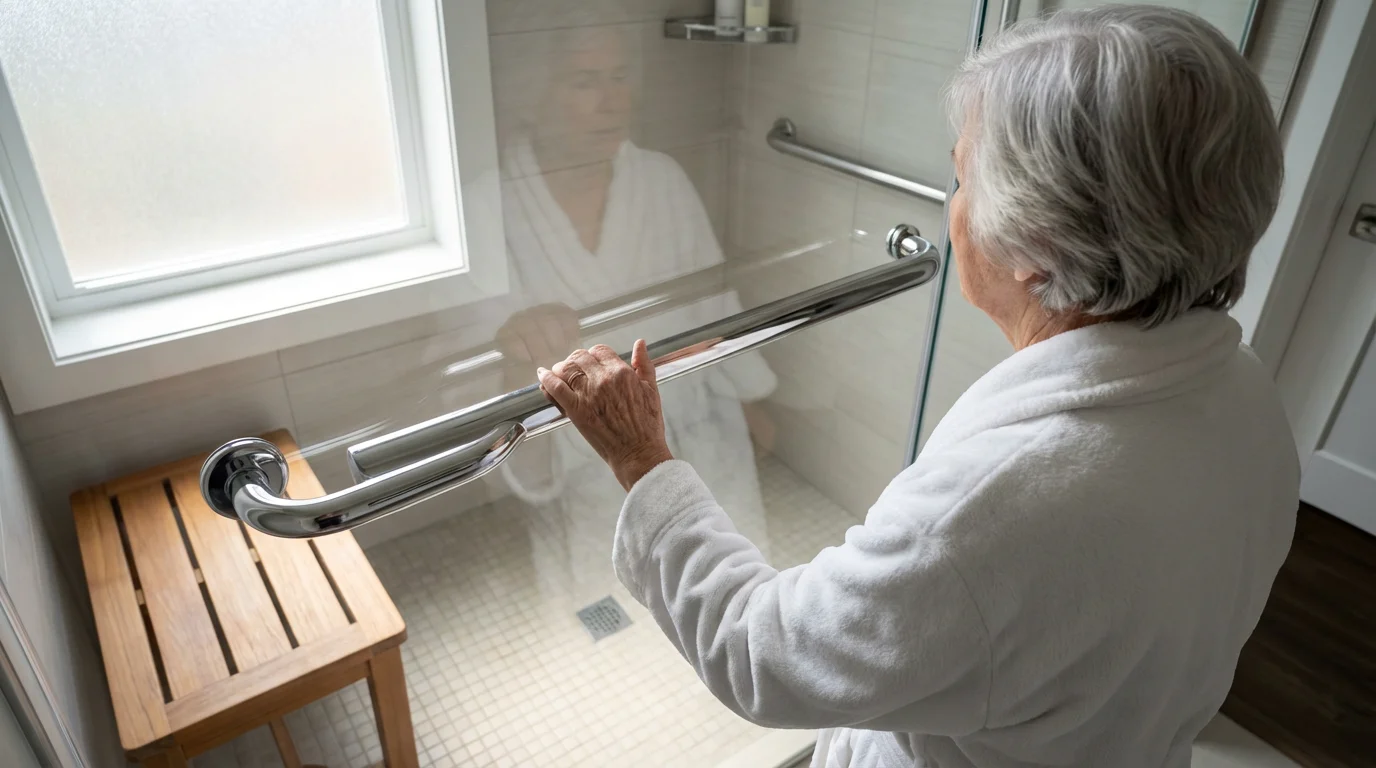
Bathrooms pose some of the highest risks for falls in the home due to wet surfaces and confined spaces. Modifying your bathroom for safety and accessibility is a crucial step in preparing for aging in place. These changes can significantly reduce the risk of accidents and enhance your ability to perform personal care independently.
Prioritize changes that address mobility challenges around the shower, toilet, and sink. Even minor adjustments can yield major safety improvements. For example, replacing a traditional shower with a zero-threshold entry eliminates a common tripping hazard.
Key bathroom modifications include:
- Grab Bars: Install sturdy grab bars near the toilet, inside and outside the shower or tub, and by the sink. Ensure they are correctly installed into wall studs, not just drywall.
- Walk-in Showers or Tubs: Replace high-threshold tubs with a walk-in or roll-in shower, eliminating the need to step over a barrier. Consider a shower bench or folding seat for resting.
- Anti-Slip Surfaces: Apply anti-slip strips or install anti-slip flooring in the shower, tub, and throughout the bathroom. This prevents slips on wet surfaces.
- Raised Toilet Seats: Install a raised toilet seat or a comfort-height toilet to reduce the distance you need to lower yourself, making transfers easier.
- Lever Faucets: Replace knob faucets with lever-style handles. These are easier to operate, especially for individuals with arthritis or limited hand dexterity.
- Adequate Lighting: Enhance lighting, especially in the shower and vanity areas. Consider motion-sensor lights for nighttime visits.
- Emergency Call System: Install a personal emergency response system button or cord near the toilet and shower for immediate assistance if a fall occurs.
These modifications enhance safety and comfort, allowing you to maintain privacy and dignity in your daily routines.
Kitchen Enhancements for Accessibility and Ease of Use
The kitchen often serves as the heart of the home, but its design can pose challenges for older adults. Modifying your kitchen focuses on improving accessibility, reducing strain, and making daily tasks like cooking and cleaning more manageable. The goal is to create a functional space where you can safely prepare meals and engage in social activities.
Consider how you move around the kitchen, reach for items, and operate appliances. Prioritize changes that address these common pain points. Simple adjustments, like optimizing storage, can make a substantial difference in daily ease.
Effective kitchen modifications include:
- Easily Accessible Storage:
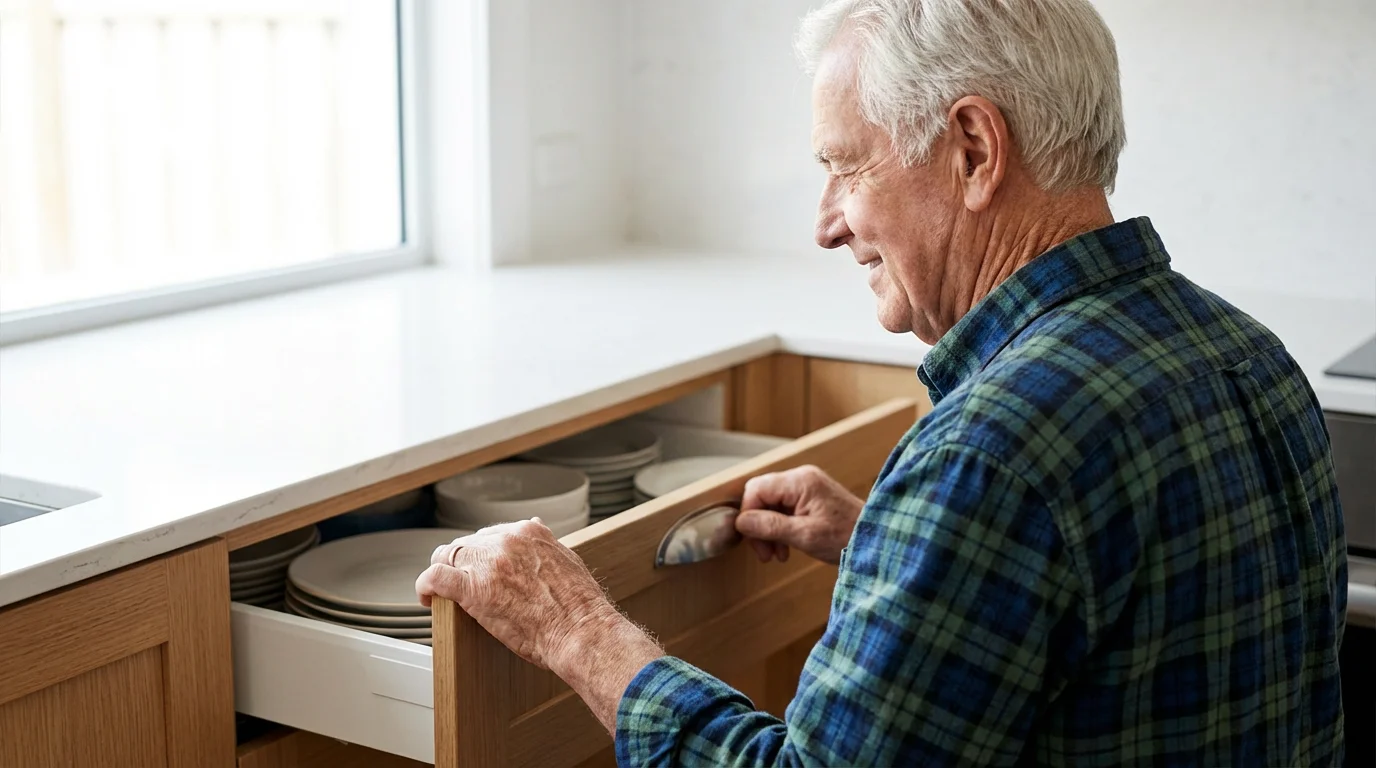
- Install pull-out shelves, drawers, and lazy susans in cabinets.
- Lower upper cabinets or install adjustable shelving to bring items within reach.
- Consider open shelving for frequently used items.
- Countertop Adjustments:
- Vary counter heights to accommodate sitting or standing tasks, especially if using a wheelchair.
- Ensure sufficient clear knee space under sinks and cooktops for seated access.
- Appliance Upgrades:
- Opt for wall ovens or ovens with side-opening doors to avoid bending.
- Choose refrigerators with French doors or bottom freezers for easier access.
- Select dishwashers and microwaves placed at an accessible height.
- Look for appliances with large, easy-to-read controls.
- Improved Lighting:
- Add task lighting under cabinets to illuminate work surfaces.
- Ensure general overhead lighting is bright and evenly distributed.
- Flooring: Install non-slip flooring that is comfortable to stand on, such as vinyl or cork. Avoid highly polished surfaces that can become slippery.
- Lever Handles: Replace traditional faucets with single-lever or touch-activated models, which are easier to operate.
These thoughtful kitchen modifications promote independence and enjoyment in a vital area of your home.
Bedroom and Living Area Updates for Comfort and Mobility
Bedrooms and living areas are spaces for rest, relaxation, and personal activities. Enhancing these rooms for comfort, safety, and accessibility ensures you can enjoy them fully as you age. Modifications here often focus on preventing falls, improving navigation, and making daily tasks less strenuous.
Upgrading your sleeping environment can also assist with coping with chronic pain by providing the necessary support and ease of movement.
Start by evaluating pathways and furniture arrangements. Clear clutter and create clear routes through each room. Think about how lighting impacts your ability to read, walk, and avoid obstacles. The goal is to create serene, functional spaces.
Consider these enhancements for bedrooms and living areas:
- Clear Pathways: Remove excess furniture, loose rugs, and electrical cords that can cause tripping. Maintain clear, wide paths for easy movement, especially if using a walker or wheelchair.
- Appropriate Furniture: Choose furniture that is easy to get in and out of, with firm cushions and sturdy armrests. Ensure beds are at a comfortable height for entry and exit.
- Lighting Improvements:
- Install brighter overhead lighting with accessible switches, perhaps near the bed and entryways.
- Add task lighting for reading or hobbies.
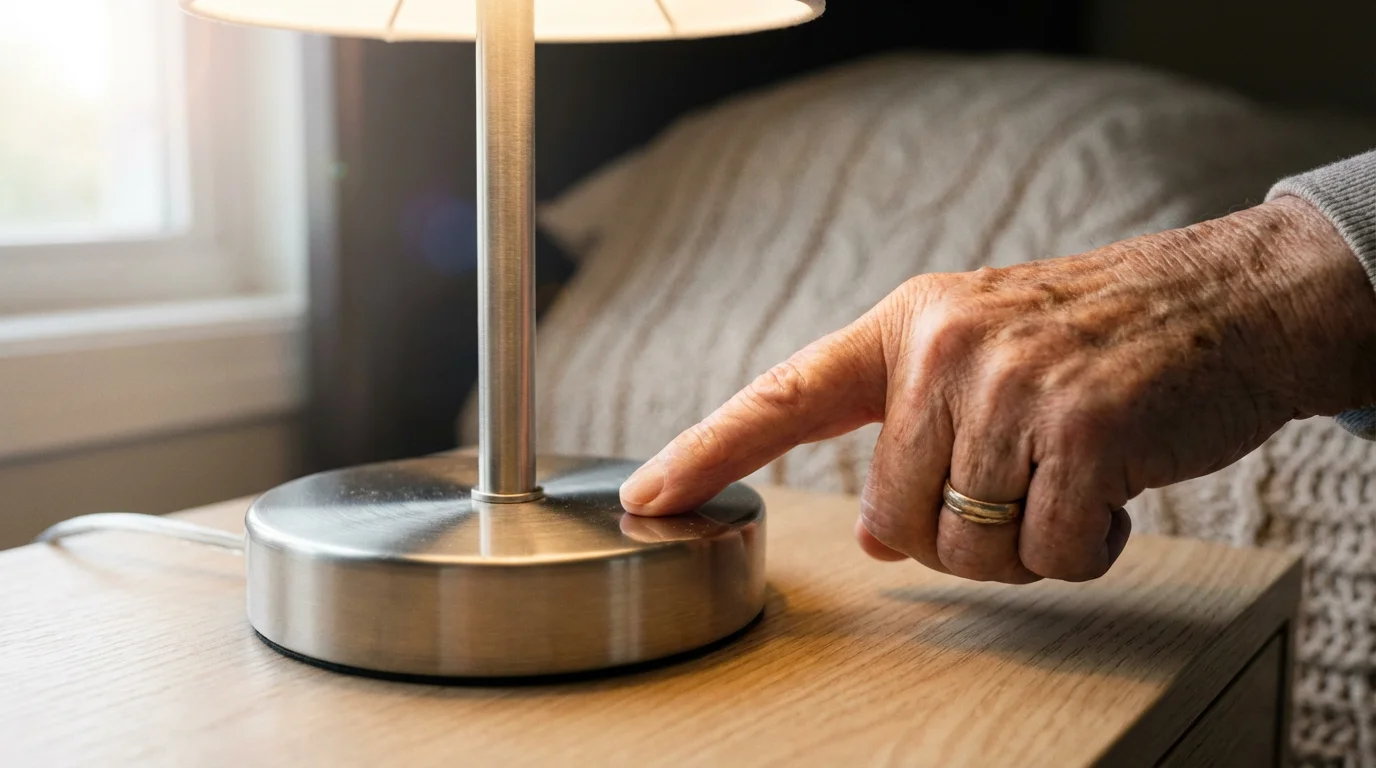
- Consider touch lamps or voice-activated lighting for convenience.
- Flooring: Secure area rugs with non-slip pads or remove them entirely. Opt for low-pile carpeting or smooth, even flooring surfaces that are easy to navigate.
- Temperature Control: Install smart thermostats or easily accessible manual thermostats. Maintaining a comfortable temperature contributes to overall well-being.
- Emergency Devices: Keep a phone, personal emergency response system, or communication device within easy reach of your bed and favorite chair.
These modifications create environments that support your comfort, safety, and continued enjoyment of your private spaces.

Outdoor Spaces, Entrances, and Emergency Preparedness
Your home’s exterior and entryways are just as important as the interior for aging in place. Safe access to and from your home, along with a plan for emergencies, are critical components of a comprehensive strategy. These outdoor modifications extend your independent living beyond the four walls of your house.
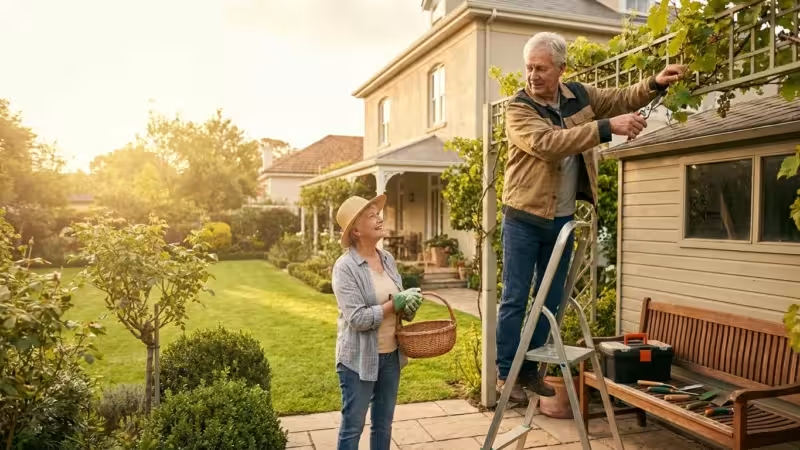
Maintaining your yard is easier when gardening for seniors is simplified with accessible paths and raised planting beds.
Assess your property for pathways, steps, and lighting. Consider how you would exit your home quickly in an emergency. Preparing your outdoor spaces and having an emergency plan in place provides peace of mind.
Crucial outdoor and emergency considerations:
- Ramps and Handrails:
- Install ramps with gentle slopes at all primary entrances if steps are present. Ensure ramps have sturdy, continuous handrails on both sides.
- Add or reinforce handrails on all exterior steps.
- Entryway Accessibility:
- Widen doorways if necessary to accommodate wheelchairs or walkers.
- Ensure door thresholds are low profile or gradually sloped to prevent tripping.
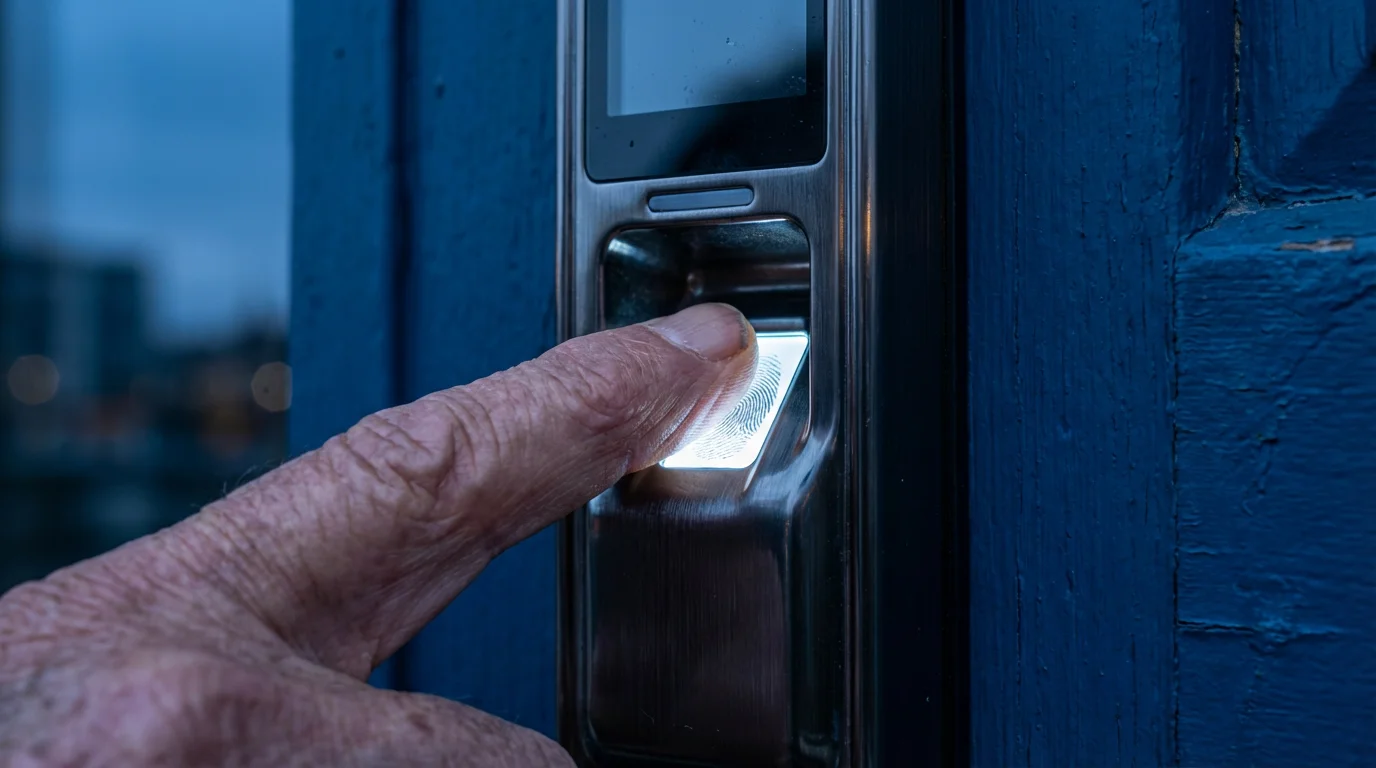
- Consider keyless entry systems for easier access.
- Outdoor Lighting: Install bright, motion-activated lighting at all entry points, along pathways, and in the driveway. Good lighting prevents falls in the dark.
- Clear Pathways: Keep sidewalks, driveways, and garden paths free of debris, cracks, and uneven surfaces. Trim overgrown bushes or trees that obstruct pathways.
- Emergency Preparedness Kit: Assemble a kit with essentials like food, water, medications, flashlights, and a radio. Store it in an easily accessible location.
- Fire Safety:
- Install smoke detectors and carbon monoxide detectors on every level of your home and outside sleeping areas. Test them monthly.
- Establish an escape plan and practice it with family members or caregivers.
- Emergency Contacts: Keep a list of emergency contacts, including family, doctors, and neighbors, in an easily visible location.
Creating a safe exterior and a robust emergency plan provides an added layer of security, enhancing your confidence in living independently.
Technology and Smart Home Solutions for Senior Living
Modern technology offers powerful tools to enhance safety, convenience, and connectivity for those aging in place. Smart home devices and various technological solutions can automate daily tasks, provide security, and offer prompt assistance when needed. Integrating these technologies can significantly improve your quality of life and provide reassurance to you and your family.
Explore options that simplify routines, monitor your environment, or connect you to support systems. Many smart home devices are user-friendly and can be customized to your specific needs. They can act as a silent helper, making daily living less burdensome.
Beneficial technology and smart home solutions include:
- Personal Emergency Response Systems (PERS): Wearable devices, often worn as a pendant or wristband, allow immediate contact with emergency services or caregivers with the press of a button. These systems, like those discussed by the NCOA, offer peace of mind.
- Smart Lighting: Install smart bulbs or switches that you can control with voice commands, a smartphone app, or a remote. Schedule lights to turn on and off automatically, or use motion sensors to illuminate pathways at night.
- Smart Thermostats: Control your home’s temperature from anywhere using a smartphone or voice commands. This ensures comfort and can help manage energy costs.
- Video Doorbells and Security Cameras: See and speak to visitors from your phone, even when you are not home. Indoor and outdoor cameras provide security monitoring.
- Automated Blinds/Shades: Control window coverings with a remote or schedule them to open and close, enhancing comfort and privacy.
- Medication Reminders: Use smart pill dispensers or apps that provide audible and visual reminders to take medications on schedule.
- Voice Assistants: Devices like Amazon Echo or Google Home can answer questions, play music, make calls, and even control other smart home devices with voice commands.
- Fall Detection Sensors: Some advanced systems can detect falls and automatically alert emergency contacts without requiring a button press.
Adopting these technologies thoughtfully can empower you to live more independently while staying connected and secure.
Understanding the Cost to Age in Place Comfortably
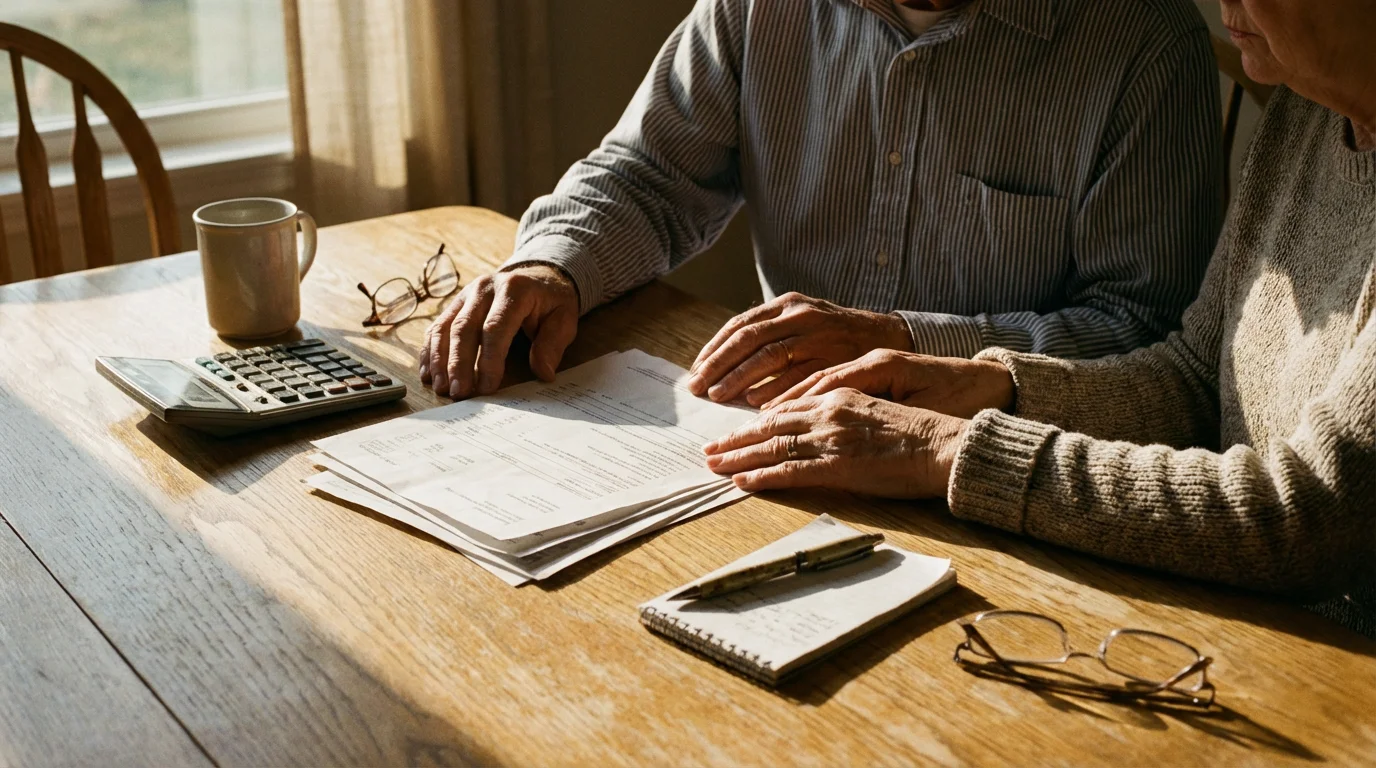
Planning for the financial aspects of aging in place is as crucial as the physical modifications. The cost to age in place comfortably varies significantly based on the extent of modifications, your location, and the professionals you hire. Understanding these potential expenses allows you to budget effectively and explore funding options.
Factor these renovation expenses into your long-term plan when creating a retirement budget to prevent financial strain.
While some modifications are inexpensive DIY projects, others, like bathroom remodels or installing ramps, can involve substantial costs. Research indicates that while long-term care facilities are expensive, investing in home modifications can be a more cost-effective solution over time, particularly when considering the high average cost of nursing home care, as noted by organizations like AARP.
Typical cost considerations for home modifications:
- Minor Modifications (Under $1,000):
- Installing grab bars: $100-$300 per bar, including installation.
- Adding motion-sensor lights: $50-$200 per fixture.
- Replacing doorknobs with lever handles: $30-$100 per handle.
- Applying anti-slip strips: $20-$50 per package.
- Moderate Modifications ($1,000 – $10,000):
- Building a simple ramp: $1,000-$4,000, depending on materials and length.
- Widening doorways: $500-$1,500 per doorway.
- Upgrading to comfort-height toilets: $300-$800 per unit, installed.
- Installing smart home devices (lighting, thermostat): $200-$1,000 for basic systems.
- Major Modifications ($10,000+):
- Bathroom remodel for a roll-in shower: $5,000-$20,000+.
- Kitchen remodel for accessibility: $10,000-$50,000+.
- Installing a stair lift: $2,000-$15,000, depending on stair configuration.
- Home elevators: $15,000-$50,000+.
These figures are estimates, and actual costs can vary. Obtain multiple quotes from qualified contractors to get precise pricing for your projects. Plan for both the immediate expenses and potential future needs, as your requirements may change.
Finding Professional Help and Funding Options
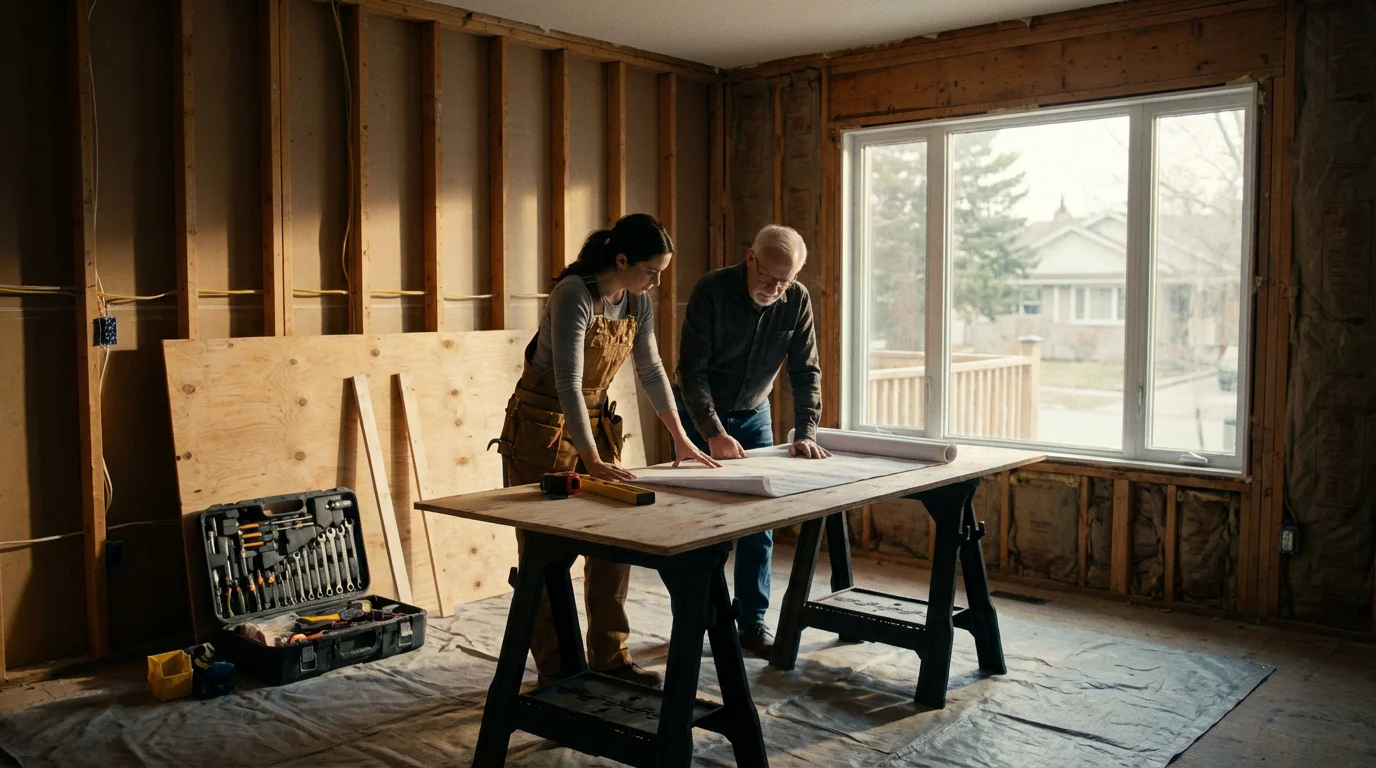
Undertaking significant home modifications often requires professional expertise. Locating qualified contractors and understanding potential funding sources can streamline the process and ensure modifications meet safety standards. Do not hesitate to seek guidance from specialists who understand the unique requirements of accessible design.
You may also want to investigate if your long-term care insurance policy includes a benefit for home health services or safety updates.
Several professionals can assist you, from initial assessment to project completion. Researching funding options can also significantly alleviate the financial burden. Many programs exist to help older adults make their homes safer and more accessible.
Ways to find professional help and funding:
- Certified Aging-in-Place Specialists (CAPS): These professionals, certified by the National Association of Home Builders, understand the challenges of aging and can design and build modifications to address them. You can find CAPS professionals through their directories.
- Occupational Therapists (OTs): An OT can assess your functional abilities and your home environment, recommending specific modifications tailored to your current and anticipated needs. They focus on maximizing your independence.
- General Contractors: For larger renovations, seek contractors with experience in accessible design. Always request references and review their previous work.
- Architects and Designers: For extensive remodels, an architect or designer specializing in universal design can create integrated, aesthetically pleasing solutions.
- Local Area Agencies on Aging: Your local Area Agency on Aging, accessible through the Eldercare Locator, can connect you with resources, services, and local programs that offer assistance with home modifications.
- State and Local Programs: Many states and municipalities offer grants, low-interest loans, or tax credits for home accessibility modifications. Research programs specific to your area.
- Veteran Benefits: If you are a veteran, the U.S. Department of Veterans Affairs offers various grants to help modify homes for accessibility.
- Medicaid Waivers: In some states, Medicaid waiver programs may cover certain home modifications as part of home and community-based services. Eligibility varies by state and income.
- Reverse Mortgages: Consider a reverse mortgage if you are 62 or older and have significant home equity. This allows you to convert home equity into cash for modifications while retaining ownership. Consult a financial advisor to understand the implications.
- Non-Profit Organizations: Some non-profits offer grants or volunteer assistance for minor home repairs and modifications for low-income seniors.
Always consult with a financial advisor or legal professional before making significant financial decisions related to funding home modifications. They can help you navigate complex options and ensure you make the best choices for your situation.
Frequently Asked Questions
What is the most important modification for aging in place?
While all modifications contribute to overall safety, bathroom modifications, particularly installing grab bars and ensuring a safe shower or tub entry, are often cited as the most critical. Falls in the bathroom are common and can lead to serious injuries. Addressing these risks first can have a profound impact on senior safety.
Can I make home modifications myself, or do I need a professional?
You can handle minor modifications, such as installing anti-slip strips or changing lightbulbs, yourself. However, for structural changes, electrical work, plumbing, or installing grab bars that require secure mounting into studs, hiring a professional is strongly recommended. Incorrect installation can create new hazards. Consider a Certified Aging-in-Place Specialist (CAPS) for comprehensive guidance.
How much does it typically cost to modify a home for aging in place?
The cost varies widely, from a few hundred dollars for minor adjustments to tens of thousands for extensive remodels. Simple modifications like grab bars may cost under $1,000, while a full accessible bathroom renovation can exceed $10,000. Plan your budget based on your specific needs and prioritize the most impactful changes first.
Are there financial assistance programs for home modifications?
Yes, numerous programs can help. These include federal programs for veterans, state and local grants or low-interest loans, Medicaid waivers in some states, and assistance from non-profit organizations. Reverse mortgages are another option for accessing home equity. Research local resources and consult with a financial advisor to explore what options best suit your circumstances.
What is a Certified Aging-in-Place Specialist (CAPS)?
A CAPS professional is a remodeler or builder trained by the National Association of Home Builders (NAHB) to understand the unique needs of older adults. They specialize in home modifications that enhance safety, comfort, and independence for people who want to age in place. They can assess your home, recommend solutions, and oversee projects to ensure they meet accessibility standards.
Disclaimer: This article is for informational purposes only and does not constitute financial, legal, tax, or medical advice. Retirement planning involves complex decisions that depend on your individual circumstances. We strongly encourage readers to consult with qualified professionals—including financial advisors, attorneys, tax professionals, and healthcare providers—before making significant retirement decisions.

Leave a Reply