
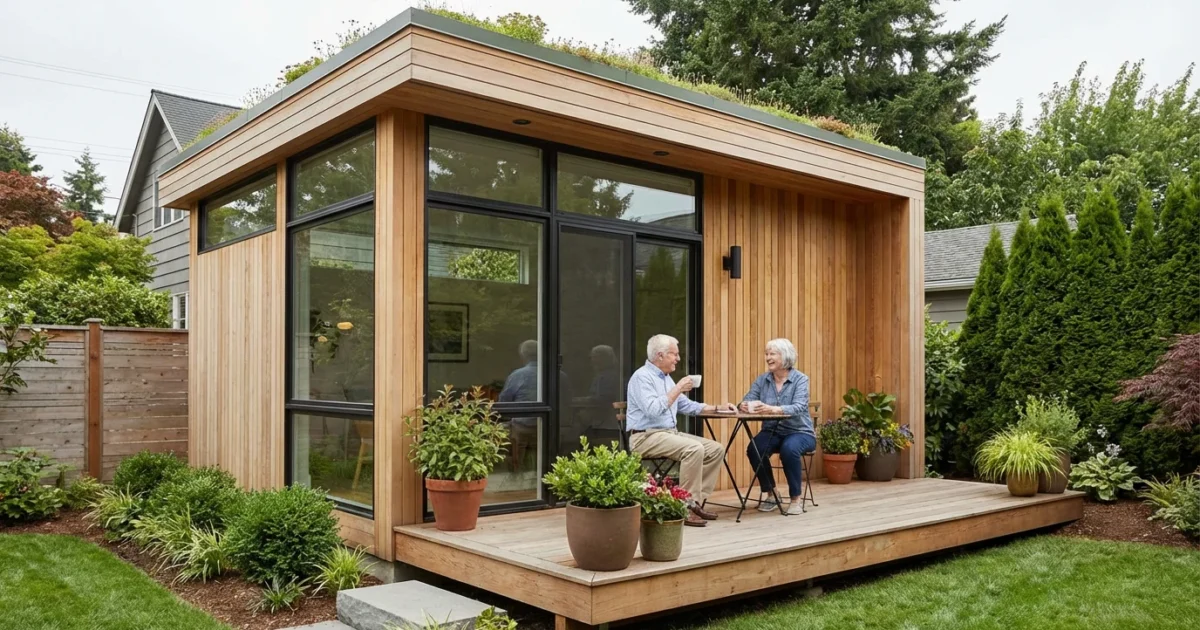
As you plan for or navigate retirement, housing decisions often become central to your future well-being and family connections. Many individuals approaching their golden years or already enjoying them seek flexible living arrangements. These arrangements support independence, facilitate family closeness, and provide practical solutions for evolving needs. One increasingly popular option gaining significant traction across the United States is the Accessory Dwelling Unit, commonly known as an ADU.
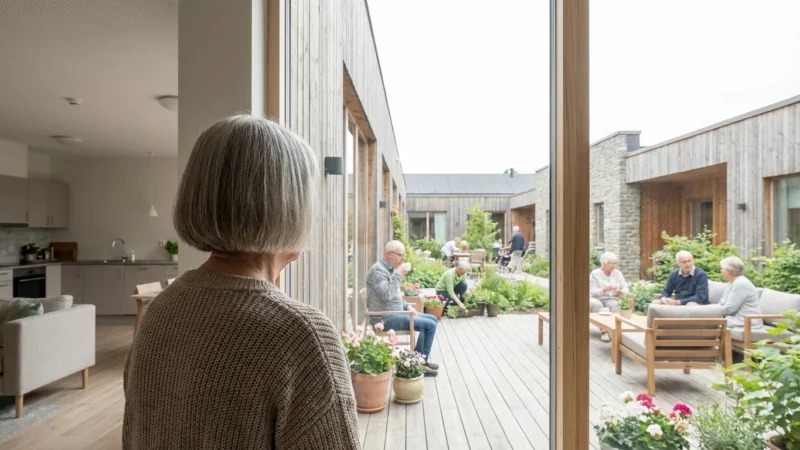
While ADUs offer a private solution, some retirees also consider co-housing for seniors as a way to foster community and shared resources.
An Accessory Dwelling Unit is a smaller, independent residential unit located on the same property as a single-family home. Often called an in-law suite, granny pod, or backyard cottage, an ADU offers a distinct living space with its own kitchen, bathroom, and sleeping area. For grandparents, these units present a unique opportunity to live close to family while maintaining personal space and autonomy. They can also provide a valuable asset for aging in place or generating supplemental income.
Understanding Accessory Dwelling Units
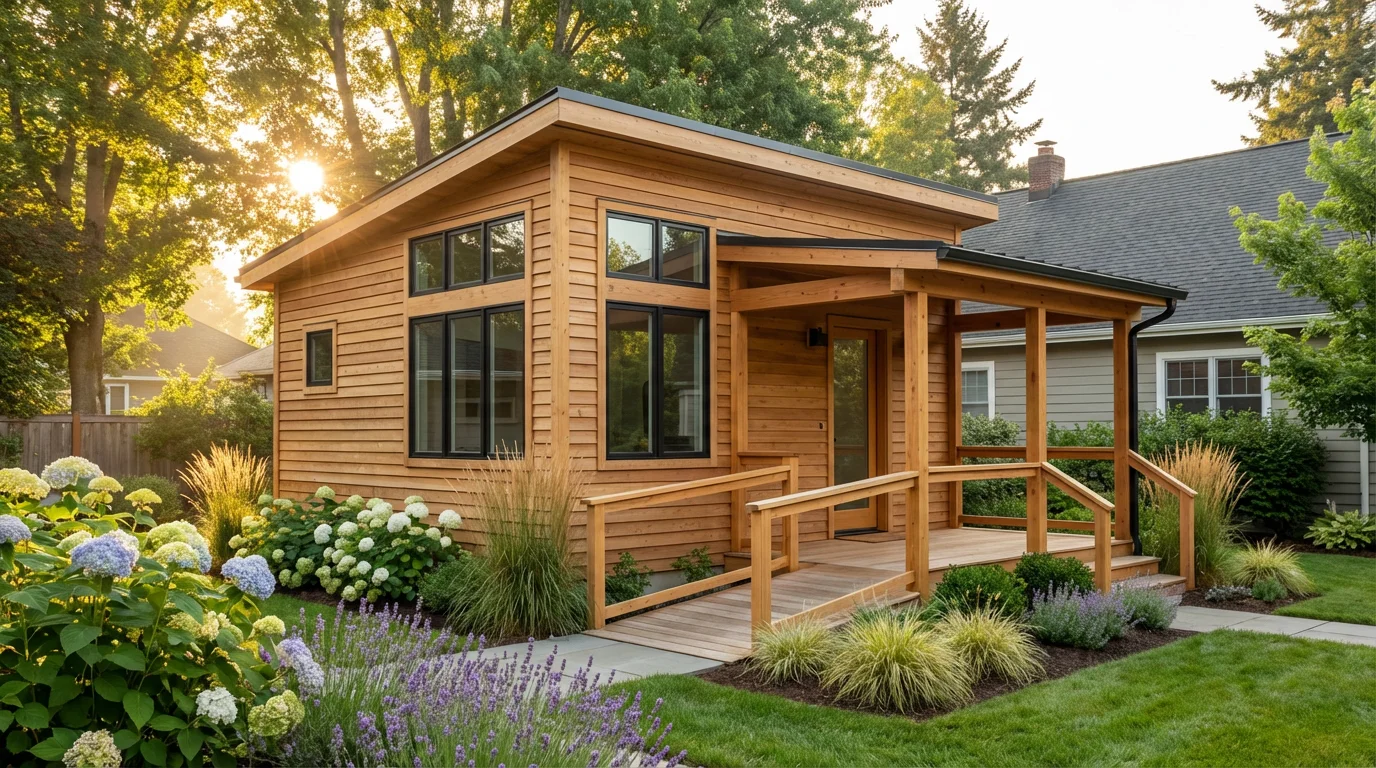
An Accessory Dwelling Unit functions as a complete, separate housing unit on a property that already contains a primary residence. This independence means residents have their own entrance, kitchen, and bathroom facilities. The ADU can be a crucial tool for families seeking flexible living solutions, especially for older adults. You can create a comfortable, private home environment separate from the main house.
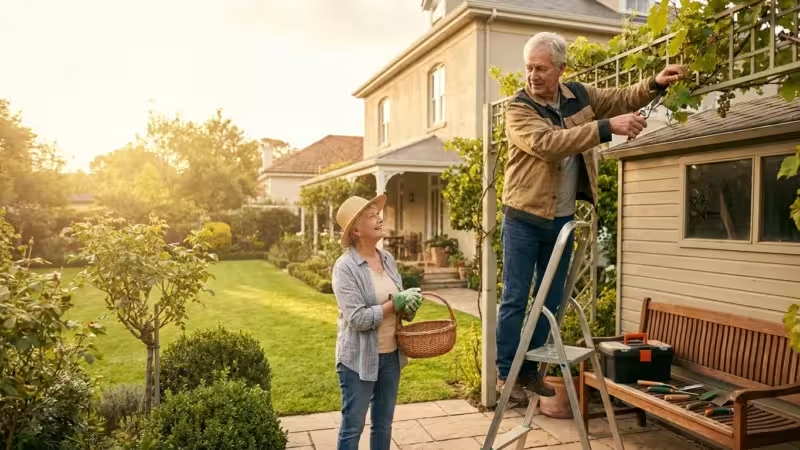
An ADU often opens up new possibilities for outdoor hobbies, such as gardening for seniors, which can be enjoyed in the shared backyard space.
The concept of an accessory dwelling is not new, but its widespread acceptance and regulatory support have grown significantly in recent years. Many communities now recognize ADUs as an effective strategy for increasing housing density, addressing affordability challenges, and promoting multi-generational living. This shift makes them a viable option for many families across the country.
Why ADUs Appeal to Grandparents in Retirement
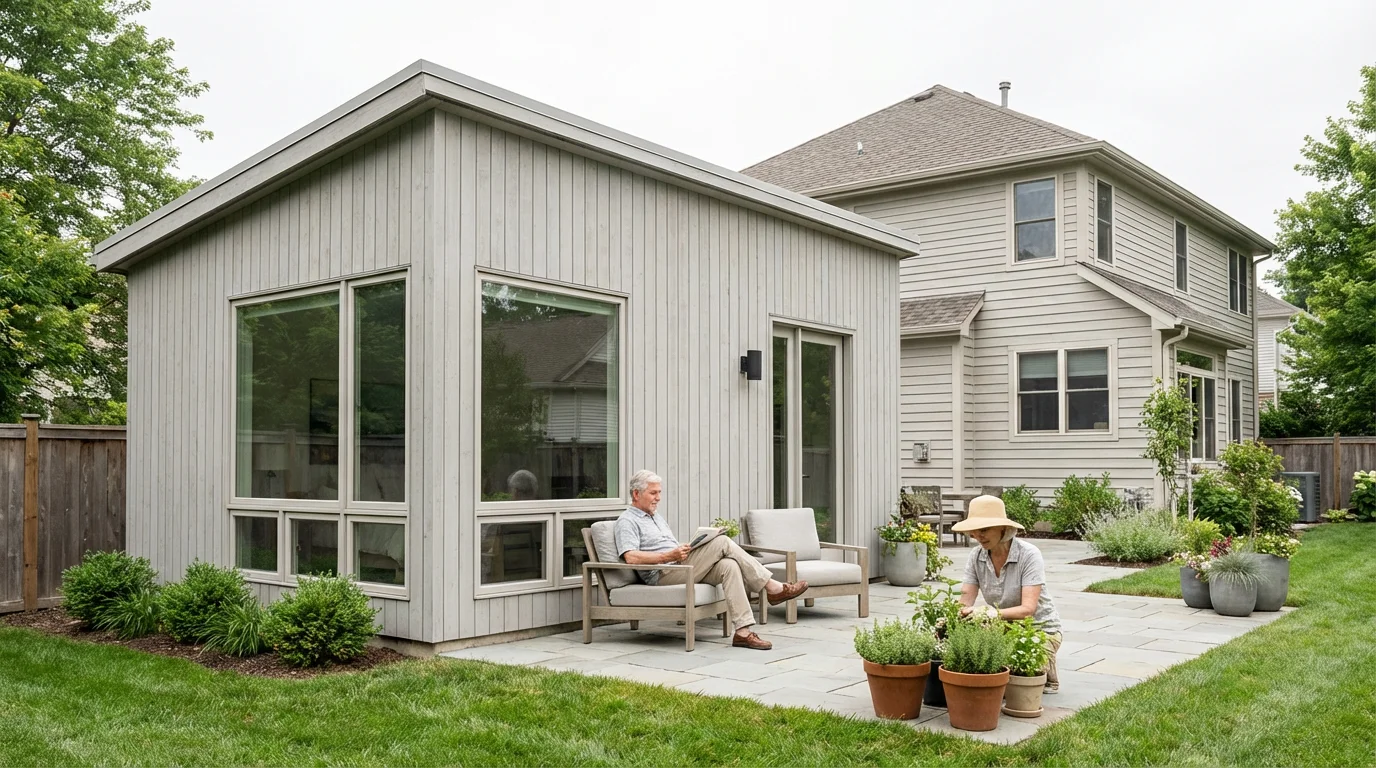
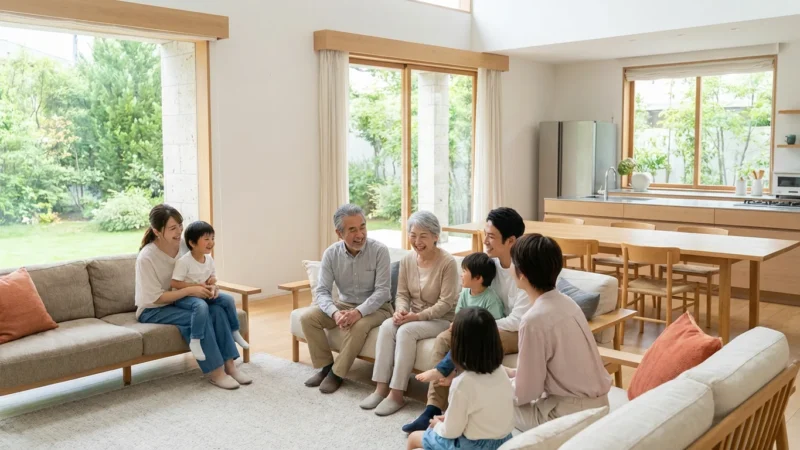
For many grandparents, an ADU offers a compelling solution that balances independence with proximity to family. It allows you to maintain your privacy and lifestyle while staying connected to your children and grandchildren. This arrangement proves particularly beneficial for various reasons.
For many, choosing this living arrangement is a key part of finding purpose in retirement by prioritizing family and meaningful connections.
- Enhanced Family Connection: Living on the same property fosters stronger bonds and provides opportunities for daily interaction. You can share meals, assist with childcare, and simply be present for family moments without sacrificing your own space.
- Aging in Place Support: An ADU specifically designed for accessibility can enable you to age in place comfortably and safely. Your family can provide informal support or caregiving as needed, which offers peace of mind for everyone involved. According to AARP, most older adults want to remain in their homes and communities as they age, and ADUs facilitate this desire.
- Potential for Caregiving: If you or your spouse eventually require assistance, having family nearby makes caregiving more manageable. The proximity reduces travel time and logistical complexities, allowing for more consistent and personal care.
- Cost-Effective Housing: Building an ADU can be more affordable than purchasing a separate, smaller home or moving into an assisted living facility. It provides a long-term housing solution that can adapt to changing financial circumstances.
- Increased Property Value: A well-designed and constructed accessory dwelling can significantly enhance your property’s overall value. It adds a versatile asset that appeals to future buyers, offering flexibility for extended family or rental income.
- Supplemental Income Opportunity: If family circumstances change, you can rent out the ADU to generate rental income. This income can supplement your retirement savings, cover property taxes, or fund other retirement aspirations.
Common Types of Accessory Dwelling Units
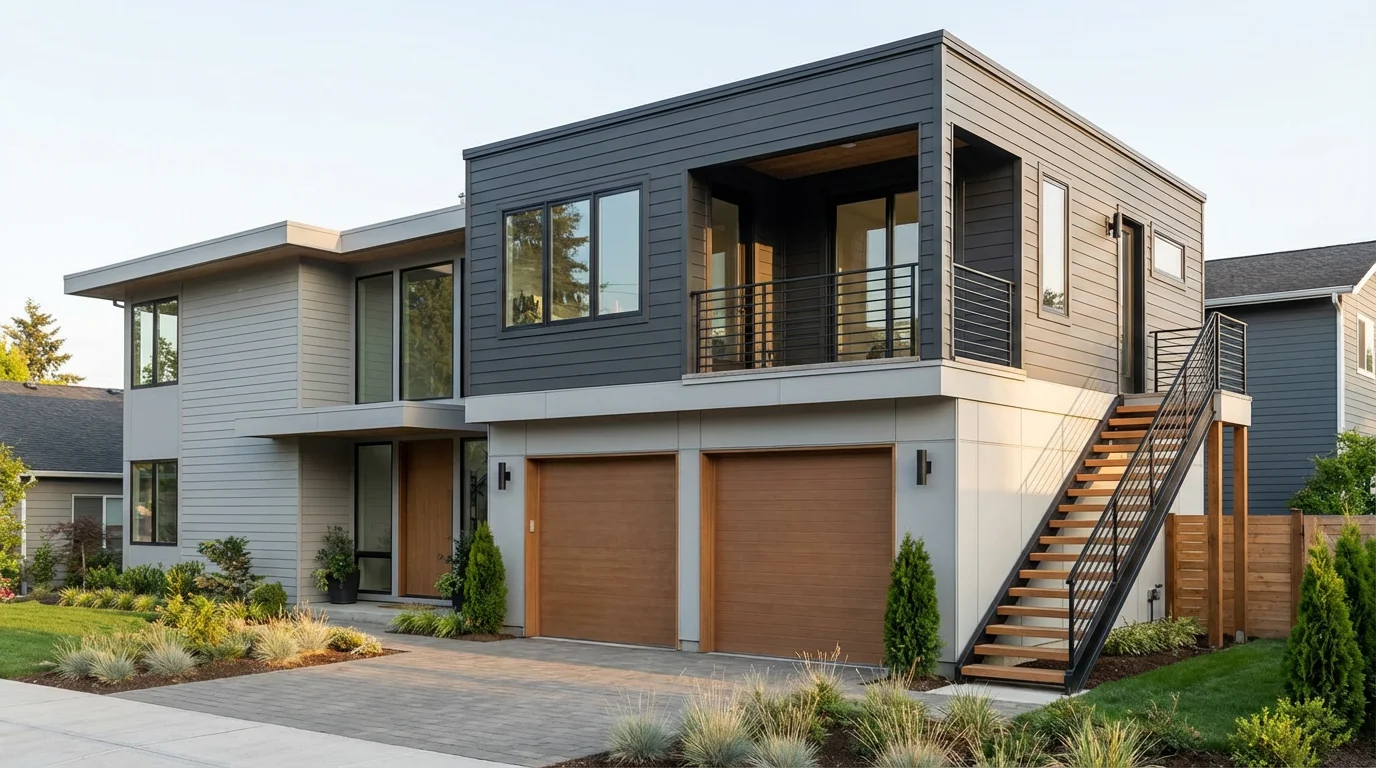
Accessory Dwelling Units come in various forms, offering flexibility to suit different property layouts and personal preferences. Understanding the common types helps you determine which option might best fit your family’s needs and your property’s characteristics.
If building a new unit isn’t feasible, you might explore home sharing for seniors as a way to utilize your current space more effectively.
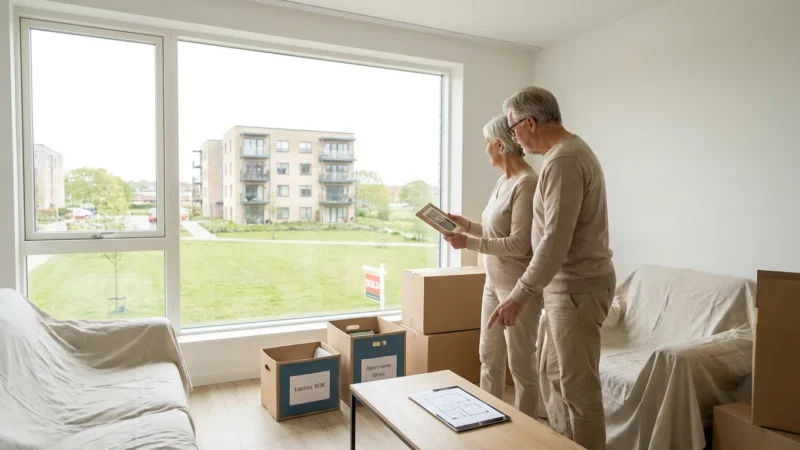
Choosing between these types is often the first step in rightsizing your home for retirement to better fit your evolving lifestyle.
Here are the primary types of ADUs:
- Detached ADU (D-ADU): This is a standalone structure separate from the primary home. Often referred to as a “granny pod” or “backyard cottage,” it provides the highest degree of privacy. Detached units can be built new, or you might convert an existing garage or shed.
- Attached ADU: An attached ADU shares one or more walls with the primary residence. It typically has its own separate entrance. This option might involve converting a portion of the main house, such as a basement or an addition, into an independent living space.
- Garage Conversion ADU: Many homeowners convert an existing attached or detached garage into a living unit. This approach often saves on construction costs because the foundation and framing are already in place. This type of accessory dwelling is popular for its efficiency.
- Basement Conversion ADU: If your home has an unfinished or underutilized basement, you can transform it into an ADU. This option often requires extensive renovation to meet building codes for egress, light, and ventilation.
- Junior ADU (JADU): A JADU is a smaller ADU, typically limited to 500 square feet, created within the existing footprint of a single-family home. It must share a bathroom with the main house or include a kitchenette, offering a more compact and often less costly alternative.
Financial Considerations for Your ADU
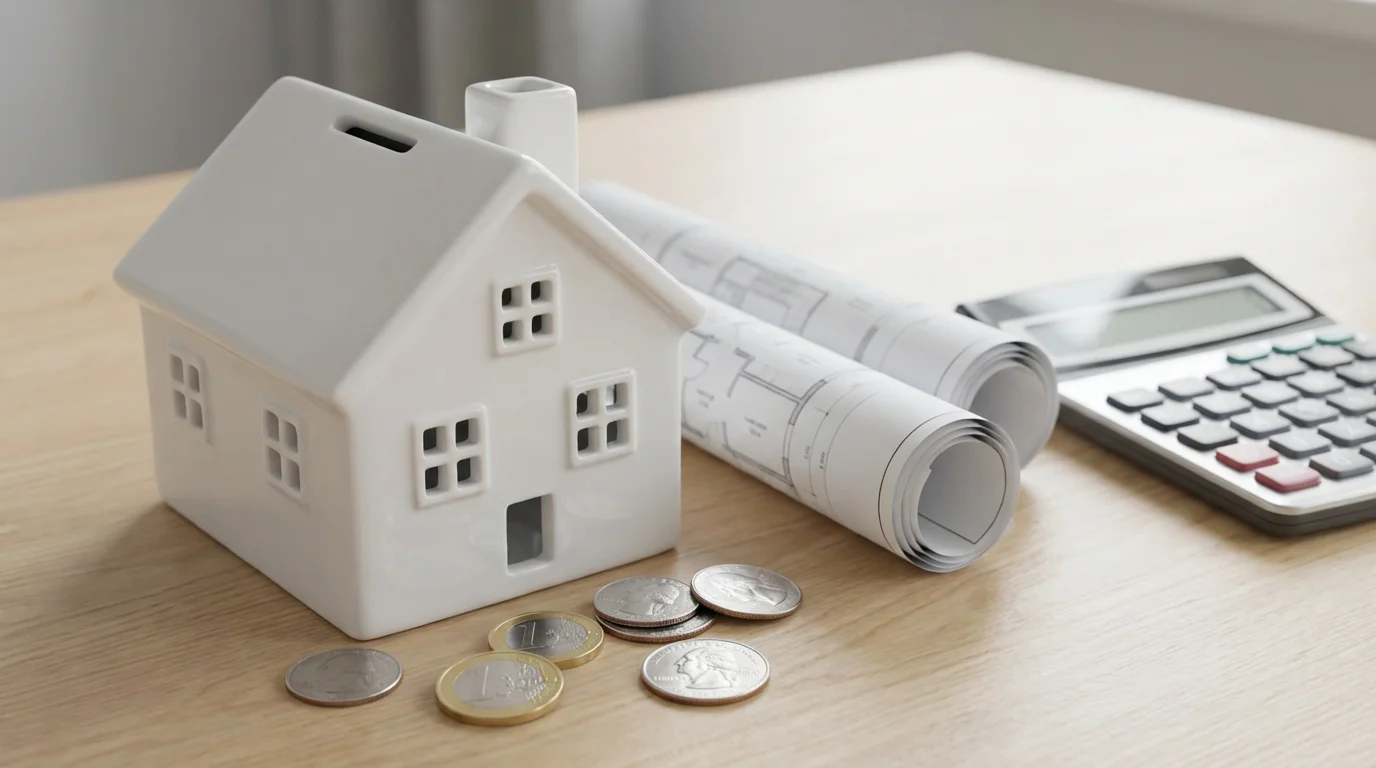
Building an accessory dwelling unit represents a significant financial investment, but it also offers potential long-term savings and revenue. You must carefully evaluate the costs involved and explore financing options. A comprehensive financial plan ensures the project remains feasible and beneficial for your retirement.
It is also wise to consult an expert regarding estate planning essentials to determine how this new asset will be handled in the future.
Typical costs for building an ADU can range widely, generally falling between $100,000 and $300,000, depending on factors such as size, location, materials, and labor. Conversion projects often cost less than new construction. It is crucial to obtain detailed quotes from multiple contractors and account for unexpected expenses.
Consider these financial aspects:
- Construction Costs: This includes materials, labor, permits, and architectural plans. Get detailed estimates for each phase of the project to avoid surprises.
- Permit and Impact Fees: Local governments often charge fees for permits, inspections, and utility connections. These costs can be substantial depending on your municipality.
- Property Taxes: Adding an ADU increases your property’s assessed value, which typically leads to higher property taxes. Understand how this will affect your annual budget.
- Financing Options:
- Home Equity Loan or Line of Credit (HELOC): You can leverage the equity in your existing home to fund the ADU construction.
- Construction Loan: Specific loans designed for building projects release funds in stages as construction progresses.
- Cash-Out Refinance: This allows you to refinance your primary mortgage for a larger amount and receive the difference in cash.
- Personal Savings: Using personal savings can eliminate interest payments, but you must ensure you retain an adequate emergency fund.
- Rental Income Potential: If the ADU serves as a rental property, estimate potential monthly income. This revenue can offset construction costs and provide a steady stream of funds.
Always consult with a qualified financial advisor to discuss the best financing strategy for your situation. They can help you understand the long-term financial implications and integrate the ADU into your overall retirement plan.
Navigating Zoning and Permits for Your ADU
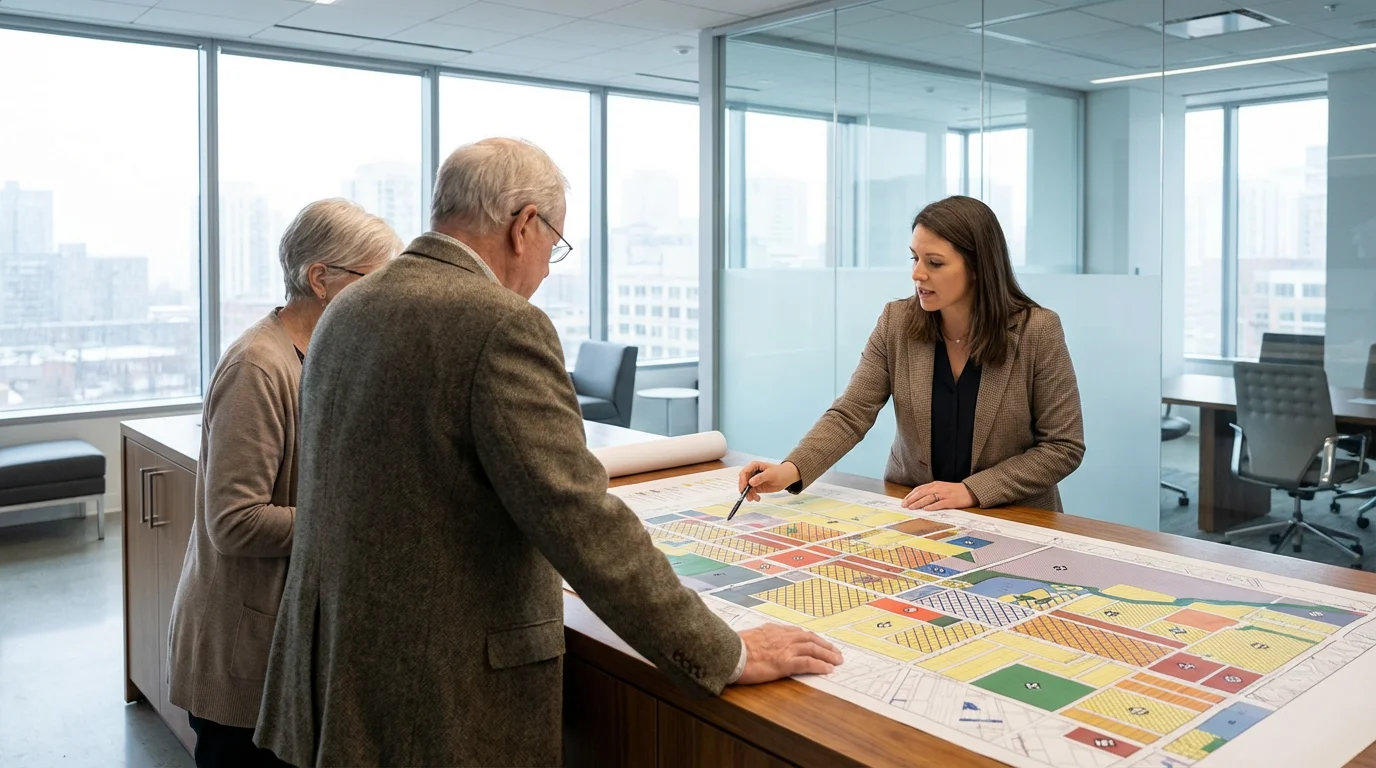
Before you begin any construction, understanding the local regulations for an accessory dwelling unit is paramount. Zoning laws and permit requirements vary significantly from one city and county to another. What are the ADU requirements in my city? This question is one of the first you need to answer.
Managing a larger property requires careful planning, so be sure to stay on top of home maintenance in retirement to preserve the value of both dwellings.
Many jurisdictions have streamlined the ADU approval process, but it still involves multiple steps. You must visit your local planning department or city hall to learn the specific rules that apply to your property. Researching these regulations early can prevent costly delays and ensure compliance.
Key regulatory aspects to investigate include:
- Zoning Restrictions: Confirm if ADUs are permitted in your specific residential zone. Some areas may have minimum lot size requirements or restrictions on the number of units allowed per property.
- Size and Height Limits: Most municipalities impose limits on the maximum square footage and height of an ADU. These rules aim to ensure the ADU remains secondary to the main dwelling.
- Setback Requirements: Understand the minimum distance your ADU must be from property lines, other structures, and sometimes even trees.
- Parking Requirements: Some areas require dedicated parking spaces for an ADU. However, many progressive municipalities are relaxing these requirements, especially for properties near public transit.
- Owner-Occupancy Requirements: Certain regulations may require the owner of the property to live in either the primary dwelling or the ADU. This ensures the unit is used for its intended purpose.
- Utility Hookups: Determine if your ADU needs separate utility meters or if it can share existing connections. This impacts both cost and the permit process.
- Building Codes: Your ADU must comply with all local, state, and national building codes related to safety, structural integrity, and habitability. This includes fire safety, ventilation, and earthquake standards in relevant regions.
Working with an experienced architect or contractor who understands local ADU regulations can simplify this complex process. They can help you navigate permits and ensure your project meets all legal requirements. Ignoring these regulations can lead to fines, demolition orders, or difficulty selling your property in the future.

Designing Your ADU for Accessibility and Comfort
When designing an accessory dwelling for grandparents, focusing on accessibility and future needs is essential. A thoughtfully designed space can support independent living for many years, even as mobility or other health conditions evolve. Prioritize features that enhance safety, comfort, and ease of use.
When planning the exterior, consider that gardening for seniors can be easily integrated into a backyard ADU design with raised beds and accessible paths.
Here are critical design considerations for an ADU intended for seniors:
- Single-Level Living: Avoid stairs whenever possible. A single-story layout removes a significant barrier to mobility and reduces fall risks.
- Wider Doorways and Hallways: Ensure all doorways are at least 36 inches wide and hallways are at least 42 inches wide. This accommodates wheelchairs, walkers, and assistance devices comfortably.
- Bathroom Accessibility: Install a curbless shower with grab bars and a bench. Place the toilet at a comfortable height, and consider reinforcing walls for future grab bar installation around the toilet and shower.
- Kitchen Design: Opt for accessible counter heights, pull-out shelves in cabinets, and single-lever faucets. Ensure clear pathways for movement.
- Lighting: Incorporate ample, even lighting throughout the unit. Use natural light where possible and install task lighting in kitchens and bathrooms. Consider motion-sensor lights for pathways.
- Flooring: Choose non-slip flooring materials, such as low-pile carpet or matte-finish tile. Avoid rugs that can pose a tripping hazard.
- Emergency Features: Integrate an emergency call system or smart home technology that allows for easy communication with the main house or emergency services.
- Outdoor Access: Design an accessible path from the ADU to the main house and any outdoor living spaces, ensuring it is level and free of obstacles.
A certified aging-in-place specialist (CAPS) or an architect with experience in universal design can provide invaluable expertise. They can help create an ADU that meets your current needs and anticipates future requirements. Thoughtful design ensures your new living space remains functional and comfortable for decades.
“The question isn’t at what age I want to retire, it’s at what income.” — George Foreman
Addressing Potential Challenges with ADUs
While an accessory dwelling unit offers numerous benefits, it also presents potential challenges you should consider and proactively address. Being aware of these aspects helps you prepare and make informed decisions.
Common challenges include:
- Upfront Costs: The initial investment for construction or renovation can be substantial. Thorough financial planning and realistic budgeting are essential to avoid overspending or financial strain.
- Regulatory Hurdles: Navigating local zoning and permitting processes can be complex and time-consuming. Working with professionals who understand these regulations is crucial.
- Impact on Privacy: While ADUs offer independence, living on the same property as family members can sometimes lead to privacy concerns. Clear communication about boundaries and expectations helps manage this.
- Family Dynamics: Moving close to family can alter existing dynamics. Open discussions about shared responsibilities, expectations for interaction, and personal space are vital for a harmonious arrangement.
- Construction Disruptions: Building an ADU can involve months of noise, dust, and inconvenience on your property. Plan for these disruptions and consider temporary arrangements if necessary.
- Resale Value Perception: While an ADU generally adds value, some potential buyers might not want a secondary unit. Research local market trends and consult with real estate professionals.
Open and honest communication with all family members involved is the cornerstone of a successful ADU project. Discuss expectations regarding privacy, shared resources, caregiving roles, and financial contributions before construction begins. Professional mediation or family counseling might be helpful if complex family dynamics arise. Consulting with real estate professionals can also provide insights into how an ADU might impact your property’s marketability in your specific area.
Frequently Asked Questions
What is the typical cost to build an Accessory Dwelling Unit?
The cost to build an ADU varies widely based on size, type, location, and finishes. Generally, you can expect to pay anywhere from $100,000 to $300,000 for a new detached ADU. Garage conversions or smaller attached units often fall on the lower end of this range. It is crucial to obtain detailed estimates from multiple contractors and budget for potential overruns.
How does an ADU affect my property taxes?
Adding an accessory dwelling unit typically increases your property’s assessed value, which can lead to higher property taxes. The exact increase depends on your local tax assessment methods and the value added by the ADU. Contact your local tax assessor’s office for specific information regarding property tax implications in your area before starting construction.
Can I rent out my ADU for income?
Yes, in many jurisdictions, you can rent out your ADU to generate supplemental income. This can be a significant benefit for retirement planning. However, local zoning laws often dictate whether short-term rentals (like Airbnb) or only long-term rentals are permitted. Always check your city’s regulations and any homeowner association rules before planning to rent out your unit.
What are the benefits of an ADU for aging in place?
An ADU designed for accessibility allows seniors to age in place comfortably and safely, maintaining independence while living close to family for support. Features like single-level living, wider doorways, curbless showers, and grab bars significantly reduce fall risks and enhance daily living. It provides a familiar, private home environment with the added security of nearby family assistance.
Do I need a professional to help with ADU planning and construction?
Yes, working with professionals is highly recommended for an ADU project. An architect or designer can help create a functional and aesthetically pleasing plan that meets your needs and local codes. A qualified general contractor ensures proper construction and manages the project efficiently. Additionally, consult a financial advisor for budgeting and financing, and a real estate agent for market insights. Legal counsel can help with property deeds, rental agreements, or family living agreements.
Disclaimer: This article is for informational purposes only and does not constitute financial, legal, tax, or medical advice. Retirement planning involves complex decisions that depend on your individual circumstances. We strongly encourage readers to consult with qualified professionals—including financial advisors, attorneys, tax professionals, and healthcare providers—before making significant retirement decisions.

Leave a Reply