

Navigating Medicare can feel like deciphering a complex puzzle, especially when it comes to services like vision, dental, and hearing. Many people assume Original Medicare covers these essential health needs, only to discover significant gaps. Understanding what Medicare does and does not cover is crucial for planning your healthcare and avoiding unexpected costs in retirement.
This article clarifies the intricacies of Medicare coverage for these specific services. We provide practical insights into your options, helping you make informed decisions about your health and finances as you approach or live in retirement. You deserve a clear understanding of your benefits.

Understanding Original Medicare: Parts A and B
Original Medicare, comprised of Part A (Hospital Insurance) and Part B (Medical Insurance), forms the foundation of healthcare coverage for millions of Americans aged 65 or older, and some younger people with disabilities. Part A helps cover inpatient hospital stays, skilled nursing facility care, hospice care, and some home health care. Part B covers certain doctors’ services, outpatient care, medical supplies, and preventive services.
Before you transition, it is wise to prepare specific questions for your doctor to ensure all your potential health needs are documented.
While Original Medicare provides robust coverage for many medical necessities, it has specific limitations. Importantly, it does not generally cover routine vision, dental, or hearing care. This often surprises beneficiaries who expect comprehensive coverage for these common health needs.
Many individuals find themselves asking, “Does Medicare cover hearing and vision?” The general answer for Original Medicare is no, unless a service is directly related to a serious medical condition. This distinction is critical for your retirement planning. You need to explore other options to ensure you receive care for these vital areas of health.
Medicare Coverage for Vision Services
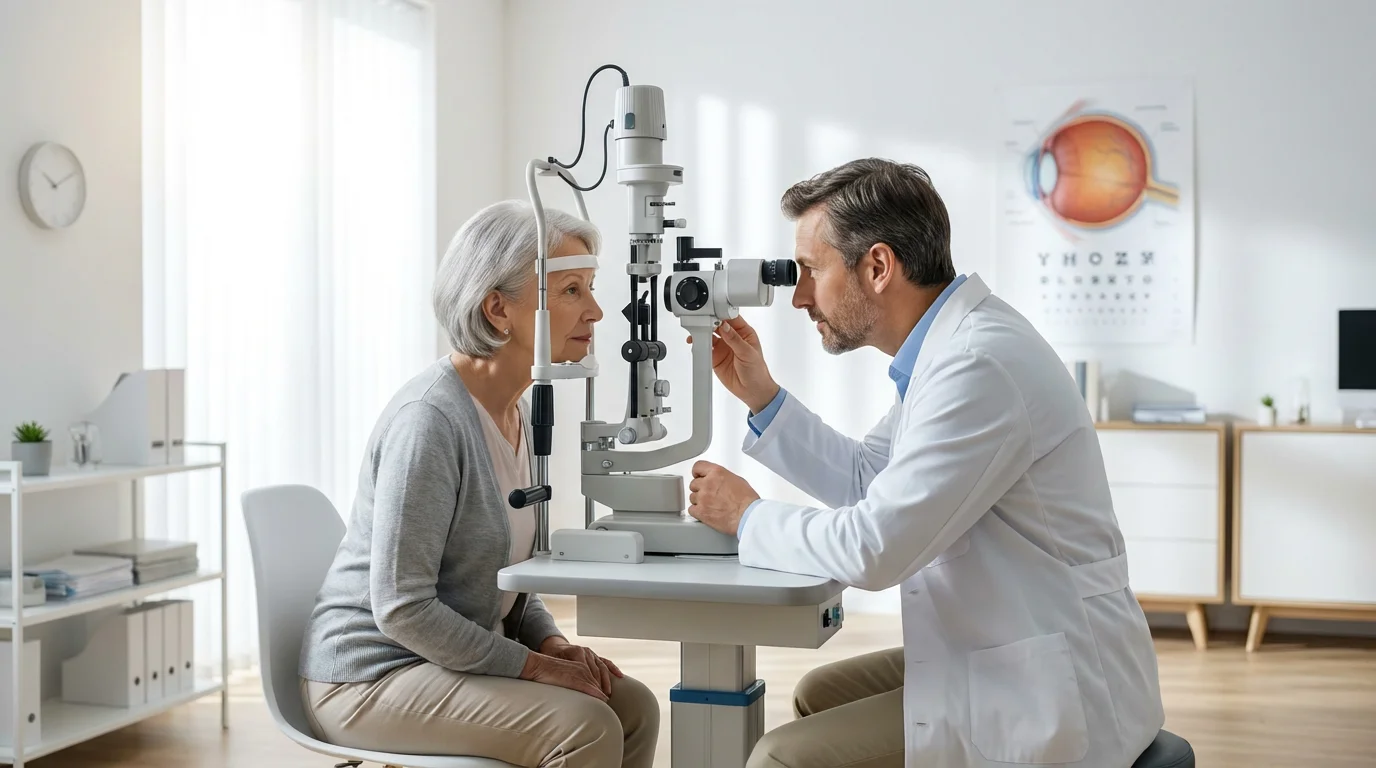
When it comes to your eyesight, Original Medicare’s coverage is quite specific and limited. It primarily focuses on medically necessary care rather than routine eye health. Understanding these distinctions helps you plan for your vision needs.
To manage these expenses, many retirees utilize a Health Savings Account (HSA) to pay for specialized equipment like hearing aids with tax-advantaged funds.
What Original Medicare Covers
Part B covers diagnostic and treatment services for eye diseases and conditions. This includes glaucoma screenings, particularly for individuals at high risk, which Medicare covers once every 12 months. It also covers medical eye conditions such as cataracts and age-related macular degeneration (AMD).
For example, if you require cataract surgery, Part B covers the surgical procedure, including the intraocular lens implant, and related doctor visits. It also covers tests and treatments for diabetic retinopathy if you have diabetes. Medicare also pays for a prosthetic eye when needed due to an accident or congenital defect.
What Original Medicare Does Not Cover
Original Medicare does not cover routine eye exams. This means your annual check-up to determine your eyeglass prescription falls outside its scope. It also does not cover eyeglasses or contact lenses. If you need corrective lenses for daily vision, you will pay for these costs out-of-pocket.
The only exception for eyeglasses is if you have cataract surgery where an intraocular lens implant is not used. In this rare case, Part B helps pay for one pair of corrective lenses after the surgery. For most people, however, routine vision care requires supplemental coverage.
“The best way to predict the future is to create it.” — Peter Drucker

Medicare Coverage for Dental Services
Dental health is integral to overall well-being, yet it remains one of the largest gaps in Original Medicare coverage. Many people struggle with the question, “Does Medicare cover dental?” The answer for most routine care is generally no.
What Original Medicare Covers
Original Medicare Part A and Part B cover very limited dental services. These services must be medically necessary to treat a covered medical condition, not for the health of your teeth themselves. For example, Medicare Part A covers certain dental services if you are an inpatient in a hospital and require these services as part of a covered medical procedure. This could include an oral exam necessary before a kidney transplant or heart valve replacement surgery.
Part B may cover dental services related to certain complex medical conditions, such as jaw surgery required due to a severe accident or disease. However, it will not cover the removal of impacted wisdom teeth as a routine dental procedure. The focus remains on services directly linked to other covered medical treatments.
What Original Medicare Does Not Cover
Original Medicare does not cover most routine dental care. This includes regular cleanings, dental exams, fillings, crowns, dentures, bridges, or tooth extractions for common dental problems. These are considered preventive and maintenance services, which fall outside the scope of Original Medicare benefits.
The financial burden of dental care can be significant for retirees without supplemental coverage. Data from the Kaiser Family Foundation indicates that a substantial portion of Medicare beneficiaries do not have dental coverage, leading to delayed or forgone care. Understanding these limitations empowers you to seek alternative solutions proactively.

Medicare Coverage for Hearing Services
Hearing loss affects millions of older adults, significantly impacting their quality of life and communication. Unfortunately, Original Medicare offers minimal support for the most common hearing needs. Many beneficiaries ask, “Does Medicare cover hearing and vision?” While vision has limited medical coverage, hearing aid coverage is almost non-existent under Original Medicare.
What Original Medicare Covers
Original Medicare Part B covers diagnostic hearing and balance exams only when a doctor orders them. This typically occurs if your doctor suspects a medical problem that requires investigation, such as an ear infection, vertigo, or a sudden change in hearing. These diagnostic tests help pinpoint medical conditions affecting your ear or balance. However, the coverage for these tests is generally limited to the diagnosis of a medical problem, not for the purpose of getting a hearing aid.
What Original Medicare Does Not Cover
Original Medicare does not cover routine hearing exams. This means if you simply want your hearing checked as a preventive measure or because you suspect age-related hearing loss, you will pay for that exam yourself. Crucially, Original Medicare does not cover hearing aids or their fitting. Hearing aids are often expensive, and these costs become a significant out-of-pocket expense for many retirees.
The cost of hearing aids can range from hundreds to several thousands of dollars per device. This financial barrier often prevents individuals from getting the hearing assistance they need. Consequently, many seniors must explore supplemental insurance or other programs to manage these costs effectively.

Medicare Advantage (Part C): Filling the Gaps
Given the limitations of Original Medicare for vision, dental, and hearing, many beneficiaries turn to Medicare Advantage plans, also known as Part C. These plans are offered by private insurance companies approved by Medicare. They provide all the benefits of Original Medicare and often include additional supplemental benefits.
Remember that if a private plan denies a specific service you feel is medically necessary, you have the right to appeal a Medicare decision.
How Medicare Advantage Plans Work
Medicare Advantage plans contract with Medicare to provide your Part A and Part B benefits. Many plans also bundle in coverage for vision, dental, and hearing services. This integrated approach simplifies your healthcare coverage by offering multiple benefits under one plan. You generally pay your Part B premium, plus any premium the Medicare Advantage plan charges.
When selecting a Medicare Advantage plan, you need to review its specific benefits package. Plans vary widely in what they cover and the associated costs. You might find plans offering annual routine eye exams, a fixed allowance for eyeglasses or contact lenses, and coverage for specific dental procedures like cleanings, X-rays, and fillings. Some plans also offer allowances for hearing aids and routine hearing exams.
Key Considerations for Part C Plans
While Medicare Advantage plans offer attractive supplemental benefits, you must understand their structure. Most plans operate within a network of providers. This means you may need to choose doctors, dentists, and specialists who are part of the plan’s network. Going out of network could result in higher costs or no coverage at all.
You also need to compare deductibles, copayments, and annual out-of-pocket limits. Some plans may offer more generous benefits for vision, dental, and hearing but come with higher premiums or cost-sharing. Conversely, plans with lower premiums might have more restrictive benefits or higher out-of-pocket costs for these services. Always read the plan’s Evidence of Coverage (EOC) document to understand the full scope of benefits and limitations. You can use the official Medicare website to compare plans available in your area by visiting Medicare.gov.

Other Options for Supplemental Coverage
If a Medicare Advantage plan does not suit your needs, or if you prefer to stay with Original Medicare, several other avenues exist for covering vision, dental, and hearing services. These options can provide valuable assistance in managing these essential healthcare costs.
Failing to account for these out-of-pocket healthcare gaps is one of the common retirement planning mistakes that can derail a fixed income.
Standalone Vision, Dental, and Hearing Plans
You can purchase separate insurance policies specifically for vision, dental, or hearing care. These plans vary widely in terms of premiums, deductibles, coverage limits, and provider networks. A standalone dental insurance plan, for example, might cover preventive care like cleanings and X-rays at 100%, basic procedures like fillings at 80%, and major procedures like crowns at 50% after a waiting period. Researching multiple providers ensures you find a plan that aligns with your specific needs and budget.
Discount Plans
Discount plans are not insurance but offer members reduced prices on services from a network of participating providers. You pay an annual membership fee and then receive a specified discount on vision, dental, or hearing services. For instance, a dental discount plan might offer 15-50% off services from participating dentists. These plans can be a cost-effective alternative for those who need basic services and want to save money, without the complexities of insurance. Always check the network to ensure your preferred providers participate.
Veterans Benefits
If you are a veteran, you may qualify for dental and vision benefits through the U.S. Department of Veterans Affairs (VA). VA dental benefits are typically limited to certain categories of veterans, such as those with service-connected disabilities that affect their dental health. Vision care and hearing aids are often provided to veterans who meet specific eligibility criteria, usually related to service-connected conditions or income levels. You can learn more about eligibility and services by visiting the USA.gov benefits portal or directly contacting the VA.
Medicaid and State Programs
Medicaid, a joint federal and state program, provides health coverage to low-income individuals and families. In some states, Medicaid programs may offer dental, vision, and hearing benefits beyond what Original Medicare covers. Eligibility and the scope of benefits vary significantly by state. Contact your state’s Medicaid office to determine if you qualify and what services are available to you. Additionally, some states operate specific programs or provide financial assistance for seniors needing help with hearing aids or other related costs.
Health Savings Accounts (HSAs)
If you are enrolled in a high-deductible health plan (HDHP) and have an HSA, you can use these tax-advantaged funds to pay for qualified medical expenses, including vision, dental, and hearing services. This applies even if you are on Medicare, as long as you are not also enrolled in Medicare Part A or Part B while contributing to an HSA. Once on Medicare, you can still use existing HSA funds for these expenses. HSAs offer a flexible way to save and pay for out-of-pocket healthcare costs.

Making Informed Decisions for Your Needs
Choosing the right path for your vision, dental, and hearing care in retirement requires careful consideration of your personal health needs, financial situation, and lifestyle preferences. Do not make these decisions lightly, as they impact your health and budget for years to come.
Assess Your Current and Future Needs
Start by evaluating your current health status and anticipated future needs. Do you wear glasses or contacts? How often do you visit the dentist? Have you noticed any changes in your hearing? Answering these questions provides a baseline for the type and level of coverage you might require. Consider your family history, too, as genetics can play a role in certain conditions like glaucoma or hearing loss.
Consider these points:
- Vision: How often do you need new glasses or contact lenses? Do you have a history of eye conditions like cataracts or glaucoma?
- Dental: Do you need routine cleanings twice a year, or do you anticipate more extensive work like crowns, bridges, or dentures?
- Hearing: Do you currently use hearing aids, or do you have any indicators of hearing loss that might necessitate them in the future?
Compare All Your Options Thoroughly
Do not limit yourself to just one type of plan. Explore Original Medicare with a Medigap policy and standalone plans, compare various Medicare Advantage plans, and investigate discount programs. Look beyond the premiums to understand deductibles, copayments, coinsurance, and annual benefit maximums. A seemingly inexpensive plan might have high out-of-pocket costs when you actually use the services.
For Medicare Advantage plans, specifically:
- Review the plan’s formulary if you take prescription drugs.
- Check if your preferred doctors, dentists, and specialists are in the plan’s network.
- Understand any referral requirements for specialists.
- Compare the specific allowances for vision, dental, and hearing services, as these vary significantly.
According to Medicare.gov, you can compare plans based on their costs, benefits, and quality ratings. This official resource provides unbiased information to help you select a plan that fits your circumstances.
Budget for Out-of-Pocket Costs
Even with supplemental coverage, you will likely incur some out-of-pocket costs for vision, dental, and hearing care. Factor these potential expenses into your retirement budget. Having a clear financial plan helps you avoid surprises and ensures you can afford the care you need when you need it. Consider establishing a dedicated savings fund for healthcare expenses if you do not have an HSA.
Seek Professional Consultation
Making decisions about your Medicare coverage is complex and highly personal. We strongly encourage you to consult with qualified professionals. A licensed insurance agent specializing in Medicare can help you compare plans and understand the fine print. Financial advisors can assist with budgeting for healthcare costs in retirement, and your medical providers can offer insights into your specific health needs. These professionals offer personalized guidance tailored to your unique situation.
Frequently Asked Questions
Does Original Medicare cover routine dental exams and cleanings?
No, Original Medicare (Parts A and B) generally does not cover routine dental exams, cleanings, fillings, crowns, or dentures. It only covers dental services that are medically necessary as part of a covered hospital stay or a procedure for another medical condition.
Will Medicare pay for my eyeglasses or contact lenses?
Original Medicare does not cover routine eye exams, eyeglasses, or contact lenses. The only exception is for one pair of corrective lenses after cataract surgery, but only if an intraocular lens implant was not used. Many Medicare Advantage (Part C) plans, however, include coverage for routine vision care and an allowance for eyewear.
Does Medicare cover hearing aids?
No, Original Medicare does not cover hearing aids or their fitting. It may cover diagnostic hearing and balance exams if a doctor orders them to determine if you have a medical condition. To get coverage for hearing aids, you would typically need a Medicare Advantage plan that includes this benefit or a standalone hearing insurance plan.
Can I get both Original Medicare and a Medicare Advantage plan?
No, you cannot have both Original Medicare and a Medicare Advantage plan simultaneously. When you enroll in a Medicare Advantage plan, it becomes your primary source of Medicare benefits. You must continue to pay your Part B premium, and your Medicare Advantage plan then provides your Part A and Part B coverage, often with additional benefits.
What is the difference between a standalone dental plan and dental coverage through Medicare Advantage?
A standalone dental plan is a separate insurance policy you purchase, often alongside Original Medicare. A Medicare Advantage plan, on the other hand, bundles dental benefits (among others) into a single plan that replaces your Original Medicare. Medicare Advantage dental benefits often have specific networks and benefit limits, while standalone plans can sometimes offer broader coverage or different provider networks. You should compare both options based on your specific needs.
Disclaimer: This article is for informational purposes only and does not constitute financial, legal, tax, or medical advice. Retirement planning involves complex decisions that depend on your individual circumstances. We strongly encourage readers to consult with qualified professionals—including financial advisors, attorneys, tax professionals, and healthcare providers—before making significant retirement decisions.









Leave a Reply