

Living with chronic pain can significantly impact your quality of life, especially during retirement years when you envision enjoying newfound freedom and pursuing passions. You are not alone in this experience. Approximately 50 million Americans live with chronic pain, and its prevalence often increases with age. While chronic pain presents significant challenges, effective management and treatment options exist to help you reclaim your retirement and live a fulfilling life.
Navigating chronic pain requires a proactive and informed approach. This comprehensive guide provides actionable insights and resources, helping you understand your condition and explore various strategies to manage it effectively. Remember, achieving better pain control is possible, allowing you to engage more fully in the activities you love.

Understanding Chronic Pain in Your Retirement Years
Chronic pain refers to pain that persists for more than three to six months, often extending beyond the typical recovery period for an injury or illness. Unlike acute pain, which serves as a warning sign, chronic pain can become a condition in itself, impacting your physical, emotional, and social well-being. Many retirees find chronic pain a frustrating companion, limiting their desired activities.
Understanding these conditions is the first step, though you may also want to consider if long-term care insurance fits into your future planning.
Adapting your living environment through aging in place modifications can help you maintain independence and safety despite mobility challenges.
Several common conditions contribute to chronic pain in older adults. Understanding these root causes helps you and your healthcare team develop targeted treatment strategies. You can advocate for yourself more effectively when you know the potential origins of your discomfort.
Common causes of chronic pain in retirement include:
- Arthritis: Both osteoarthritis, caused by wear and tear on joints, and rheumatoid arthritis, an autoimmune condition, cause persistent joint pain and stiffness.
- Back Pain: Degenerative disc disease, spinal stenosis, and past injuries often lead to chronic lower back or neck pain, significantly affecting mobility.
- Neuropathy: Nerve damage, frequently associated with conditions like diabetes or shingles, results in burning, tingling, or shooting pain.
- Fibromyalgia: This chronic disorder causes widespread musculoskeletal pain accompanied by fatigue, sleep, memory, and mood issues.
- Osteoporosis-related fractures: Even minor falls can lead to fractures in weakened bones, causing lasting pain.
Living with constant pain goes beyond physical discomfort. It often leads to reduced mobility, sleep disturbances, anxiety, depression, and social isolation. Recognizing these broader impacts helps you address the full scope of your experience and seek holistic support.
“The greatest wealth is health.” — Virgil

The Importance of a Comprehensive Pain Management Plan
Effective chronic pain management rarely relies on a single solution. Instead, it requires a comprehensive, multi-faceted approach tailored to your specific condition, lifestyle, and goals. You and your healthcare team collaborate to create a personalized strategy that addresses various aspects of your pain.
Additionally, advance care planning can provide peace of mind by ensuring your healthcare wishes are clearly outlined.
Managing medical expenses effectively starts with creating a retirement budget that accounts for specialized care and potential therapy costs.
A well-structured pain management plan often combines medical treatments, lifestyle adjustments, and psychological support. This integrated approach tackles both the physical sensations of pain and its profound impact on your mental and emotional state. Setting realistic expectations for pain reduction and improved function guides your progress.
Key components of a comprehensive plan:
- Accurate Diagnosis: Obtaining a precise diagnosis from a qualified medical professional is the foundation. This ensures treatments target the correct underlying issues.
- Goal Setting: Work with your doctor to establish achievable goals, such as improving sleep, increasing activity levels, or reducing pain intensity by a specific percentage.
- Regular Assessment: Pain levels, medication effectiveness, and overall well-being require ongoing monitoring. Your plan should adapt as your condition evolves.
- Interdisciplinary Care: A team of specialists, including doctors, physical therapists, and mental health professionals, often provides the most effective care.
Remember, your involvement and commitment are critical to the success of your pain management journey. You are an active participant in your own care.

Medical Approaches to Managing Chronic Pain
Modern medicine offers a range of options to alleviate chronic pain, from oral medications to advanced interventional procedures. Your doctor helps you navigate these choices, considering their effectiveness, potential side effects, and your overall health profile.
Using health savings accounts can also provide a strategic way to manage out-of-pocket costs for pain-related therapies.
As you explore these options, it’s beneficial to debunk common myths about Medicare to fully understand your coverage limits.
Pharmacological Options
Medications play a significant role in reducing pain and inflammation. Doctors typically start with less invasive options and progress as needed.
- Non-Opioid Medications:
- NSAIDs (Nonsteroidal Anti-inflammatory Drugs): Over-the-counter options like ibuprofen and naproxen reduce inflammation and pain. Prescription-strength NSAIDs are also available.
- Acetaminophen: Tylenol can relieve mild to moderate pain, but it does not address inflammation.
- Topical Pain Relievers: Creams, gels, and patches deliver medication directly to the site of pain with fewer systemic side effects.
- Neuropathic Pain Medications:
- Certain antidepressants and anti-seizure medications effectively treat nerve pain, such as gabapentin or pregabalin. They modulate pain signals in the brain and spinal cord.
- Muscle Relaxants:
- These medications help reduce muscle spasms that contribute to pain, often used for short durations due to potential side effects like drowsiness.
- Opioid Medications (Use with extreme caution):
- While potent pain relievers, opioids carry significant risks of addiction, dependence, and side effects, especially in older adults. Healthcare providers typically reserve them for severe, acute pain or for specific chronic conditions when other treatments fail, always with strict monitoring.
Interventional Procedures
When oral medications provide insufficient relief, your doctor might suggest interventional procedures. These treatments directly target the source of pain or interrupt pain signals.
- Injections:
- Corticosteroid Injections: Delivered into joints or around nerves, these reduce inflammation and pain.
- Nerve Blocks: Anesthetic is injected near specific nerves to block pain signals temporarily.
- Radiofrequency Ablation: This procedure uses heat to destroy nerve fibers that transmit pain signals, providing longer-lasting relief than injections.
- Spinal Cord Stimulation: A small device implanted near the spinal cord sends mild electrical pulses to interfere with pain signals before they reach the brain.
- Physical Therapy and Occupational Therapy: These therapies are crucial for restoring function, improving strength and flexibility, and teaching proper body mechanics. They are often covered by Medicare.gov, depending on your plan.
Always discuss the risks and benefits of any medical treatment with your physician. You want to make informed decisions that align with your health goals.

Lifestyle and Holistic Strategies for Pain Relief
Beyond medical interventions, you possess significant power to influence your pain levels through lifestyle choices and holistic practices. These approaches complement traditional treatments, enhancing your overall well-being and resilience against chronic discomfort.
Many of these lifestyle adjustments can be easily adopted as budget-friendly retirement activities.
In addition to physical activity, exploring creative outlets in retirement can help manage the emotional burden of chronic pain.
Engaging in low-impact outdoor hobbies, such as gardening for seniors, can provide both gentle exercise and significant mood-boosting benefits.
Adopting healthy habits can reduce inflammation, improve mood, and strengthen your body. You contribute actively to your pain management by integrating these strategies into your daily routine.
Consider incorporating these lifestyle and holistic strategies:
- Physical Activity:
- Gentle Exercise: Activities like walking, swimming, cycling, or tai chi improve flexibility, strength, and endurance without overstressing joints. Start slowly and gradually increase intensity.
- Stretching and Yoga: These practices enhance range of motion, reduce muscle stiffness, and promote relaxation.
- Water Therapy: Exercising in water reduces impact on joints, making movement easier and less painful for many.
- Nutrition:
- Anti-inflammatory Diet: Focus on whole foods, fruits, vegetables, lean proteins, and healthy fats. Reduce processed foods, sugary drinks, and excessive red meat.
- Hydration: Drinking plenty of water supports overall bodily functions and tissue health.
- Weight Management: Maintaining a healthy weight reduces stress on joints, particularly in the knees, hips, and spine.
- Sleep Hygiene:
- Prioritize 7-9 hours of quality sleep each night. Establish a consistent sleep schedule, create a dark, quiet sleep environment, and avoid caffeine and screens before bed.
- Stress Reduction:
- Mindfulness and Meditation: These practices train your mind to focus on the present moment, reducing the emotional impact of pain.
- Deep Breathing Exercises: Simple breathing techniques can calm the nervous system and lessen muscle tension.
- Hobbies and Social Engagement: Engaging in enjoyable activities and maintaining social connections distracts from pain and boosts mood.
- Complementary Therapies:
- Acupuncture: This traditional Chinese medicine technique may help by stimulating nerves and releasing natural pain-relieving chemicals.
- Massage Therapy: Reduces muscle tension, improves circulation, and promotes relaxation.
- Chiropractic Care: Focuses on spinal adjustments to improve nervous system function and alleviate pain, particularly for back and neck issues. Always consult with your primary care physician before starting new therapies.
For more insights on healthy aging, you can explore resources from the National Institute on Aging. Integrating these strategies offers you greater control over your pain experience and promotes a more vibrant retirement.
Psychological and Emotional Support for Chronic Pain
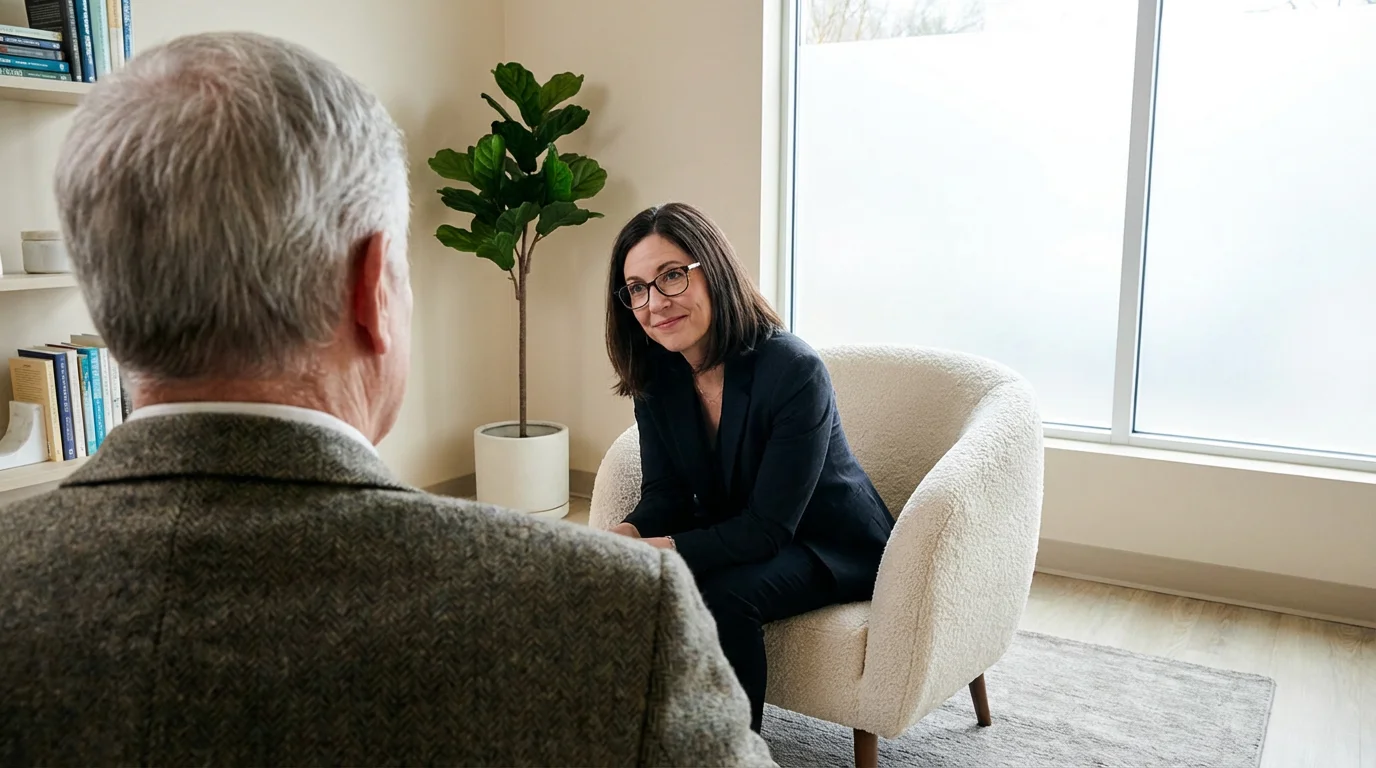
Chronic pain extends beyond physical sensations, often profoundly affecting your mental and emotional health. The constant discomfort, limitations on daily activities, and fear of flare-ups can lead to feelings of frustration, sadness, anxiety, and even depression. Addressing these psychological components is an integral part of effective pain management.
Exploring creative outlets in retirement can serve as a powerful cognitive distraction, helping to shift focus away from physical discomfort.
You can learn strategies to cope with the emotional toll of chronic pain, improving your resilience and overall quality of life. Mental health professionals offer valuable tools to navigate these challenges.
Key psychological and emotional support strategies include:
- Cognitive Behavioral Therapy (CBT): This therapy helps you identify and change negative thought patterns and behaviors related to pain. It teaches coping skills and reframes your relationship with pain.
- Mindfulness-Based Stress Reduction (MBSR): MBSR programs combine meditation and yoga to help you become more aware of your pain without judgment, reducing reactivity and stress.
- Acceptance and Commitment Therapy (ACT): ACT encourages you to accept difficult thoughts and feelings while committing to actions aligned with your values, even in the presence of pain.
- Support Groups: Connecting with others who understand your experience provides validation, practical advice, and a sense of community. Sharing your journey reduces feelings of isolation.
- Maintaining Purpose and Engagement: Retirement offers opportunities for new activities and deeper engagement with existing passions. Continue pursuing hobbies, volunteering, or learning new skills. These activities provide distraction, meaning, and a sense of accomplishment, shifting focus away from pain.
Seeking help from a therapist specializing in chronic pain can provide you with personalized strategies and tools. You deserve to live a life with meaning and joy, despite the presence of pain.

Navigating Healthcare and Insurance for Pain Management
Successfully managing chronic pain often involves navigating a complex healthcare system and understanding your insurance coverage. You want to ensure you receive the best possible care without undue financial burden. Being an informed advocate for your health is paramount.
Understanding how to select the right providers and maximize your insurance benefits helps you access necessary treatments. This proactive approach saves you time, stress, and potential costs.
Steps for navigating healthcare and insurance:
- Choosing the Right Doctors:
- Primary Care Physician (PCP): Your PCP is your first point of contact, coordinating care and making referrals to specialists.
- Pain Specialists: These doctors, often anesthesiologists, neurologists, or physiatrists, specialize in diagnosing and treating chronic pain conditions.
- Geriatricians: For older adults, a geriatrician provides comprehensive care tailored to age-related health issues, including pain management.
- Understanding Medicare and Supplemental Insurance:
- Medicare Part A (Hospital Insurance): Covers inpatient hospital care, skilled nursing facility care, hospice, and some home health services related to pain treatment.
- Medicare Part B (Medical Insurance): Covers doctor’s services, outpatient care, physical and occupational therapy, durable medical equipment, and certain preventive services. Many pain management treatments fall under Part B.
- Medicare Advantage Plans (Part C): These private plans offer all Part A and B benefits and often include additional benefits like prescription drug coverage. Coverage for specific pain treatments varies by plan.
- Medicare Part D (Prescription Drug Coverage): Helps cover the cost of prescription medications, which is crucial for chronic pain management.
- Medigap (Medicare Supplement Insurance): Helps pay for out-of-pocket costs not covered by Original Medicare, such as deductibles and co-pays.
- Advocating for Your Needs:
- Prepare for Appointments: List your symptoms, pain levels, medications, and questions.
- Be Specific: Describe your pain’s location, intensity (on a 1-10 scale), type (sharp, dull, burning), and what makes it better or worse.
- Bring a Loved One: A family member or friend can help you remember information and ask questions.
- Understand Your Rights: You have the right to seek second opinions and understand all treatment options.
Many resources, including those from AARP, offer guidance on navigating healthcare and insurance. By staying informed, you ensure you receive appropriate and affordable care.

Building Your Personal Pain Management Team
Managing chronic pain effectively is a team effort. You surround yourself with a network of healthcare professionals and supportive individuals who contribute to your well-being. This collaborative approach ensures all aspects of your pain are addressed.
As the central figure, you coordinate your team, sharing information and ensuring everyone works toward your common goals. You empower yourself by actively participating in team discussions and decisions.
Your personal pain management team may include:
- Primary Care Physician (PCP): Your initial point of contact, managing general health and coordinating referrals to specialists.
- Pain Specialist: A physician with expertise in diagnosing and treating complex pain conditions.
- Physical Therapist (PT): Helps improve strength, flexibility, mobility, and teaches proper body mechanics.
- Occupational Therapist (OT): Teaches adaptive techniques and strategies to perform daily activities with less pain and greater independence.
- Mental Health Professional: A psychologist, psychiatrist, or counselor can help you cope with the emotional and psychological impact of pain.
- Pharmacist: Provides essential information about your medications, potential side effects, and drug interactions.
- Registered Dietitian: Offers guidance on anti-inflammatory diets and nutritional strategies to support pain management.
- Family and Caregivers: Loved ones provide emotional support, practical assistance, and help with advocacy. Communicate openly with them about your needs.
Open communication with every member of your team is crucial. You want to ensure everyone understands your current condition, treatment plan, and progress. Regular check-ins and shared information optimize your care.

Practical Tips for Daily Living with Chronic Pain
Living with chronic pain means adapting your daily routines and finding strategies to minimize discomfort and maximize your ability to participate in life. You can integrate simple, yet effective, adjustments to improve your daily experience. These practical tips help you maintain independence and quality of life.
Implementing these strategies can reduce flare-ups, manage fatigue, and help you stay engaged with your retirement activities.
Practical tips for daily living:
- Pacing Activities: Avoid the “boom and bust” cycle where you do too much on good days and suffer on bad days. Break tasks into smaller, manageable chunks and take frequent breaks.
- Using Assistive Devices: Walkers, canes, reachers, and ergonomically designed tools can reduce strain and conserve energy. Do not hesitate to use them to enhance your mobility and independence.
- Home Modifications: Simple changes like raised toilet seats, grab bars in the shower, or improved lighting can make your home safer and more comfortable.
- Planning Ahead for Flare-Ups: Have a “flare-up plan” in place. This includes knowing your go-to pain relief methods, having essential supplies readily available, and communicating with loved ones about your needs.
- Maintaining Hobbies and Social Connections: Adapt your favorite activities to accommodate your pain levels. If gardening is too strenuous, try container gardening. If going out is difficult, connect with friends and family via video calls. Staying engaged prevents isolation and boosts mood.
- Practicing Good Posture: Be mindful of your posture while sitting, standing, and lifting. Proper alignment can reduce strain on your back and joints.
- Heat and Cold Therapy: Apply heat (heating pads, warm baths) to relax muscles and increase blood flow, or cold (ice packs) to reduce inflammation and numb pain.
- Ergonomic Adjustments: Ensure your seating, bed, and common workspaces are ergonomically friendly. This prevents unnecessary strain and supports comfort.
You play an active role in discovering what works best for you. Experiment with different strategies and integrate those that bring you the most relief and improve your functionality.
Frequently Asked Questions
Can chronic pain be cured completely?
While some types of chronic pain can resolve, many are long-term conditions that cannot be “cured” in the traditional sense. The goal of pain management shifts from eradication to significant reduction, improved function, and enhanced quality of life. You learn to manage symptoms and lead a fulfilling life despite the pain.
Are opioids the only effective solution for severe chronic pain?
No, opioids are rarely the only or best solution for severe chronic pain. While they can offer short-term relief, their long-term use carries significant risks, including addiction, tolerance, and worsening pain (hyperalgesia). A comprehensive pain management plan utilizes multiple strategies, including non-opioid medications, physical therapy, interventional procedures, and psychological support, which often prove more effective and safer in the long run.
How can I talk to my doctor about my pain effectively?
Prepare for your appointment by documenting your pain. Note its location, intensity (on a 1-10 scale), what makes it better or worse, and how it impacts your daily activities. Be specific and honest about your symptoms and goals. Bringing a list of questions and having a friend or family member accompany you can also help ensure all your concerns are addressed.
Does diet really impact chronic pain?
Yes, diet can significantly impact chronic pain. An anti-inflammatory diet, rich in fruits, vegetables, whole grains, lean proteins, and healthy fats, can help reduce systemic inflammation that often contributes to pain. Conversely, diets high in processed foods, sugar, and unhealthy fats can exacerbate inflammation. Consult a dietitian for personalized nutritional guidance.
What resources are available for financial assistance with pain treatment?
Several resources can help with the costs of chronic pain treatment. Medicare and supplemental insurance cover many treatments. Organizations like the Patient Access Network (PAN) Foundation or the HealthWell Foundation offer financial assistance for medications and other healthcare costs. Your local Area Agency on Aging or Eldercare Locator can also guide you to resources specific to your region and needs.
Disclaimer: This article is for informational purposes only and does not constitute financial, legal, tax, or medical advice. Retirement planning involves complex decisions that depend on your individual circumstances. We strongly encourage readers to consult with qualified professionals—including financial advisors, attorneys, tax professionals, and healthcare providers—before making significant retirement decisions.









Leave a Reply