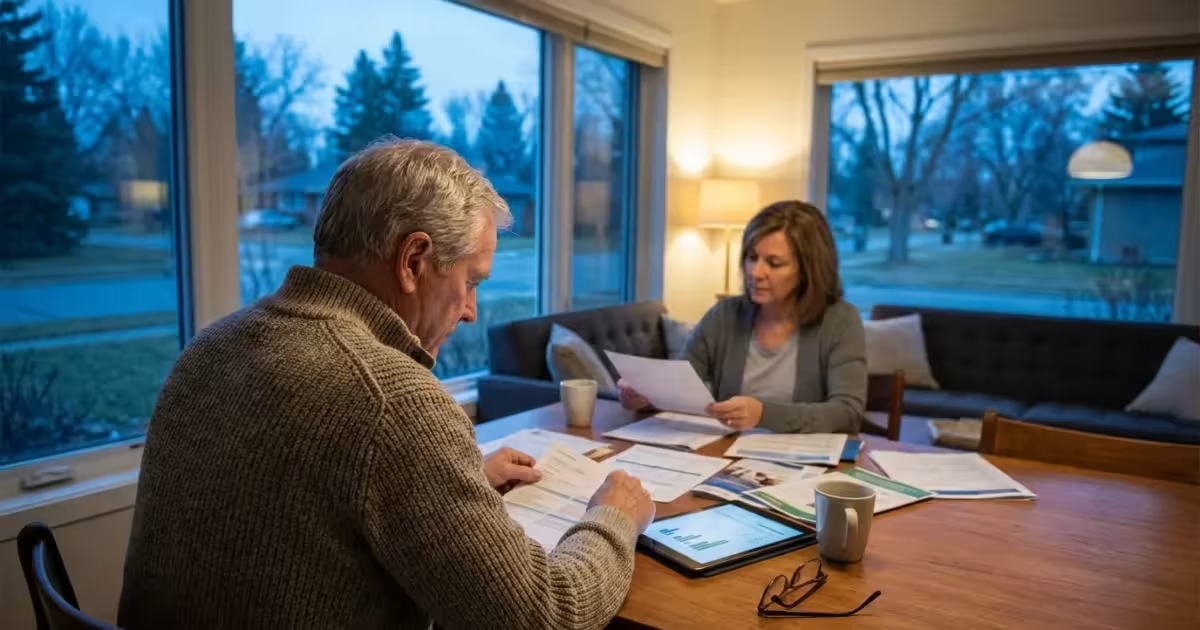
For many older Americans, their home represents their largest asset. Accessing the value built in your home, known as home equity, can become a critical consideration for managing finances during retirement. A reverse mortgage allows you to convert a portion of that home equity into accessible funds without selling your home or making monthly mortgage payments. This financial tool offers unique opportunities, but also carries significant obligations and potential risks.
Understanding how a reverse mortgage works, its advantages, and its disadvantages is essential. This guide provides a comprehensive overview, helping you determine if a reverse mortgage aligns with your financial goals and personal circumstances. We encourage you to review all aspects carefully and seek professional advice.
What is a Reverse Mortgage?
A reverse mortgage is a type of loan designed for homeowners aged 62 or older. It allows you to borrow against the equity in your home, converting it into tax-free funds. Unlike a traditional mortgage where you make monthly payments to the lender, a reverse mortgage pays you, either as a lump sum, a line of credit, or monthly payments.
The loan becomes due and payable when the last surviving borrower permanently leaves the home, sells it, or fails to meet the loan terms. This makes it an attractive option for seniors who wish to remain in their homes, supplement their retirement income, and manage their finances without the burden of a monthly mortgage payment.

How Does a Reverse Mortgage Work?
The core principle of a reverse mortgage involves leveraging your accumulated home equity. You retain ownership of your home, and the lender pays you a portion of your equity. The loan balance grows over time as interest accrues and fees add to the principal balance, reducing your remaining equity.
To qualify for a reverse mortgage, you must meet specific criteria. Lenders consider factors such as your age, the amount of equity in your home, and the home’s value. You must also live in the home as your primary residence and maintain it according to the loan agreement.
Eligibility Requirements
Meeting the eligibility criteria is the first step toward securing a reverse mortgage. Lenders enforce these requirements to ensure borrowers can sustain the loan and manage their property responsibilities.
- You must be at least 62 years old.
- You must own your home outright or have a substantial amount of equity.
- The home must serve as your primary residence.
- You must continue to pay property taxes, homeowners insurance, and maintain the home.
- You must complete mandatory counseling with an approved third-party counselor.
Payment Options
Reverse mortgages offer flexible ways to receive your funds, allowing you to tailor the payout to your financial needs. Understanding these options helps you choose the best fit for your retirement income strategy.
- Tenure Option: You receive equal monthly payments for as long as you live in the home.
- Term Option: You receive equal monthly payments for a fixed period you select.
- Line of Credit: You can draw funds as needed, similar to a home equity line of credit (HELOC). The unused portion grows over time.
- Modified Tenure or Term: A combination of fixed monthly payments and a line of credit.
- Lump Sum: You receive all available funds at closing, usually a fixed interest rate loan.

Key Benefits of a Reverse Mortgage
A reverse mortgage can serve as a powerful financial tool for many seniors, addressing specific retirement challenges. The primary advantage involves converting home equity into usable cash without selling the family home. This provides financial flexibility and peace of mind.
Potential Advantages
Exploring the specific benefits helps clarify how a reverse mortgage might support your retirement planning. Each advantage contributes to improved financial stability and lifestyle during your golden years.
- Access Tax-Free Funds: The funds you receive are generally tax-free, as they constitute a loan, not income. This can significantly boost your available retirement income without increasing your tax liability.
- Eliminate Monthly Mortgage Payments: If you currently have a mortgage, a reverse mortgage can pay off that existing balance. This eliminates your monthly principal and interest payments, freeing up significant cash flow for other expenses.
- Retain Homeownership: You continue to own your home, holding the title, and living there for as long as you meet the loan terms. This provides stability and allows you to age in place, surrounded by your community and memories.
- Financial Flexibility: Use the funds for any purpose, such as covering healthcare costs, making home repairs, paying off debt, or creating a financial safety net. A line of credit option offers particular flexibility for unexpected expenses.
- Non-Recourse Loan: Most reverse mortgages, especially the federally insured Home Equity Conversion Mortgages (HECMs), are non-recourse loans. This means you or your heirs will never owe more than the home’s value at the time the loan becomes due, even if the loan balance exceeds the home’s market value.

Understanding the Risks and Disadvantages
While reverse mortgages offer attractive benefits, they also carry significant risks and potential disadvantages. Thoroughly understanding these drawbacks prevents unexpected financial burdens and ensures you make an informed decision. Mismanaging these risks can lead to serious consequences.
Potential Drawbacks
Carefully consider these potential disadvantages to assess if a reverse mortgage truly aligns with your long-term financial stability. Each point highlights an area requiring careful thought and planning.
- Increased Loan Balance Over Time: Interest and fees accrue on the loan balance, adding to the amount you owe. This reduces the home equity available to you and your heirs over time.
- Erosion of Home Equity: As the loan balance grows, your home equity decreases. This leaves less inheritance for your heirs or less capital if you decide to sell the home later.
- Ongoing Costs: You remain responsible for property taxes, homeowners insurance, and home maintenance. Failing to meet these obligations can lead to default, potentially resulting in foreclosure.
- Fees and Closing Costs: Reverse mortgages often come with substantial upfront costs, including origination fees, mortgage insurance premiums (MIP), appraisal fees, and other closing costs. These fees reduce the net amount of funds you receive.
- Impact on Heirs: Your heirs must repay the loan balance, usually by selling the home or refinancing it, after you permanently leave. This can complicate estate planning and may not align with your family’s wishes. This is one of the key factors to consider when asking what are the disadvantages of a reverse mortgage.
- Complexity and Misconceptions: The product itself can be complex, and many misconceptions exist. Without proper education and counseling, you may not fully grasp all terms and implications. The Consumer Financial Protection Bureau provides excellent resources to help you navigate these complexities. You can find more information and guidance from the Consumer Financial Protection Bureau.
- Risk of Default: Defaulting on a reverse mortgage occurs if you fail to pay property taxes, insurance, or maintain your home. This can lead to foreclosure, even if you do not have monthly mortgage payments.

Types of Reverse Mortgages
Several types of reverse mortgages exist, each with distinct features. The most common and widely recognized option is the Home Equity Conversion Mortgage, but other specialized products also serve specific needs.
Home Equity Conversion Mortgage (HECM)
HECMs are the only reverse mortgages insured by the Federal Housing Administration (FHA). This government backing offers protections for both lenders and borrowers, making HECMs the most popular choice for many seniors.
- FHA Insurance: Provides a guarantee that the lender will receive payment, and that borrowers or their heirs will not owe more than the home’s value.
- Flexible Payment Options: Offers tenure, term, line of credit, modified, or lump sum payouts.
- Widely Available: Most lenders offer HECMs due to their federal insurance.
- Loan Limits: Subject to FHA lending limits, which can be a factor for high-value homes.
Proprietary Reverse Mortgages
Private lenders offer proprietary reverse mortgages, which are not government-insured. These products often target homeowners with higher-value homes that exceed HECM lending limits.
- Higher Loan Amounts: Can provide access to more home equity for properties with values above HECM limits.
- Varying Terms: Terms and conditions differ significantly by lender, requiring careful comparison.
- No FHA Insurance: Lacks the federal backing and protections of HECMs.
Single-Purpose Reverse Mortgages
State and local government agencies or non-profit organizations offer single-purpose reverse mortgages. These are typically smaller loans designed for specific needs, such as property taxes or home repairs.
- Limited Use: Funds are restricted to a single, specified purpose.
- Lower Costs: Often have lower fees compared to HECMs or proprietary loans.
- Income Restrictions: Usually have income and geographic eligibility requirements.

The Application Process: Steps to Consider
Applying for a reverse mortgage involves several key stages, starting with mandatory counseling and culminating in closing the loan. Each step ensures you understand the commitment and meet all necessary requirements. Following these steps carefully helps streamline the process.
Application Steps
Navigating the application process effectively requires attention to detail and proactive engagement. Prepare for each stage to ensure a smooth transition from inquiry to receiving funds.
- Mandatory Counseling: You must complete a counseling session with an independent, HUD-approved counselor. This counselor educates you on reverse mortgage features, costs, and alternatives, ensuring you understand the product thoroughly. You can find approved counselors through the Consumer Financial Protection Bureau.
- Application Submission: Choose a lender and submit a formal application. This involves providing personal financial information and details about your home.
- Home Appraisal: The lender orders an independent appraisal to determine your home’s current market value. This value helps calculate the amount of equity you can access.
- Underwriting: The lender reviews your application, financial situation, and property appraisal. They assess your ability to meet ongoing obligations like property taxes and insurance.
- Closing: If approved, you sign loan documents, and the loan becomes official. Funds are then disbursed according to the payment option you selected.

Costs Associated with a Reverse Mortgage
Understanding the various fees and costs associated with a reverse mortgage is crucial for assessing its financial viability. These costs can significantly impact the net amount of funds you receive and the overall loan balance. Plan for these expenses carefully.
Key Costs and Fees
Reverse mortgages involve several types of fees, both upfront and ongoing. Familiarize yourself with each component to gain a clear picture of the total cost of the loan.
- Origination Fee: A fee charged by the lender for processing the loan. For HECMs, this is capped based on your home’s value.
- Mortgage Insurance Premium (MIP): HECMs require two types of MIP: an initial premium paid at closing and an annual premium. This insurance protects the lender and ensures you never owe more than your home’s value.
- Closing Costs: These include appraisal fees, title insurance, recording fees, and other standard loan closing expenses. These costs can add up quickly.
- Servicing Fees: Some lenders charge monthly servicing fees for managing the loan over its life. These fees can either be paid out of the loan proceeds or added to the loan balance.
- Interest: Interest accrues on the outstanding loan balance. While you do not make monthly payments, the interest compounds over time, increasing the total amount owed.

Important Considerations Before Committing
A reverse mortgage profoundly impacts your financial future and your estate. Before making such a significant decision, thoroughly evaluate these considerations. A comprehensive understanding helps you weigh the benefits against the risks specific to your situation.
Factors to Evaluate
Deliberating on these key factors ensures you approach a reverse mortgage with eyes wide open. Your personal circumstances, future plans, and family discussions are vital components of this evaluation.
- Long-Term Financial Plan: Does a reverse mortgage fit into your overall retirement strategy? Consider how it affects your other assets, income sources, and long-term financial stability.
- Impact on Heirs: Discuss with your family the implications for your heirs. While they will not inherit debt exceeding the home’s value, they will need to repay the loan to keep the home or sell it.
- Home Maintenance and Property Taxes: You must continue to pay property taxes, homeowners insurance, and maintain your home. Failing to do so can lead to default and potential foreclosure.
- Loan Amount and Equity: Understand how much equity you can access and how quickly the loan balance will grow. Ensure the accessible funds meet your actual needs.
- Future Housing Needs: Consider your potential need for long-term care or moving in the future. If you leave your home permanently for more than 12 consecutive months, the loan becomes due.
- Alternatives: Explore other options for accessing funds or managing retirement finances. Do not view a reverse mortgage as your only solution. The American Association of Retired Persons (AARP) offers valuable resources on financial planning in retirement, including a detailed look at various options. Visit AARP for more insights.

Alternatives to a Reverse Mortgage
A reverse mortgage is not the only way to access funds in retirement or manage your finances. Exploring alternative strategies can reveal solutions that better suit your specific needs and preferences. Each option presents different advantages and trade-offs.
Other Financial Strategies
Consider these alternatives before committing to a reverse mortgage. A diversified approach to retirement finances often involves considering multiple strategies.
- Downsizing: Selling your current home and purchasing a smaller, less expensive property can free up significant capital. This reduces housing costs and property taxes.
- Home Equity Line of Credit (HELOC): A HELOC allows you to borrow against your home equity as needed, similar to a credit card. You make interest-only payments on the amount you borrow, and the principal becomes due later.
- Cash-Out Refinance: This replaces your existing mortgage with a new, larger loan, paying you the difference in cash. You then make monthly payments on the new, larger loan.
- Selling Assets: Liquidating other assets, such as investments or a second property, can provide funds without affecting your primary residence.
- Budgeting and Expense Reduction: Re-evaluating your budget and finding areas to reduce expenses can stretch your existing retirement income further.
- Government Assistance Programs: Explore federal, state, and local programs designed to assist seniors with housing, healthcare, or other financial needs. The USA.gov Benefits website provides information on various government assistance programs.
Frequently Asked Questions
Can the bank take my home with a reverse mortgage?
No, the bank cannot take your home as long as you fulfill the loan obligations. You retain ownership of your home. The lender only takes possession if you fail to pay property taxes or homeowners insurance, neglect home maintenance, or permanently move out. When the loan becomes due, you or your heirs must repay the loan or sell the home.
Do I still pay property taxes and insurance with a reverse mortgage?
Yes, you remain responsible for paying property taxes, homeowners insurance, and maintaining your home. These are essential obligations of a reverse mortgage. Failing to meet these responsibilities can lead to default and potential foreclosure, even without monthly mortgage payments.
What happens to my heirs when I have a reverse mortgage?
When the last borrower permanently leaves the home, your heirs have options. They can repay the reverse mortgage loan balance, typically by refinancing it or using other funds, to keep the home. Alternatively, they can sell the home, and the proceeds will cover the loan. Because most reverse mortgages are non-recourse, your heirs will never owe more than the home’s value, regardless of the loan balance.
How does interest accrue on a reverse mortgage?
Interest on a reverse mortgage accrues on the outstanding loan balance, which includes the funds you have received, accumulated interest, and fees. Since you are not making monthly payments, this interest compounds over time, meaning the loan balance grows significantly the longer the loan remains open. This growth reduces the equity remaining in your home.
Is reverse mortgage counseling mandatory?
Yes, counseling with a HUD-approved independent counselor is mandatory before you can apply for a Home Equity Conversion Mortgage (HECM). This requirement ensures you fully understand the product, its implications, and available alternatives, helping you make an informed decision.
A reverse mortgage offers a complex yet potentially valuable solution for accessing your home equity in retirement. It empowers homeowners to convert a significant asset into usable funds without selling their home or making monthly mortgage payments. However, this financial tool requires careful consideration of its long-term implications, including costs, risks, and impact on your estate.
Thoroughly research the product, understand its mechanics, and weigh the benefits against the potential drawbacks. We strongly recommend consulting with a qualified financial advisor and a HUD-approved reverse mortgage counselor. These professionals provide personalized guidance tailored to your unique financial situation and help you make the best decision for your retirement.
Disclaimer: This article is for informational purposes only and does not constitute financial, legal, tax, or medical advice. Retirement planning involves complex decisions that depend on your individual circumstances. We strongly encourage readers to consult with qualified professionals—including financial advisors, attorneys, tax professionals, and healthcare providers—before making significant retirement decisions.









Leave a Reply